
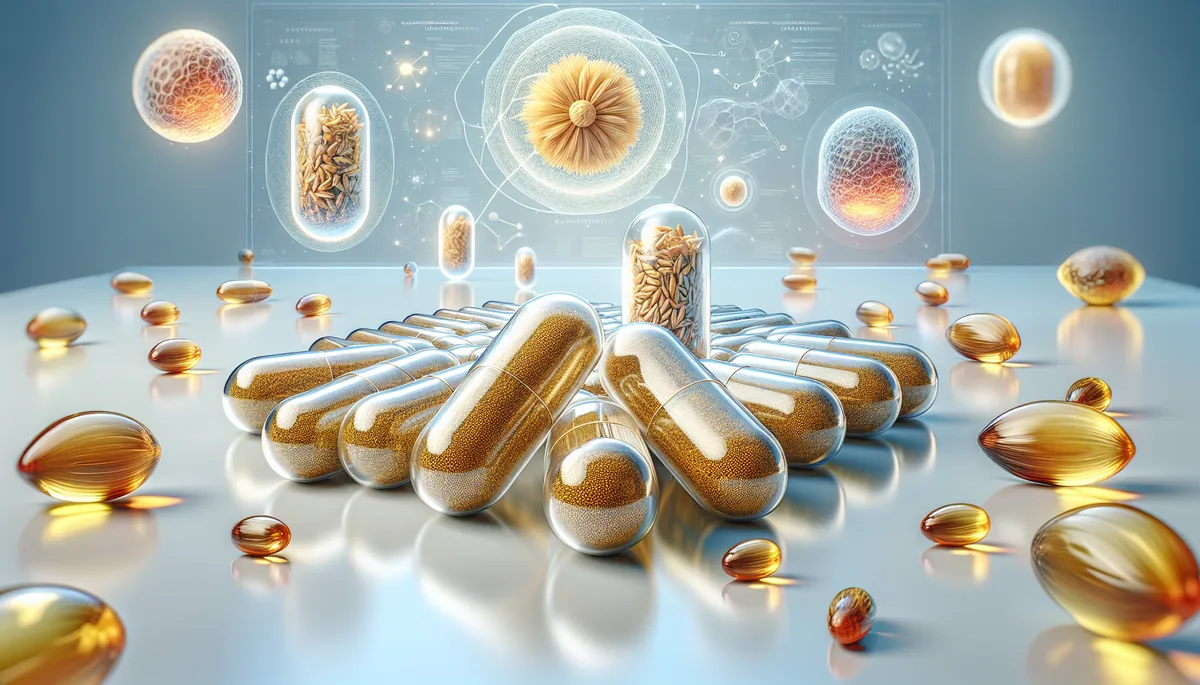
Once you get past 50, supplement decisions become more strategic. You stop asking what is fashionable and start asking what is actually worth your money, attention, and pill burden. Spermidine is one of the newer compounds that often shows up in longevity conversations, usually attached to the phrase “autophagy support.”
Spermidine levels decline with age — both dietary intake tends to decrease and the gut microbiome’s capacity to produce spermidine via putrescine conversion diminishes. After age 50, declining spermidine is associated with impaired autophagy, accumulating cellular damage, and higher risk for age-related diseases including neurodegenerative conditions. The practical evidence for spermidine supplementation in adults over 50 includes: the ASPIS cohort showing lower dementia risk in high-dietary-spermidine individuals; the 2021 SMARTER trial showing cognitive improvement in older adults with cognitive concerns; and the basic science of autophagy induction supporting cellular quality control. Whether spermidine supplements extend or improve human healthspan in a meaningful, generalizable way is not yet established.
- Spermidine biosynthesis and dietary intake both decline with age — polyamine biosynthesis genes (including spermidine synthase) show reduced expression in aged tissues, and dietary patterns in older adults tend toward lower polyamine-rich foods.
- The gut microbiome converts putrescine (from diet) to spermidine via bacterial spermidine synthase — this microbial conversion pathway also declines with age-associated dysbiosis, representing a second mechanism of spermidine decline beyond dietary changes.
- The ASPIS (Austrian Stroke Prevention Study) 20-year cohort found adults in the highest dietary spermidine tertile (>11.5 mg/day) had 40% lower all-cause mortality and significantly lower dementia incidence — epidemiological data with significant confounding (healthy food patterns), but the association is robust.
- The 2021 SMARTER trial (n=100, ages 60-80 with subjective memory complaints) found 3 months of spermidine supplementation (1.2 mg/day from wheat germ extract) significantly improved a composite memory score vs. placebo — the first RCT evidence for cognitive benefit in older adults.
- Autophagy induction by spermidine has been proposed as the mechanism for its anti-aging effects — restoring autophagy in aged cells that have accumulated damaged organelles and misfolded proteins may slow age-related decline across multiple organ systems.
That sounds promising, but the smarter question is simpler: is spermidine worth taking after 50, or is it still more theory than practice?
The short answer
For adults over 50, spermidine may be worth considering, but it is probably not a first-tier priority.
Why? Because:
- the biological rationale is strong
- the preclinical data are genuinely interesting [1]
- early human studies are promising, especially in cognitive aging [2]
- but large, decisive long-term human outcome trials are still limited
If you are not already handling sleep, protein intake, resistance training, blood pressure, and basic nutrient sufficiency, spermidine should not jump the line.
Why spermidine gets attention in healthy aging
It is linked to autophagy
Spermidine is a naturally occurring polyamine involved in cellular maintenance pathways. Researchers are interested in it partly because it appears to influence autophagy, the process cells use to clear damaged material [1].
It may matter more with aging
Autophagy efficiency appears to decline with age, which is one reason compounds that may support it get so much attention in longevity research.
What studies in humans actually suggest
Cognitive aging is the most interesting area so far
A randomized controlled trial in older adults with subjective cognitive decline found memory-related signals from a spermidine-rich plant extract, although the results were not dramatic and should be interpreted cautiously [2].
Safety appears reasonable so far
Early studies in older adults suggest spermidine supplementation is generally tolerated, which matters for people over 50 who may already have more complex health profiles [3].
Observational diet studies are encouraging
Higher dietary spermidine intake has been associated with lower mortality in population-based research, but association is not causation [4]. It supports plausibility, not proof.
When spermidine might be worth it after 50
You may find it worth trying if:
- you are already consistent with the basics
- you want a food-derived, lower-stimulant longevity supplement
- you are comfortable with early-stage rather than definitive evidence
- you can afford to experiment without expecting miracles
That is a narrower and more honest target audience than most marketing suggests.
When it is probably not worth prioritizing yet
If your foundations are weak
If exercise is irregular, sleep is poor, and protein intake is low, your return on effort is much higher elsewhere.
If you want obvious short-term effects
Spermidine is not like caffeine or creatine. If it helps, the effects are likely subtle and long-term.
If your supplement stack is already crowded
After 50, medication interactions and pill fatigue become real issues. “Interesting” is not enough reason to keep adding capsules.
Practical buying and dosing notes
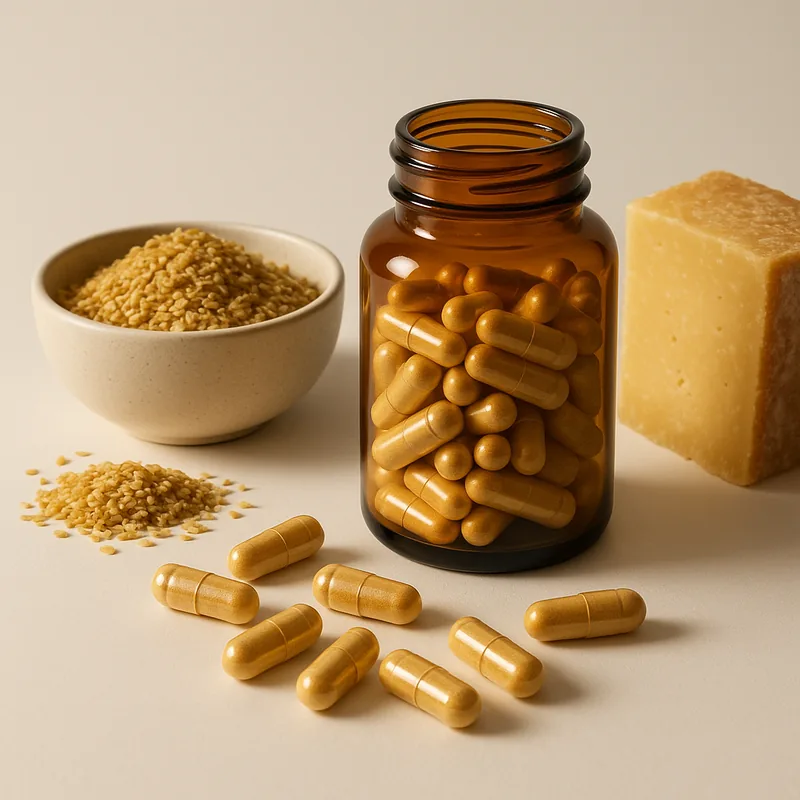
Many products provide around 1 to 6 mg daily, often from wheat germ extract. The best products disclose the actual spermidine amount and avoid inflated anti-aging claims.
It is smarter to choose a well-labeled, modest-dose product than the most aggressive formula on the page.
FAQ
Is spermidine good for people over 50?
It may be, especially as part of a healthy-aging strategy, but the human evidence is still early. It is more promising than proven.
What does spermidine do after 50?
It is mainly studied for autophagy-related cellular maintenance, healthy aging, and possible cognitive support.
Is spermidine better than basics like protein and exercise?
No. For adults over 50, exercise, sleep, nutrition, and blood-pressure control matter more.
How long should you try spermidine before deciding?
If you try it, think in terms of weeks to months, not days. It is not a fast-feeling supplement.
References
- Madeo F, Eisenberg T, Pietrocola F, Kroemer G. Spermidine in health and disease. Science. 2018.
- Wirth M, Benson G, Schwarz C, et al. Spermidine and memory performance in older adults. Cortex. 2018.
- Schwarz C, Stekovic S, Wirth M, et al. Safety and tolerability of spermidine supplementation. Aging (Albany NY). 2018.
- Kiechl S, Pechlaner R, Willeit P, et al. Higher spermidine intake is linked to lower mortality. Am J Clin Nutr. 2018.
- Reviews on spermidine use in older adults and healthy aging. PubMed search.
This article is for informational purposes only and does not constitute medical advice. Discuss new supplements with your healthcare provider, especially if you have chronic conditions or take prescription medications.
Related Articles
- Spermidine Supplement Guide: Benefits, Evidence, Dosage, and What to Expect
- Best Spermidine Supplements From Wheat Germ: What to Look For Before You Buy
- Spermidine for Autophagy Support: What the Science Says and What It Does Not
- Spermidine Side Effects and Dosing: What a Cautious Beginner Should Know
- Spermidine vs Resveratrol: Which Longevity Supplement Makes More Sense?
Leave a Reply