

For the right person, GlyNAC can be worth taking daily. For the wrong person, it can turn into another expensive health habit with vague expectations.
Quick Answer
GlyNAC is worth daily supplementation for adults over 60 and for people with conditions known to deplete glutathione – including type 2 diabetes, HIV, heart failure, and possibly heavy, chronic exercise. The Baylor clinical evidence is unusually comprehensive for a supplement category, covering mitochondrial function, inflammation, body composition, and physical performance in older adults simultaneously. The main considerations are cost (quality formulations run $50-100/month), the need for adequate doses (several grams of each component daily), and the fact that young, healthy adults with no glutathione deficiency may see minimal benefit.
Key Takeaways
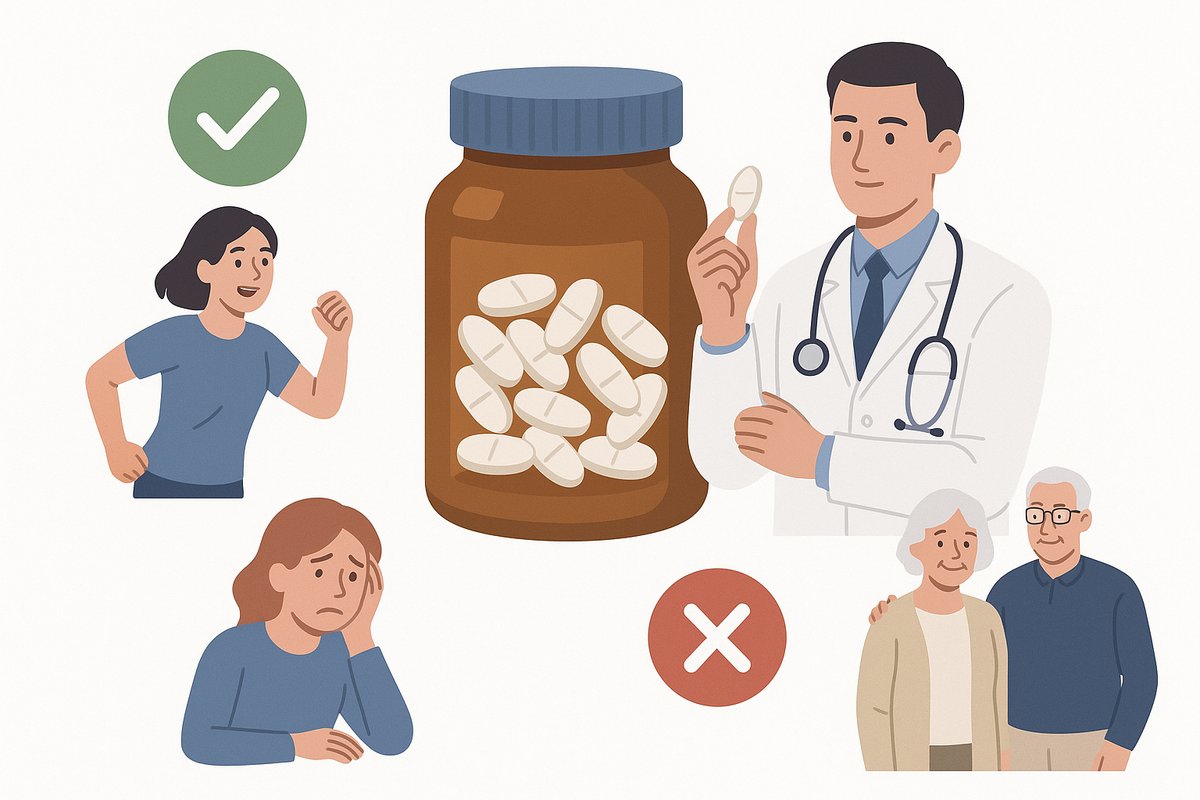
- The strongest case for daily GlyNAC: adults over 60 with any of the following – fatigue, reduced exercise capacity, elevated inflammatory markers (CRP, IL-6), metabolic syndrome, pre-diabetes, or recovering from illness. These populations show the largest baseline glutathione deficits and the greatest study-measured benefit.
- The weakest case for daily GlyNAC: healthy adults under 45 with no metabolic stressors or chronic conditions – glutathione synthesis capacity is generally maintained in this group, making the precursor intervention less impactful.
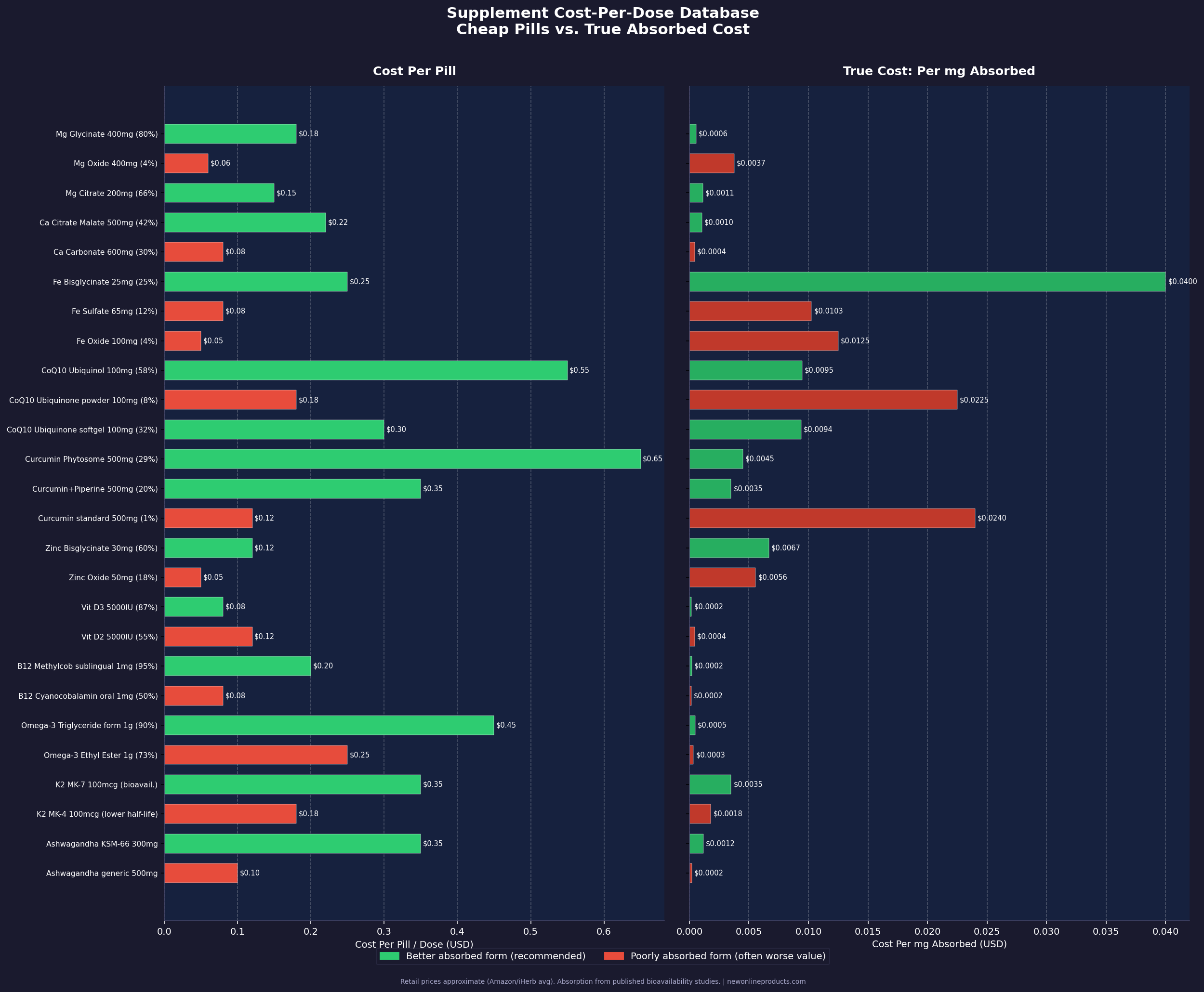
- Cost optimization: standalone glycine powder (inexpensive, ~$20-30/kg) combined with separate pharmaceutical-grade NAC capsules is substantially cheaper than branded GlyNAC products. At the Baylor trial doses (approximately 8 g glycine + 4 g NAC daily for a 70 kg adult), DIY costs $1-2/day versus $3-5/day for branded pre-formulations.
- Glycine’s benefits extend beyond glutathione synthesis – at 3-8 g/day, it independently improves sleep quality (core temperature reduction), may reduce all-cause mortality risk (large prospective cohort data), and provides substrate for collagen, creatine, and bile acid synthesis. This makes glycine a worthwhile daily supplement even if glutathione support were the only consideration.
- Potential interactions: NAC may interact with nitrates (additive vasodilation) and has been investigated (controversially) for potential attenuation of exercise adaptation at high doses in some studies. At GlyNAC protocol doses, no clinically significant interactions have been reported in trials.
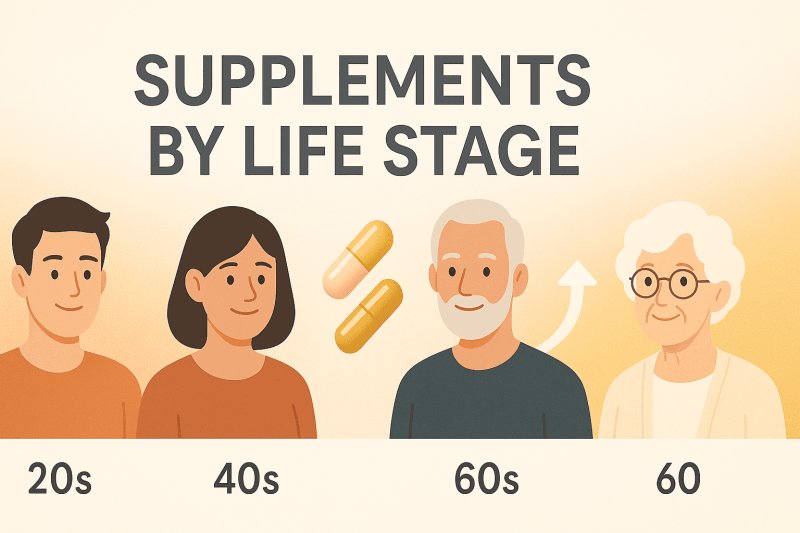
The value of daily GlyNAC depends on one main question: are you taking it for a clear reason? If the goal is glutathione support, oxidative-stress resilience, recovery, or healthy aging, daily use makes more sense than occasional use because the supplement works by providing precursors the body uses consistently.
## Why people consider daily GlyNAC
GlyNAC combines glycine and NAC, which support glutathione synthesis. Because glutathione status and redox balance are ongoing physiologic processes, daily intake is more logical than taking the combo randomly once in a while.
### The strongest argument in favor
Human research in older adults has shown that GlyNAC supplementation can improve glutathione deficiency and several age-associated abnormalities, including measures related to oxidative stress, mitochondrial dysfunction, and physical function (Sekhar et al., J Gerontol A, 2023).
## When daily GlyNAC is most worth it
### 1. Healthy-aging focus
Adults interested in healthy aging and resilience are the clearest audience.
### 2. Low-glutathione support strategy
People who do not want to rely on expensive glutathione products often prefer a precursor approach.
### 3. Recovery under stress
Some people under heavy training load, sleep disruption, or chronic life stress see daily use as more rational than sporadic use.
## When it may not be worth it
### 1. If your basics are poor
If sleep, protein intake, exercise, and overall diet are a mess, GlyNAC is probably not the first lever to pull.
### 2. If you hate taking multi-part supplements
A routine is only useful if you can stick to it. Some people are better off with fewer moving parts.
### 3. If NAC does not agree with you
NAC can cause nausea or reflux in some users. If tolerability is poor, daily use may not be worth the hassle.
## Daily dose that makes practical sense
A simple approach many people use is:
– glycine: 3 grams once or twice daily
– NAC: 600 mg once or twice daily
That is more realistic for daily wellness use than aggressive research-level dosing.
## Pros and cons of daily use
### Pros
– supports steady glutathione precursor availability
– aligns with how the mechanism works
– may fit healthy-aging goals well
### Cons
– cost adds up over time
– NAC may cause GI issues in some people
– benefits may feel subtle rather than dramatic
## Safety and screening
Daily NAC use deserves more respect than a casual gummy vitamin. People with chronic disease, asthma, ulcer history, clotting concerns, or medication complexity should review NAC with a clinician.
## What results people should realistically expect
### Think support, not transformation
This is where a lot of supplement buyers get themselves into trouble. GlyNAC is more likely to feel like a subtle resilience supplement than a dramatic day-one performance enhancer. Some people notice smoother recovery, better tolerance to stress, or less of a “run down” feeling over time, but it is usually not a fireworks product.
### Daily use makes more sense than random use
Because the point is to support ongoing glutathione production, taking GlyNAC consistently is more rational than using it like a pre-workout or occasional detox capsule. If someone is unwilling to take it regularly for at least a reasonable trial period, it may not be worth buying.
## FAQ
### Is GlyNAC worth taking every day?
It can be, especially for people specifically targeting glutathione support, oxidative stress, or healthy aging.
### Can I take GlyNAC only a few times a week?
You can, but daily use generally makes more sense because the goal is steady precursor support.
### How long should I take GlyNAC?
That depends on your goals and tolerance. Many people treat it as a longer-term wellness strategy rather than a short burst.
### What are the downsides of GlyNAC?
The main downsides are cost, pill burden if using capsules, and NAC-related stomach upset in some people.
FAQ
Who should take GlyNAC?
GlyNAC is best suited for: adults over 60 with fatigue, reduced exercise capacity, or elevated inflammatory markers; people with type 2 diabetes, HIV, heart failure, or other conditions known to deplete glutathione; and people recovering from chronic illness or surgery. Young, healthy adults without measurable oxidative stress or glutathione deficiency are unlikely to see significant benefit at standard doses.
What is a GlyNAC protocol for daily use?
Based on the Baylor trial protocol, approximate daily doses are: glycine 1.33 mmol/kg body weight (roughly 7-9 g for a 70 kg adult) and NAC 0.81 mmol/kg (roughly 3.5-5 g for a 70 kg adult). These can be taken once daily with food or divided into two doses. Glycine can be taken as powder in water; NAC as capsules or powder. Start at 50% of target dose for the first week to minimize GI adjustment.
Are there any side effects of GlyNAC?
GlyNAC is generally well-tolerated at therapeutic doses. NAC can cause nausea at high doses – taking with food and starting at lower doses minimizes this. Glycine at 3+ grams can cause mild sedation (useful if taken at bedtime; less ideal if taken morning-only). No serious adverse events have been reported in GlyNAC trials. Long-term safety beyond 24 weeks has not been formally studied, though both components have long individual safety histories.
Is GlyNAC better than taking just NAC?
Yes, based on the Baylor research. Older adults are deficient in both glycine and cysteine for glutathione synthesis – giving NAC alone partially addresses the cysteine gap but misses the glycine deficiency that is actually the primary limiting factor. GlyNAC consistently outperformed NAC alone in the Baylor studies for glutathione normalization and downstream metabolic effects. Taking both components together achieves more complete glutathione repletion.
Related Articles
- Is GlyNAC Worth Taking Daily? Pros, Cons, and Who It Fits Best
- Best GlyNAC Supplements: What to Look For in a Quality Formula
- Pea vs Rice vs Hemp Protein: Which Plant Protein Is Best for Muscle, Digestion, and Daily Use?
Sources
- Sekhar RV, et al. Supplementing Glycine and N-Acetylcysteine (GlyNAC) in Older Adults Improves Glutathione Deficiency, Oxidative Stress, Mitochondrial Dysfunction, Inflammation, Physical Function, and Aging Hallmarks: a randomized clinical trial. J Gerontol A. 2023.
- A randomized controlled clinical trial in healthy older adults to determine efficacy of glycine and N-acetylcysteine supplementation on glutathione redox status and oxidative damage. J Nutr. 2022.
- GlyNAC supplementation improves glutathione deficiency, oxidative stress, mitochondrial dysfunction, inflammation, aging hallmarks, metabolic defects, muscle strength, cognitive decline, and body composition: implications for healthy aging. Nutrients. 2021.