

Halal-Conscious Lip Products for Every Look
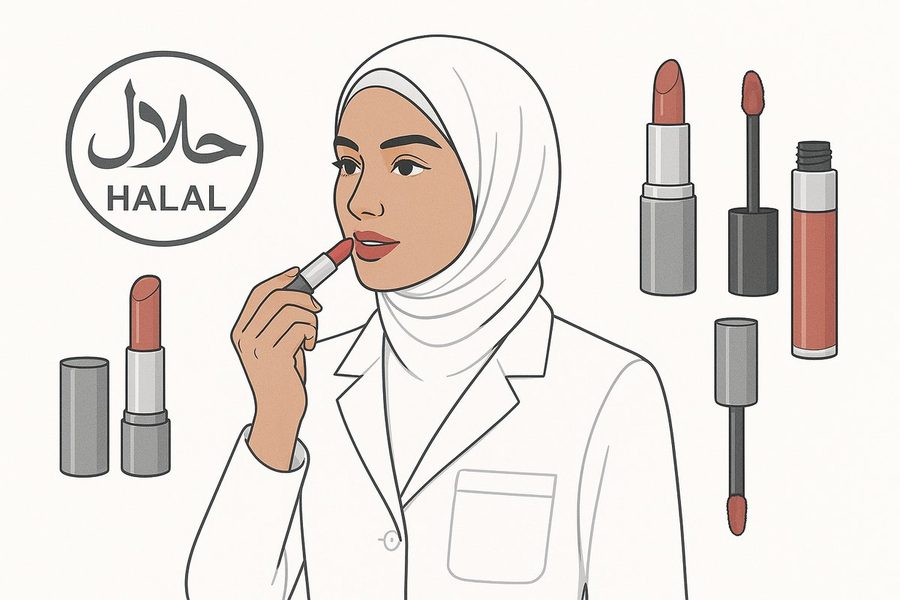
Halal-conscious lip products matter because lipsticks, balms, glosses, stains, and liners sit directly on the lips. For many shoppers, that makes ingredient awareness especially important.
Quick Answer
Lip products are among the highest-concern halal makeup categories because they are directly ingested in small quantities during use — making the halal status of ingredients more significant than for eye or complexion products that are not consumed. The key halal concerns in lip products are: carmine red dye (from insects), animal-derived beeswax or lanolin (some scholars permit, others do not), pork-derived collagen or gelatin in lip plumpers, and alcohol-based formulas. Halal-certified lip products from INIKA, Amara, and Tuesday in Love specifically address all these concerns; alternatively, plant-wax-based vegan lip products from mainstream brands provide accessible compliant options.
Key Takeaways
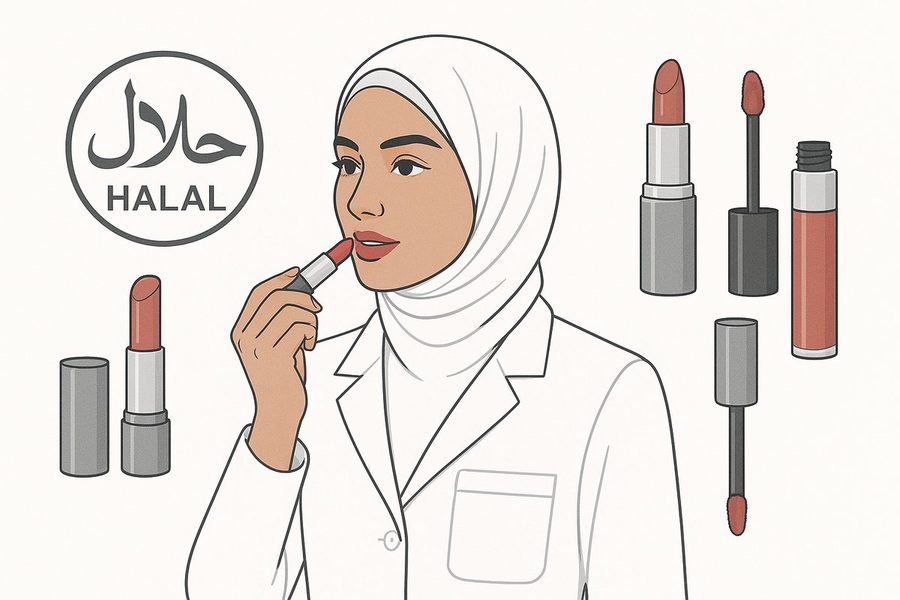
- Carmine (cochineal, CI 75470, natural red 4) is one of the most widely used red pigments in lipstick because it produces the vivid, stable reds and pinks that synthetic dyes historically struggled to match. It is derived from the dried body of the female cochineal insect and is explicitly prohibited in halal products — identifying its presence requires reading the full ingredient list since front-of-pack claims do not disclose colorants.
- Beeswax (Cera Alba) is a common lip product ingredient that sits in a gray area for halal consumers: some halal scholars permit beeswax from a halal-certified beekeeper (as bees are not themselves consumed as food); others require explicitly certified beeswax or prefer plant wax alternatives (candelilla, carnauba). Halal-certified lip products clarify their beeswax sourcing or substitute plant waxes.
- Lip plumping products with collagen or peptides: collagen ingredients should specify source (plant peptides versus bovine or porcine collagen) — marine collagen from halal-slaughtered fish is permitted under most standards; porcine collagen is not. Most mainstream lip plumpers use synthetic polymer ingredients rather than actual protein collagen, reducing this concern in practice.
- Lip stains and long-wear liquid lip colors are the most alcohol-dependent lip product category: alcohol denat is used as a drying solvent in long-wear lip formulas. Halal-conscious consumers who avoid alcohol in cosmetics should verify the formula type or look for specifically alcohol-free long-wear alternatives from halal-certified brands.
- INIKA Organic’s lipstick and lip gloss range is formulated with organic plant waxes (rice bran wax, candelilla), plant-derived pigments, and no carmine — carrying halal certification and offering a range of shades from natural to bold without the ingredient concerns of conventional luxury lipsticks.
If you are building a halal-friendly makeup routine, lip products are a smart place to start. The challenge is that “clean,” “vegan,” and “natural” do not automatically mean halal.
This guide covers what to look for, what to avoid, and how to shop with more confidence.
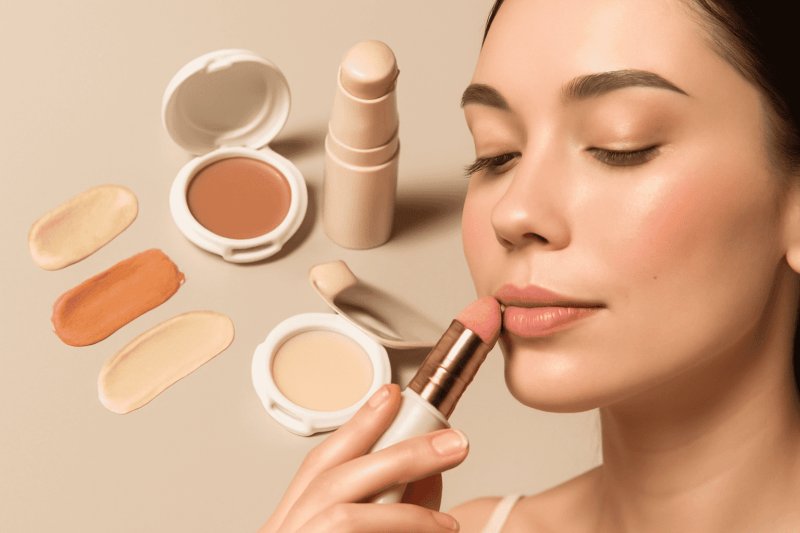
What makes a lip product halal-conscious?
A halal-conscious lip product is generally one that avoids ingredients and manufacturing concerns that conflict with Islamic dietary and lifestyle principles. The exact standard may vary depending on the brand, certifier, and the shopper’s level of caution, but most buyers are looking for a few core things.
Key qualities to prioritize
- No pork-derived ingredients or byproducts
- No alcohol ingredients that the buyer personally avoids in cosmetics
- No animal-derived ingredients from non-halal sources
- Clear ingredient transparency
- Preferably halal certification from a recognized body
- Cruelty-free or vegan status as an added plus, though not a substitute for halal review
For many consumers, third-party halal certification is the easiest shortcut. It does not remove the need to read labels, but it does reduce the guesswork.
Ingredients halal-conscious shoppers often review closely
Lip formulas can contain waxes, emollients, pigments, preservatives, and flavoring agents. Some of those ingredients deserve extra scrutiny.
Carmine
Carmine is a red pigment made from insects. Some halal-conscious shoppers avoid it, while others may assess it differently depending on their interpretation. If you want to play it safe, look for plant-based or synthetic red pigments instead.
Gelatin and collagen
These ingredients can come from animal sources. If the source is not clearly identified and certified, it may not fit a halal-conscious routine.
Glycerin and stearic acid
These are common in lip products and can be plant-derived or animal-derived. Source transparency matters.
Alcohol-based ingredients
This is one of the most discussed areas in halal beauty. Some shoppers avoid all forms of alcohol in cosmetics, while others distinguish between ingredient types and uses. If alcohol avoidance is important to you, scan the ingredient list carefully and stick with explicitly alcohol-free formulas.
How to shop smarter for halal-friendly lipstick, gloss, and balm
A pretty shade is not enough. The best halal-conscious lip product is one that combines formula safety, ingredient clarity, and practical performance.
1. Start with certified brands when possible
If a brand offers halal-certified lip products, that is usually the easiest place to begin. Certification can save time and help you avoid chasing ingredient suppliers one by one.
2. Check the full ingredient list
Do not rely only on front-label claims like “vegan,” “botanical,” or “ethical beauty.” Those claims may be useful, but the ingredient panel matters more.
3. Email the brand if the source is unclear
If ingredients like glycerin, flavoring, or color additives are vague, ask the company directly whether the ingredients are plant-derived and whether the product is halal-certified.
4. Choose simple formulas
The more complex the lip formula, the more room there is for unclear additives. Basic balms, oils, and satin lipsticks from transparent brands are often easier to evaluate.
5. Watch for long-wear claims
Some ultra-long-lasting lip formulas rely on solvent-heavy systems. If you are avoiding certain alcohol ingredients, these formulas may need extra scrutiny.
Best types of halal-conscious lip products to build a routine
If you are starting from scratch, focus on the categories you will actually wear.
Everyday tinted lip balm
A tinted balm is practical, comfortable, and usually easier to reapply. Look for formulas based on shea butter, cocoa butter, jojoba oil, sunflower oil, or castor oil.
Satin or cream lipstick
Cream lipsticks are a good middle ground between comfort and color payoff. They often work well for daily wear, gifting, and modest beauty routines.
Lip liner
A neutral liner can help define lips and improve wear time without needing a large collection of products.
Clear or lightly tinted gloss
Gloss can be useful for simple looks, gift bundles, or layering over a halal-friendly lipstick you already trust.
Common mistakes to avoid
Even careful shoppers can get tripped up by branding language.
Assuming vegan means halal
Vegan products avoid animal ingredients, but they are not automatically halal-certified and may still include other ingredients a halal-conscious shopper wants to avoid.
Trusting marketing more than labels
Words like “pure,” “clean,” or “conscious” are not regulated enough to replace real ingredient review.
Ignoring manufacturing questions
Some buyers also care about cross-contamination or shared manufacturing lines. If that matters to you, contact the brand directly.
FAQ
Are vegan lip products automatically halal?
No. Vegan and halal are not the same thing. Vegan means no animal-derived ingredients, while halal-conscious shoppers may also care about alcohol, sourcing, and certification.
Is halal certification necessary for lip products?
Not always, but it is the easiest way to shop with confidence. Without certification, you may need to do more ingredient and brand research yourself.
What is the safest halal-conscious lip product to start with?
A simple tinted balm or cream lipstick from a transparent brand is usually the easiest starting point.
Can I wear long-lasting lip products if I shop halal-conscious?
Yes, but check the ingredient list carefully. Some long-wear formulas contain ingredients that some halal-conscious buyers prefer to avoid.
Halal-conscious lip shopping gets much easier once you know what questions to ask. The goal is not perfection on day one. It is building a lip wardrobe that feels beautiful, wearable, and aligned with your standards.
Related Articles
- Halal-Conscious Complexion Products
- Pregnancy-Safer Lip Products: What to Look For in Balms, Tints, and Lipsticks
- Best Shimmer Lip Products 2026: What to Look for and Which Finishes Are Trending
- Fragrance Free Lip Products That Feel Good on Dry Sensitive Lips
- Rhode Style Shimmer Lip Dupes: How to Find the Look for Less
Sources
- IFANCA, Halal Certification 101 for Entrepreneurs
- INCIDecoder, Carmine (CI 75470)
- INCIDecoder, Gelatin
- INCIDecoder, Glycerin
- INCIDecoder, Stearic Acid
📚 Part of our Halal-Friendly Makeup Guide hub. Explore all our halal and Middle Eastern beauty guides.
Leave a Reply