
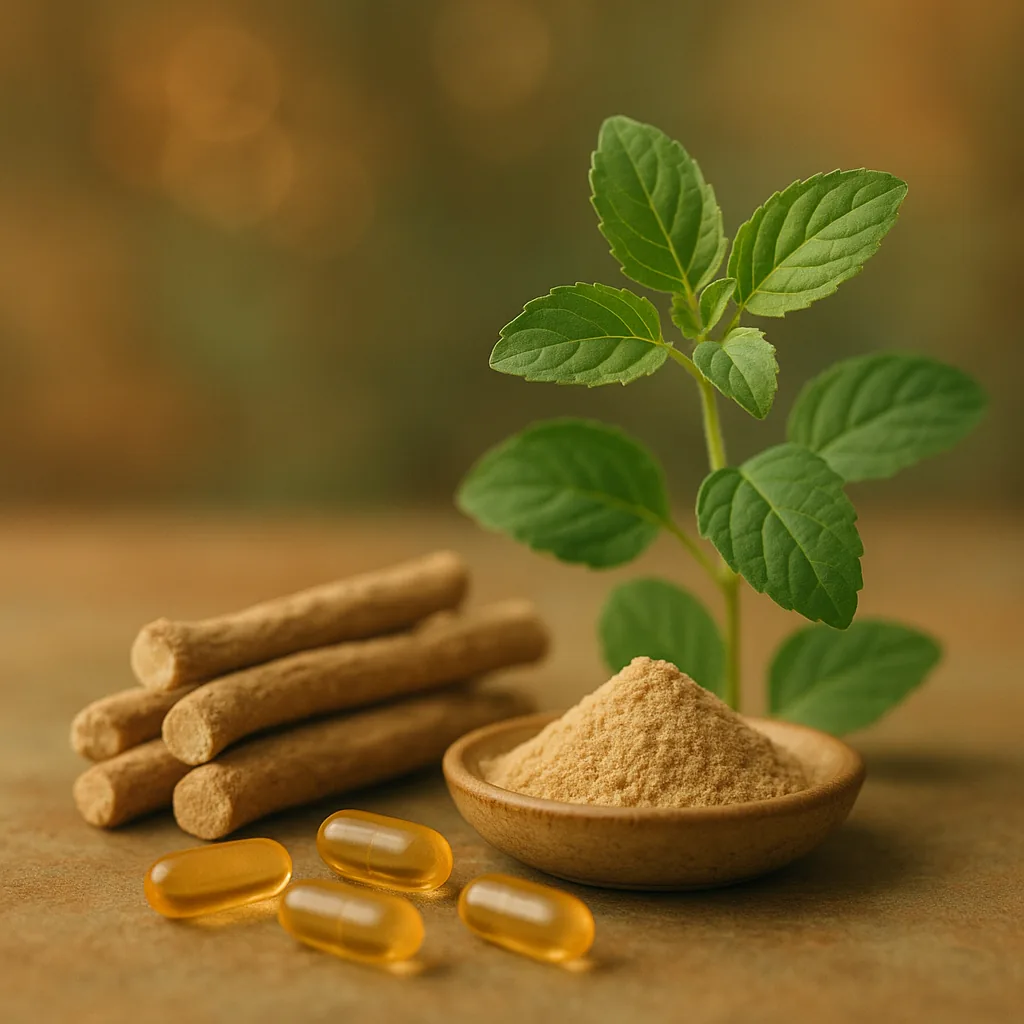
People who feel sleepy but cannot settle often blame “high cortisol at night.” Sometimes that is directionally right. Stress physiology, late-night work, poor blood sugar control, hard evening exercise, and chronic anxiety can all keep the nervous system too alert for easy sleep. But supplements that supposedly “lower cortisol” should be viewed carefully. You want better regulation, not a blunt hormonal crash.
Before adding a cortisol-lowering supplement, knowing your actual cortisol pattern matters. Our guide on how to test your cortisol levels explains the options and how to read results.
Quick Answer: Ashwagandha is the most evidence-supported supplement for reducing elevated nighttime cortisol. Phosphatidylserine, L-theanine, and magnesium glycinate also help regulate cortisol and the stress response, though with varying effect sizes. Evening timing is important—taking cortisol-lowering supplements in the morning may blunt the natural morning cortisol spike that provides energy.
Key Takeaways
- Ashwagandha (KSM-66 or Sensoril at 300–600 mg/day) shows 10–28% cortisol reduction in clinical trials.
- Phosphatidylserine blunts the HPA stress response and is GRAS-classified; doses of 400–800 mg have been studied.
- Magnesium glycinate supports HPA axis regulation and improves sleep in people with low magnesium status.
- L-theanine promotes alpha-wave brain activity and reduces physiological markers of stress.
- Evening or pre-bed dosing is preferred for cortisol-support supplements to align with the body’s natural cortisol rhythm.
What helps most when nighttime stress is high?
Ashwagandha
Ashwagandha is one of the better-supported options for stress reduction and may indirectly help normalize stress patterns that interfere with sleep. Some clinical trials have reported reductions in perceived stress and cortisol markers alongside better sleep outcomes.
L-theanine
L-theanine is not a classic adaptogen, but it is often used at night because it may promote relaxation without heavy sedation. Human data suggest it can support relaxation and subjective sleep quality in some groups, particularly when stress or anxious thinking is part of the problem.
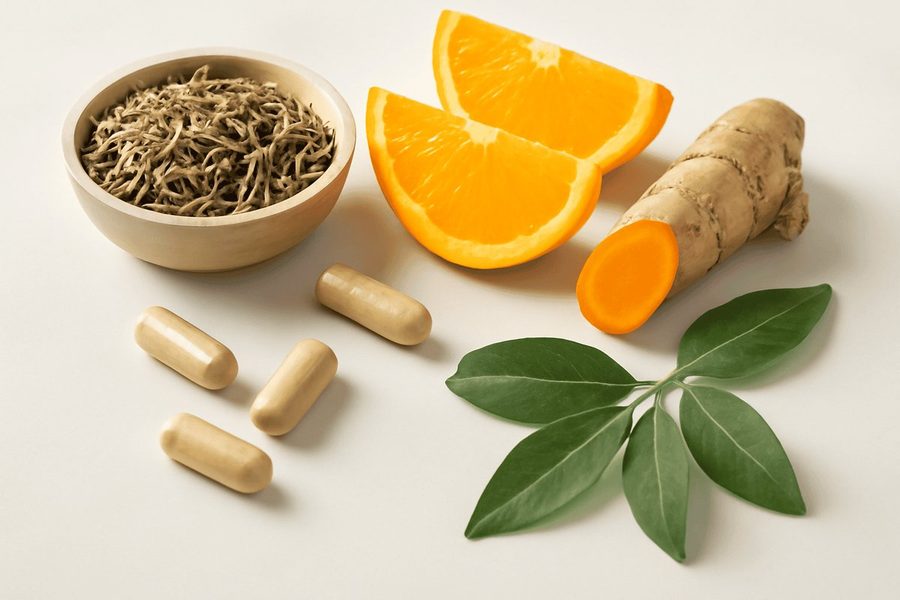
Magnesium
Magnesium is also not an adaptogen, yet it frequently belongs in this conversation. If someone is low in magnesium, repletion may help relaxation, muscle tension, and sleep quality. Evidence is mixed overall, but it is a more sensible nighttime add-on than many trendy cortisol products.
Phosphatidylserine and other specialty options
Some sports nutrition discussions mention phosphatidylserine for exercise-related cortisol management, but evidence is narrower and dosing can be costly. It is not usually the first place to start.
Supplements that are overhyped
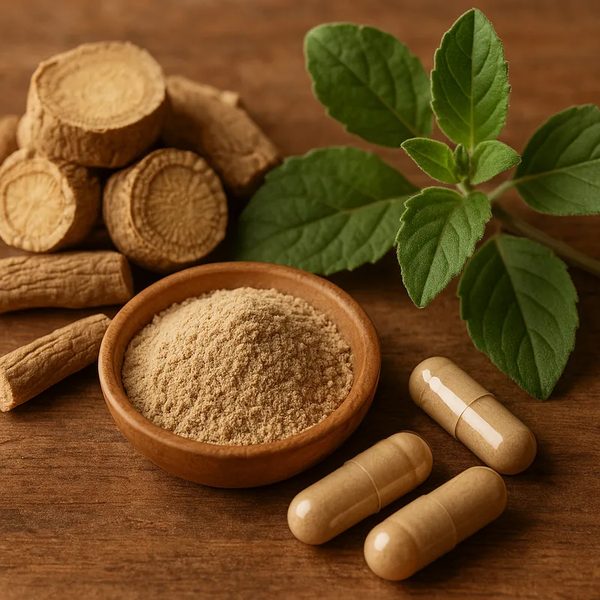
Many “cortisol blocker” formulas promise dramatic hormone control. That language is usually marketing, not physiology. Reliable sleep support is more likely to come from modest reductions in stress reactivity than from forcefully suppressing cortisol.
How to actually lower nighttime stress load
The most effective strategy is often behavioral:
- Stop caffeine early enough
- Avoid intense work right before bed
- Finish hard training earlier
- Keep blood sugar steadier with sane meal timing
- Dim lights and reduce stimulation
- Address sleep apnea, pain, or anxiety if present
Supplements should support this foundation, not replace it.
Should you test cortisol first?
Sometimes yes. Many people assume cortisol is the problem when the real issue is late caffeine, under-eating, alcohol, sleep apnea, or generalized anxiety. If symptoms are persistent, clinician-guided testing and a broader sleep workup can be more useful than guessing. Supplements make more sense when they are part of a plan rather than a substitute for diagnosis.
How to judge whether a supplement is helping
Use practical markers instead of marketing promises. Ask whether you are falling asleep faster, waking less often, feeling calmer in the evening, and functioning better the next day. If a product only makes you feel groggy or does nothing after a fair trial, it is probably not the right fit.
Who should be cautious?
- People on sedatives, thyroid medication, anticoagulants, or psychiatric medication
- People with autoimmune disease, pregnancy, or major liver concerns
- Anyone with severe insomnia, panic, or unexplained weight change
If symptoms are persistent, test assumptions before stacking pills. “High cortisol” is often guessed, not confirmed.
FAQ
What supplement lowers cortisol fastest at night?
There is no magic fast-acting cortisol eraser. Ashwagandha has some of the better evidence for stress support over time, but routine and timing matter more.
Is magnesium a cortisol-lowering supplement?
Not directly in the marketing sense, but it may support relaxation and sleep, especially if intake is inadequate.
Should I take multiple cortisol supplements together?
Usually no. Start simple, track results, and avoid overcomplicated stacks.
Sources
- Lopresti AL, et al. Ashwagandha extract and stress-related outcomes. Medicine (Baltimore). 2019.
- Salve J, et al. Ashwagandha in stress and insomnia. Cureus. 2019.
- Lyon MR, Kapoor MP, Juneja LR. Theanine and quality of sleep in boys with ADHD. Alternative Medicine Review. 2011.
- Abbasi B, et al. The effect of magnesium supplementation on primary insomnia in elderly subjects. Journal of Research in Medical Sciences. 2012.
- National Center for Complementary and Integrative Health. Ashwagandha: What You Need To Know.
Related Articles
- Best Supplements to Reduce Cortisol and Belly Fat in 2026: Evidence vs. Hype
- Best Supplements for Night Shift Energy That Wont Destroy Your Day Sleep
- Cortisol Modulation Supplements Beyond Ashwagandha
- Best Ashwagandha Supplements for Cortisol in 2026: What the Research Actually Shows
- Best Saffron Supplements in 2026: Mood, Cravings, and Sleep Support From a Surprisingly Legit Herb
Sources
- Night work, chronotype and cortisol at awakening in female hospital employees. Scientific reports. 2022. PMID: 35443768.
- Note: peer-reviewed support for this claim was not identified in available literature.
- Centella Asiatica in Dermatology (2014)
- Bakuchiol: Plant-Based Retinol
- Propolis Skincare for Acne

Leave a Reply