Quick Answer: Cool-toned bronzers that do not look orange have taupe, grayish, or rosy undertones instead of golden or yellow warmth – they create natural shadow and dimension on cool or neutral skin tones without the obvious fake-tan effect of warm bronzers.
If bronzer keeps turning orange on your skin, you are probably using a shade that is too warm, too red, or too deep for your undertone. The best cool-toned bronzers that do not look orange are usually muted beige-brown, taupe-bronze, or neutral-cool shades that mimic a natural shadow with a touch of warmth. They create definition without the fake-tan effect.
This guide explains how to find a cool-toned bronzer, who benefits most from one, and how to keep your bronzer looking natural.
Why Some Bronzers Turn Orange
A bronzer can look perfect in the pan and still go orange on the face. That usually happens for one of three reasons:
the undertone is too warm for your skin
the shade depth is too dark
the formula oxidizes or intensifies after application
Warm bronzers often contain strong orange, terracotta, or red pigments. On cool, neutral, fair, or olive skin, those tones can stand out in the wrong way.
What a Cool-Toned Bronzer Looks Like
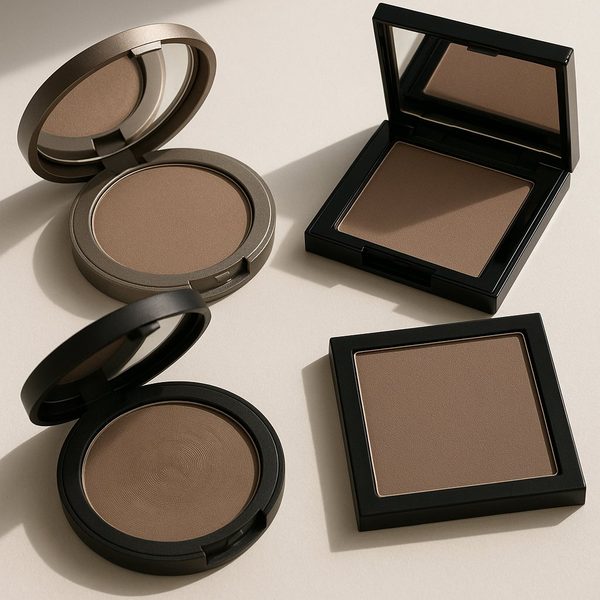
A cool-toned bronzer should not look flat gray like a contour product, but it should lean more muted than golden. Think soft taupe, beige-brown, or neutral ash-brown instead of pumpkin, brick, or copper.
Good undertone words to look for
When shopping, terms like these can help:
cool bronze
neutral bronze
taupe bronze
soft brown
beige tan
muted tan
Undertone words to be careful with
These descriptions are more likely to pull orange:
golden bronze
sun-kissed copper
terracotta
warm honey bronze
red-brown bronze
Who Should Try a Cool-Toned Bronzer?
Fair skin with pink undertones
Cool-toned bronzers often look much more believable on fair skin that burns easily or flushes pink. A strongly warm bronzer can overwhelm that complexion quickly.
Neutral skin that dislikes warmth
Even neutral skin can look off with overly golden bronzers. Many neutral undertones do best with balanced bronzers that add shape first and warmth second.
Olive skin that turns orange easily
Olive complexions often struggle with bronzers because too much red or orange clashes with the natural green-gray cast in the skin. Muted bronzers usually look more seamless.
Cool-Toned Bronzer vs Contour
This is where people get confused. Cool-toned bronzer is not the same as contour. Contour is meant to imitate shadow, so it is typically more gray. Bronzer still needs some warmth, even when it is cool-toned.
A good cool-toned bronzer sits in the middle:
less warm than traditional bronzer
less gray than contour
natural enough to add dimension without looking muddy
If your bronzer looks dirty instead of orange, it may actually be too gray and functioning more like a contour.
How to Choose the Right Cool-Toned Bronzer
Match depth to your skin tone
The undertone matters, but so does shade depth. A cool bronzer that is too deep can still look heavy. Choose a shade that is only modestly deeper than your natural skin.
Test it next to your jaw or forehead
These areas often give a more realistic preview than the inner arm. You want the shade to add soft warmth, not a visible color block.
Prefer buildable formulas
A sheer or buildable bronzer is easier to control. This helps prevent both orange and muddy application.
How to Apply Cool-Toned Bronzer Without Looking Flat
Use a fluffy brush
Because cool-toned bronzers have less obvious warmth, blending is key. A fluffy brush keeps the effect soft and airy.
Place it on the high points of the face
Apply bronzer where the sun would naturally hit:
temples
upper forehead
cheek perimeter
outer jawline
This keeps the result looking like natural warmth rather than contour.
Add blush if needed
Some cool-toned bronzers can read very understated on the skin. A soft blush can bring life back into the complexion and keep the overall look fresh.
Best Finish for a Natural Result
Soft matte or satin finishes are usually the safest. Very luminous bronzers can highlight texture, while ultra-flat powders can look dry if not blended well. A suede-like finish often works beautifully because it blurs and warms the skin at the same time.
FAQ: Cool-Toned Bronzers That Do Not Look Orange
What bronzer undertone avoids orange?
Neutral and cool-toned bronzers are the best choice if you want to avoid orange. Look for beige-brown or taupe-bronze shades instead of golden or terracotta tones.
Are cool-toned bronzers better for fair skin?
Often yes. Fair skin, especially with pink undertones, usually looks more natural with softly cool or neutral bronzers.
Can olive skin wear cool-toned bronzer?
Yes. Olive skin often benefits from muted bronzers because strong orange tones can clash with its undertone.
Is a cool-toned bronzer the same as contour?
No. Cool-toned bronzer still adds warmth, while contour is more gray and designed to imitate shadow.
The Undertone Problem With Most Bronzers
The majority of bronzers on the market are formulated with warm, golden, or orange-adjacent undertones. This formulation bias creates a problem for people with cool, pink-based, or neutral skin tones: when a warm bronzer is applied to cool skin, the skin does not just look “tanned” – it looks artificially warm in a way that clashes with the rest of the face. A cool-toned bronzer addresses this by adding depth without adding warmth.
What Cool-Toned Bronzers Look Like
Gray or ash mixed into the brown base (taupe or cool brown)
A rosy or mauve tint (rose-brown or plum-brown)
No visible yellow or orange when swatched against white
Described as “smoky,” “cool,” “ash,” or “neutral” on the packaging
Against your skin, a cool bronzer should look like a natural deepening or shadow – like your skin is in shade – rather than like you applied warmth.
How to Apply a Cool-Toned Bronzer Naturally
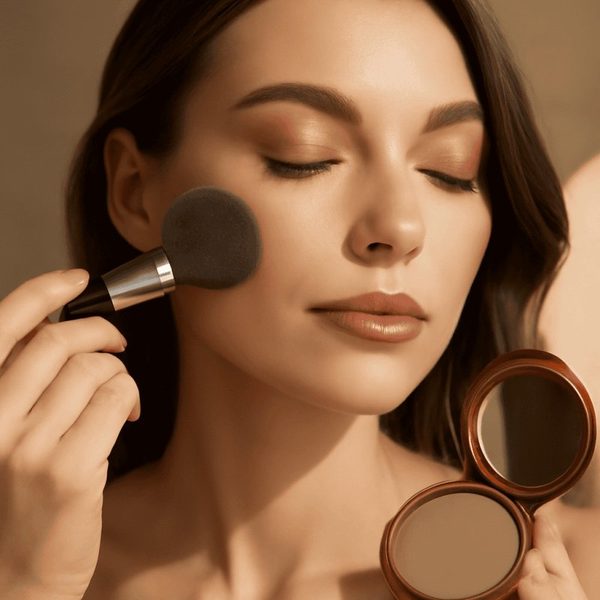
Use a large, dome-shaped fluffy brush and tap off excess before applying
Start at the outer cheek area and sweep upward and outward – not inward toward the nose
Apply lightly at the temples and very lightly on the forehead if desired
Blend any harsh edges immediately with a clean fluffy brush
Pair with a warm or neutral blush to balance the coolness – a cool bronzer without any warmth elsewhere can read too flat or sallow
Key Takeaways
Cool-toned bronzers work by mimicking natural shadow rather than sun warmth – they add depth without adding yellow or orange to the skin.
Look for bronzer shades described as taupe, grayish-brown, mauve-brown, or rose-brown – these terms indicate cool undertones.
Cool bronzers work especially well on cool and neutral skin tones; warm-undertone skin often looks better with neutral bronzers than truly cool ones.
These bronzers are particularly useful for contouring purposes since they recede and shadow without pulling warm.
In photographs, cool-toned bronzers often read more naturally than warm ones, which can look orange or flat under certain camera settings.