Best Apigenin Supplements for Calm Sleep in 2026
Apigenin became a sleep-supplement darling for one simple reason: it promises something people want badly — calmer evenings and better sleep without next-day sedation.
That promise is not crazy. Apigenin is a flavonoid found in chamomile, parsley, celery, and other plants, and it appears to interact with pathways involved in calming, neuroinflammation, and GABA-related signaling. But if you want the grounded answer, here it is:
Apigenin is promising for sleep support, but the direct human evidence on isolated apigenin is still limited. Much of the practical case comes from chamomile research, mechanistic work, and widespread real-world use in sleep stacks.
In other words, apigenin is interesting — just do not treat it like a proven replacement for CBT-I, magnesium, or fixing your late-night screen habits.
What Is Apigenin?
Apigenin is a naturally occurring flavone best known as one of the major active compounds in chamomile. It is often used in sleep formulas because preclinical research suggests it may:
- Support GABAergic calming activity
- Help reduce stress-related hyperarousal
- Provide antioxidant and anti-inflammatory effects
- Potentially support healthy aging pathways alongside sleep quality
That last point is part of why apigenin is popular in both sleep and longevity communities.
What the Evidence Actually Says
Chamomile Research Is the Strongest Human Clue
The best human evidence is not a giant stack of isolated-apigenin trials. It is the broader literature on standardized chamomile extract, which contains apigenin among other compounds.
A 2011 randomized placebo-controlled pilot study by Zick et al. examined chamomile extract in adults with chronic primary insomnia. The results were modest rather than dramatic, but they did suggest a favorable safety profile and possible improvement in some daytime-function measures.
A more recent 2024 review in Aging Cell described apigenin as a molecule at the intersection of sleep and aging, summarizing mechanistic and early human relevance while also emphasizing that more clinical trials are needed.
Why People Still Use It
Despite limited direct trial data, apigenin remains popular because it fills a useful niche:
- calmer bedtime without melatonin dependence
- stackable with magnesium, theanine, or glycine
- often less “druggy” feeling than stronger sleep aids
That does not prove efficacy, but it explains why the ingredient has stuck around.
Who Is Apigenin Best For?
People Who Feel Tired but Mentally Alert at Night
If your problem is not sleep drive but mental overactivation, apigenin makes more sense than a blunt sedative.
People Who Want to Reduce Their Reliance on Melatonin
Many people do well using apigenin as part of a broader calming stack instead of escalating melatonin doses.
People Building a Gentle Sleep Stack
Apigenin is usually not the whole answer. It works best as part of a system.
Best Apigenin Supplements to Look For
Best Overall: Standalone apigenin capsules with a clearly stated dose
The best products tell you the exact milligrams of apigenin per capsule and avoid proprietary bedtime blends.
Best for: buyers who want full control over dose and stacking.
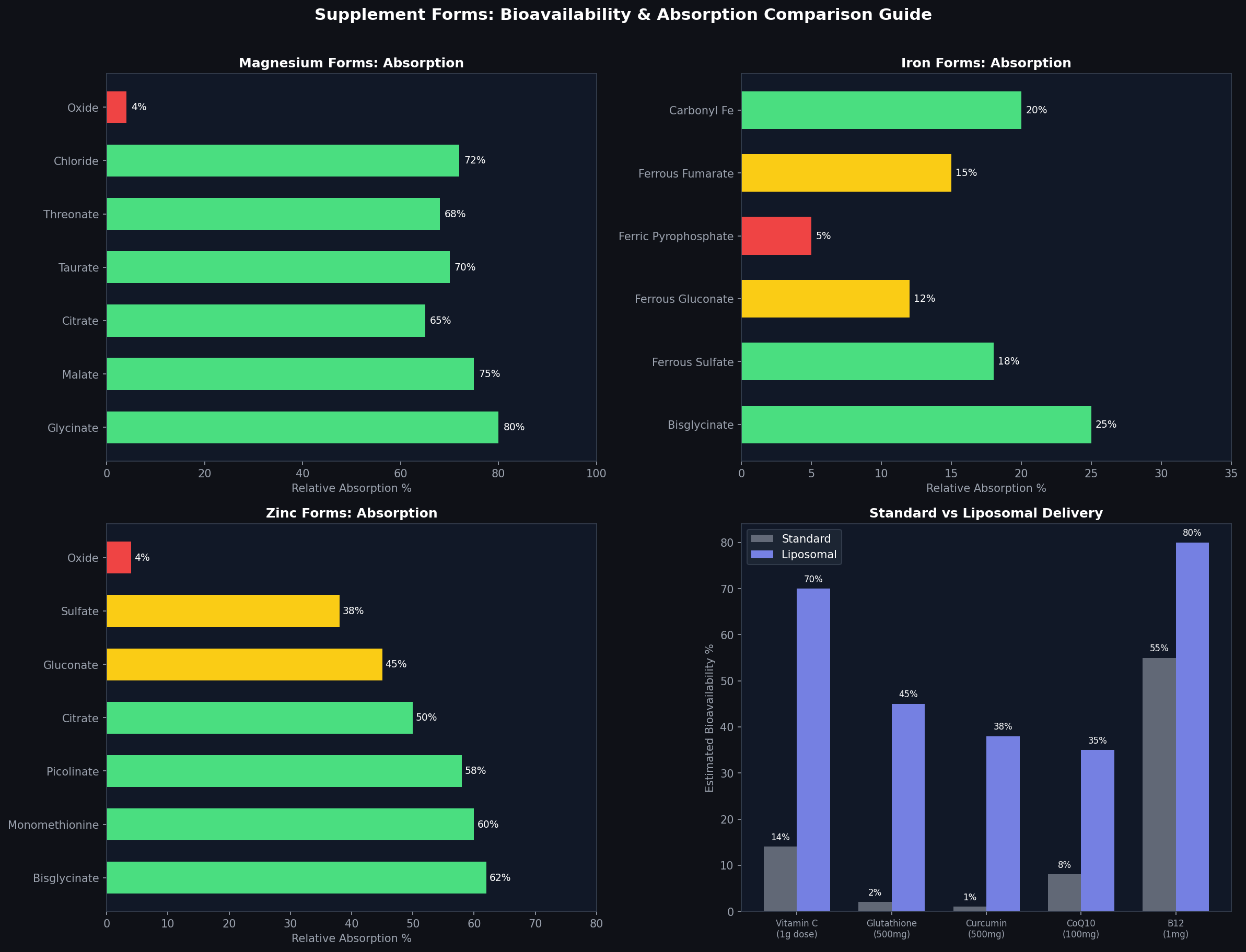
Best Combined Formula: Apigenin + magnesium glycinate + L-theanine
This is a strong “gentle but effective” style of stack because each ingredient works through a slightly different pathway.
Best for: people who want an all-in-one evening formula.
Best Budget Alternative: Standardized chamomile extract
If you are skeptical about standalone apigenin pricing, a quality chamomile extract is a fair alternative.
Best for: cautious users who prefer a more traditional option.
How to Dose Apigenin for Sleep
Most standalone supplements land around 25-50 mg, while some sleep-stack enthusiasts use 50-100 mg. Starting lower is the smart move.
A practical approach:
- Start: 25-50 mg, 30-60 minutes before bed
- Pair with: magnesium glycinate, glycine, or L-theanine if needed
- Assess over: 1-2 weeks of consistent use
Because formal human dose-finding research is still limited, more is not automatically better.
Best Apigenin Sleep Stack
Gentle stack for stress-driven sleeplessness
- Apigenin: 25-50 mg
- Magnesium glycinate: 200-400 mg
- L-theanine: 100-200 mg
For people who wake in the night
- Apigenin: 50 mg
- Glycine: 3 grams
- Magnesium glycinate: 200-300 mg
This style of stack usually feels smoother than relying on high-dose melatonin or sedating antihistamines.
Apigenin vs Melatonin
Melatonin
- Better for circadian issues and jet lag
- Can help with sleep onset
- More likely to cause vivid dreams or next-day weirdness in some people
Apigenin
- Better suited for calming the nervous system
- Often used for stress-related sleep trouble
- Usually subtler and less clock-shifting than melatonin
If your bedtime is fine but your brain will not shut up, apigenin often makes more sense than just taking more melatonin.
Side Effects and Safety
Apigenin is usually well tolerated, but possible issues include:
- Morning grogginess at higher doses
- GI upset in sensitive users
- Additive sedation when combined with other calming supplements or medications
Talk with a clinician if you take sedatives, anti-anxiety medications, or have a condition requiring careful supplement review.
FAQ
Does apigenin really help sleep?
It may help some people, especially when sleep issues are tied to stress or bedtime overactivation. The direct human evidence is still limited, but chamomile research and mechanistic data make it a reasonable option.
How much apigenin should I take for sleep?
A common starting range is 25-50 mg before bed. Some users take more, but there is not strong evidence that higher doses work better.
Is apigenin better than melatonin?
Not necessarily. Melatonin is better for circadian timing problems. Apigenin may be better for people who feel mentally wired at bedtime.
Can I take apigenin every night?
Many people do, and it appears generally well tolerated. Still, it is wise to reassess regularly and avoid turning any sleep aid into a crutch.
What supplement stacks well with apigenin?
Magnesium glycinate, L-theanine, and glycine are the most common partners.
Sources
- Synergistic sleep-promoting effects of magnesium and apigenin in normal and insomnia mouse models. Food & function. 2026. PMID: 41701207.
- Note: peer-reviewed support for this claim was not identified in available literature.
- Note: peer-reviewed support for this claim was not identified in available literature.
- Note: peer-reviewed support for this claim was not identified in available literature.
- Taurine and Aging (2023)
Key Takeaways
- It may help some people, especially when sleep issues are tied to stress or bedtime overactivation.
- A common starting range is 25-50 mg before bed.
- Many people do, and it appears generally well tolerated.
- Magnesium glycinate, L-theanine, and glycine are the most common partners.
This article is for informational purposes only and does not constitute medical advice. Consult your healthcare provider before starting any new supplement regimen.
Premium Supplement Pick
Independently tested, science-backed formula from a trusted brand.
- Third-party purity verified
- Clinically studied ingredients
- Transparent label, no proprietary blends
This is an editorial recommendation, not a sponsored placement.
Related Articles
- Best Saffron Supplements in 2026: Mood, Cravings, and Sleep Support From a Surprisingly Legit Herb
- Best Magnesium Supplements in 2026: Sleep, Cramps, Stress, and Constipation Uses Compared
- Best Psychobiotic Supplements in 2026: Gut-Brain Support for Stress, Mood, and Sleep
- Best Menopause Supplements in 2026: Evidence-Based Relief for Hot Flashes, Sleep, and Mood
- Best Supplements for Insulin Sensitivity in 2026: What Actually Improves How Your Body Responds to Insulin
📚 Part of our Best Supplements for Anxiety hub. Explore all our anxiety and calming supplement guides.