Best Setting Powder for Under Eyes
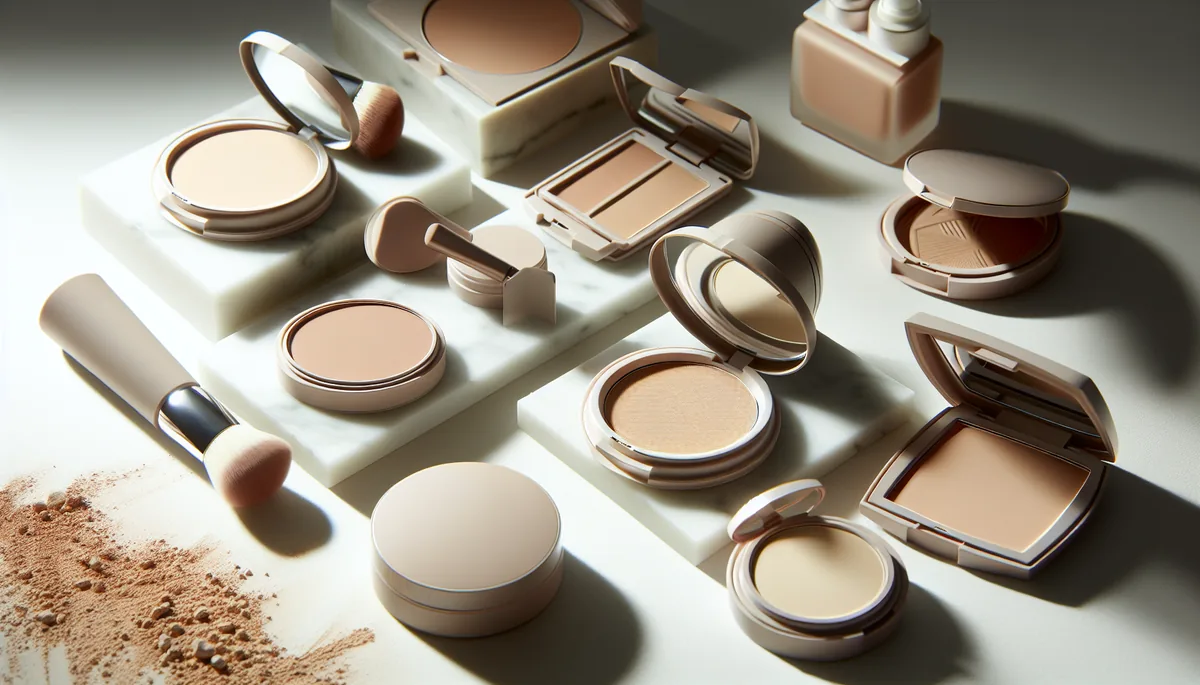
Quick Answer: The best setting powders for under the eyes are finely milled and translucent, applied sparingly with a damp sponge or small fluffy brush — the key is preventing concealer creasing without emphasizing fine lines or dryness.
The best setting powder for under eyes is usually a finely milled, lightweight formula that blurs without making the area look dry or heavy. Because the under-eye area is thinner and more expressive than the rest of the face, powders that work well on the T-zone can look chalky, crepey, or aging under the eyes. The goal is not maximum mattifying. The goal is controlled setting, smooth texture, and a natural finish.
If you deal with concealer creasing by midday, the answer is rarely “more powder.” It is choosing a powder with the right texture and using much less of it.
What Makes a Setting Powder Good for Under Eyes?
A good under-eye powder should do three things:
- Lock concealer in place
- Reduce shine without flattening the skin
- Blur fine lines instead of collecting in them
Look for a Fine, Lightweight Texture
Finely milled powder matters more than hype. Larger or heavier particles tend to sit on top of the skin and emphasize texture. A soft, airy formula spreads more evenly and is easier to control with a small brush or puff.
Choose a Natural or Soft-Matte Finish
An ultra-flat matte finish can make the under-eye area look dry fast. A soft-matte or natural finish usually looks fresher and less mask-like, especially on mature, dry, or normal skin.
Avoid Powders That Feel Heavy or Overtly Chalky
If a powder looks thick on your fingertip, it will probably look thicker under your eyes. Overly absorbent formulas can also grab onto dry patches and make concealer separate.
Best Powder Types for Under-Eye Setting
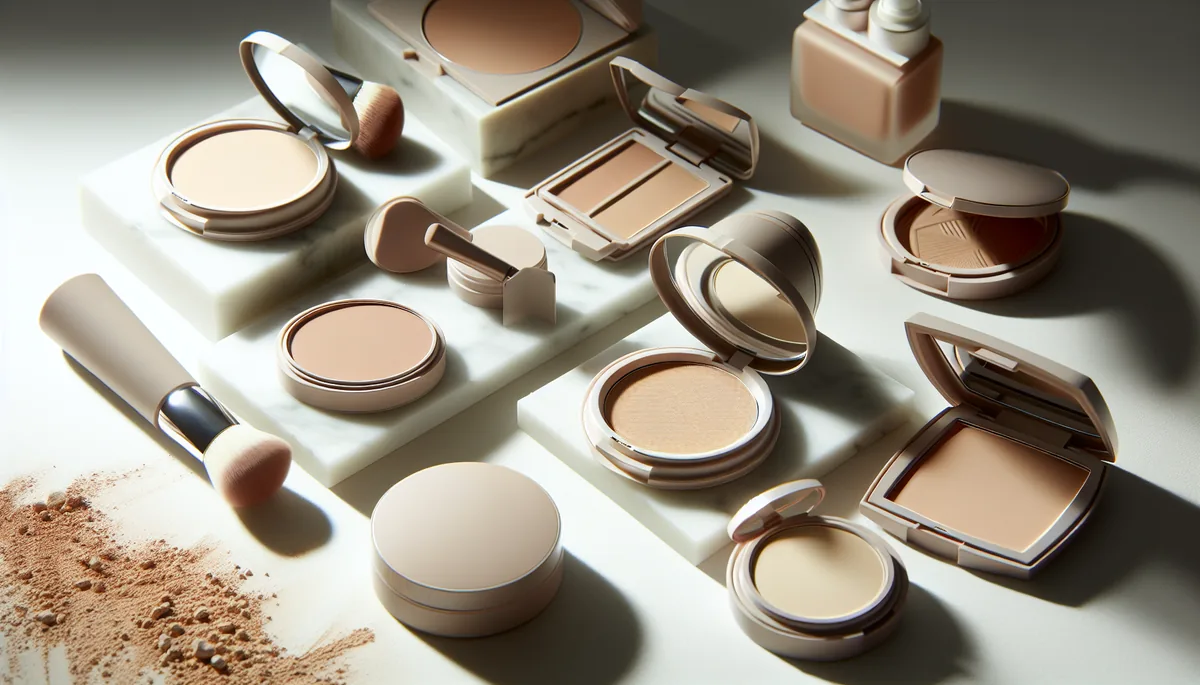
Not every powder texture performs the same under the eyes.
Loose Powder
Loose powder is often the top choice because it is usually more finely milled and easier to apply in a very light veil. It works well when you want a seamless, blurred finish.
Pressed Powder
Pressed powder can work under the eyes too, especially for touch-ups, but it needs to be very smooth and lightweight. Some pressed formulas carry more binders, which can make them slightly heavier than loose versions.
Tinted vs. Translucent Powder
- Translucent powder works well if your concealer shade is already right.
- Lightly tinted powder can add a little extra brightening or tone correction.
The main caution is flashback and over-brightening. A powder that is too white can make the under-eye area look ashy in person or in photos.
How to Pick the Right Powder for Your Skin Type
For Dry or Mature Under Eyes
Choose a very light loose powder with a natural finish. Use minimal product and prep the area well with moisturizer or eye cream before concealer.
For Oily Skin or Long-Wear Needs
Pick a soft-matte powder that still feels thin. You need oil control, but the under-eye area still cannot handle the same amount of powder as the forehead or nose.
For Textured or Crease-Prone Under Eyes
Prioritize blur over hold. A smoothing formula paired with a tiny amount of product usually performs better than a heavy-duty powder meant for baking.
How to Apply Under-Eye Powder So It Actually Looks Good
Technique matters as much as the formula.
1. Let Concealer Settle First
Blend concealer, then give it a moment. If it immediately settles into lines, smooth it again before powdering.
2. Use a Small Brush or Mini Puff
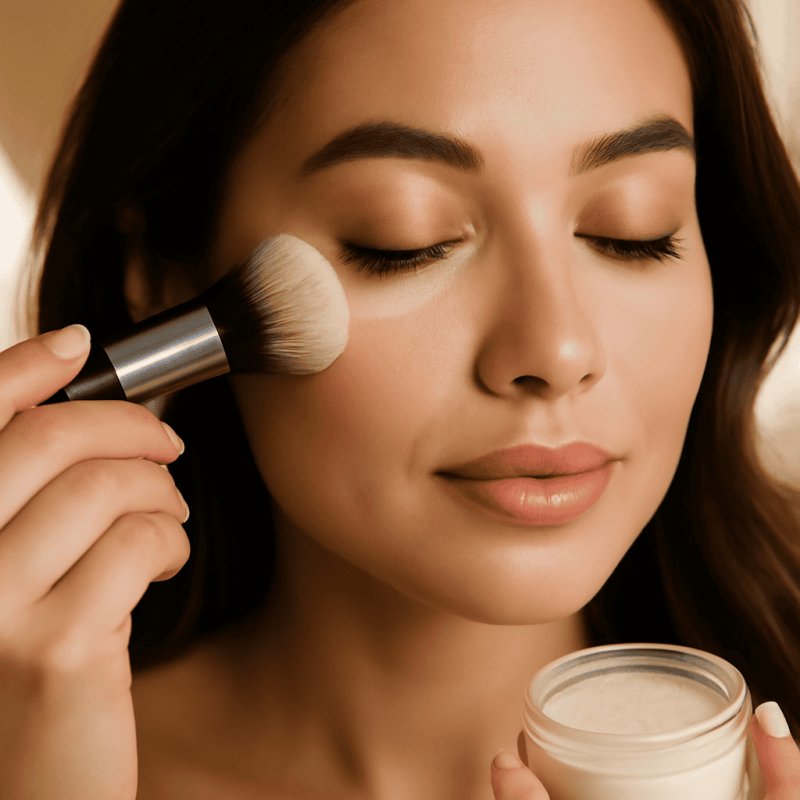
A fluffy eye brush gives the lightest result. A mini puff gives more hold. Either way, use far less product than most tutorials suggest.
3. Press, Don’t Sweep Aggressively
Pressing helps the powder melt into the concealer. Aggressive swiping can move product around and create patchiness.
4. Remove Excess
Tap off extra powder before it touches the skin. One thin layer almost always looks better than trying to correct over-powdering later.
Common Mistakes That Make Under Eyes Look Worse
Using Too Much Powder
This is the biggest one. More powder does not equal less creasing. Usually it equals more texture.
Baking the Under Eyes by Default
Full baking can still work for some glam looks, but for everyday makeup it often looks dated, dry, or too heavy. A light set is usually more flattering.
Ignoring Skin Prep
Powder cannot fix dry under-eyes. If the area is dehydrated, texture will show no matter how expensive the product is.
Key Takeaways
- Under-eye skin is thin, prone to dryness, and shows fine lines more readily — using less powder is almost always better here.
- Finely milled translucent or lavender-toned powders work best under the eyes; banana powder works for warmer skin tones but can look too yellow on fair skin.
- A damp sponge technique applies powder more thinly and evenly than a dry brush, reducing the chance of visible texture.
- Setting powder should go over fully set (not fresh) concealer — give your concealer 30-60 seconds to set before applying powder.
- Baking under the eyes looks heavy in real life even if it photographs well; a lighter set typically wears better throughout the day.
Why Under-Eye Setting Is Different From the Rest of the Face
The under-eye area behaves differently: the skin is thinner with fewer oil glands (meaning it dries faster), it moves constantly with expressions, and it sits in a concave area where product naturally creases. Many people apply as much powder under the eyes as they do elsewhere, then wonder why their concealer cakes by noon. The problem is almost always too much product, not the wrong product.
Related: Baking vs Light Setting: What Works Now for Smooth, Modern Makeup?
Choosing the Right Formula
- Ultra-finely milled: Coarser particles settle into fine lines. HD or micro-fine formulas sit on top of skin rather than collecting in creases.
- No shimmer or glitter: While a little reflection can brighten, loose shimmer particles can emphasize texture.
- Translucent or color-correcting tones: Lavender-toned powders brighten naturally. Banana powders warm up darker under-eye circles. Pure white powders can cast an ashy look, particularly in photographs.
Step-by-Step Under-Eye Setting Application
- Apply concealer and blend thoroughly. Let it set for 30-60 seconds.
- Lightly dampen a small beauty sponge or use a small fluffy powder brush.
- Pick up a small amount of loose translucent powder — less than you think you need.
- Press gently under the eye from the inner corner outward. Do not drag or sweep.
- Allow to sit for 1-2 minutes for a slight setting effect.
- Dust away excess with a clean fluffy brush using a light downward motion.
Common Mistakes
- Using too much powder — the number one cause of cakey, creased under-eye makeup.
- Sweeping instead of pressing — sweeping motions disturb concealer.
- Setting immediately after applying concealer — give it time to adhere.
- Skipping moisturizer — dry under-eye skin shows powder texture immediately.
FAQ
What is the best setting powder for under eyes?
The best setting powder for under eyes is a finely milled, lightweight loose or pressed powder with a soft-matte or natural finish that prevents concealer from creasing without making the area look dry.
Is loose powder or pressed powder better for under eyes?
Loose powder is often better because it tends to be lighter and more finely milled, but a smooth pressed powder can work well for travel and quick touch-ups.
Should you bake under your eyes?
Usually no for everyday wear. A light dusting or gentle press of powder looks more modern and is less likely to emphasize lines or dryness.
Why does powder make my under eyes look older?
Usually because the formula is too dry, too heavy, too matte, or you are using too much. Inadequate skin prep can also make the area look crepey.
Sources
- U.S. Food and Drug Administration. Cosmetics labeling guide.
- Environmental Working Group. Skin Deep cosmetic ingredient safety database.
- European Commission. CosIng: cosmetic ingredient database.
- Reviews on talc in cosmetics and safety considerations. PubMed search.
- Reviews on silica in cosmetic powders and safety. PubMed search.
Related Articles
- Loose Powder vs Pressed Powder
- Best Powders for Oily Skin Without Cakiness
- Baking vs Light Setting for Modern Makeup
- Face Sculpting for Round Faces
- Best Vegan Concealers for Dry Skin
📚 Part of our Best Setting Powders & Sculpting hub. Explore all our powder and sculpting guides.
Leave a Reply