Baking vs Light Setting for Modern Makeup
Quick Answer: Baking — pressing heavy powder under the eyes and letting it sit — is largely out of style for everyday wear; modern technique favors light setting with a small fluffy brush or damp sponge to control shine while keeping skin looking fresh and natural.
Baking vs light setting is really a question of finish, texture, and how much product your skin can realistically carry. In current makeup trends, light setting works better for most people most of the time. It gives enough hold to lock in concealer and foundation while keeping the skin fresher, less dry-looking, and more modern. Baking still has a place, but it is no longer the default best practice for everyday makeup.
If your makeup goals are smooth skin, natural dimension, and fewer visible layers, light setting usually wins.
What Is Baking in Makeup?
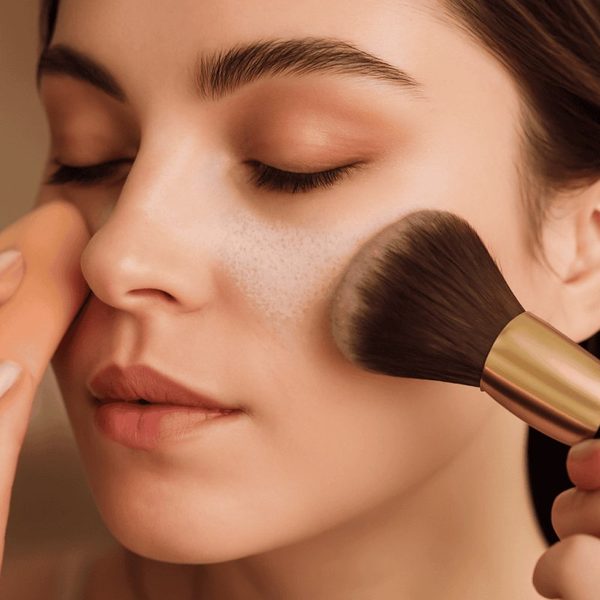
Baking means applying a heavier layer of loose powder over areas like the under-eyes, sides of the nose, or center of the face, letting it sit for a few minutes, then brushing away the excess.
The technique became popular because it could create:
- Extra-long wear
- Strong brightening
- Sharper contrast under contour
- A very matte finish for photos or full glam looks
The downside is that it also creates more product buildup.
What Is Light Setting?
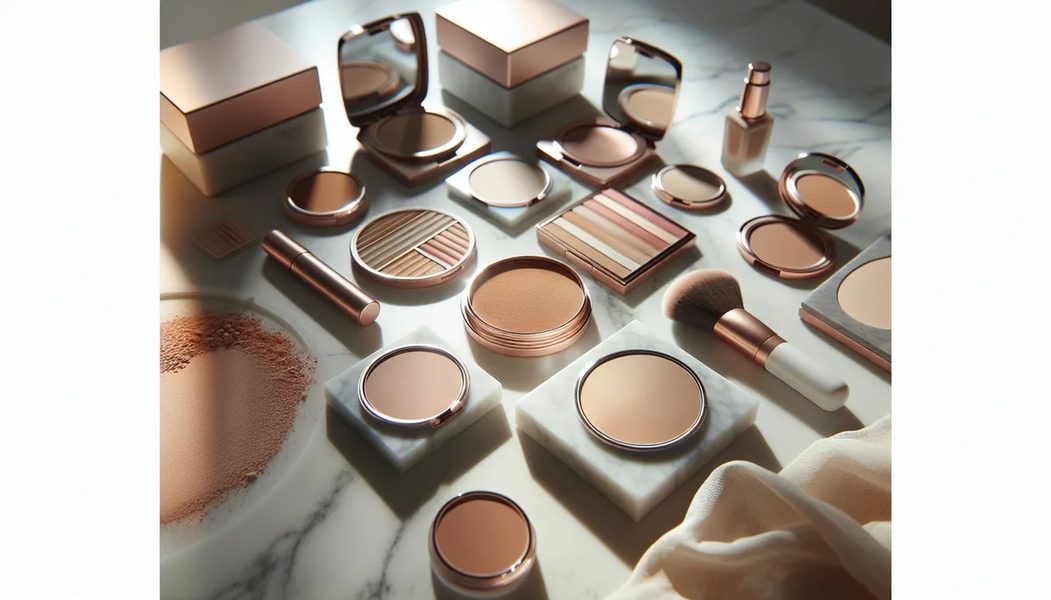
Light setting means using a small amount of powder exactly where it is needed, usually pressed or dusted into concealer, the T-zone, or other areas prone to movement or shine.
Instead of loading on powder and waiting, light setting focuses on minimal product and precise placement.
Why Light Setting Works Better for Most Makeup Today
It Looks More Skin-Like
Modern makeup tends to favor real-skin texture over fully masked skin. Light setting keeps that effect intact.
It Reduces Dryness and Creasing
Heavy powder can exaggerate fine lines, especially under the eyes. A light set usually gives enough control without making the area look older.
It Layers Better With Cream Products
Current makeup routines often mix creams, liquids, and strategic powder. Light setting fits better with that softer approach.
When Baking Still Makes Sense
Baking is not dead. It is just more situational now.
For Full Glam or Event Makeup
If you need dramatic brightness, stronger structure, or longer wear under lights, baking can still be useful.
For Very Oily Areas
Some people use a mini-bake around the nose or center forehead where makeup breaks down fastest.
For Stage, Video, or Photography
Heavier powder application can help under intense lighting, though camera technology and modern formulas have reduced the need for extreme baking.
When Baking Usually Backfires
Under Dry or Mature Eyes
This is the classic fail point. The more expressive or dehydrated the under-eye area is, the worse heavy baking tends to look.
For Everyday Natural Makeup
If your goal is fresh, effortless makeup, baking often adds a level of heaviness that fights the whole look.
When Your Base Is Already Full Coverage
A full-coverage base plus heavy powder can quickly cross into cakey territory.
How to Light Set Makeup Properly
1. Use Less Than You Think
Most people need less powder than social media taught them.
2. Apply Only Where Movement or Oil Happens
Set concealer, the T-zone, smile-line areas if needed, and any spot where makeup tends to shift.
3. Match the Tool to the Area
Use a small puff for targeted hold and a fluffy brush for a softer finish.
4. Keep the Rest of the Skin Flexible
Not every area needs the same level of mattifying. Leaving some areas less powdered can make the whole face look healthier.
Baking vs Light Setting by Skin Type
Oily Skin
Light setting is still usually the first choice, but selective baking can help in breakout shine zones.
Dry Skin
Light setting is almost always better. Dry skin rarely benefits from heavy powder.
Combination Skin
A hybrid approach works well: light set everywhere needed, with extra powder only in targeted oily areas.
The Best Current Approach
For most people, the best answer is not “never bake” or “always bake.” It is using the least amount of powder needed for the result you want.
That usually means:
- Light setting for daily makeup
- Selective extra powder only where needed
- Baking reserved for glam, events, or specific performance needs
Key Takeaways
- Traditional baking used a thick layer of powder left 5-10 minutes to set heavy coverage; it works but can look cakey on mature or dry skin.
- Light setting applies just enough powder to control oil and set concealer — usually with a damp beauty sponge or fluffy brush for a more natural finish.
- Loose translucent powder is the most versatile option for both techniques; pressed powder is better for touch-ups.
- Under the eyes, a damp sponge application of finely milled translucent powder sets concealer without emphasizing fine lines.
- Baking still has a place for stage, performance, or camera work where longevity matters more than a natural appearance.
What Is Baking and Where Did It Come From?
Baking is a makeup setting technique popularized in the drag and performance community, involving a thick amount of loose setting powder applied to freshly applied concealer — usually under the eyes, along the nose, and chin — and left in place for 5-10 minutes. Body heat “bakes” the powder into the foundation and concealer beneath, setting everything firmly. The original use case was stage lighting and camera flashes where longevity was paramount.
Why Light Setting Has Largely Replaced Baking
The clean, skin-like finish that dominates current makeup trends is almost impossible to achieve with baking. A heavy layer of powder under the eyes tends to collect in fine lines as the day progresses. On mature skin this effect is even more pronounced. Light setting — a quick press with a damp beauty sponge lightly loaded with translucent powder, or a fluffy brush used in a pressing motion — provides enough hold to prevent concealer from creasing without overloading the skin.
How to Get the Best Results From Light Setting
- Damp sponge method: Dampen a beauty sponge slightly, tap off excess water, then press lightly into translucent powder and dab under the eyes. The moisture helps powder adhere evenly for a more skin-like finish.
- Fluffy brush press: Load a small fluffy brush lightly and press (do not sweep) under the eyes. Pressing prevents fallout into lash lines and minimizes disturbance to the concealer beneath.
- Selective baking: Use a full baking technique only on the forehead and chin where skin is oilier. Use the light method under the eyes.
Which Setting Powder Formula Works Best
Finely milled loose translucent powder is ideal for light setting under the eyes. Banana powder (a warm-toned yellow) is traditionally used for baking because its warmth cancels out the grayish cast that heavy white powders can leave. HD or “invisible” powders contain silica microspheres that diffuse light and work especially well for photographs and video.
FAQ
Is baking makeup outdated?
Not completely, but it is no longer the best default technique for most everyday makeup. Light setting is more current and usually more flattering.
What is the difference between baking and setting powder normally?
Baking uses a heavier layer of powder left on the skin briefly before brushing away excess, while normal light setting uses a small amount of powder placed only where needed.
Is baking better for oily skin?
Sometimes in targeted areas, but not always across the whole face. Many oily-skin routines perform better with strategic light setting and blotting.
Why does light setting look better now?
Because it preserves skin texture, reduces cakiness, and fits modern makeup preferences for a fresher, less over-powdered finish.
Related Articles
- Best Heat-Proof Setting Sprays: What Actually Holds Makeup in Hot Weather
- Hypoallergenic Eye Makeup That Actually Works
- Best Invisible Pimple Patches Under Makeup: What to Look for for a Smooth Finish
- Best Fungal Acne Safe Primers for Smooth Long Wear Makeup
- Best Makeup for Sensitive Skin: A Gentle Routine That Actually Works
Sources
- U.S. Food and Drug Administration. Cosmetics labeling guide.
- Environmental Working Group. Skin Deep cosmetic ingredient safety database.
- European Commission. CosIng: cosmetic ingredient database.
- Reviews on talc in cosmetics and safety considerations. PubMed search.
- Reviews on silica in cosmetic powders and safety. PubMed search.
📚 Part of our Best Setting Powders & Sculpting hub. Explore all our powder and sculpting guides.