
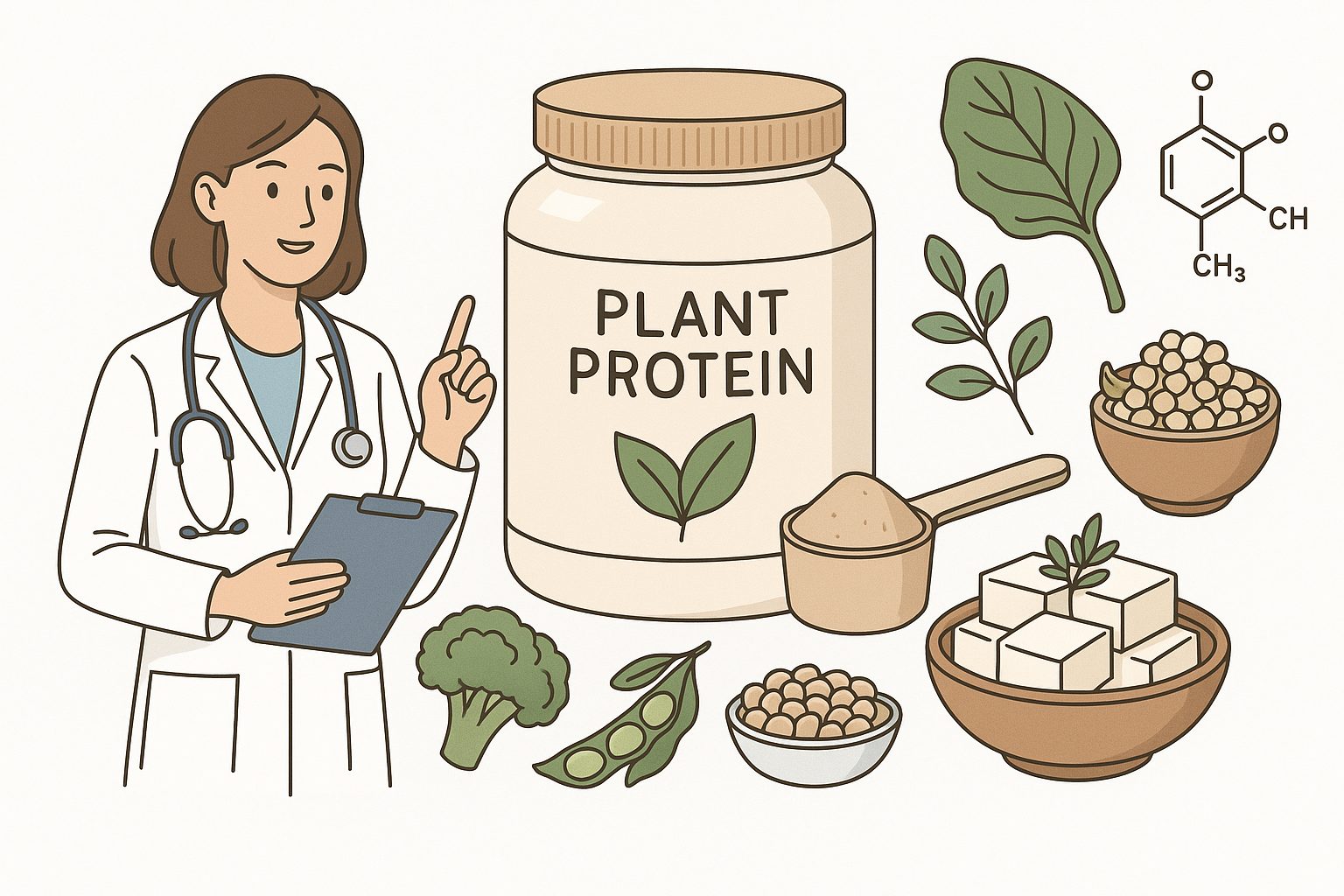
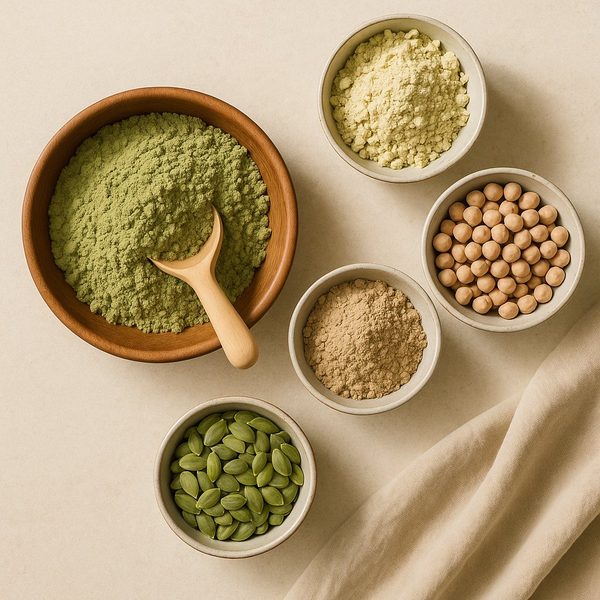
Chalky texture in plant protein powders is primarily caused by the native texture of pea protein isolate — coarse particles, poor solubility, and interactions between the protein and certain minerals or fibers create the characteristic gritty mouthfeel many users dislike. The best-tasting plant proteins address this through ingredient selection and formulation: pea + rice blends (which complement amino acid profiles and improve texture), fine-milled particle processing, and added flavor systems (natural vanilla, cocoa, or sweeteners). Brands known for minimal chalkiness include Nuzest, Vivo Life, Orgain Organic, Garden of Life Sport, and Momentous. The format matters too — shaking alone in cold water exaggerates chalkiness; blending with liquid or adding small amounts of fat (nut butter, coconut milk) significantly improves texture.
- Pea protein’s chalky texture comes from its particle size distribution and native astringency — smaller-milled (micronized) pea protein has notably better solubility and mouthfeel, which is why premium brands pay for higher-grade protein processing rather than just using commodity bulk pea isolate.
- Pea + rice protein blends improve both texture and amino acid completeness — pea protein is low in methionine (a limiting amino acid) and rice protein is low in lysine; combining them creates a more complete essential amino acid profile comparable to whey, while the different particle structures improve overall mouthfeel.
- Lecithin (sunflower or soy-based) is commonly added to plant protein powders as an emulsifier — it improves mixability and reduces the chalky separation that occurs when pea protein is mixed into water without an emulsifying agent.
- Natural flavoring quality distinguishes premium plant protein from budget options — vanilla bean extract, cocoa powder, and sea salt masking bitterness are expensive ingredients that budget brands replace with artificial flavors and sweeteners that compound the chalk perception.
- Temperature matters: plant proteins dissolve more fully in warm or room-temperature water than in cold — users who find plant protein chalky in ice-cold water often find it acceptable in room-temperature shakes or smoothies where solubilization is more complete.
If you have tried plant protein before and immediately thought, this tastes like flavored drywall, you are not imagining it. Chalkiness is one of the biggest reasons people quit using plant-based powders.
The good news is that newer formulas are much better. Processing and ingredient blending have improved enough that you do not have to settle for grit just to avoid dairy.
Why Some Plant Proteins Taste Chalky
Chalkiness usually comes from a few predictable issues:
1. The protein source itself
Pea protein is popular because it is affordable and rich in protein, but it can taste earthy and dry if it is not blended well. Hemp protein has a stronger, nuttier texture and can feel fibrous. Brown rice protein can be sandy if the particles are too coarse.
2. Poor particle size and processing
The finer the milling and the better the isolation process, the better the powder usually mixes.
3. Too little fat or too much thickener
Very lean powders can feel dry on the palate, while excess gums can create a pasty texture.
4. Single-source formulas
Blends such as pea plus rice or pea plus pumpkin seed often taste and mix better than single-source products.
Best Types of Plant Protein for a Smoother Texture
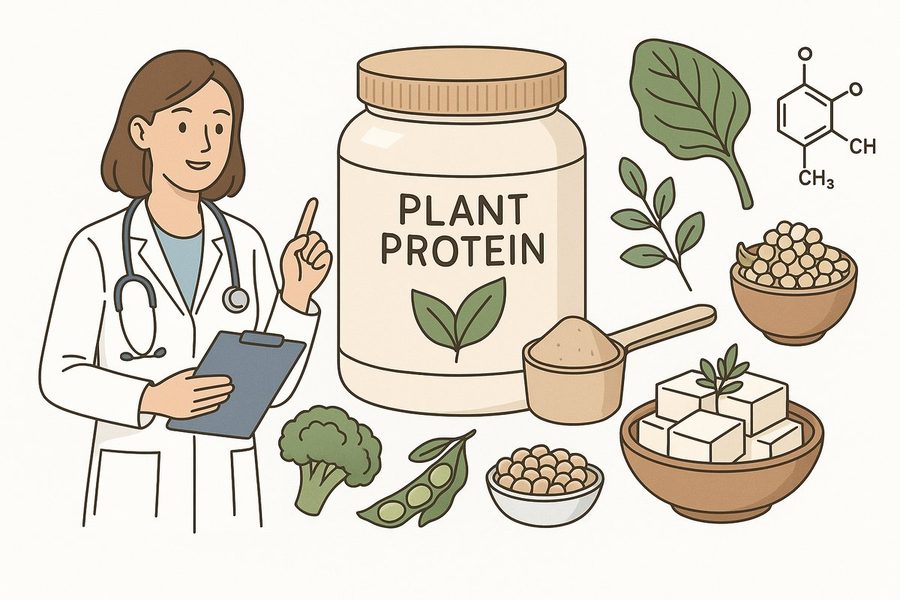
Pea + rice blends
This is the sweet spot for many people. The amino acid profile is stronger than either protein alone, and the texture is usually smoother than pure pea protein. It also helps reduce the earthy aftertaste.
Soy isolate
Soy isolate is naturally one of the smoothest plant proteins and has a complete amino acid profile. For people who tolerate soy well, it is often the closest plant option to whey in texture and performance.[1][2]
Pea + pumpkin seed blends
These blends often feel less dry than straight pea protein.
Fermented or enzyme-enhanced blends
Some brands add digestive enzymes or use fermentation to improve digestibility and reduce gritty texture.
What the Science Says About Protein Quality
Texture matters, but nutrition still comes first. Research from the International Society of Sports Nutrition shows that total daily protein intake matters most for muscle maintenance and growth, with higher needs for active adults and older adults.[1] Position papers from sports nutrition groups also note that plant proteins can work well when the dose is high enough and essential amino acids, especially leucine, are adequate.[1][3]
That means a good-tasting plant protein should still provide:
- about 20 to 30 grams of protein per serving
- a useful essential amino acid profile
- enough leucine to support muscle protein synthesis, or a serving size large enough to compensate
- third-party testing when possible
How to Choose a Plant Protein That Actually Tastes Good
Look for “isolate” or “blend” on the label
These products usually mix better than older, coarser concentrates.
Check the ingredient order
If the powder starts with a balanced blend and includes cocoa, natural flavors, or a small amount of fat from coconut or seeds, it may feel creamier.
Avoid overbuilt formulas
Powders packed with fiber, greens, mushrooms, and adaptogens often taste rougher. If you care most about taste, simpler is usually better.
Pick flavors that hide earthiness well
Chocolate, vanilla chai, coffee, peanut butter, and cinnamon usually cover plant notes better than plain vanilla.
Use the right mixing method
Even a good powder tastes worse if mixed badly. A blender bottle or blender usually fixes a lot.
Best Use Cases for Low-Chalk Plant Protein
For breakfast or post-workout shakes
Choose a smoother blend with at least 25 grams of protein and a better amino acid profile, such as pea plus rice.[1][3]
For weight management
If a shake feels satisfying and drinkable, you are more likely to use it consistently.
Quick Buying Checklist
Choose plant protein powders that have:
- blended protein sources rather than only hemp or only rice
- at least 20 grams of protein per serving
- moderate sodium and low added sugar
- third-party testing or transparent quality standards
- reviews that specifically mention mixability and mouthfeel
FAQ
Which plant protein is least chalky?
Soy isolate and well-made pea-plus-rice blends are usually the least chalky. Hemp protein is nutritious but often more fibrous and gritty.
Why does plant protein feel dry in the mouth?
Many plant proteins absorb water quickly and contain less natural fat than dairy proteins. That creates a dry, powdery finish unless the formula is balanced well.
Can I reduce chalkiness at home?
Yes. Blend with colder liquid, use a blender bottle or blender, add fruit or yogurt alternatives, and let the shake sit for 1 to 2 minutes after mixing.
Does better taste mean worse nutrition?
Not necessarily. Some of the best-tasting formulas still provide strong protein quality. Just watch for high sugar and underdosed protein.
- International Society of Sports Nutrition position stand: protein and exercise. Journal of the International Society of Sports Nutrition.
- Academy of Nutrition and Dietetics: vegetarian diets position paper.
- NIH Office of Dietary Supplements: Dietary Supplements for Exercise and Athletic Performance — https://ods.od.nih.gov/factsheets/ExerciseAndAthleticPerformance-HealthProfessional/
—
This article is for informational purposes only and does not constitute medical advice. Consult your healthcare professional before starting a new supplement routine.
Related Articles
- Best Plant-Based Protein Powders in 2026
- Pea vs Rice vs Hemp Protein
- Plant Protein With Complete Amino Acids
- Plant Protein for Women Over 40
- High-Protein Vegan Shakes for Weight Loss
Sources
- Gorissen SHM, Witard OC. Characterising the protein content and amino acid composition of commercially available plant-based protein isolates. Amino Acids.
- van Vliet S, Burd NA, van Loon LJC. The skeletal muscle anabolic response to plant- versus animal-based protein consumption. J Nutr.
- Joy JM, Lowery RP, Wilson JM, et al. Rice protein versus whey protein during resistance training adaptations. Nutr J.
- Babault N, Païzis C, Deley G, et al. Pea protein oral supplementation promotes muscle thickness gains during resistance training. J Int Soc Sports Nutr.
- Reviews on protein digestibility and amino-acid quality scoring in plant proteins. PubMed search.
Leave a Reply