
Best Lip Glosses That Are Not Sticky
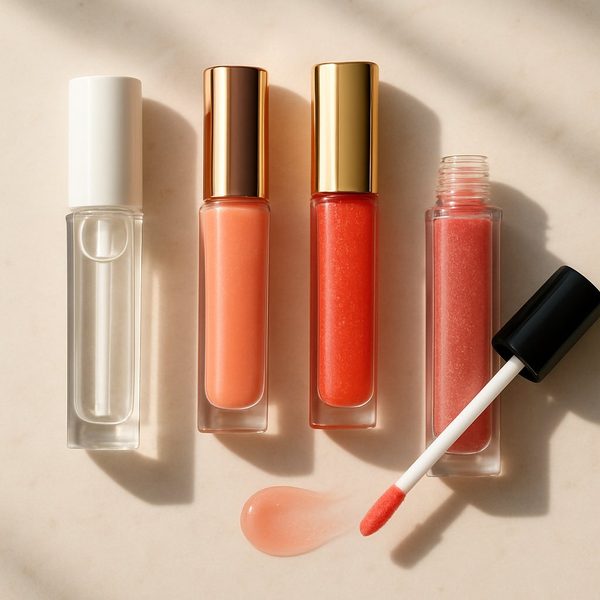
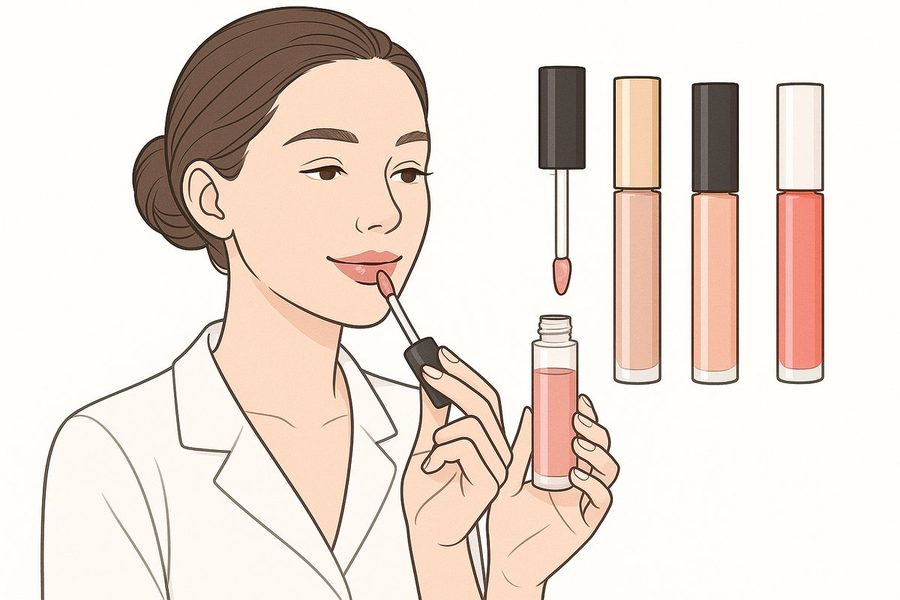
If you love glossy lips but hate that heavy, hair-catching feeling, a non-sticky gloss is the answer. It is especially important for the blurred lips trend, where the finish should look soft, fresh, and effortless instead of thick or messy.
Quick Answer
Sticky lip gloss is caused by high-molecular-weight polyisobutylene (PIB) or thick polybutene — the ingredients that create the characteristic pull and feel of traditional gloss. Non-sticky glosses achieve shine and slip without the adhesive quality by using alternative gel and oil-based vehicles: plant oils (jojoba, rosehip), squalane, lightweight silicone derivatives, and polymer gels that provide luminosity with reduced PIB. The market for non-sticky gloss has expanded significantly as brands have reformulated in response to strong consumer preference — the category now ranges from genuinely comfortable wear to formulas that are indistinguishable from a moisturizing treatment.
Key Takeaways
- Polyisobutylene (PIB) and polybutene are the classic gloss base ingredients responsible for stickiness: they are high-viscosity liquid polymers that create the thick, tenacious texture of traditional gloss. Non-sticky formulas either reduce or eliminate these in favor of lower-viscosity alternatives.
- Jojoba oil and squalane as gloss bases produce a lightweight, non-tacky shine: they spread easily, provide comfortable wear, and oxidize slowly (good shelf stability) — but produce lower gloss intensity than PIB-based formulas. Glosses that prioritize comfort over maximum shine often use these ingredients as primary gloss vehicles.
- Vitamin E (tocopherol) is used in gloss formulas for both antioxidant preservation and slip — it reduces tackiness slightly when present at higher concentrations while providing conditioning benefits to the lip surface.
- Top non-sticky gloss recommendations: Summer Fridays Lip Butter Balm (jojoba and shea oil base, near-zero stickiness), Charlotte Tilbury Collagen Lip Bath (squalane and hyaluronic acid, comfortable and conditioning), Laneige Lip Glowy Balm (not a traditional gloss but provides shine with no tack), and Fenty Beauty Gloss Bomb (medium shine, notably non-sticky for a traditional gloss formula).
- Application technique to minimize stickiness in any gloss: apply a thin layer rather than layering heavily — more product increases the surface contact area and tack. Blotting lightly with a tissue after application removes excess without removing the shine, and pressing lips together once (rather than rubbing) distributes product with less adhesive surface engagement.
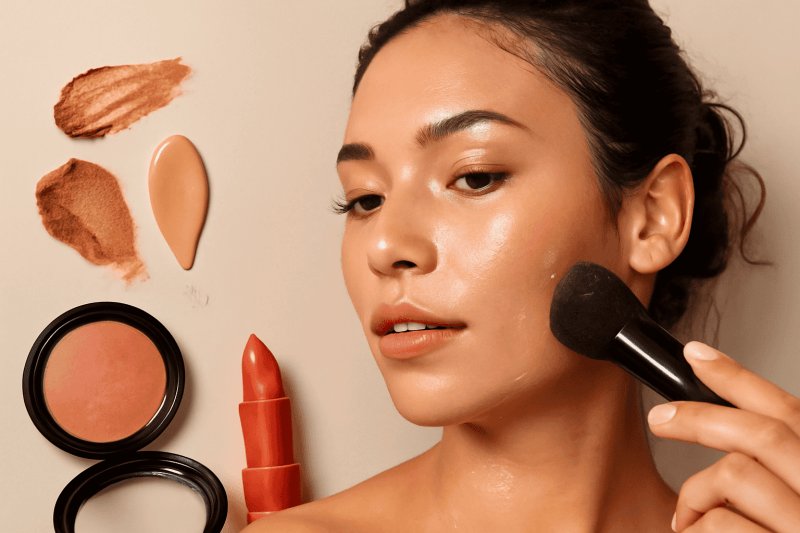
Blurred lips work best when color and shine stay concentrated near the center of the lips, then fade outward. A sticky gloss can make that difficult by bunching up, dragging, or sitting too heavily on top. A lighter formula gives you shine, comfort, and a more modern soft-focus effect.
Why Non-Sticky Gloss Works Better for Blurred Lips
The blurred lip look is all about diffusion. You want the product to tap and spread easily, not cling in one place. A non-sticky gloss helps because it:
- Blends more easily with fingertips or a brush
- Feels better for everyday wear
- Layers nicely over lip liner or tint
- Gives lips shine without a thick coating
- Looks fresher and less overdone
That is why lip oils, jelly glosses, and balm-gloss hybrids are often better for this trend than older tacky gloss formulas.
What to Look for in a Non-Sticky Lip Gloss
Lightweight texture
Look for terms like lip oil, serum gloss, jelly gloss, or balm hybrid. These textures usually feel smoother and more flexible.
Sheer or buildable color
Blurred lips are easier to create with soft pigment. Sheer color lets you keep the lips diffused instead of sharply outlined.
Hydrating ingredients
Helpful ingredients include squalane, jojoba oil, ceramides, and shea butter. These keep lips smooth so the gloss sits better.
Cushion without heaviness
The best glosses still make lips look full and plush, but they should not feel gluey.
Best Types of Non-Sticky Glosses
Tinted lip oils
These are ideal if you want shine plus a little color. They glide on easily and work well for a natural gradient lip.
Jelly glosses
Jelly textures often give visible shine with less tack. They are great if you want lips to look fuller without feeling weighed down.
Glossy lip tints
Glossy tints are useful because they combine shine with stain-like color. That helps the blurred effect last longer.
Balm-gloss hybrids
If comfort is your top priority, these are often the easiest everyday choice.
How to Apply Non-Sticky Gloss for a Blurred Lip Look
1. Prep the lips
Gently exfoliate if needed and apply a thin layer of balm. Blot off any excess.
2. Add a soft base
For more structure, use a neutral lip liner or a little tint in the center first.
3. Tap gloss into the center
Apply a small amount to the middle of the lips only.
4. Diffuse outward
Blend lightly with your fingertip so the edges stay soft.
5. Build only where needed
If you want more shine, add another dab to the center instead of coating the full lip.
Common Mistakes to Avoid
Using too much gloss
Too much product can flatten the gradient and make lips look overly slick.
Choosing a thick clear gloss alone
Clear gloss can work, but it usually looks best over liner or tint so the blurred effect stays visible.
Skipping lip prep
Even a great formula can catch on dry patches.
FAQ
What is the best type of gloss for blurred lips?
Tinted lip oils, jelly glosses, and glossy tints are usually best because they blend easily and feel lighter than traditional tacky glosses.
How do I know if a gloss is non-sticky?
Look for descriptions like lightweight, lip oil, jelly, serum, or balm-gloss. Reviews mentioning comfort and low tack are also helpful.
Can I use clear gloss for blurred lips?
Yes, but it works best over a lip tint or liner. On its own, it may not create enough visible gradient.
Are non-sticky glosses better for dry lips?
Often, yes. Many modern formulas are more hydrating and forgiving than thick glosses or flat matte lipsticks.
Do non-sticky glosses last as long?
Sometimes they fade a little faster, but glossy tints and lip oils with pigment often leave lips looking fresh even after the shine softens.
A good non-sticky gloss gives you the best of both worlds: comfortable wear and soft, glossy lips that still look effortless.
Related Articles
- Best Lip Glosses for the Blurred Lips Trend in 2026
- Glossy Lip Stains vs Glosses: What’s Better for Blurred Lips?
- Best Setting Powders and Sculpting Products for a Soft-Focus 2026 Look
- Best Lip Liners for Soft Lip Looks
- Makeup That Survives Humidity: The Best Strategy for Sticky Weather
Sources
- U.S. Food and Drug Administration. Cosmetics labeling guide.
- Environmental Working Group. Skin Deep cosmetic ingredient safety database.
- European Commission. CosIng: cosmetic ingredient database.
- Reviews on cosmetic shimmer/mica ingredients and safety. PubMed search.
- Reviews on aging skin and cosmetic formulation considerations. PubMed search.
📚 Part of our Best Lip Products Guide hub. Explore all our lip product guides.