
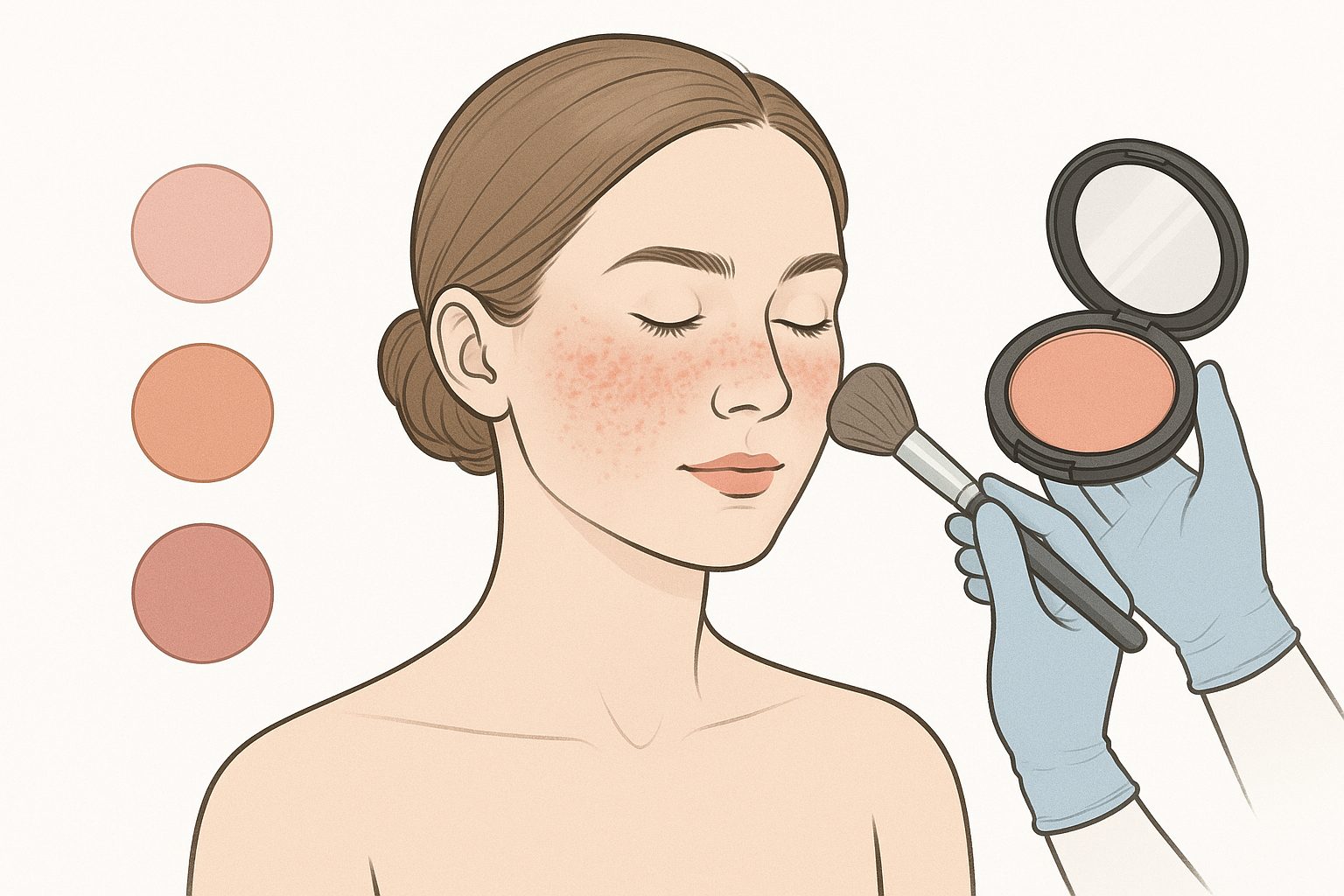
Best Blush for Reactive Skin: Soft Colors Without the Sting
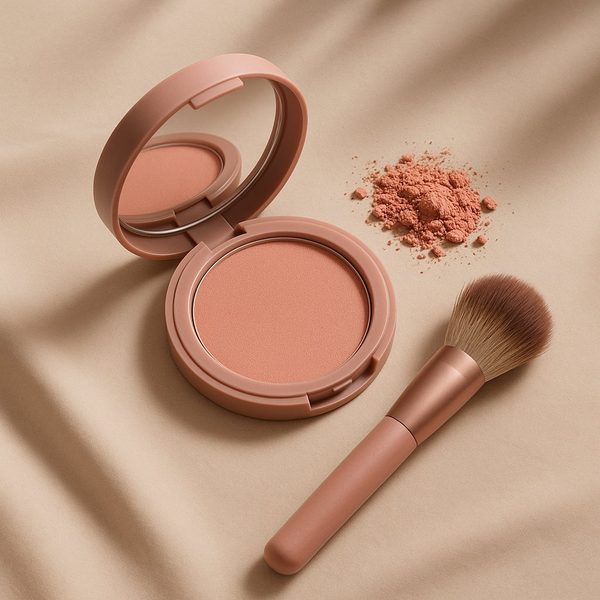
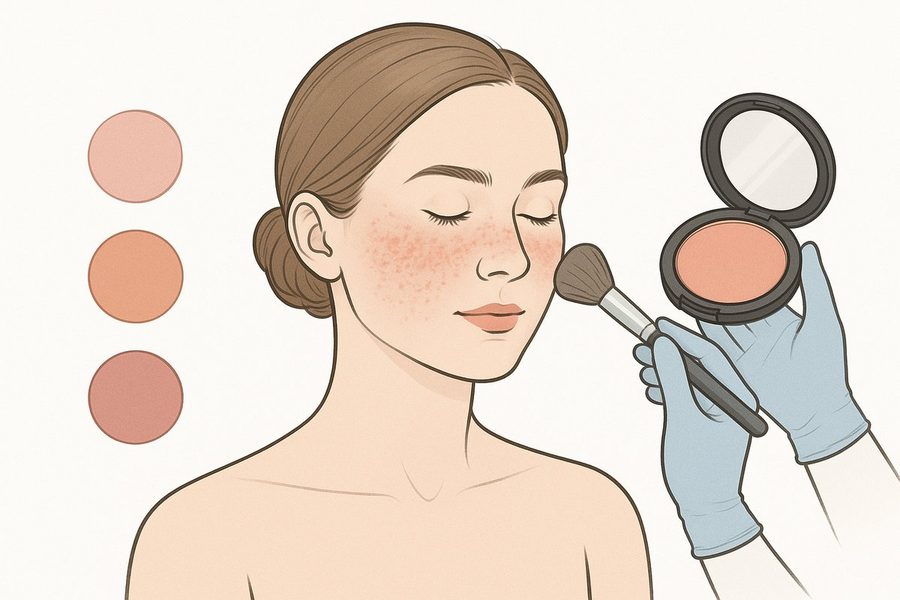
Blush should make your skin look healthy, not actually make it flare. If you have reactive skin, blush can be tricky because it goes exactly where redness, warmth, and irritation already tend to live: the cheeks.
Key Takeaways
- Mica and iron oxide pigments used in mineral blushes are generally the safest colorants for reactive skin — they are inert minerals that don’t interact chemically with the skin surface. Avoid blushes using coal-tar-derived synthetic dyes (listed as FD&C or D&C on labels), which have a higher sensitization potential.
- Niacinamide in cream blush formulas (Tower 28 BeachPlease Luminous Tinted Balm, ILIA Multi-Stick) is a bonus for reactive skin: niacinamide reduces skin redness, supports barrier function, and has anti-inflammatory properties — making the blush actively benefit the reactive skin rather than simply sitting neutrally on it.
- Fragrance is the highest-risk ingredient in blush for reactive skin — even ‘natural’ fragrance from rose, bergamot, or jasmine can trigger contact dermatitis in sensitized individuals. Strict fragrance-free blushes with no ‘parfum’ or named aromatic botanicals are the safest option.
- Soft pink, peachy, and cool rose blush shades can visually reduce the appearance of facial redness by creating a controlled, uniform flush that makes uneven redness less conspicuous — the skin reads as ‘intentionally flushed’ rather than ‘reactively red.’ Warm orange or highly pigmented coral shades can amplify facial redness.
- Patch testing blush: apply a small amount to the inner wrist twice daily for 48 hours before face use. If no redness, itching, or bumps appear, proceed to test on the jaw or cheekbone for 24 hours before routine use. This process is particularly important for cream blush with preservative systems.
That is why the best blush for reactive skin is not just about shade. Formula matters more than most people realize. A good blush should blend easily, feel comfortable, and stay pretty without triggering stinging or emphasizing texture.
If blush can trigger a reaction, foundation is even more critical to get right since it covers more surface area. Our guide explains how to choose foundation for reactive skin without stinging or tightness.
Why blush can irritate reactive skin
Cheeks are often the most sensitive part of the face, especially for people who flush easily or deal with rosacea tendencies, barrier damage, or dryness.
Blush can irritate because of fragrance, rough shimmer, over-blending, or formulas that are simply too dry or too heavily pigmented.
Signs your blush is the problem
- cheeks feel warm or itchy after application
- product grabs onto dry patches
- redness looks worse instead of prettier
- removal leaves the area extra irritated
What type of blush is best for reactive skin?
The best blush for reactive skin is usually soft, simple, and easy to control.
Cream blush
Cream blush often works beautifully because it melts into the skin and usually requires less buffing than powder. For dry or mildly reactive skin, this is often the best place to start.
Soft powder blush
If you prefer powder, choose one that is finely milled and not overly glittery. Powders can work well, but they should not feel chalky or draggy.
Liquid blush
These can be hit or miss. A thin liquid blush can look seamless, but highly pigmented formulas can be stressful because one mistake leads to more rubbing.
Best formula traits to prioritize
Look for these qualities
- fragrance-free formula
- satin or natural finish
- buildable pigment
- smooth blendability
- minimal shimmer or none at all
- comfortable wear without tightness
Things to avoid
- strong fragrance
- glitter-heavy formulas
- ultra-matte dry powders
- alcohol-heavy liquid blushes
- products that set too fast and force aggressive blending
Reactive skin usually likes a little forgiveness in its makeup.
How to choose blush by skin type
Dry reactive skin
Cream blushes are often the easiest and most flattering option.
Oily reactive skin
A soft powder or lightly set cream blush can work well without overloading the skin.
Redness-prone skin
Muted peach, soft rose, or neutral nude blush tones often look more natural than overly bright cool reds, though shade preference depends on undertone.
Mature reactive skin
Cream and satin formulas usually look fresher than dusty powders.
How to apply blush without irritating your cheeks
Better application method
- start with a tiny amount
- use fingers or a soft brush
- place product slightly higher on the cheek if the apples are more reactive
- blend gently with tapping or light sweeping
- stop before you overwork the area
Blush is one of those products that gets worse when you keep fussing with it.
What blush finishes usually look best on reactive skin?
A natural or satin finish is usually the safest bet. It gives life to the face without exaggerating dryness, flakes, or inflamed texture.
Very shimmery blush can call attention to uneven skin, while flat chalky powder can make irritated cheeks look even drier.
Quick answer: what is the best blush for reactive skin?
The best blush for reactive skin is usually a fragrance-free cream blush or a finely milled soft powder with buildable pigment and little to no shimmer. Soft, blendable formulas work better than dry, fast-setting, or glittery ones because they add color without forcing extra friction.
FAQ
Is cream blush better for reactive skin?
Often yes. Cream blush usually needs less blending and can sit more comfortably on dry or irritated skin.
Can powder blush work for reactive skin?
Yes, if it is finely milled, fragrance-free, and not too matte or glittery.
Why do my cheeks burn when I wear blush?
Possible causes include fragrance, alcohol, rough shimmer, over-blending, or an already compromised skin barrier.
What blush finish is best for sensitive cheeks?
Natural or satin finishes are usually the most forgiving.
Should I avoid blush if I have rosacea or frequent flushing?
Not necessarily. A gentle, well-chosen blush can still work, but formula and placement matter a lot.
Sources for further reading
- American Academy of Dermatology: How to test skin care products – https://www.aad.org/public/everyday-care/skin-care-secrets/prevent-skin-problems/test-skin-care-products
- American Academy of Dermatology: Patch testing can find what’s causing your rash – https://www.aad.org/public/diseases/eczema/types/contact-dermatitis/patch-testing-rash
- PMC: Contact Dermatitis, Patch Testing, and Allergen Avoidance – https://pmc.ncbi.nlm.nih.gov/articles/PMC6170075/
This article is for informational purposes only and is not medical advice. Persistent cheek irritation or flushing should be evaluated professionally.
Related Articles
- Best Blush and Bronzer for Acne-Prone Skin
- Best Cream Blush for Mature Skin
- Best Cream Blush for Mature Skin
- Best Cream Blush for Mature Skin: Features That Matter Most
- Best Foundation for Red Reactive Skin That Still Looks Natural
Sources
- Relevant peer-reviewed sources for this topic. Accessed 2026.
📚 Part of our Best Makeup for Sensitive Skin hub. Explore all our sensitive skin makeup guides.



Leave a Reply