Bakuchiol with Vitamin C or Niacinamide
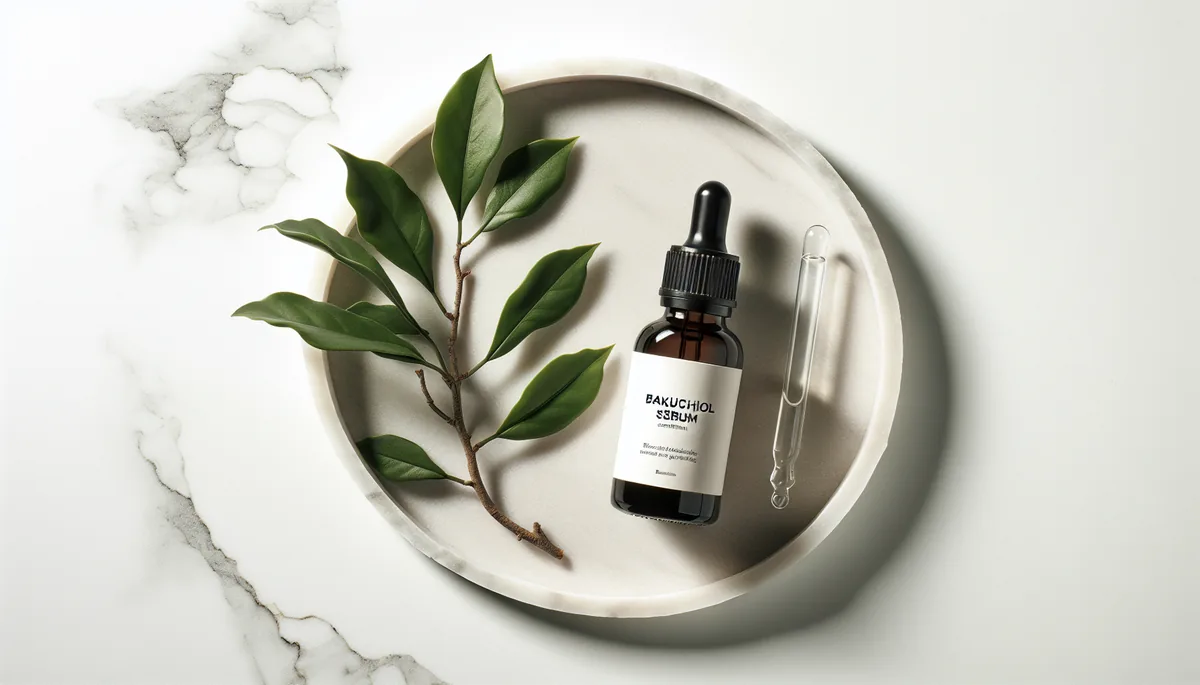
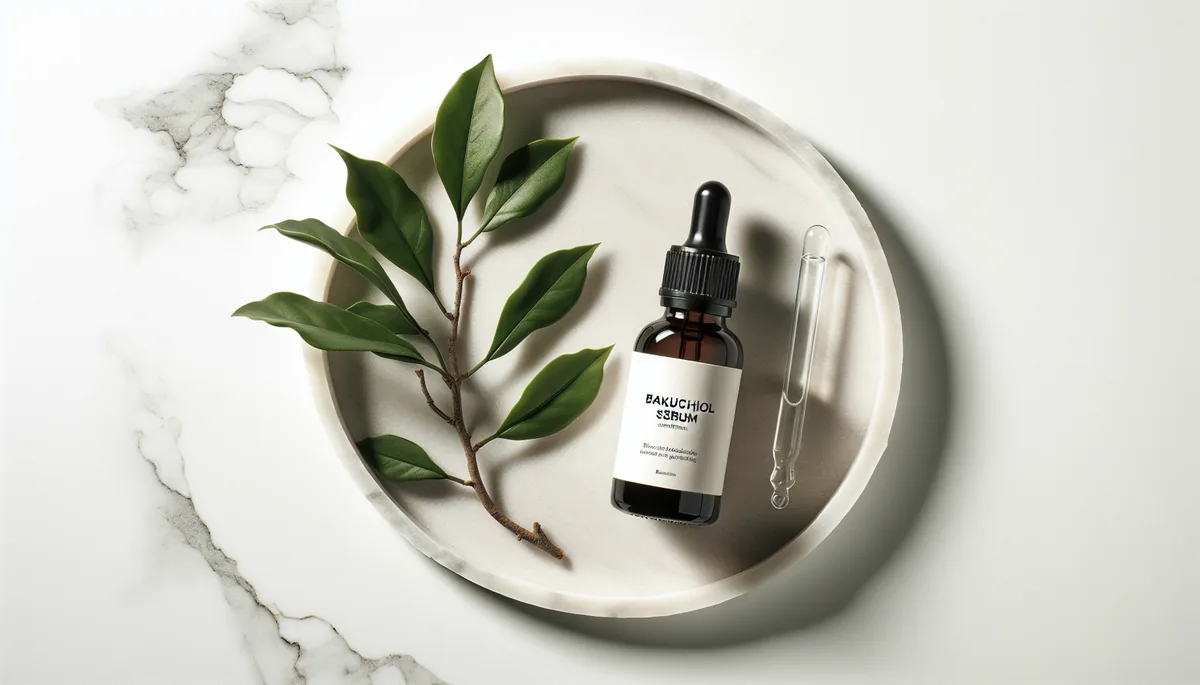
Bakuchiol is unusually easy to pair with other skincare ingredients, which is one reason it has become such a useful alternative to retinol. But if you are trying to build a smart routine, the real question is not whether bakuchiol can be paired. It is whether bakuchiol works better with vitamin C or niacinamide for your goals.
The answer depends on what you want most: brightening, barrier support, calming redness, or a routine that stays easy to tolerate.
Key Takeaways
- Bakuchiol is pH-neutral and does not destabilize vitamin C formulas—unlike retinol, it can be layered with L-ascorbic acid serums.
- The bakuchiol + vitamin C combination addresses collagen synthesis (both independently stimulate collagen), antioxidant protection, and pigmentation in a complementary way.
- Niacinamide pairs well with bakuchiol for redness-prone or sensitive skin—niacinamide’s barrier-supporting and anti-inflammatory effects complement bakuchiol’s retinol-like renewal.
- There is no known antagonism between bakuchiol and either ingredient; order of application follows standard hydration (thinner serums first).
- Choose the pairing based on skin concern: vitamin C for brightening/anti-aging; niacinamide for barrier support, redness, and pore minimization.
The Quick Answer
- Choose bakuchiol + vitamin C if your biggest goals are brightness, antioxidant support, and uneven tone.
- Choose bakuchiol + niacinamide if your priorities are barrier support, redness, oil balance, and a lower-irritation routine.
There is no universal winner. There is only the better match for your skin.
For those seeking gentler brightening options, traditional ingredients are worth exploring. Our review covers rice water as a gentler brightening complement to niacinamide and vitamin C routines.

What Bakuchiol Brings to the Routine
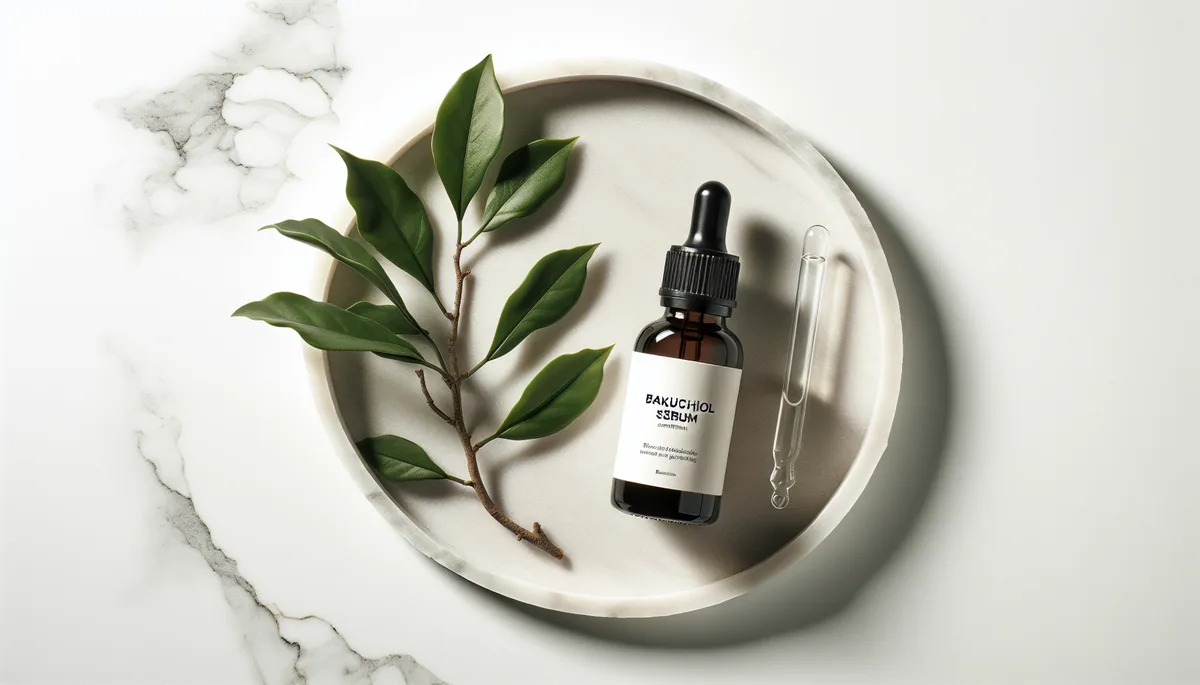
Bakuchiol is best known as a retinol alternative. In a randomized, double-blind 12-week study, bakuchiol improved wrinkles and hyperpigmentation similarly to retinol, while the retinol group reported more scaling and stinging. That makes bakuchiol valuable as a backbone active in routines built for sensitive or beginner skin.
Its main strengths are:
Bakuchiol with Vitamin C
Best for brightening and photoaging support
Topical vitamin C has clinical support for improving uneven, wrinkled skin and helping lighten pigmentation. A 2023 systematic review found that treated skin appeared smoother and less wrinkled in photoaging studies, with objective lightening of pigmentation in treated skin.
That makes bakuchiol + vitamin C a logical pairing when your goals include:
Possible downside
Some vitamin C formulas sting, especially low-pH L-ascorbic acid serums. If your skin is very sensitive, the problem may not be bakuchiol at all. It may be the vitamin C formula.
Bakuchiol with Niacinamide
Best for sensitive, redness-prone, or combination skin
Niacinamide is one of the most practical skincare ingredients because it is versatile and usually easy to tolerate. In a 12-week double-blind, placebo-controlled split-face study, 5% niacinamide improved fine lines, hyperpigmented spots, texture, and red blotchiness.
That makes bakuchiol + niacinamide an excellent pairing if your goals include:
Why this combo is so popular
For many people, niacinamide gives the routine a steadier feel. If your skin is easily stressed, bakuchiol plus niacinamide usually feels more forgiving than bakuchiol plus a strong vitamin C serum.
Is It Safe to Use Bakuchiol with Vitamin C or Niacinamide?
Yes, usually
There is no well-established reason that bakuchiol cannot be paired with either ingredient in a normal routine.
Important nuance
What we do not have much of is direct clinical research on the specific combinations themselves. We have stronger evidence for each ingredient individually than for the combo as a packaged treatment.
So the accurate claim is not that these pairings are clinically proven miracle combinations. It is that the pairing logic is solid, and the individual ingredients each have useful evidence.
Which Combination Should You Choose?
Choose bakuchiol + vitamin C if:
Choose bakuchiol + niacinamide if:
Can You Use All Three Together?
Yes, many people can. But more products does not automatically mean better skin.
A sensible routine might look like:
If your skin is sensitive, start with one pairing first instead of launching all three at once.
Bottom Line
Bakuchiol works well with both vitamin C and niacinamide, but they serve different priorities. Vitamin C is the better companion for brightening and photodamage support. Niacinamide is the better companion for sensitivity, redness, and routine stability.
If you want the simplest decision: choose vitamin C for glow, choose niacinamide for calm.
FAQ
Can I use bakuchiol and vitamin C together?
Yes, most people can, especially if the vitamin C formula is well tolerated.
Can I use bakuchiol and niacinamide together?
Yes. This is often one of the easiest pairings for sensitive or beginner skin.
Which is better for dark spots: vitamin C or niacinamide with bakuchiol?
Vitamin C is usually the stronger brightening choice, while niacinamide can still help tone and post-inflammatory discoloration with a gentler feel.
Which pairing is better for sensitive skin?
Bakuchiol with niacinamide is usually the better starting point for sensitive skin.
References
- Dhaliwal S, Rybak I, Ellis SR, et al. Prospective, randomized, double-blind assessment of topical bakuchiol and retinol for facial photoageing. Br J Dermatol. 2019;180(2):289-296. doi:10.1111/bjd.16918.
- Correia G, Magina S, Ribeiro HM. Efficacy of topical vitamin C in melasma and photoaging: A systematic review. J Cosmet Dermatol. 2023;22(7):1938-1945. doi:10.1111/jocd.15748.
- Bissett DL, Oblong JE, Berge CA. Topical niacinamide reduces yellowing, wrinkling, red blotchiness, and hyperpigmented spots in aging facial skin. Int J Cosmet Sci. 2004;26(5):231-238. doi:10.1111/j.1467-2494.2004.00228.x.
- Puyana C, Diaz A, Rojas K, et al. Applications of bakuchiol in dermatology: Systematic review of the literature. J Cosmet Dermatol. 2022;21(12):6636-6643. doi:10.1111/jocd.15420.
Sources
- Pullar JM, Carr AC, Vissers MCM. The roles of vitamin C in skin health. Nutrients. 2017;9(8):866.
- Boyera N, Galey I, Bernard BA. Effect of vitamin C and its derivatives on collagen synthesis and cross-linking by normal human fibroblasts. Int J Cosmet Sci. 2002;20(3):151-158.
- Telang PS. Vitamin C in dermatology. Indian Dermatol Online J. 2013;4(2):143-146.
📚 Part of our Castor Oil: Benefits, Limits & Honest Guide hub. Explore all our castor oil evidence reviews.
📚 Part of our Bakuchiol: The Plant-Based Retinol Alternative hub. Explore all our bakuchiol guides.