
Men’s Hormone Optimization: Evidence-Based Guide

Quick Answer: Testosterone optimization starts with lifestyle – sleep 7-9 hours, resistance train regularly, achieve healthy body fat, and manage stress. Supplements like tongkat ali, ashwagandha, vitamin D, and zinc have legitimate clinical evidence as adjuncts. No supplement replaces the lifestyle fundamentals.
Men’s testosterone levels have declined approximately 1-2% per year in recent decades in population studies – a trend that has driven enormous interest in “natural testosterone optimization.” The reality is that most testosterone support comes from lifestyle, not supplements. But when the fundamentals are solid, targeted supplements can provide meaningful additional support. This guide covers both the lifestyle and supplement sides of the equation.
The Testosterone Landscape in 2026
Total testosterone in men peaks in the late teens to early 20s and declines gradually thereafter – approximately 1-2% per year after age 30. Low testosterone (hypogonadism) is medically defined as total testosterone below 300 ng/dL, though symptoms can appear at higher levels in some men.
Symptoms of suboptimal testosterone:
- Reduced libido and sexual function
- Fatigue and reduced energy
- Decreased muscle mass and strength, increased body fat
- Mood changes (irritability, depression, reduced motivation)
- Reduced bone density
- Cognitive changes (“brain fog”)
What causes declining testosterone beyond normal aging?
- Sleep deprivation (one of the most potent suppressors)
- Obesity/high body fat (aromatase enzyme in fat converts testosterone to estrogen)
- Chronic stress and elevated cortisol (cortisol and testosterone compete on the same biosynthetic pathway)
- Sedentary lifestyle
- Poor diet (low fat, low protein, micronutrient deficiencies)
- Environmental endocrine disruptors (plastics, pesticides)
- Certain medications (opioids, statins in some research, finasteride)
- Underlying conditions (type 2 diabetes, thyroid disease, sleep apnea)
The Lifestyle Foundation: What Moves the Needle Most

Sleep: The Most Powerful Hormone Lever
Sleep is the single most impactful lifestyle factor for testosterone. Critically:
- Most testosterone is secreted during sleep – primarily during slow-wave and REM sleep
- A 2011 JAMA study found that 1 week of sleep restriction to 5 hours/night reduced testosterone in young men by 10-15%
- Chronic sleep deprivation suppresses LH (luteinizing hormone, which drives testosterone production) through multiple mechanisms
Target: 7-9 hours of quality sleep per night. Untreated sleep apnea is also a major testosterone suppressor – any man with low testosterone and snoring should be screened.
For sleep supplement support: Best Adaptogens for Sleep in 2026, Apigenin for Sleep, and our Melatonin Guide 2026.
Resistance Training
Resistance training is one of the strongest evidence-based natural testosterone stimuli:
- Compound lifts (squats, deadlifts, bench press, rows) produce the largest acute testosterone spikes
- Chronic resistance training is associated with maintained testosterone in older men compared to sedentary controls
- High-volume training protocols (multiple exercises, 6-10+ sets per muscle group) are most effective
Avoid: Chronic overtraining – excessive training volume without recovery suppresses testosterone through HPA axis stress responses.
Body Composition
Visceral and total body fat reduces testosterone through several mechanisms:
- Aromatase enzyme in adipose tissue converts testosterone to estrogen (estradiol)
- Obesity-associated inflammation suppresses gonadotropin-releasing hormone (GnRH) pulsatility
- Insulin resistance and leptin resistance further impair hypothalamic-pituitary axis
Even modest weight loss in overweight/obese men consistently raises testosterone – sometimes dramatically. Some studies show 10-20% weight loss can raise testosterone by 100+ ng/dL.
Stress Management
Cortisol and testosterone compete for the same cholesterol precursor (pregnenolone). Chronically elevated cortisol literally reduces the substrate available for testosterone synthesis. Cortisol also directly suppresses GnRH and LH.
Practical: Stress reduction techniques (meditation, breathwork, adequate exercise recovery, work-life balance) measurably support testosterone. Best Ashwagandha Supplements for Cortisol in 2026 is particularly relevant here.
Dietary Factors
- Fat intake: Low-fat diets are consistently associated with lower testosterone in multiple studies. Cholesterol is the precursor for all steroid hormones – adequate dietary fat (particularly saturated and monounsaturated) is required for optimal testosterone
- Protein: Adequate protein intake supports body composition; very high protein with very low carbohydrate appears suboptimal for testosterone per some research
- Micronutrients: Zinc, magnesium, vitamin D (discussed below) are all significant
Supplements with Clinical Evidence
Vitamin D3
Vitamin D receptors are expressed on Leydig cells (testosterone-producing cells in the testes). Multiple studies associate vitamin D deficiency with lower testosterone:
- A 2011 RCT found men supplementing with 3,332 IU vitamin D/day for 1 year had 25% higher testosterone vs. placebo
- Meta-analyses confirm positive association between vitamin D status and testosterone, particularly in deficient populations
Action: Test 25(OH)D. If below 30 ng/mL, supplement with 2,000-5,000 IU/day D3. See Vitamin D3 and Testosterone: What the Research Actually Shows.
Zinc
Zinc is essential for testosterone biosynthesis – it’s required for the enzymes that produce testosterone in Leydig cells, and zinc deficiency consistently reduces testosterone. Additionally, zinc inhibits aromatase (the enzyme that converts testosterone to estrogen).
Multiple studies show zinc supplementation raises testosterone in zinc-deficient men. Effect in zinc-replete men is smaller but present in some research.
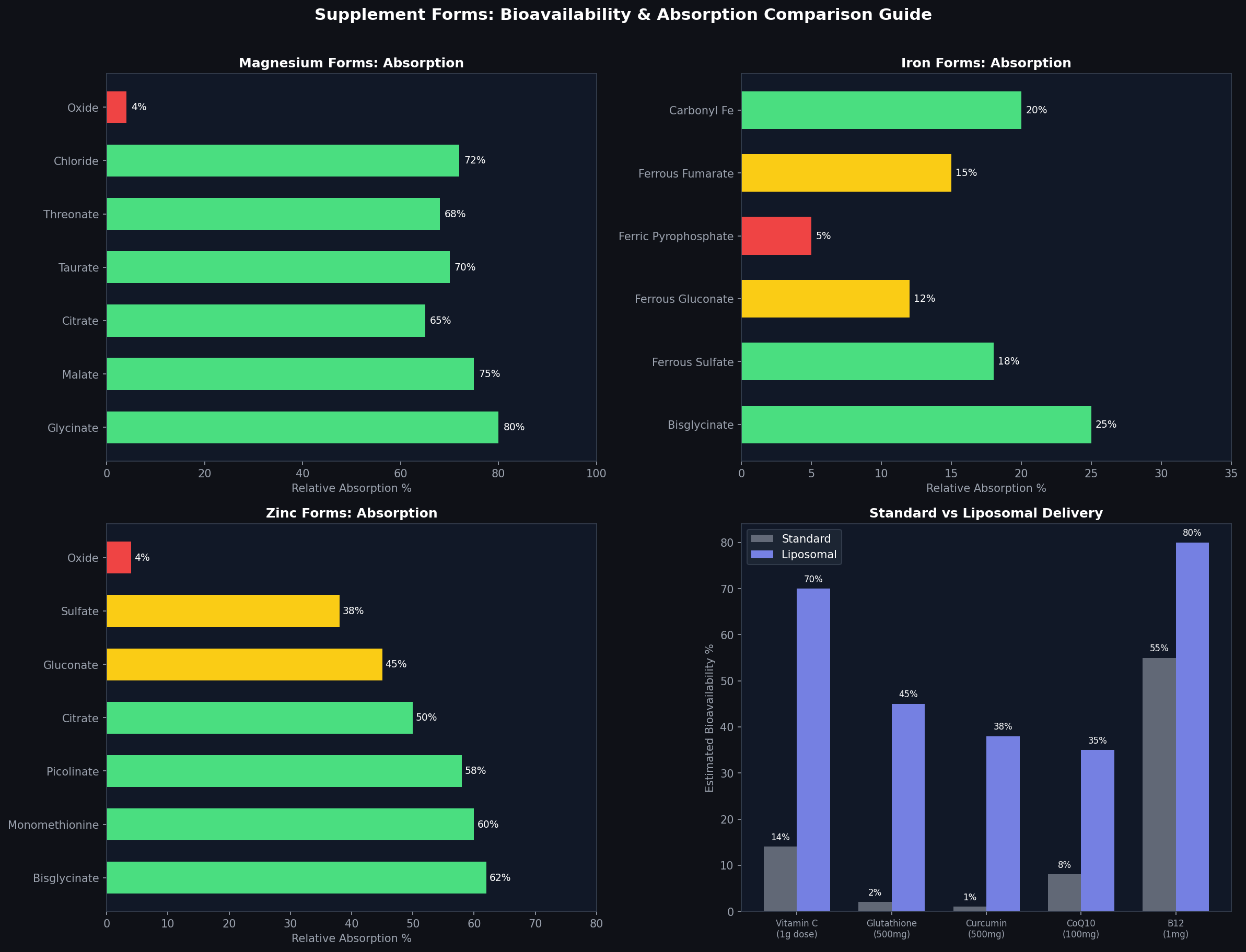
Dose: 25-30 mg/day zinc picolinate or bisglycinate. Long-term use above 25 mg/day: add 1-2 mg copper.
Ashwagandha (KSM-66 or Sensoril)
Multiple RCTs show ashwagandha raises testosterone through:
- Reducing cortisol (less competition for pregnenolone)
- Directly supporting LH and FSH levels
- Improving sleep quality (which supports testosterone)
A 2019 RCT in healthy males found KSM-66 ashwagandha at 600 mg/day raised testosterone by 14.7% and DHEA-S by 18% over 8 weeks compared to placebo.
Form: KSM-66 or Sensoril, 300-600 mg/day. See Best Ashwagandha Supplements for Cortisol in 2026.
Tongkat Ali (LJ100/Eurycoma longifolia)
Tongkat ali has multiple RCTs showing testosterone increases, including in hypogonadal men:
- Reduces SHBG (sex hormone-binding globulin), increasing free testosterone
- LH-stimulating effects that may increase Leydig cell testosterone production
- Cortisol reduction properties
A 2014 RCT found Tongkat Ali 200 mg LJ100 extract significantly improved testosterone, well-being, and sexual function in men with late-onset hypogonadism over 1 month.
See Best Tongkat Ali Supplements in 2026 for detailed evidence.
Magnesium
Magnesium inhibits SHBG binding of testosterone, increasing free testosterone fraction. A 2011 study found magnesium supplementation (10 mg/kg/day) increased free testosterone in both athletes and sedentary men. Magnesium deficiency is extremely common.
Dose: Magnesium glycinate 200-400 mg/day (evening). See Best Magnesium Supplements in 2026.
Boron
A 2011 study found 10 mg/day boron for 1 week increased free testosterone by 28.3% and decreased SHBG and estrogen. Effect may partly reflect a rebalancing in SHBG binding rather than new testosterone production. Low-cost, safe at 6-10 mg/day.
DHEA
DHEA is a testosterone precursor produced by the adrenal glands. It declines substantially with age. RCT evidence for DHEA supplementation is mixed – some studies show increases in testosterone, particularly in older adults and adrenally insufficient individuals. Effects are more modest than often claimed. Our DHEA Supplements in 2026 article covers this in depth.
Building a Practical Men’s Hormone Optimization Stack
Foundation (non-negotiable):
- Sleep 7-9 hours
- Resistance train 3-4x/week
- Achieve healthy body fat (BMI 20-24, visceral fat minimized)
- Manage chronic stress
First-tier supplements (test levels first where applicable):
- Vitamin D3 2,000-5,000 IU/day (if deficient)
- Zinc picolinate 25-30 mg/day (with food)
- Magnesium glycinate 300-400 mg/day (evening)
Second-tier supplements (for additional optimization):
- Ashwagandha KSM-66 300-600 mg/day
- Tongkat Ali LJ100 100-200 mg/day
- Boron 6-10 mg/day
When to consider TRT (Testosterone Replacement Therapy):
If lifestyle optimization and supplementation don’t achieve adequate levels and quality of life, testosterone replacement therapy under physician management is a legitimate medical option. This guide is about natural optimization, not a replacement for medical evaluation.
Key Takeaways
- Sleep (7-9 hours), resistance training, body fat management, and stress control are the foundation – no supplement replaces these
- Vitamin D, zinc, and magnesium are the highest-priority supplements because deficiencies are common and directly impair testosterone
- Ashwagandha and tongkat ali have the best clinical evidence of the adaptogen/botanical testosterone supports
- SHBG reduction (from magnesium, boron, tongkat ali) increases free testosterone without raising total production – relevant for men with high SHBG
- Get baseline labs: total testosterone, free testosterone, SHBG, LH, FSH, estradiol, prolactin, vitamin D, zinc, thyroid
- Supplement synergy: many of these work better together – sleep better ? more testosterone ? better gym performance ? improved body composition ? more testosterone
Frequently Asked Questions
At what age should men start thinking about testosterone optimization?
Practically speaking, lifestyle optimization is beneficial at any age. The biggest returns from lifestyle intervention (sleep, exercise, body fat) are in men over 30 who may already be experiencing gradual decline. Testing baseline testosterone is reasonable from age 30 onward, particularly if experiencing symptoms.
Can I raise testosterone to youthful levels with supplements?
In most cases, no. Natural optimization can meaningfully improve testosterone within your biological range – perhaps 15-30% – but won’t recreate peak adolescent levels. The goal is optimizing your individual potential and addressing correctable deficiencies, not defeating biology.
Are testosterone-boosting supplements safe?
Most well-evidenced supplements (zinc, vitamin D, magnesium, ashwagandha) have excellent safety profiles at recommended doses. Exotic high-dose “pro-hormone” supplements and undisclosed products are different – many contain undisclosed steroids and carry real health risks. Stick to evidence-backed ingredients from third-party tested brands.
Does intermittent fasting help testosterone?
Some evidence suggests short-term fasting increases growth hormone (which is anabolic), and extended fasting may temporarily increase testosterone. However, chronic caloric restriction reduces testosterone. Moderate time-restricted eating (16:8) appears neutral or slightly positive. Severe caloric restriction is harmful for testosterone. For more on this topic, see our related guide on vitamin D and blood pressure.
Sources
- Reviews on testosterone optimization supplements. PubMed search.
- Reviews on ashwagandha and testosterone. PubMed search.
- Reviews on zinc and testosterone. PubMed search.
- Reviews on vitamin D and testosterone. PubMed search.
- Reviews on male hormone health and lifestyle factors. PubMed search.