AI-Personalized Makeup and Skincare in 2026
Artificial intelligence has moved beyond tech and into your makeup bag. From apps that analyze your skin to algorithms that custom-blend your perfect foundation shade, AI-personalized beauty is making one-size-fits-all cosmetics obsolete. Here’s how AI is reshaping beauty in 2026.
What Is AI-Personalized Beauty?
AI-personalized beauty uses artificial intelligence — machine learning, computer vision, and data analysis — to customize beauty products and routines for individual users. This includes:
- Skin analysis via phone camera or in-store device
- Custom shade matching for foundation, concealer, and lip color
- Personalized skincare routines based on your specific skin concerns
- Virtual try-on for testing makeup looks before purchasing
- Product recommendations tailored to your skin type, tone, and goals
Top AI Beauty Tools and Brands
- L’Oréal Perso
A smart at-home device that uses AI to blend custom skincare, foundation, and lip color on demand. The companion app analyzes your skin and environment (weather, pollution) to adjust formulas daily.
AI personalization is also transforming how consumers shop for beauty products. For the retail and e-commerce angle, see our guide on AI-personalized beauty in 2026 and how it’s changing makeup shopping.
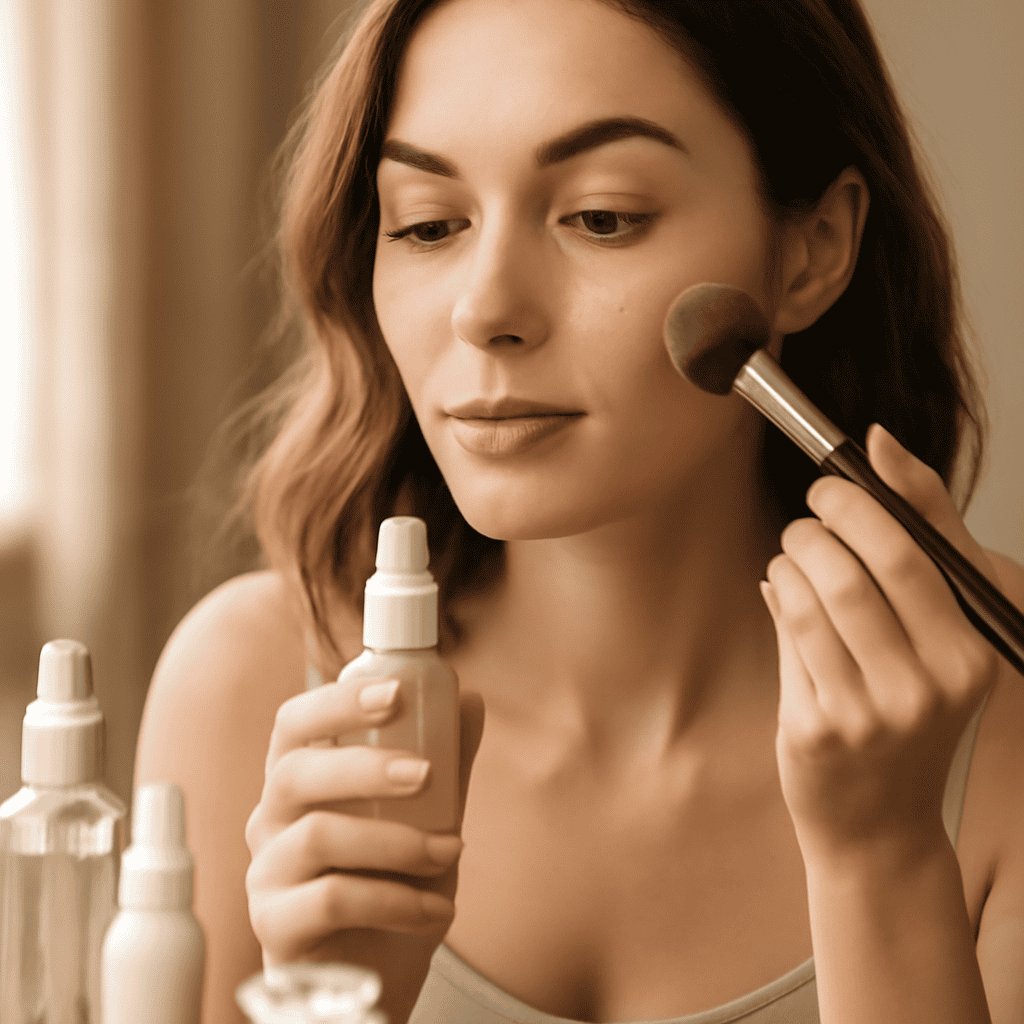
Best for: Tech enthusiasts who want a truly custom beauty experience at home.
- Proven Skincare
An AI-powered skincare brand that uses a database of 20,000+ ingredients, 100,000+ products, and 8 million+ testimonials to create a personalized skincare regimen. You take a quiz, and they formulate products specifically for you.
Best for: Those overwhelmed by skincare choices who want science-backed personalization.
- bareMinerals MADE-2-FIT Fresh Faced Foundation
A custom-blended liquid foundation created using an app that scans your skin tone. The AI matches your exact shade from billions of possible combinations, and a custom bottle is shipped to you.
Best for: Anyone tired of choosing between shades that are "close enough."
- Perfect Corp YouCam Makeup
An AR/AI app used by major brands (Estée Lauder, MAC, NYX) for virtual try-on. Test lipstick, eyeshadow, and full looks using your phone camera before buying.
Best for: Online shoppers who want to try before they buy without visiting a store.
- Neutrogena Skin360
A skin analysis app (paired with a specialized sensor) that measures moisture, pores, fine lines, and dark spots. It tracks changes over time and recommends products accordingly.
Best for: Data-driven skincare enthusiasts who want to track skin health metrics.
How AI Shade Matching Works
Traditional shade matching relies on swatching at a counter or guessing online. AI shade matching:
-
Captures your skin tone via camera or specialized sensor
-
Analyzes undertones — warm, cool, neutral, and nuanced variations
-
Accounts for lighting — Algorithms adjust for the lighting in your photo
-
Cross-references a database of shades across thousands of products
-
Recommends or custom-blends your exact match
The result: a dramatically more accurate match than manual swatching.
AI Skincare Analysis: What It Can Detect
Modern AI skin analysis tools can identify:
- Skin type — Oily, dry, combination, sensitive
- Wrinkles and fine lines — Depth and location
- Hyperpigmentation — Dark spots, melasma, sun damage
- Pore size — Enlarged pores and congestion
- Acne and blemishes — Type and severity
- Hydration levels — Surface and deeper moisture
- Redness and rosacea — Inflammation patterns
- Skin age vs. chronological age — How your skin is aging relative to your peers
Privacy Considerations
AI beauty tools require facial data. Key questions to ask:
- Where is my data stored? Look for local-only processing when possible.
- Is my photo shared or sold? Read privacy policies before uploading selfies.
- Can I delete my data? Reputable brands offer data deletion options.
- What happens to my skin analysis results? Ensure they’re used only for product recommendations, not advertising profiling.
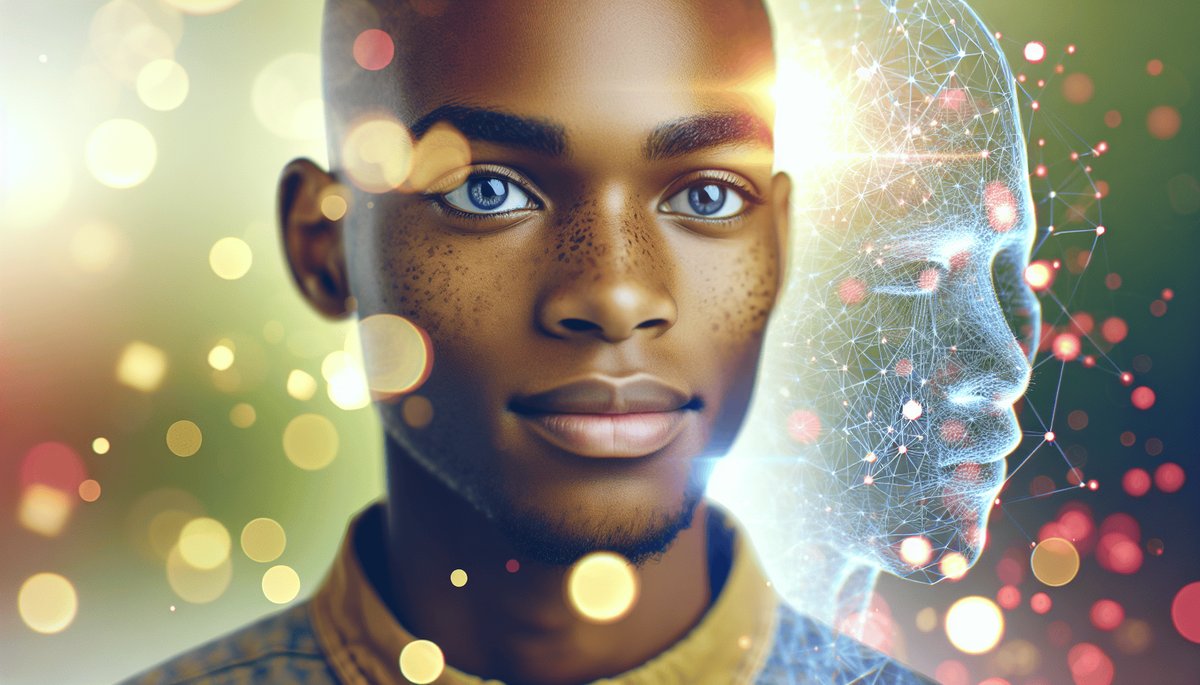
The Future of AI Beauty
- Real-time skin monitoring via smart mirrors
- Predictive skincare — AI that anticipates breakouts or skin issues before they appear
- Custom manufacturing at scale — Every foundation bottle made to order
- AI makeup artists — Apps that can apply virtual makeup in real-time for video calls
- Ingredient personalization — Products that adapt formulas based on your skin’s changing needs
Frequently Asked Questions
What is AI-personalized beauty?
AI-personalized beauty uses artificial intelligence to customize makeup and skincare for individual users. This includes AI shade matching for foundation, skin analysis via camera apps, custom-formulated products, and virtual try-on tools that let you test looks digitally.
How accurate is AI shade matching?
AI shade matching has become remarkably accurate, with some systems analyzing millions of data points to find your exact undertone and depth. However, results can vary based on lighting and camera quality. In-store AI devices tend to be more accurate than phone-based apps.
Is AI skincare analysis reliable?
AI skin analysis tools are increasingly accurate for identifying surface-level concerns like wrinkles, pores, and hyperpigmentation. They’re useful for tracking changes over time and getting product recommendations, but they’re not a replacement for professional dermatological assessment.
Are AI beauty tools safe for my privacy?
Privacy varies by brand. Look for tools that process data locally on your device rather than uploading to servers. Read privacy policies, check for data deletion options, and avoid apps that share facial data with third parties.
Can AI replace a dermatologist?
No. AI beauty tools are excellent for product recommendations and general skin analysis, but they cannot diagnose medical conditions, prescribe treatments, or replace the expertise of a board-certified dermatologist. Use AI tools as a complement to professional care.
This article may contain affiliate links. We may earn a small commission at no extra cost to you when you purchase through our links.
Key Takeaways
- via phone camera or in-store device
-. - for foundation, concealer, and lip color
-. - based on your specific skin concerns
-. - for testing makeup looks before purchasing
-. - Captures your skin tone.
Clean Beauty Essential
Dermatologist-tested, cruelty-free formula with clean ingredients.
- Free from parabens and phthalates
- Suitable for sensitive skin
- Cruelty-free and vegan
This is an editorial recommendation, not a sponsored placement.
Related Articles
- Best Clean Beauty Makeup Brands for 2026
- The Ultimate Beauty FAQ: AEO-Optimized Answers to the Most Common Makeup and Skincare Questions
- Best Makeup and Beauty Tips for Women Over 40 in 2026
- Eco-Friendly Refillable Makeup Guide for Lower-Waste Beauty in 2026
- Best Skincare Makeup Hybrids for Natural Radiant Skin in 2026
Sources
- An Open-Label Study Assessing the Efficacy and Tolerability of a Skincare Regimen in Subjects of Different Ethnicities with Moderate-to-Severe Hyperpigmentation. Journal of cosmetic dermatology. 2022. PMID: 34658136.
- Study on screening and evaluation methods of cosmetics for people with facial sensitive skin. Medicine. 2022. PMID: 35945772.
- Use of Cosmetic Products in Real Life by Women with Facial Sensitive Skin: Results from an Exposure Study and Comparison with Controls. Skin pharmacology and physiology. 2021. PMID: 34392243.
- Clinical efficacy and safety of 4-hexyl-1,3-phenylenediol for improving skin hyperpigmentation. Archives of dermatological research. 2014. PMID: 24402285.
- Centella Asiatica Cosmetic Safety (2023)