
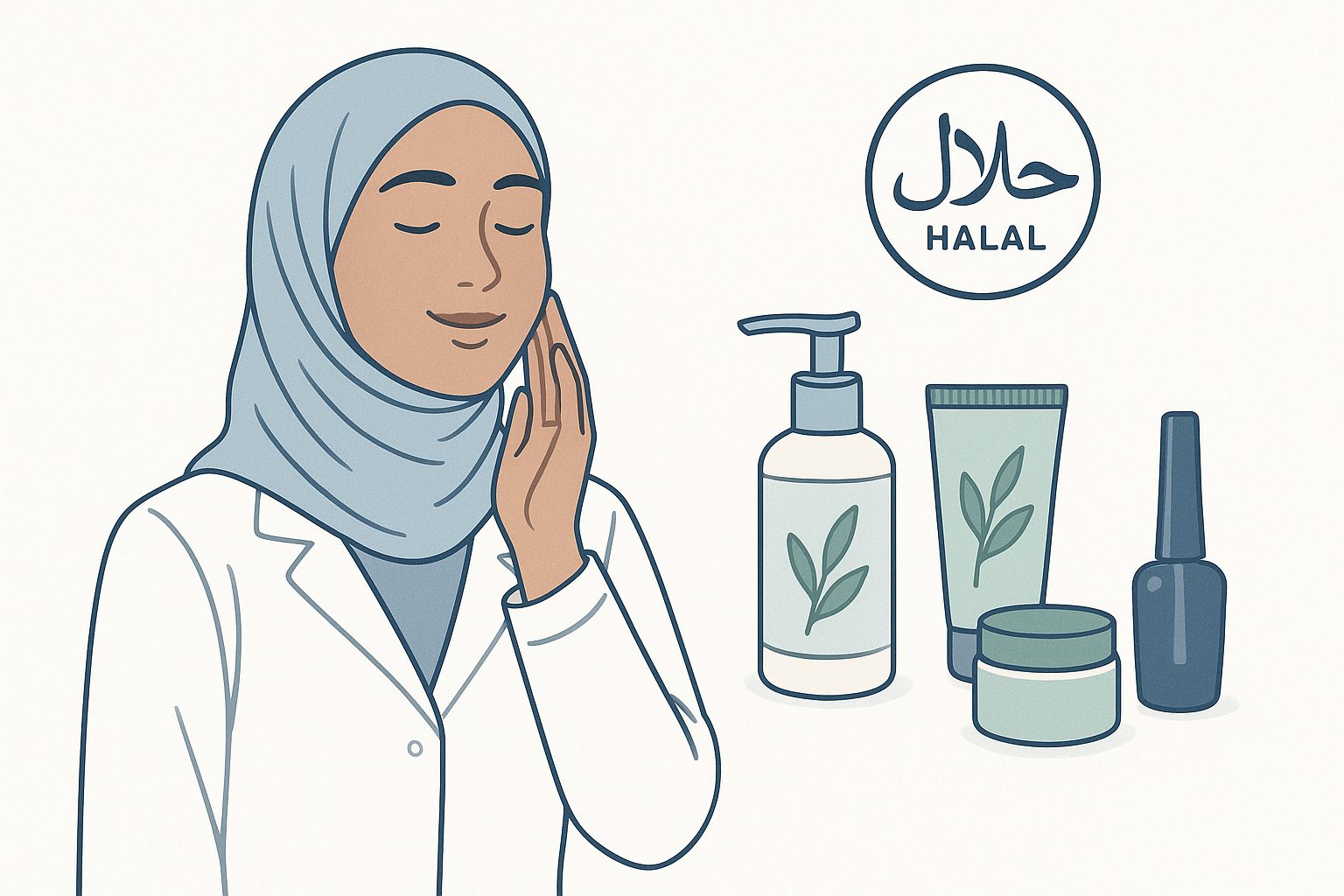
Beauty Brands Popular With Halal-Conscious Shoppers
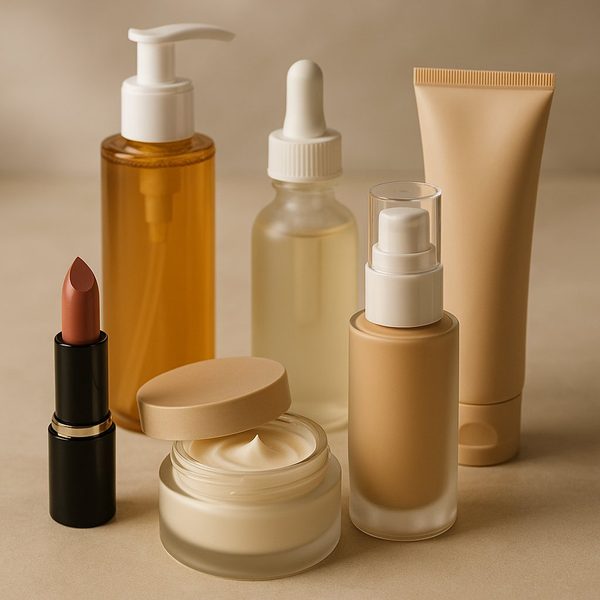
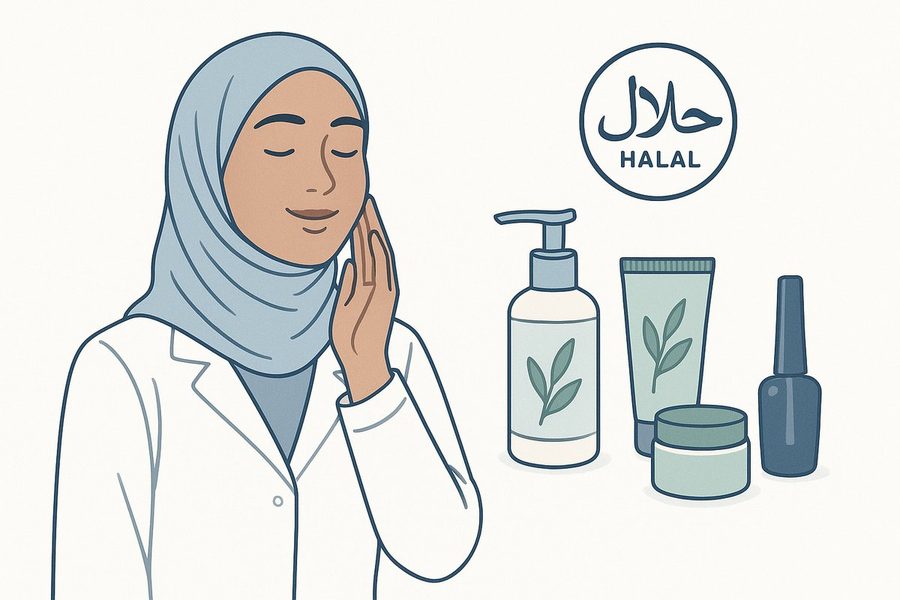
Beauty brands popular with halal-conscious shoppers tend to earn trust through transparency, thoughtful ingredients, and formulas that align better with Muslim consumers’ priorities. Not every shopper is looking for formal halal certification, but many do care about whether products are alcohol-free, pork-derived ingredient free, cruelty-free, or generally more mindful of ingredient sourcing.
Quick Answer
Halal-conscious beauty shopping encompasses several concerns: absence of animal-derived ingredients from forbidden sources (pork-derived gelatin, carmine from insects, certain animal glycerins), absence of alcohol as a solvent or carrier, and for some consumers, formal halal certification from a recognized certification body. The brands most popular with halal-conscious shoppers combine transparent ingredient sourcing, alcohol-free formulations, and either formal halal certification or comprehensive ingredient disclosure that allows personal assessment — led by brands like INIKA Organic, Tuesday in Love, Amara Halal Cosmetics, and increasingly, mainstream brands that disclose full ingredient lists.
Key Takeaways
- Halal makeup criteria vary by interpretation: some halal-conscious consumers primarily avoid pork derivatives (gelatin, porcine enzymes) and carmine (red dye from cochineal insects); others also avoid all animal-derived ingredients; and a further group additionally requires alcohol-free formulas because of Islamic prohibitions on ethanol consumption.
- INIKA Organic is an Australian brand widely regarded as a leader in halal-accessible natural makeup: certified organic, vegan, cruelty-free, and carrying halal certification from multiple national bodies — their foundation, mascara, and brow products are widely used by halal-conscious shoppers globally.
- Tuesday in Love is one of the few globally available halal-certified nail color brands: their halal nail polishes are water-permeable and certified by established halal bodies, addressing a niche but high-demand segment of the halal beauty market.
- Amara Halal Cosmetics is a specialist halal makeup brand with formal certification — their lipsticks, foundations, and eye products are formulated specifically to exclude all non-halal ingredients and carry third-party certification, serving consumers who require verified certification rather than personal ingredient assessment.
- Many mainstream brands are de-facto halal-accessible without certification: brands that are fully vegan (no animal-derived ingredients), free from carmine and gelatin, and use alcohol denat only in trace amounts or not at all may meet the ingredient requirements for many halal-conscious shoppers even without formal certification.
Because standards and personal convictions vary, halal-conscious beauty shopping is usually about informed decisions rather than one universal checklist.
What halal-conscious shoppers usually look for
Different shoppers prioritize different things, but common concerns include:
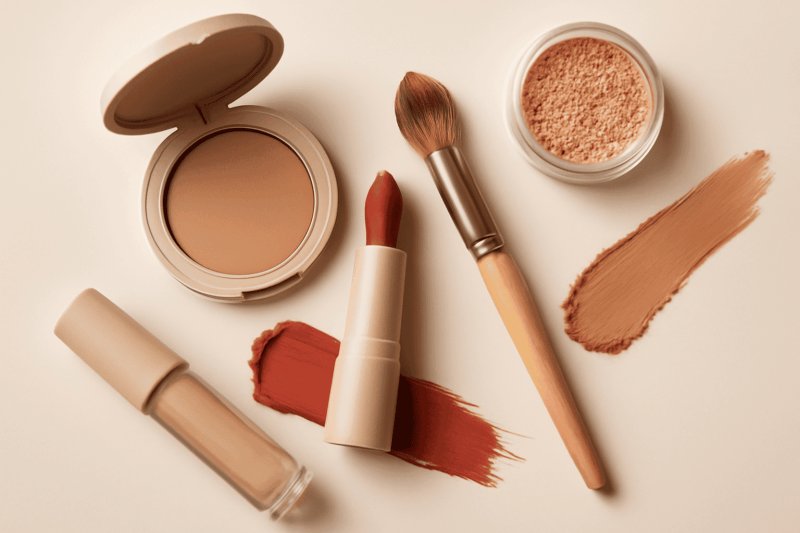
- avoidance of pork-derived ingredients
- interest in alcohol-free or low-alcohol formulations
- cruelty-free practices
- vegan-friendly formulas in some categories
- transparent ingredient lists and customer service
Some consumers want fully halal-certified beauty, while others want brands that are simply easier to evaluate and more respectful of halal concerns.
Why certain beauty brands become popular in this space
Transparency builds trust
Brands that explain their ingredients clearly and respond well to questions often become favorites with halal-conscious shoppers. Clear labeling matters when customers are trying to verify whether a formula fits their needs.
Cleaner ingredient positioning helps
While “clean beauty” and halal beauty are not the same thing, brands that avoid animal-derived ingredients or use simpler formulations can be easier for halal-conscious shoppers to assess.
Community recommendations matter
A lot of trust in halal-friendly beauty spreads through community discussion, beauty creators, and shopper experience rather than traditional beauty marketing. Reputation carries weight.
Product categories halal-conscious shoppers often research carefully
Complexion products
Foundation, concealer, and primers are often high-priority categories because they are worn frequently and can contain ingredients some shoppers prefer to avoid.
Lip products
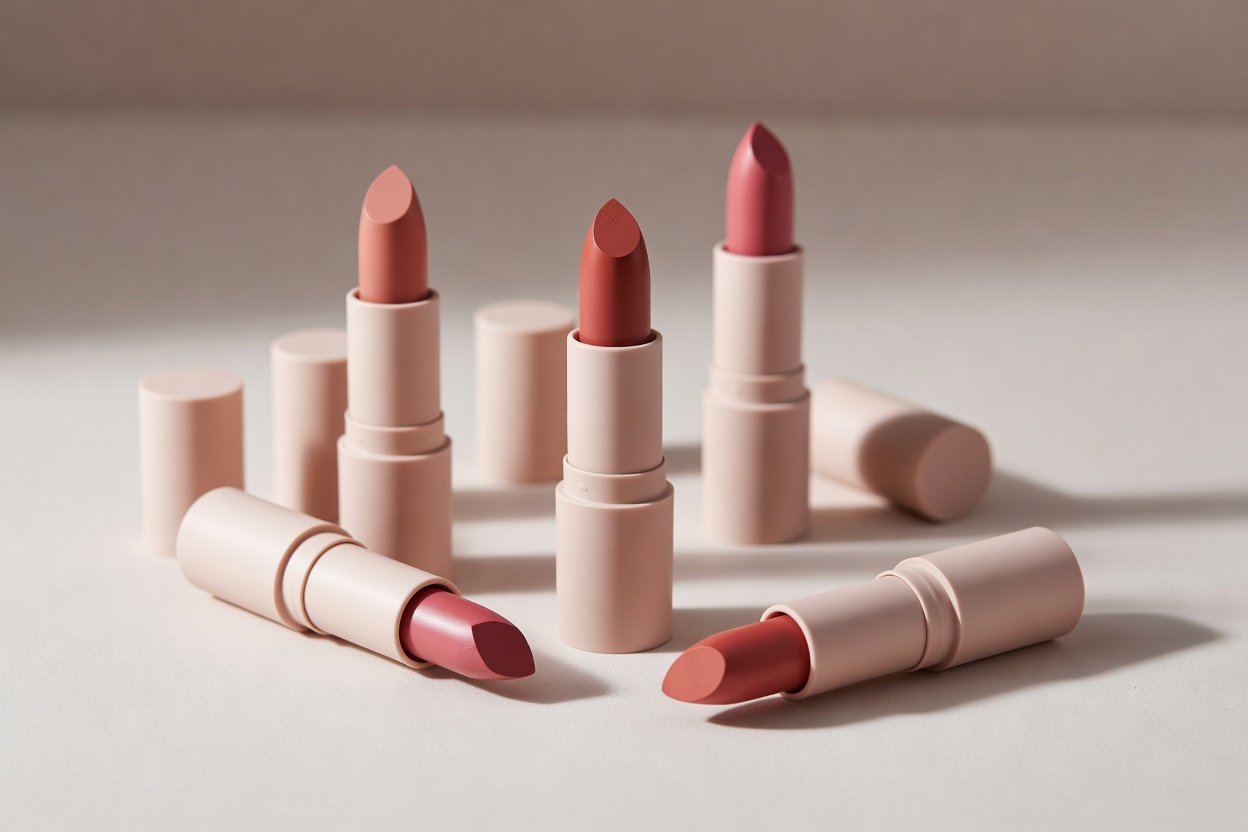
Lipsticks and glosses matter because they sit directly on the lips, leading many halal-conscious shoppers to look more carefully at ingredient sources and wear comfort.
Mascaras and eyeliners
Eye-area products also get extra scrutiny because consumers want both safety and confidence in the formula.
How to evaluate beauty brands for halal-conscious shopping
Check official ingredient disclosures
Start with the brand’s website and ingredient list. If something is unclear, see whether customer service can clarify the source of questionable ingredients.
Look for certification, but know it is not everything
Formal halal certification can be helpful, but some shoppers are also comfortable with transparent brands that meet their personal standards without certification.
Respect personal thresholds
Halal-conscious shopping is not always identical from one person to another. Some focus on certification above all else. Others prioritize cruelty-free, vegan-friendly, or alcohol-free formulas depending on the category.
Why popularity does not equal perfect fit
A brand may be well liked by halal-conscious shoppers and still not meet every individual’s requirements. That is why personal review matters. Popularity is a useful starting point, not a final answer.
The best brands in this space usually make it easier to ask questions, verify ingredients, and shop with confidence. That alone can make a major difference.
How shoppers can use brand popularity wisely
Popularity is most helpful when it points you toward brands with a good track record of ingredient clarity and respectful customer service. Use it as a shortlist, then compare formulas, certifications, and product-specific details before you buy. That extra step helps turn community buzz into a more confident decision.
FAQ
What makes a beauty brand popular with halal-conscious shoppers?
Transparency, trustworthy ingredient lists, cruelty-free positioning, and formulas that avoid common concerns all help a brand build credibility.
Does a brand need halal certification to appeal to halal-conscious shoppers?
Not always. Certification helps, but some shoppers also choose brands based on ingredient transparency and personal research.
Are vegan beauty brands automatically halal-friendly?
No. Vegan and halal are not identical standards. Vegan formulas avoid animal ingredients, but halal-conscious shoppers may also consider alcohol sources and certification.
What products should halal-conscious shoppers research most carefully?
Complexion, lip, and eye products are often researched closely because they are used frequently and may raise ingredient questions.
Beauty brands popular with halal-conscious shoppers usually stand out because they make informed shopping easier. Transparency, ingredient clarity, and community trust matter more than buzzwords. That is what helps shoppers feel confident in their beauty choices.
Related Articles
- Best Fragrance Free Makeup Brands for Sensitive Skin Shoppers
- Best Clean Beauty Makeup Brands for 2026
- Halal-Conscious Lip Products: What to Look for Before You Buy
- Halal-Conscious Complexion Products
- Best Halal-Friendly Makeup Brands
Sources
- IFANCA, Halal Certification 101 for Entrepreneurs
- INCIDecoder, Carmine (CI 75470)
- INCIDecoder, Gelatin
- INCIDecoder, Glycerin
- INCIDecoder, Stearic Acid
📚 Part of our Halal-Friendly Makeup Guide hub. Explore all our halal and Middle Eastern beauty guides.
Leave a Reply