Pterostilbene: The Bioavailable Resveratrol Alternative With Real Clinical Evidence
Quick Answer: Pterostilbene is a stilbene compound found naturally in blueberries, grapes, and the heartwood of certain trees. It shares many of resveratrol’s biological mechanisms — SIRT1 activation, AMPK stimulation, anti-inflammatory and antioxidant effects — with dramatically superior bioavailability (about 80% vs. roughly 20% for resveratrol). Human clinical trials show significant blood pressure reduction and modest improvements in some metabolic markers, but also an unexpected increase in LDL cholesterol that has tempered enthusiasm. It is an emerging longevity candidate with a solid mechanistic basis and a realistic — not uniformly positive — clinical record.
Resveratrol became one of the most talked-about longevity compounds of the 2000s, propelled by David Sinclair’s research and the red wine connection. But resveratrol has a significant pharmacokinetic problem: its bioavailability is notoriously poor. After oral ingestion, resveratrol is rapidly metabolized and conjugated in the gut and liver, leaving little active compound in circulation. This has tempered clinical enthusiasm despite compelling laboratory mechanisms.
Pterostilbene is resveratrol’s structural analog — differing only in the substitution of two methoxy groups (OCH₃) for two hydroxyl groups (OH). This seemingly minor chemical change has dramatic consequences: pterostilbene is substantially more lipophilic (fat-soluble), resists the metabolic conjugation that rapidly deactivates resveratrol, and achieves plasma concentrations roughly 4-fold higher than resveratrol at equivalent oral doses. It is also better able to cross the blood-brain barrier, which may explain observed cognitive effects.
Natural Sources of Pterostilbene
Pterostilbene occurs naturally in:
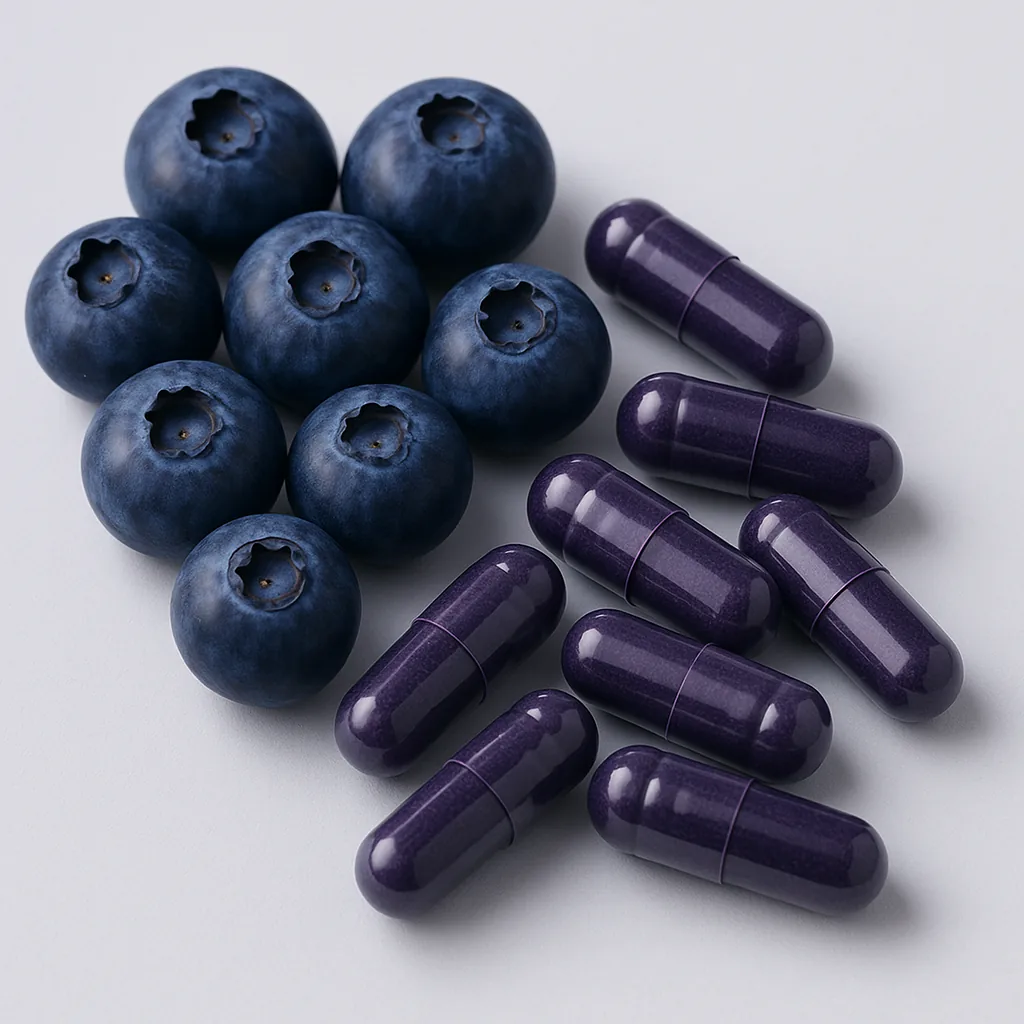
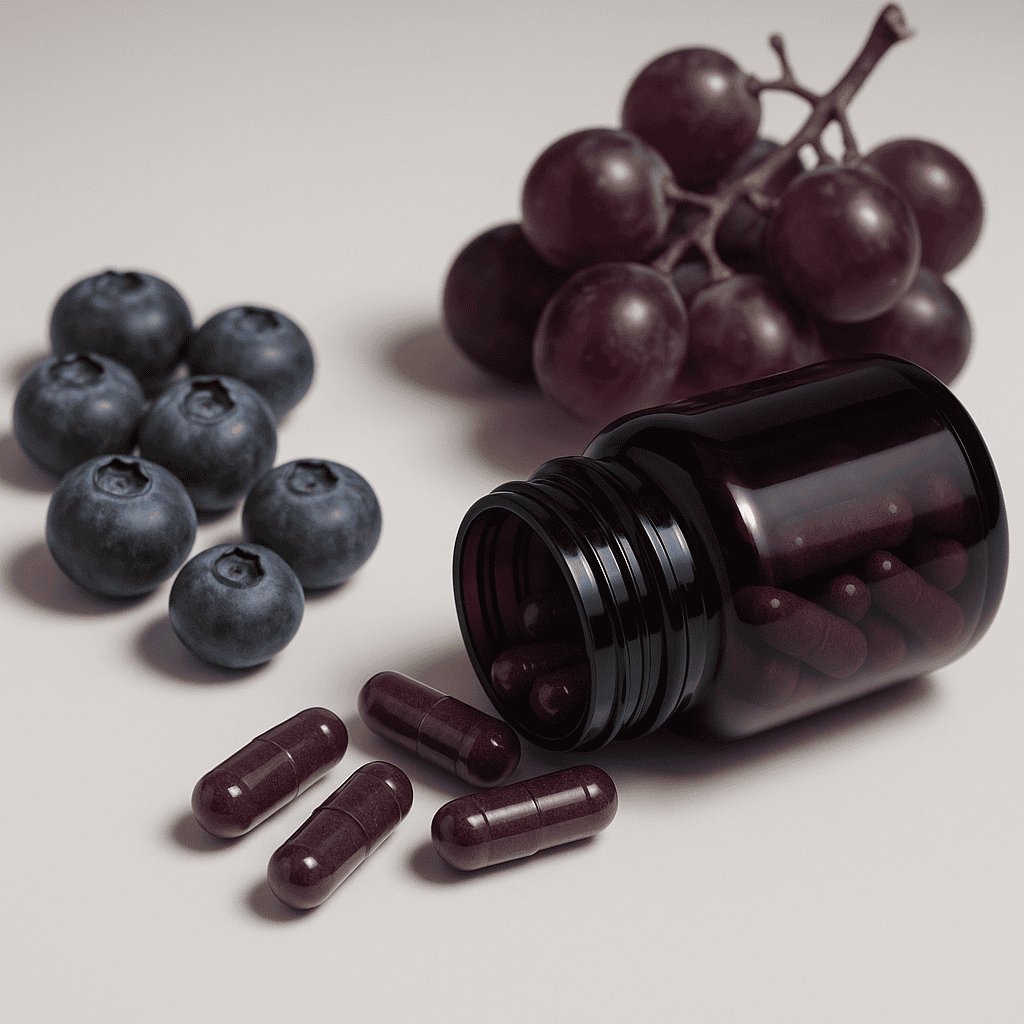
Blueberries: The richest common dietary source, containing approximately 99 mcg/g (about 100 mcg per blueberry)
Grapes and red wine: Smaller amounts
Heartwood of Pterocarpus marsupium (Indian Kino tree): Used in Ayurvedic medicine for diabetes
Various berries: Bilberries, cranberries, in modest amounts
The dietary amounts available even from a diet rich in blueberries (a few hundred micrograms per day) are far below the doses used in clinical research (50–250 mg/day). Supplementation is necessary for therapeutic-range pterostilbene exposure.
Mechanisms: How Pterostilbene Works
Pterostilbene is a pleiotropic compound — it modulates multiple biological pathways simultaneously. Understanding the key mechanisms helps explain its diverse health effects:
SIRT1 activation: Sirtuins (SIRT1–7) are NAD⁺-dependent protein deacetylases central to cellular stress response and longevity pathways. Resveratrol’s fame was built partly on SIRT1 activation; pterostilbene activates SIRT1 with similar or greater potency. SIRT1 deacetylates PGC-1α (stimulating mitochondrial biogenesis), p53 (modulating DNA damage response), and NF-κB (reducing inflammatory signaling).
AMPK stimulation: AMP-activated protein kinase is the cell’s energy sensor — when activated, it promotes fatty acid oxidation, improves insulin sensitivity, inhibits mTOR (with downstream longevity implications), and reduces lipogenesis. Pterostilbene activates AMPK in a manner similar to metformin and caloric restriction.
NF-κB inhibition: Nuclear factor kappa B is a master regulator of inflammatory gene expression. Pterostilbene inhibits NF-κB activation, reducing downstream production of inflammatory cytokines (IL-6, TNF-α, IL-1β). This anti-inflammatory mechanism underlies much of pterostilbene’s cardiovascular and metabolic protective effects.
Nrf2 activation: Nuclear factor erythroid 2-related factor 2 (Nrf2) is the master regulator of antioxidant gene expression. Pterostilbene activates Nrf2, upregulating glutathione synthesis, superoxide dismutase, and catalase — strengthening the cell’s intrinsic antioxidant defenses.
PPAR-α activation: Peroxisome proliferator-activated receptor alpha governs fatty acid metabolism and is the target of fibrate drugs (used for high triglycerides). Pterostilbene activation of PPAR-α contributes to its lipid-lowering effects on triglycerides.
Epigenetic modulation: Pterostilbene influences DNA methylation patterns and histone modifications in ways that may restore more youthful gene expression patterns — an emerging area of epigenetic aging research.
Clinical Evidence: Cardiovascular and Cholesterol Effects
The most robust human clinical data for pterostilbene comes from two double-blind RCTs by Riche et al.: an 8-week safety trial published in 2013 in the Journal of Toxicology and a metabolic efficacy trial published in 2014 in Evidence-Based Complementary and Alternative Medicine.
The 2014 efficacy trial enrolled 80 adults with elevated cholesterol and randomized them to four arms: pterostilbene 50 mg twice daily, pterostilbene 125 mg twice daily, pterostilbene 50 mg + grape extract 100 mg twice daily, or placebo for 6–8 weeks.
Key findings from the 2014 trial:
Blood pressure fell significantly — systolic blood pressure dropped roughly 7–8 mmHg with pterostilbene, an effect size comparable to some pharmacologic agents.
LDL cholesterol increased in participants not on cholesterol-lowering medication. The trial’s published conclusion states plainly: “Pterostilbene increases LDL and reduces blood pressure in adults.”
Minor weight loss was observed in the subgroup not on cholesterol medication.
Glucose-lowering was observed in participants with baseline fasting glucose above 100 mg/dL, but did not reach significance in the overall sample.
This LDL finding ran opposite to the mechanistic expectation from animal work and was later reinforced by a 2020 follow-up analysis by Riche et al. in Clinical Nutrition (“Pterostilbene raises low density lipoprotein cholesterol in people”), which confirmed a clinically meaningful LDL-C increase. In 2020 ChromaDex — which owns the pTeroPure® pterostilbene patent — ceased new commercial pterostilbene orders on the basis of this LDL data, a notable industry response to a safety signal.
The honest read of the human cardiovascular data: pterostilbene produces a real, reproducible blood pressure benefit, but does not lower LDL in humans and appears to modestly raise it — the opposite of the early marketing narrative. Anyone considering pterostilbene for cardiovascular reasons should weigh the blood pressure benefit against the LDL signal, and anyone with already-elevated LDL or established atherosclerotic disease should be particularly cautious.
Cognitive Function: The Blood-Brain Barrier Advantage
One of pterostilbene’s most distinctive potential applications — and where it may genuinely outperform resveratrol — is cognitive function. Because pterostilbene more readily crosses the blood-brain barrier than resveratrol, it can achieve brain concentrations relevant to neuroprotection.
Animal studies have been promising. Joseph et al. (2008, Journal of Agricultural and Food Chemistry) reported that pterostilbene supplementation in aged rats improved working memory performance, with the behavioral benefit correlating with pterostilbene levels in the hippocampus and with increased dopamine release — effects the researchers attributed to pterostilbene’s superior brain penetration relative to resveratrol.
Chang et al. (2012, Neurobiology of Aging) extended this work, showing that low-dose pterostilbene — but not resveratrol — acted as a potent neuromodulator in aging and Alzheimer’s-disease model mice, with measurable effects on markers relevant to synaptic plasticity and neuroinflammation. A more recent study by La Spina et al. (2019, Cellular Physiology and Biochemistry) found that 20 days of pterostilbene (22.5 mg/kg/day) in 18-month-old rats improved memory-consolidation behavioral tests and increased hippocampal markers of synaptic remodeling, including PSD-95 and CREB phosphorylation.
Controlled human cognitive data is still limited. No placebo-controlled human RCT of pterostilbene specifically for cognitive outcomes has been published to date; the clinical case for pterostilbene in cognitive aging currently rests on its pharmacokinetic profile and consistent animal evidence rather than on human efficacy trials.
The mechanistic case for pterostilbene in cognitive aging is nonetheless strong: SIRT1 activation, Nrf2-mediated antioxidant protection, AMPK activation (improving brain energy metabolism), and synaptic-plasticity support all converge on pathways relevant to cognitive resilience.
Blood Glucose and Metabolic Effects
Pterostilbene’s effects on glucose metabolism are consistent with its AMPK-activating, PPAR-α-stimulating mechanisms. Multiple animal studies have documented glucose-lowering effects. In the Riche et al. 2014 human trial, participants with fasting glucose above 100 mg/dL at baseline showed the most pronounced glucose-lowering responses to pterostilbene — suggesting potential utility in prediabetes, though this was a secondary endpoint rather than the trial’s primary focus.
The glucose-lowering effects are modest (roughly comparable to berberine’s secondary effects, smaller than metformin). Given the LDL signal noted above, pterostilbene is not a clean “metabolic support” choice for people whose primary concern is cardiovascular risk.
Anti-Cancer and DNA Protection Properties
Pterostilbene has been studied extensively in cancer cell lines and animal tumor models, where it has demonstrated pro-apoptotic (cancer cell-killing), anti-proliferative, and anti-metastatic effects across multiple cancer types. These findings are mechanistically plausible — NF-κB inhibition, Nrf2 activation, and cell cycle arrest are relevant to cancer prevention.
However, caution is warranted in interpreting cell culture and animal data for human cancer prevention. No completed human clinical trial has examined pterostilbene specifically for cancer prevention or treatment. The DNA protection and antioxidant effects that make pterostilbene interesting for longevity likely contribute to cancer risk reduction via the same mechanisms as other polyphenols, but this is extrapolation from mechanism rather than direct evidence.
Pterostilbene vs. Resveratrol: Head-to-Head Comparison
Feature
Pterostilbene
Resveratrol
Natural sources
Blueberries, grapes
Red wine, grapes, peanuts, Japanese knotweed
Oral bioavailability
~80%
~20–30% (highly variable)
Plasma half-life
~105 minutes
~14 minutes (extensive conjugation)
Blood-brain barrier penetration
High
Moderate
SIRT1 activation
Potent
Potent
AMPK activation
Potent
Moderate
Human clinical trials
Limited but growing
More extensive (mixed results)
Effect on LDL
Modest increase observed in human RCT
Neutral to mild lowering
Effect on blood pressure
Significant reduction
Mild to moderate
Cost
Higher per mg
Lower per mg
The key practical distinction: pterostilbene may be what resveratrol should be pharmacokinetically — the active form with better absorption and brain penetration. But its human cholesterol data tells a more cautious story. The two can be combined in longevity protocols, as some research suggests SIRT1 activation by both compounds may have complementary effects, but neither compound has delivered an unambiguous positive human clinical story.
Dosing and Forms
Typical clinical doses: 50–250 mg/day in divided doses. Most human studies have used 50–125 mg twice daily.
Formulation: Pterostilbene is typically sold as pterostilbene alone or combined with resveratrol, piperine (black pepper extract, which may further enhance bioavailability), or as part of longevity supplement blends.
Piperine combination: Piperine inhibits glucuronidation — the metabolic conjugation that deactivates stilbene compounds — potentially further improving pterostilbene bioavailability. Some products include piperine at 5–20 mg alongside pterostilbene.
With or without food: Lipophilic compounds like pterostilbene absorb better with a fatty meal. Taking with dinner or any meal containing dietary fat is recommended.
Safety: The Riche et al. 2013 safety trial (Journal of Toxicology) evaluated safety biomarkers over 6–8 weeks in 80 adults and found no concerning changes in liver function, kidney function, or other standard safety markers. The LDL elevation later confirmed in the 2014 efficacy trial and the 2020 Clinical Nutrition follow-up is the most notable adverse signal to date. Long-term safety data beyond about 8 weeks in humans remains limited.
Contraindications: Potential MAOI activity at high doses (relevant for those on MAOI antidepressants). Inhibits CYP2C9 and CYP3A4 — may affect metabolism of drugs cleared by these pathways. Discuss with a physician if on warfarin or other affected medications. People with elevated LDL or established cardiovascular disease should discuss the LDL signal with their clinician before starting.
FAQ
Is pterostilbene better than resveratrol?
In terms of pharmacokinetics, pterostilbene has clear advantages: higher bioavailability, longer half-life, better brain penetration. Whether this translates to clearly superior clinical outcomes in humans hasn’t been definitively tested in head-to-head RCTs. For cognitive and neurological applications specifically, pterostilbene may have an advantage due to brain penetration. For cholesterol, the human data is actually less favorable for pterostilbene than for resveratrol.
Does pterostilbene lower cholesterol?
No — this is a common misconception. The published Riche et al. 2014 human trial concluded that pterostilbene increases LDL cholesterol and reduces blood pressure in adults, and a 2020 follow-up confirmed the LDL elevation. Pterostilbene should not be chosen as a cholesterol-lowering supplement. Its human cardiovascular benefit is blood-pressure reduction, not LDL reduction.
Can I take pterostilbene and resveratrol together?
Yes — and this is a common longevity supplement combination. The compounds activate overlapping but not identical pathways and may have additive or synergistic effects on SIRT1 activation and NAD⁺ metabolism.
What is the best time to take pterostilbene?
With a fatty meal, to enhance lipophilic absorption. Most people take it with dinner. Some longevity protocols combine it with NMN or NR (NAD⁺ precursors) in the morning as part of a comprehensive protocol, in which case with breakfast is appropriate.
How long before pterostilbene shows effects?
Most measurable changes in the clinical trials (blood pressure, glucose) were observed at 6–8 weeks. Cognitive and antioxidant effects may be more gradual; ongoing supplementation is required for sustained benefit.
Is pterostilbene safe long-term?
Short-term safety (up to 8 weeks) has been documented in human trials, with the caveat of the observed LDL increase. Long-term human safety data is lacking. Based on its dietary polyphenol status and mechanism of action, long-term use at supplemental doses is plausibly reasonable, but this is not confirmed by long-term human studies and the LDL signal is worth respecting.
Key Takeaways
Pterostilbene is a structural analog of resveratrol with dramatically superior oral bioavailability (~80% vs. ~20%) and longer plasma half-life.
It activates SIRT1, AMPK, Nrf2, and inhibits NF-κB — mechanisms relevant to longevity, cardiovascular health, metabolic regulation, and cognitive protection.
In the Riche 2014 human RCT, pterostilbene significantly lowered blood pressure but also increased LDL cholesterol, a finding reinforced by a 2020 Clinical Nutrition follow-up. The LDL signal was significant enough that ChromaDex halted new commercial pterostilbene orders in 2020.
The most compelling potential advantage over resveratrol is better blood-brain barrier penetration, making it more interesting for cognitive aging applications, though human cognitive-outcome RCTs have not yet been published.
Natural dietary sources (blueberries) provide insufficient doses for therapeutic effects; supplementation is required.
Typically dosed at 50–125 mg twice daily with a fatty meal; often combined with resveratrol and piperine.
Long-term safety data in humans is limited; short-term (8-week) data is reassuring on standard labs but notes the LDL elevation.
Sources
Riche, D.M., et al., “Analysis of Safety from a Human Clinical Trial with Pterostilbene,” Journal of Toxicology, 2013; 2013:463595. PMID: 23738230.
Riche, D.M., et al., “Pterostilbene on Metabolic Parameters: A Randomized, Double-Blind, and Placebo-Controlled Trial,” Evidence-Based Complementary and Alternative Medicine, 2014; 2014:459165. PMID: 25050296.
Riche, D.M., et al., “Pterostilbene raises low density lipoprotein cholesterol in people,” Clinical Nutrition, 2020; 39(4):1298–1300.
Joseph, J.A., Fisher, D.R., Cheng, V., Rimando, A.M., Shukitt-Hale, B., “Cellular and Behavioral Effects of Stilbene Resveratrol Analogues: Implications for Reducing the Deleterious Effects of Aging,” Journal of Agricultural and Food Chemistry, 2008; 56(22):10544–10551. PMID: 18954071.
Chang, J., Rimando, A., Pallàs, M., Camins, A., Porquet, D., Reeves, J., Shukitt-Hale, B., Smith, M.A., Joseph, J.A., Casadesus, G., “Low-dose pterostilbene, but not resveratrol, is a potent neuromodulator in aging and Alzheimer’s disease,” Neurobiology of Aging, 2012; 33(9):2062–2071.
La Spina, M., et al., “Pterostilbene Improves Cognitive Performance in Aged Rats: An in Vivo Study,” Cellular Physiology and Biochemistry, 2019; 52(2):232–239. PMID: 30816671.
McCormack, D., and McFadden, D., “A Review of Pterostilbene Antioxidant Activity and Disease Modification,” Oxidative Medicine and Cellular Longevity, 2013; 2013:575482.
Kapetanovic, I.M., et al., “Pharmacokinetics, oral bioavailability, and metabolic profile of resveratrol and its dimethylether analog, pterostilbene, in rats,” Cancer Chemotherapy and Pharmacology, 2011; 68(3):593–601. PMID: 21116625.
Hougee, S., et al., “Selective COX-2 inhibition by a Pterocarpus marsupium extract characterized by pterostilbene, in human monocytes and rat whole blood,” Planta Medica, 2005; 71(5):387–392. PMID: 15931573.
Pterostilbene and the NAD+ Longevity Connection
One of the emerging areas in pterostilbene research involves its interaction with NAD+ metabolism. Sirtuins (SIRT1, SIRT3) that pterostilbene activates are NAD+-dependent enzymes — they require NAD+ as a cofactor to perform their deacetylase activity. As NAD+ levels decline with age (a consistent finding across species), sirtuin activity also declines.
This creates a logical synergy between pterostilbene supplementation and NAD+ precursor supplementation (NMN or NR). Pterostilbene activates SIRT1; NAD+ provides the cofactor SIRT1 needs to function. Multiple longevity practitioners combine pterostilbene with NMN or NR on this basis, though direct human clinical data on the combination specifically is not yet available.
The AMPK pathway activation of pterostilbene also intersects with NAD+ metabolism — AMPK activation increases NAMPT (nicotinamide phosphoribosyltransferase), the rate-limiting enzyme in the NAD+ salvage pathway, potentially raising NAD+ levels independently of exogenous NMN or NR supplementation.
Pterostilbene for Blood Sugar: Practical Implications
The blood glucose and insulin-sensitizing effects of pterostilbene have practical implications beyond longevity enthusiasts. For people with prediabetes, metabolic syndrome, or who are managing blood sugar through lifestyle interventions, pterostilbene’s AMPK activation and PPAR-α stimulation add a tool to the toolkit alongside better-studied options like berberine and magnesium — though the LDL signal means cardiovascular risk should be considered alongside any glycemic benefit.
In the Riche et al. 2014 human trial, participants with fasting glucose above 100 mg/dL (the prediabetes threshold) showed the most pronounced glucose-lowering responses to pterostilbene supplementation. This suggests a “more benefit when more needed” pattern consistent with AMPK activation acting preferentially when cellular energy dysregulation is present.
For people combining pterostilbene with other glucose-lowering supplements or medications, monitoring is appropriate given the potential for additive effects. This is particularly relevant for those on metformin (which also activates AMPK) or insulin. Fasting glucose and HbA1c testing every 3–6 months provides a practical way to track the impact of the pterostilbene addition when blood sugar management is a primary goal. At 50–125 mg twice daily, the glucose-lowering effect is modest enough that hypoglycemia is not a meaningful concern in most people without active pharmacological treatment, but awareness of the mechanism — and of the LDL signal — should be part of any thoughtful supplementation strategy in the metabolic health space.





Leave a Reply