Senolytic Supplements: The Science of Clearing Zombie Cells for Longevity
Quick Answer: Senolytic supplements target “senescent cells” — dysfunctional, zombie-like cells that accumulate with age, resist programmed death, and secrete inflammatory signals that damage neighboring healthy tissue. Compounds like quercetin, fisetin, and dasatinib (a prescription drug used off-label) have demonstrated senolytic activity in laboratory and early clinical studies. Natural senolytic supplements (quercetin, fisetin) are available OTC and have emerging human data, though robust clinical trials in healthy aging populations are still early. This is a frontier field with genuine biological plausibility but not yet the definitive human evidence of more established supplement categories.
One of the most exciting developments in longevity science over the past decade is the discovery that cellular senescence — a state where damaged cells stop dividing but refuse to die — is a major driver of age-related tissue dysfunction, inflammation, and disease. These “zombie cells” accumulate throughout the body as we age, emitting a toxic cocktail of inflammatory cytokines, chemokines, and proteases that researchers Judith Campisi (Buck Institute for Research on Aging) and Jan van Deursen (Mayo Clinic) have called the SASP — Senescence-Associated Secretory Phenotype.
The SASP damages surrounding healthy tissue, impairs stem cell function, promotes chronic inflammation (“inflammaging”), and has been implicated in virtually every major age-related condition: osteoarthritis, pulmonary fibrosis, atherosclerosis, frailty, cognitive decline, and type 2 diabetes.
The therapeutic promise: if you can selectively eliminate senescent cells — using “senolytics” — you might reduce the burden of the SASP and restore healthier tissue function. In mouse models, this approach has produced remarkable results: extending healthspan (the period of healthy function), reducing age-related physical decline, and even extending maximum lifespan in some experiments.
What Are Senescent Cells and Why Do They Matter?
Cellular senescence is a normal biological process — cells undergo senescence in response to DNA damage, telomere shortening, or oncogenic signaling. In young organisms, senescent cells are efficiently cleared by the immune system. The problem is that immune surveillance of senescent cells declines with age, and the accumulation of these cells outpaces clearance.
By the time a human reaches middle age, senescent cells are present in significant numbers in virtually every tissue. The SASP they produce is now understood to be a major contributor to:
Osteoarthritis: Senescent chondrocytes in joint cartilage drive cartilage breakdown through SASP-mediated matrix metalloprotease release.
Pulmonary fibrosis: Senescent alveolar cells contribute to the fibrotic remodeling that characterizes this lung disease.
Cardiovascular disease: Senescent endothelial cells impair vascular function and promote atherosclerosis.
Neurodegeneration: Senescent microglia (brain immune cells) drive neuroinflammation implicated in Alzheimer’s and Parkinson’s disease.
Frailty and muscle loss: Senescent cells in muscle impair satellite cell function needed for muscle repair and maintenance.
The 2016 paper by Baker et al. in Nature was landmark: clearing senescent cells in naturally aging mice using a genetic approach (p16-INK-ATTAC transgene) delayed the onset of aging-related deterioration in all organs studied. This provided the first compelling in vivo evidence that senescent cell accumulation is not just a marker of aging but a mechanistic driver.
The Senolytic Mechanism: How Senolytics Work
Senolytics exploit a vulnerability in senescent cells: unlike normal cells, senescent cells upregulate anti-apoptotic (anti-cell-death) pathways to resist the programmed death that would normally clear them. Specifically, they overexpress pro-survival proteins including BCL-2, BCL-XL, PI3K, and others.
Senolytic compounds selectively inhibit these anti-apoptotic pathways in senescent cells while sparing normal cells, which don’t depend on these pathways for survival as heavily. The result is selective induction of apoptosis (programmed cell death) specifically in senescent cells.
The most-studied senolytic combination is dasatinib + quercetin (D+Q). Dasatinib is a BCR-ABL tyrosine kinase inhibitor approved for leukemia treatment; quercetin is a plant flavonoid available as a dietary supplement. Together, they target overlapping and complementary anti-apoptotic pathways in senescent cells.
Quercetin: The Best-Available Natural Senolytic
Quercetin is a flavonoid found in onions, capers, apples, berries, and leafy greens. It has broad anti-inflammatory and antioxidant properties studied for decades, but its role as a senolytic is a more recent and more specific discovery.
The 2015 paper by Zhu et al. in Aging Cell that introduced the D+Q combination as a senolytic combination tested both components in human cell cultures and in mice. Quercetin alone cleared specific cell types of senescent cells (endothelial progenitor cells, fat cell progenitors) while dasatinib cleared others. The combination had broader activity than either alone.
In human research, the first in-human senolytic trial (by Kirkland’s group at Mayo Clinic, published in EBioMedicine 2019 by Justice et al.) enrolled 14 patients with severe pulmonary fibrosis — a disease driven partly by senescent alveolar cells — and treated them with dasatinib (100 mg) + quercetin (1250 mg) for 3 consecutive days per week over 3 weeks (9 total dosing days). Measurable reductions in circulating senescent cell markers (p16, p21, SASP cytokines) were found in adipose tissue biopsies and plasma, along with improvements in several physical function measures (6-minute walk test, gait speed) — remarkable for a short intermittent drug course.
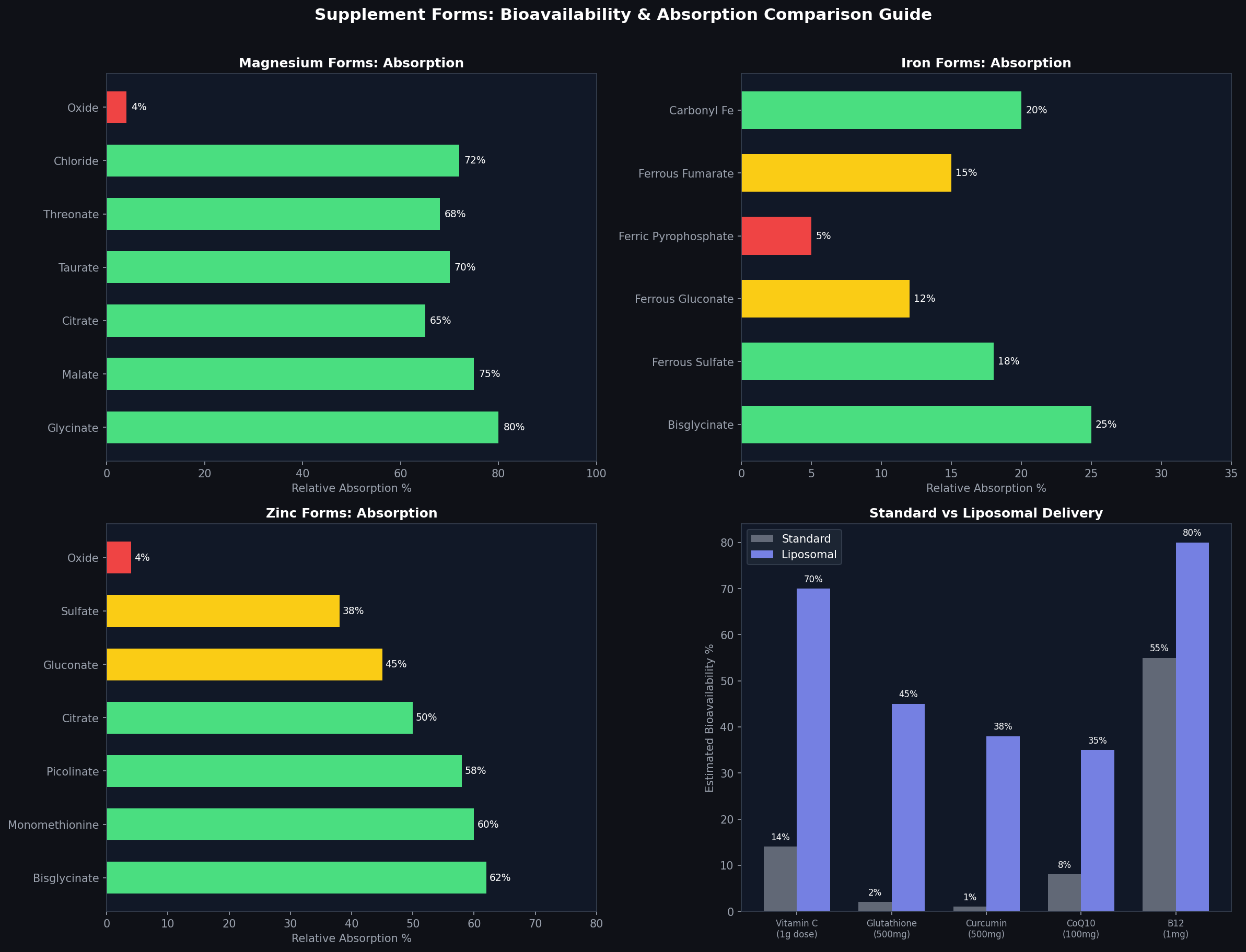
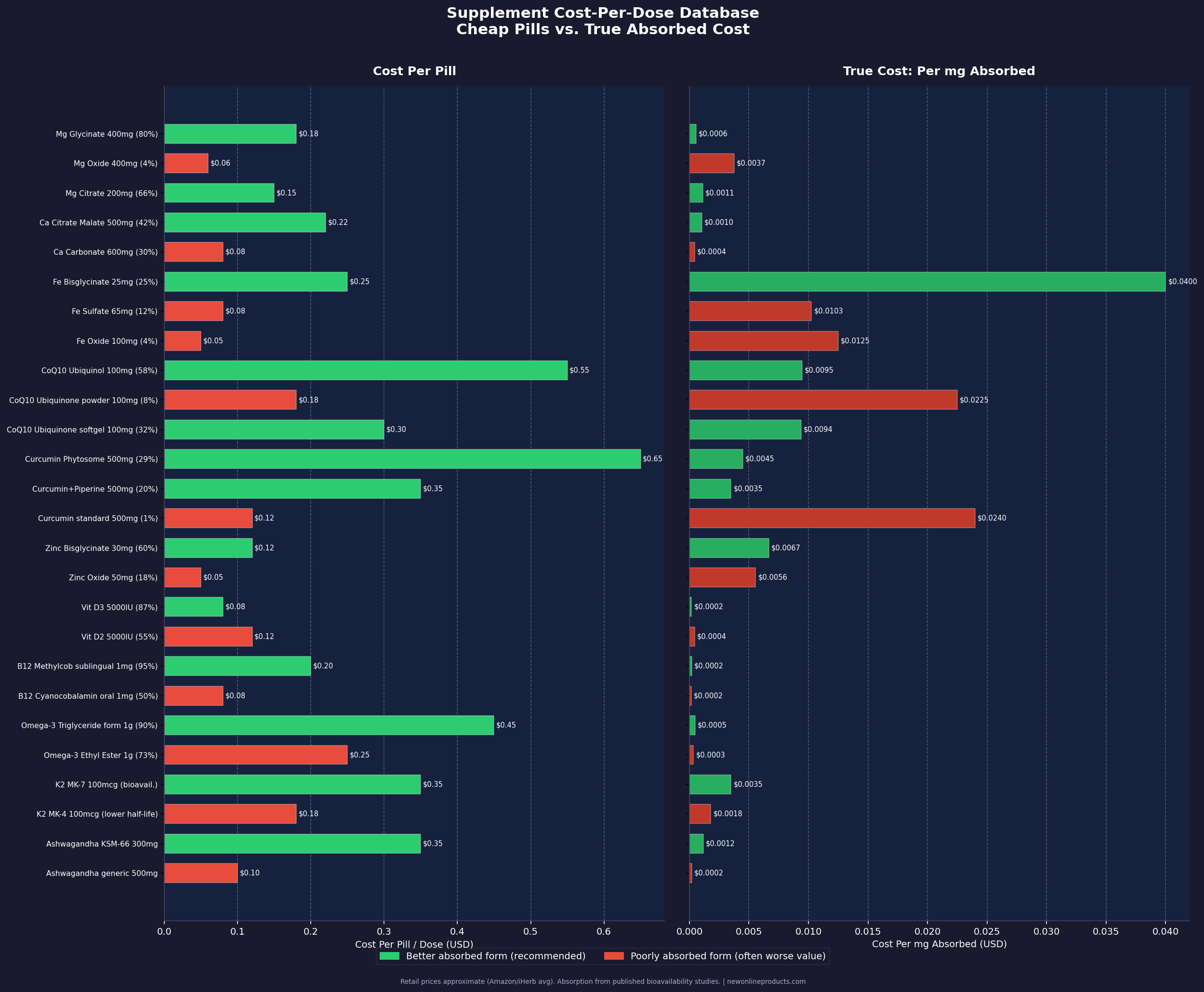
Quercetin bioavailability: Plain quercetin powder has poor oral bioavailability (2–7% in some estimates). For senolytic applications, products using quercetin phytosome (quercetin complexed with sunflower lecithin phospholipids) or other enhanced-bioavailability preparations significantly improve absorption. The brand Thorne Research offers quercetin phytosome with published bioavailability data.
Fisetin: The Other Plant-Based Senolytic With Emerging Data
Fisetin is a flavonoid found in high concentration in strawberries, also present in apples, onions, cucumbers, and persimmons. It has drawn significant attention as a senolytic following a 2018 study by Yousefzadeh et al. published in EBioMedicine by the Mayo Clinic group.
This landmark study found that fisetin was among the most potent senolytic flavonoids tested in their panel, producing greater senolytic activity than quercetin, luteolin, apigenin, and several other flavonoids. In aged mice, 5 days of high-dose fisetin treatment reduced senescent cell burden, reduced SASP markers, and extended median and maximum lifespan compared to controls.
The mechanism for fisetin includes inhibition of the PI3K/Akt/mTOR pathway and other anti-apoptotic signals, with some preliminary evidence that fisetin also clears senescent cells in the brain — a particularly important target given the role of neuroinflammation in cognitive aging.
Human fisetin studies are limited but the Mayo Clinic has ongoing trials (NCT03675724) examining fisetin in aging and Alzheimer’s disease populations. No large completed RCT yet. The preclinical data is impressive; human translation remains to be confirmed.
Dose used in research: High doses are used in mouse senolytic studies (normalized to human equivalent: roughly 100–500 mg/day fisetin). Dietary supplement products typically offer 100–500 mg/serving.
The Intermittent Senolytic Protocol
An important concept in senolytic supplementation that distinguishes it from conventional daily supplementation: senolytics are typically used intermittently, not daily.
The reasoning: senescent cells take time to accumulate. A senolytic course clears existing senescent cells; once cleared, the population takes weeks to months to rebuild. Taking senolytics daily provides no additional benefit during the time when senescent cell burden is low, and may cause unnecessary side effects (quercetin at very high doses can have anti-proliferative effects on dividing cells that you don’t want daily).
The typical intermittent protocol used in research and by practitioners in the longevity field:
D+Q protocol (research): 2 days/week for 3 weeks, then off for a period (e.g., monthly or quarterly cycles).
Quercetin/Fisetin consumer protocol: 3–5 consecutive days per month or per quarter.
This “pulse dosing” approach maximizes senolytic activity during the treatment window while minimizing any off-target effects during normal periods.
Piperlongumine and Navitoclax: Other Senolytics on the Horizon
Navitoclax (ABT-263): A BCL-2/BCL-XL inhibitor studied as a cancer drug. Extremely potent senolytic activity in mouse studies, but causes thrombocytopenia (platelet reduction) as an on-target side effect (platelets also depend on BCL-2 for survival). Under investigation in human trials for specific indications but not available OTC.
Piperlongumine: A natural compound from long pepper (Piper longum). Has shown senolytic activity in cell culture and some animal models. Available as a supplement. Less studied than quercetin or fisetin; early-stage evidence.
Ouabain and other cardiac glycosides: Cardiac glycosides (naturally found in plants like foxglove) have shown senolytic activity in research settings. Not appropriate for unsupervised supplementation due to narrow therapeutic windows and cardiac effects.
What About Rapamycin?
Rapamycin (sirolimus) is an mTOR inhibitor that is technically a “senomorphic” (suppresses SASP secretion) rather than a true senolytic (doesn’t clear senescent cells). It has remarkable longevity data in mice — showing lifespan extension even when started late in life — and is increasingly used off-label by longevity physicians in humans at low doses. It is a prescription drug with an important immune suppressive profile. Not discussed further here as it’s beyond the OTC supplement scope.
Current State of Human Evidence
The honest summary of where senolytic supplements stand in 2026:
Strong preclinical evidence: The mouse studies are genuinely impressive and have been replicated across multiple labs with genetic and pharmacological approaches. Senescence as a hallmark of aging is now mainstream biological consensus.
Early but promising human data: The Justice et al. 2019 D+Q trial in pulmonary fibrosis patients is the first clinical proof-of-concept; subsequent small trials have extended this. The Mayo Clinic trials pipeline includes multiple senolytic studies in human populations.
No completed large RCT in healthy aging: We don’t yet have a definitive 3–5 year randomized controlled trial showing that quercetin or fisetin supplementation reduces clinical aging outcomes in healthy humans. This is the gap between “promising” and “proven.”
Biological plausibility is high: The mechanism is well-understood, the animal data is strong, and the early human biomarker data is encouraging. This is not a case of “traditional use without mechanism” — the biology is rigorous.
Risk profile of natural senolytics is favorable: Quercetin and fisetin are flavonoids with long safety records at conventional supplement doses. The intermittent high-dose protocols used in senolytic research are more concentrated, but the compounds themselves are generally well-tolerated.
For those interested in longevity optimization on the frontier of what’s evidence-supported, natural senolytics represent one of the most scientifically grounded bets available. For those who prefer to wait for definitive human RCT evidence before investing in a supplement category, that evidence is likely 3–5 years away.
Practical Protocol for Natural Senolytics
If you decide to explore natural senolytics, here’s a rational approach:
Quercetin phytosome (for enhanced bioavailability): 500–1000 mg, 2–3 consecutive days per month. Use a phytosome form (Thorne Quercetin Phytosome or equivalent).
Fisetin: 500–1000 mg, same 2–3 consecutive days per month (can be stacked with quercetin). Look for products with verified fisetin content and third-party testing — adulteration in this category is a concern.
Combined D+Q (with physician supervision): The dasatinib component requires a prescription and medical supervision. Physicians practicing longevity medicine sometimes prescribe this combination.
Lifestyle foundations: Exercise itself has senolytic effects — particularly high-intensity interval training appears to reduce senescent cell accumulation in human studies. Caloric restriction and NAD+ precursors (NMN, NR) modulate aging pathways with overlapping relevance. Senolytics work best as part of a broader longevity strategy.
FAQ
Are senolytic supplements safe?
Quercetin and fisetin at standard supplement doses have good safety records from decades of use. The high-dose intermittent protocols used in senolytic research are more aggressive but still generally well-tolerated in reported trials. Dasatinib is a prescription cancer drug with significant potential side effects — only use under physician supervision.
Do senolytic supplements actually work in humans?
For certain clinical populations (pulmonary fibrosis patients, diabetic kidney disease patients) — early clinical data is positive. For healthy aging in the general population — no completed large RCT yet. The preclinical and early clinical evidence is more promising than most supplement categories, but not yet definitive.
How often should I take senolytic supplements?
Research protocols use intermittent dosing: 2–5 consecutive days per month or per quarter. Daily dosing is not appropriate for senolytics and may be counterproductive.
Can you get enough fisetin from strawberries?
Strawberries contain approximately 160 mcg/g of fisetin. To reach the 500–1000 mg doses used in research, you’d need several kilograms of strawberries daily — not feasible from food alone. Supplementation is necessary for the doses studied.
What is the best natural senolytic supplement?
Fisetin currently has the strongest preclinical senolytic evidence among natural flavonoids, per the Yousefzadeh et al. 2018 study. Quercetin phytosome has the most human clinical data (in the D+Q protocol). Both are reasonable; combining them is a common approach.
Key Takeaways
Cellular senescence — the accumulation of “zombie cells” that emit inflammatory SASP signals — is a major, mechanistically-established driver of aging and age-related disease.
Senolytics selectively eliminate senescent cells by targeting their anti-apoptotic survival pathways, reducing SASP burden and potentially restoring healthier tissue function.
Quercetin and fisetin are the most accessible natural senolytics, with fisetin showing strongest senolytic potency among flavonoids in the 2018 Mayo Clinic comparison study.
Use senolytics intermittently (2–5 days per month, not daily) — this mirrors the research protocols and avoids potential off-target effects.
The D+Q (dasatinib + quercetin) combination has the most advanced human clinical data but requires the prescription drug dasatinib.
The human evidence base is promising but not yet definitive for healthy aging populations; this is a scientifically grounded frontier category.
Quercetin phytosome formulations significantly improve bioavailability over standard quercetin powder.
Sources
Zhu, Y., et al., “The Achilles’ heel of senescent cells: from transcriptome to senolytic drugs,” Aging Cell, 2015.
Justice, J.N., et al., “Senolytics in idiopathic pulmonary fibrosis: Results from a first-in-human, open-label, pilot study,” EBioMedicine, 2019.
Yousefzadeh, M.J., et al., “Fisetin is a senotherapeutic that extends health and lifespan,” EBioMedicine, 2018.
Xu, M., et al., “Senolytics improve physical function and increase lifespan in old age,” Nature Medicine, 2018.
Campisi, J., et al., “From discoveries in ageing research to therapeutics for healthy ageing,” Nature, 2019.
van Deursen, J.M., “The role of senescent cells in ageing,” Nature, 2014.
Tchkonia, T., et al., “Cellular senescence and the senescent secretory phenotype: therapeutic opportunities,” Journal of Clinical Investigation, 2013.
López-Otín, C., et al., “The Hallmarks of Aging,” Cell, 2013.
Exercise as a Natural Senolytic
Before investing in supplements, it’s worth noting that exercise itself has demonstrated senolytic and senomorphic effects in multiple human and animal studies. A 2021 study by Englund et al. in Aging Cell found that resistance exercise training reduced markers of cellular senescence in skeletal muscle of older adults, supporting the view that vigorous exercise has meaningful senolytic and senomorphic effects.
In humans, regular vigorous aerobic exercise is associated with lower markers of cellular senescence and SASP in blood samples. The mechanisms likely include exercise-induced activation of autophagy (cellular cleanup) and apoptotic pathways that clear damaged and senescent cells.
This means that a lifestyle incorporating regular high-intensity exercise already provides meaningful senolytic activity — and that quercetin or fisetin supplementation works best as a complement to, not replacement for, an active lifestyle. For sedentary individuals, the first and highest-impact intervention for reducing senescent cell burden is likely not a supplement but a structured exercise program.