Quick Answer: MSM (methylsulfonylmethane) is an organic sulfur compound with genuine clinical evidence for reducing joint pain and inflammation, supporting exercise recovery, and contributing to hair, skin, and nail health. Research supports doses of 1–6 grams per day, and MSM is one of the better-supported non-pharmaceutical options for osteoarthritis and exercise-induced inflammation.
Sulfur tends to get overlooked in the supplement conversation, overshadowed by more glamorous minerals like magnesium or zinc. But sulfur is the third most abundant mineral in the human body — found in every living cell, essential for protein structure, enzyme function, glutathione synthesis, and connective tissue integrity. Methylsulfonylmethane (MSM) is the most bioavailable and well-studied dietary form of organic sulfur, and its clinical evidence base is considerably more robust than its relatively modest market profile would suggest.
MSM occurs naturally in small amounts in many fresh fruits, vegetables, meat, and dairy products, but processing and cooking dramatically reduce these amounts. The modern processed-food diet likely provides significantly less MSM than traditional whole-food diets, and supplemental MSM is produced through a reaction between dimethyl sulfoxide (DMSO) and hydrogen peroxide — a manufacturing process that produces a highly purified organic sulfur compound with good safety data.
What MSM Does in the Body: The Mechanisms
Understanding why MSM has the effects it does requires understanding sulfur’s role in human biochemistry:
Protein structure: Sulfur-containing amino acids (methionine, cysteine) form disulfide bonds that stabilize the three-dimensional structure of proteins. These bonds are particularly important in structural proteins like collagen, keratin (in hair and nails), and immunoglobulins.
Connective tissue formation: Sulfur is a component of glycosaminoglycans (GAGs) — the molecular scaffold of cartilage, tendons, ligaments, and joint fluid. Chondroitin sulfate, keratan sulfate, and heparan sulfate are all sulfur-containing GAGs. Without adequate sulfur, GAG synthesis is impaired and connective tissue quality suffers.
Glutathione synthesis: Cysteine, a sulfur-containing amino acid, is the rate-limiting substrate for glutathione synthesis. Glutathione is the body’s most important endogenous antioxidant. MSM supplementation may support glutathione production by providing bioavailable sulfur for cysteine synthesis.
Anti-inflammatory signaling: MSM appears to inhibit NF-κB activation — a master inflammatory transcription factor that drives production of pro-inflammatory cytokines including IL-6, TNF-α, and COX-2 (the enzyme targeted by NSAIDs). This anti-inflammatory mechanism is separate from sulfur provision and may be the primary driver of MSM’s joint pain effects.
The Joint Health Evidence
MSM has been most extensively studied for osteoarthritis (OA) — the degenerative joint disease affecting hundreds of millions of people worldwide. The research here is encouraging.
A 2006 randomized, double-blind, placebo-controlled trial by Kim et al. published in Osteoarthritis and Cartilage enrolled 50 men and women with knee OA and administered 3 grams of MSM twice daily (6 g total) for 12 weeks. The MSM group showed statistically significant improvements in pain scores (WOMAC index) and physical function compared to placebo, with the differences becoming significant by week 4 of supplementation. The researchers found no significant adverse effects.
A 2011 open-label pilot study by Usha and Naidu (The Physician and Sportsmedicine) compared MSM alone, glucosamine alone, and MSM + glucosamine in knee OA patients. All three groups showed improvement, but the MSM + glucosamine combination produced the greatest improvement in pain and swelling — suggesting the compounds may have additive or synergistic effects when combined. For the combined glucosamine/MSM approach, see our glucosamine chondroitin guide.
A 2015 systematic review in Surgical Technology International analyzed all available controlled studies on MSM for osteoarthritis and concluded that the evidence supports MSM as an effective intervention for reducing knee pain, with a favorable safety profile.
The working theory is that MSM’s anti-inflammatory activity reduces the pain and swelling of OA flares, while its role as a sulfur donor supports the maintenance of cartilage GAG matrix — addressing both the symptoms and (potentially) the underlying tissue health.
MSM for Exercise Recovery and Performance
MSM’s anti-inflammatory and antioxidant properties make it interesting for athletes and active individuals dealing with exercise-induced muscle damage and delayed-onset muscle soreness (DOMS).
A well-designed 2012 RCT by Kalman et al. published in the Journal of the International Society of Sports Nutrition examined MSM supplementation (3 g/day) in healthy non-athlete men who performed heavy resistance exercise. The MSM group showed significantly lower markers of exercise-induced oxidative stress (measured by homocysteine and TBARS) and significantly lower post-exercise pain scores at 48 and 72 hours post-exercise compared to placebo. Muscle damage markers (creatine kinase) were also reduced in the MSM group.
A 2013 study by Nakhostin-Roohi et al. in the Journal of Pharmaceutical Sciences specifically examined the antioxidant effects of MSM in marathoners, finding that 50-day supplementation with MSM at 3 g/day significantly reduced oxidative damage markers compared to placebo in a marathon context — one of the most oxidatively stressful athletic events.
These findings suggest MSM may help reduce the training-interrupting soreness and oxidative toll of intense exercise, potentially allowing higher training volumes or faster recovery between sessions.
Hair, Skin, and Nail Benefits
Keratin — the structural protein that makes up hair and nails — has among the highest cysteine content of any protein in the body. Since MSM provides bioavailable sulfur for cysteine synthesis, and since cysteine is the key limiting amino acid in keratin production, the theoretical basis for MSM’s hair and nail benefits is solid.
The direct evidence is more limited but supportive:
A 2017 observational study reported in Natural Medicine Journal found that women taking MSM at doses of 1–3 g/day for 16 weeks reported significant improvements in hair thickness, reduced hair shedding, and stronger nails compared to baseline measurements. While this study lacked a placebo control (an important limitation), the mechanism is plausible and consistent with clinical observations.
For skin health, MSM’s anti-inflammatory and collagen-supporting effects are relevant. A 2015 double-blind study published in Oxidative Medicine and Cellular Longevity found that MSM supplementation at 3 g/day for 16 weeks improved facial skin texture, reduced wrinkle appearance, and improved skin firmness compared to placebo in middle-aged women. The mechanism likely involves both direct collagen-supporting effects and reduction in inflammatory aging processes.
The combination of MSM with collagen supplements is logical: MSM provides the sulfur needed for crosslinking collagen fibers, while collagen provides the hydroxyproline and glycine amino acids that form the collagen backbone. For collagen-specific evidence, see our collagen guide and our hair growth supplements overview.
The MSM + Vitamin C Synergy
One of the less-discussed but important aspects of MSM supplementation is its relationship with vitamin C. Both compounds are involved in collagen synthesis:
Vitamin C is required for the hydroxylation of proline and lysine residues in procollagen — without it, collagen cannot achieve its characteristic triple-helix structure
MSM provides sulfur for disulfide bond formation and cysteine production
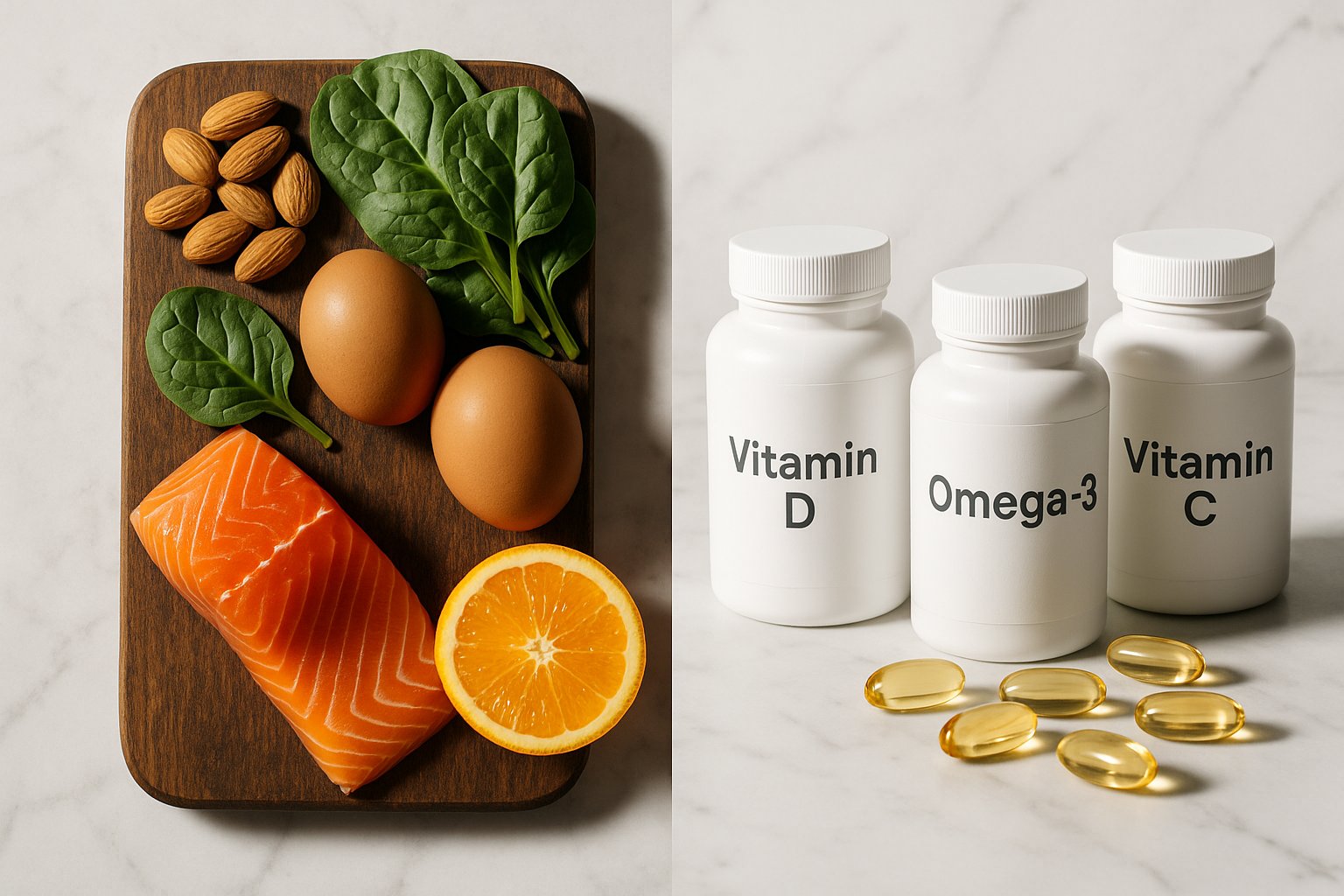
Taking MSM with vitamin C (500–1,000 mg) may amplify the connective tissue benefits of both compounds. Some commercial joint health formulas combine MSM, glucosamine, collagen, and vitamin C in a single product based on this synergy logic.
MSM Comparison and Formulation Considerations
Application
Evidence Quality
Effective Dose
Best Pairing
Osteoarthritis pain
Strong (multiple RCTs)
3–6 g/day
Glucosamine, vitamin C
Exercise recovery
Moderate (RCTs)
3 g/day
Collagen, vitamin C
Hair and nail health
Moderate (observational)
1–3 g/day
Collagen, biotin
Skin elasticity
Moderate (1 RCT)
3 g/day
Collagen, vitamin C
Anti-inflammatory
Mechanistic + RCTs
3–6 g/day
Turmeric, omega-3
Dosing Protocol
Clinical trials have used a wide range of MSM doses, from 1.5 g/day to 6 g/day, with most positive joint pain studies using 3–6 g daily. The 3 g/day dose (often split into two 1.5 g doses with meals) represents a practical starting point for joint support and exercise recovery. For more aggressive joint pain management in OA, 6 g/day has been used safely.
Starting protocol:
Week 1–2: 1 g/day (allow adjustment period)
Week 3+: 1.5–3 g/day in 2 divided doses with meals
Maximum studied doses of 6 g/day have good safety data; doses above this have not been well-studied in humans.
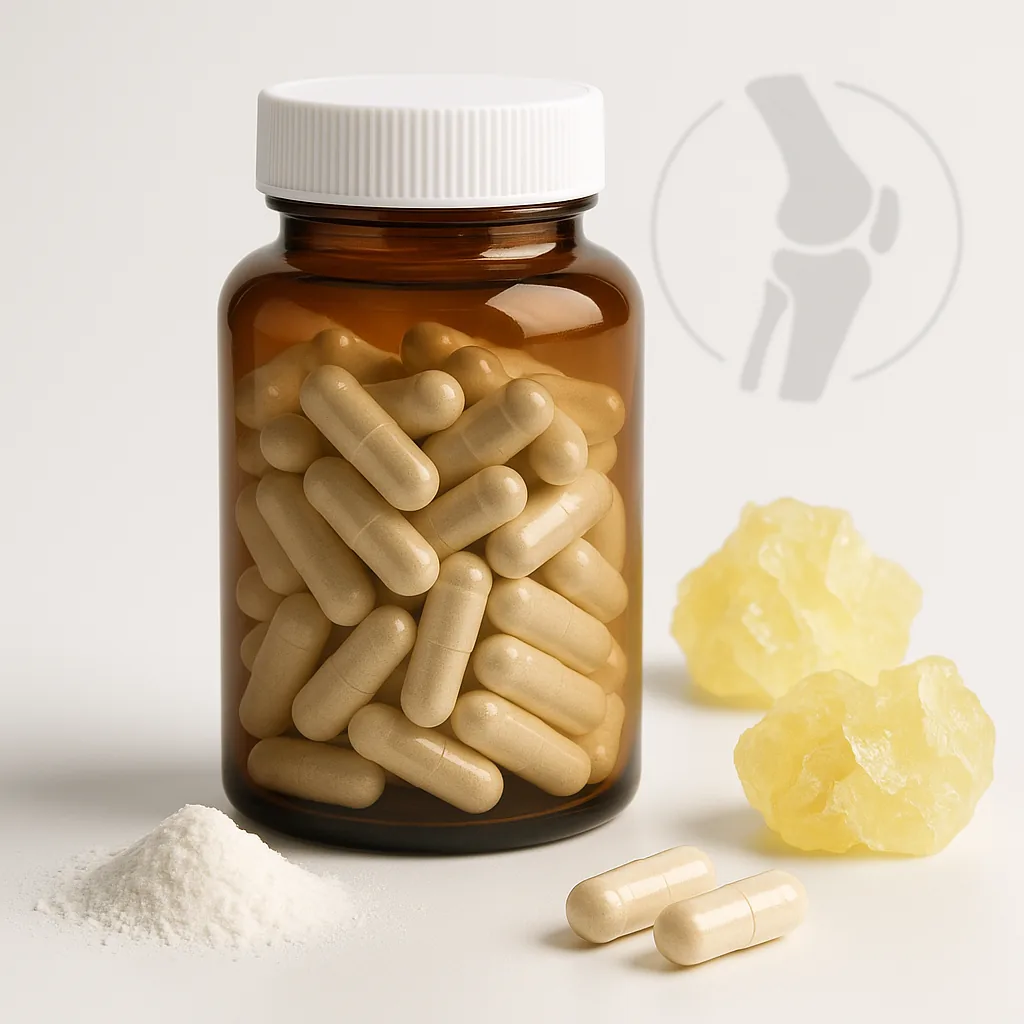
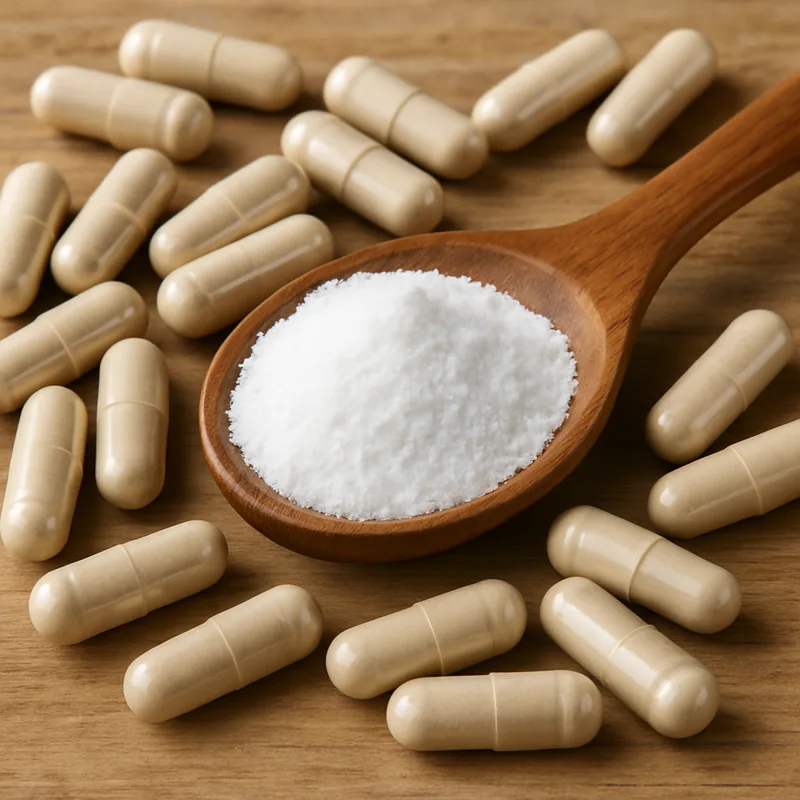
MSM supplements come in both powder and capsule forms. The powder form is more economical at higher doses and mixes easily with water; it has a slightly sulfurous smell and mild taste. Many users prefer capsules for convenience.
Distinguishing Quality MSM
OptiMSM (from Bergstrom Nutrition) is the most clinically studied branded MSM on the market and has been used in many of the key research trials. While generic MSM is chemically identical in principle, OptiMSM carries multi-stage distillation quality assurance and independent verification. Products featuring OptiMSM as the ingredient source have the most research backing.
Key quality considerations:
Distillation vs. crystallization: Distilled MSM (like OptiMSM) undergoes additional purification steps compared to crystallized MSM. Both are generally pure, but distilled products have a longer track record in research.
Third-party testing for heavy metals and contaminants
Avoid products with unnecessary fillers, especially silicon dioxide at high concentrations
Safety Profile
MSM has an excellent safety record with over 20 years of widespread human use and multiple clinical trials demonstrating tolerability. The LD50 (lethal dose 50) in animal studies is extremely high — similar to water — indicating very low acute toxicity.
Common mild side effects at high doses (>6 g/day) include:
Digestive discomfort, nausea, or loose stools — typically resolved by taking with food and splitting doses
Headaches in the first few days of use — generally attributed to “detox” effects as glutathione-dependent detoxification pathways are upregulated, though this interpretation is speculative
MSM is generally considered safe in pregnancy at food-level amounts, but supplement doses during pregnancy should be discussed with a healthcare provider given limited specific data.
Key Takeaways
MSM (methylsulfonylmethane) provides bioavailable organic sulfur essential for connective tissue, keratin, and glutathione synthesis
The strongest evidence supports MSM for osteoarthritis joint pain — multiple RCTs show significant pain and function improvement at 3–6 g/day
MSM at 3 g/day may reduce exercise-induced muscle soreness and oxidative stress in athletes
Hair, skin, and nail benefits have supporting evidence from both mechanistic and clinical data
MSM + glucosamine combination appears more effective than either alone for OA
OptiMSM is the best-studied branded form; distilled MSM has the most quality validation
Pairing with vitamin C amplifies collagen-synthesis benefits
Excellent safety profile; standard clinical doses (3–6 g/day) are very well tolerated
Frequently Asked Questions
How long does it take for MSM to work for joint pain?
Clinical trial data suggests initial improvements in pain scores at 4 weeks, with the most significant improvements typically observed at 8–12 weeks. Like many anti-inflammatory supplements, MSM’s effects build progressively. Don’t evaluate effectiveness after just a week or two.
Can I take MSM and glucosamine together?
Yes, and the evidence suggests the combination may be superior to either alone. MSM provides sulfur for GAG synthesis; glucosamine provides the sugar building block. They work through complementary mechanisms and are frequently combined in commercial joint formulas.
Is MSM safe to take long-term?
The available evidence — including safety studies and widespread long-term use without reported serious adverse events — suggests MSM is safe for long-term daily supplementation at doses up to 6 g/day. It has a GRAS (Generally Recognized As Safe) designation from FDA for use in food.
Does MSM cause a detox reaction?
Some people report mild headaches, fatigue, or skin changes in the first 1–2 weeks of MSM supplementation. Whether this represents a true “detox” effect or simply adjustment to increased sulfur load and glutathione activity is debated. Starting at a lower dose (1 g/day) and gradually increasing over 2–3 weeks minimizes this effect for most people.
Is powdered MSM as effective as capsules?
Powdered MSM and capsule MSM are chemically identical and should have the same biological activity. The powder form may allow more flexible dosing and is typically more economical at higher doses. The main disadvantage is the mild taste and occasional clumping in humid conditions.
Sources
Kim, L.S., et al., “Efficacy of methylsulfonylmethane (MSM) in osteoarthritis pain of the knee: a pilot clinical trial,” Osteoarthritis and Cartilage, 2006.
Usha, P.R., and Naidu, M.U., “Randomised, double-blind, parallel, placebo-controlled study of oral glucosamine, methylsulfonylmethane and their combination in osteoarthritis,” Clinical Drug Investigation, 2004.
Kalman, D.S., et al., “A randomized, double-blind, placebo-controlled pilot study of the efficacy and safety of MSM (methylsulfonylmethane) on exercise-induced oxidative stress,” Journal of the International Society of Sports Nutrition, 2012.
Nakhostin-Roohi, B., et al., “Effect of single dose administration of methylsulfonylmethane on oxidative stress following acute exhaustive exercise,” Iranian Journal of Pharmaceutical Research, 2011.
Muizzuddin, N., et al., “Physiological and biochemical effects of methylsulfonylmethane (MSM) supplementation on skin,” Oxidative Medicine and Cellular Longevity, 2015.




Leave a Reply