

Quick Answer: Sea moss (Irish moss, Chondrus crispus) is a nutrient-dense red algae that contains meaningful amounts of iodine, potassium, magnesium, and prebiotic fiber. Some benefits are genuinely supported by plausible biology—gut health, thyroid function (with caution), and minerals. Most of the dramatic claims circulating on social media (libido enhancement, cancer prevention, clearing mucus, etc.) are not supported by human clinical trials. The biggest real concern is iodine excess—too much sea moss can actually harm thyroid function.
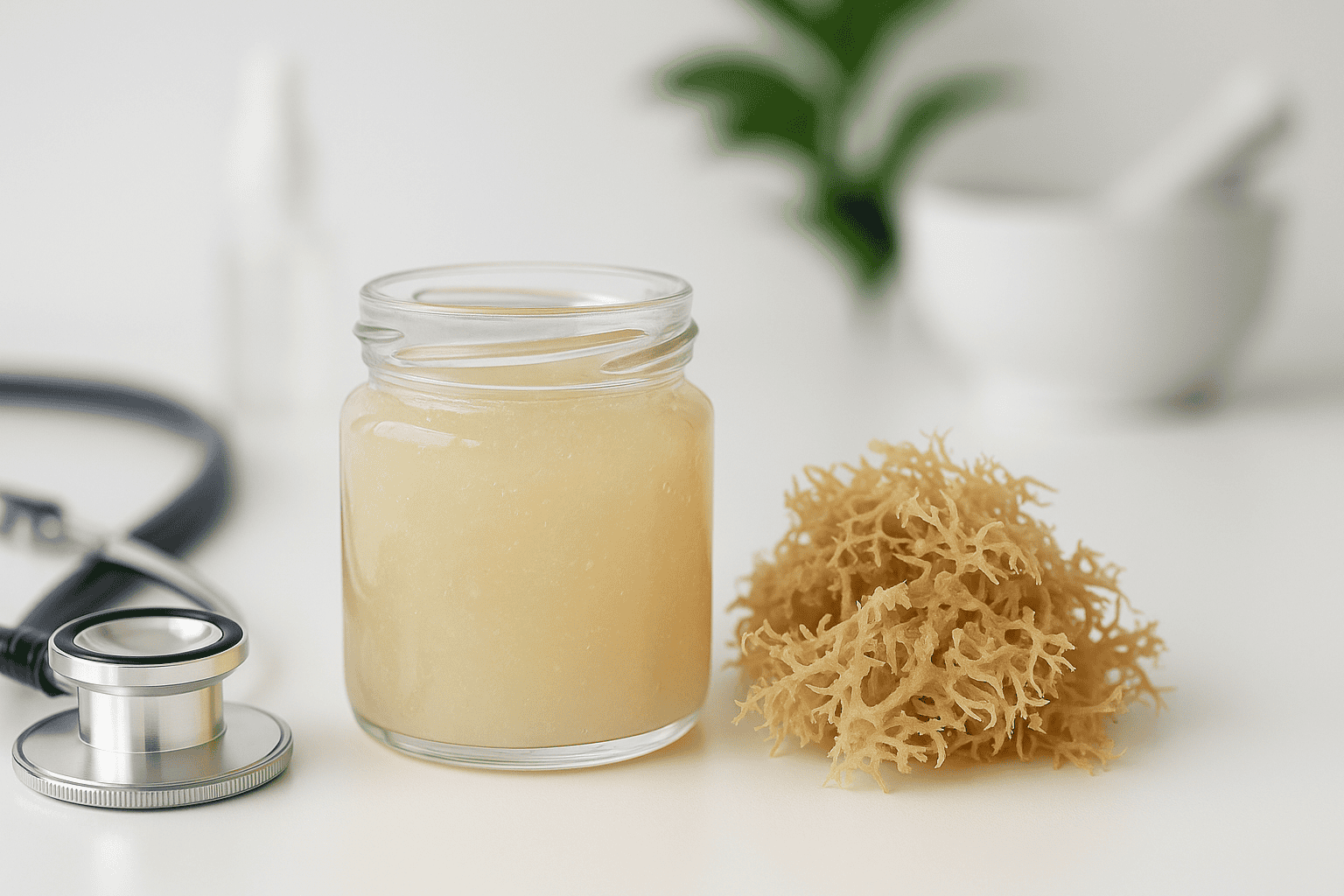
Sea moss has become one of the most viral supplements on TikTok and Instagram, promoted by influencers, celebrities (famously Kylie Jenner), and wellness accounts making sweeping claims about 92 minerals, immune boosting, and even sexual enhancement. Some of these claims have real biological plausibility. Many others are pure hype.
This guide examines what sea moss actually contains, what the science does and doesn’t support, and what risks you should know before buying—especially the iodine story, which the wellness community almost universally ignores.
What Is Sea Moss?
“Sea moss” is a catch-all term applied to several species of red algae, most commonly:
- Chondrus crispus (Irish moss): A reddish-purple algae native to the rocky Atlantic coasts of Ireland, the UK, and North America. Traditionally used in Ireland and the Caribbean as a food thickener and folk remedy.
- Gracilaria species: Often sold as “sea moss” or “gold sea moss,” particularly in Caribbean traditions. Lighter in color (gold to yellow-green). Different nutritional profile than Chondrus crispus.
- Eucheuma cottonii (Kappaphycus alvarezii): A tropical species widely farmed in Southeast Asia for carrageenan production. Sometimes sold as sea moss.
These species are not equivalent, but they’re often treated interchangeably in supplement marketing. The species, growing conditions, harvest location, and processing method all significantly affect the nutritional content of any product you buy.
What Sea Moss Actually Contains
Mineral Content: The “92 Minerals” Claim
The claim that sea moss contains “92 out of 102 minerals the human body needs” is pervasive online and almost entirely without scientific foundation. This figure appears to trace back to the teachings of Dr. Sebi (Alfredo Darrington Bowman), a self-proclaimed healer whose nutritional claims were not based on scientific research and who was convicted of health fraud-adjacent activities in multiple jurisdictions.
What sea moss actually contains in meaningful amounts:
- Iodine: This is the standout mineral. Seaweed is one of the richest dietary sources of iodine, though levels vary enormously by species and growing location.
- Potassium: Sea moss is a reasonable source; contributes to electrolyte balance.
- Magnesium: Present in moderate amounts.
- Calcium: Lower levels than dairy but present.
- Iron: Some iron content; not highly bioavailable from plant sources.
- Zinc: Small amounts present.
- Selenium: Can be present, though highly variable.
A 2021 analysis published in scientific literature on seaweed nutrition found wide variability in mineral content across species and growing locations, making blanket mineral content claims difficult to substantiate for commercial products.
The reality: Sea moss contains a variety of minerals, as many plant foods do. “92 minerals” is marketing mythology. The minerals actually present—particularly iodine and potassium—are real but should be evaluated based on actual quantities, not impressive-sounding counts.
Carbohydrates and Fiber
Approximately 55–60% of sea moss dry weight is carbohydrate, predominantly in the form of polysaccharides:
- Carrageenan: A sulfated polysaccharide used widely in the food industry as a thickener and emulsifier. More on this below—it’s controversial.
- Fucoidan: A sulfated polysaccharide with significant in vitro and animal research showing anti-inflammatory, anticoagulant, and potential anti-cancer activity. Note: in vitro data does not equal human benefits.
- Agar: Another structural polysaccharide; forms the gel-like consistency of sea moss gel.
- Dietary fiber: Sea moss provides both soluble and insoluble fiber, contributing to prebiotic potential.
Protein
Sea moss is relatively low in protein (approximately 2–5g per 100g dry weight) and lacks some essential amino acids, making it a poor standalone protein source.
Vitamins
Sea moss contains small amounts of B vitamins (B1, B2, B6, B12 in some species), vitamin C, and vitamin K. The B12 content in some red algae is notable but typically in a pseudovitamin B12 form that is poorly bioavailable compared to animal-sourced B12.
The Iodine Story: Why Sea Moss Can Actually Harm Your Thyroid
This is the most important thing most sea moss advocates don’t tell you.
The thyroid gland requires iodine to produce thyroid hormones (T3 and T4), which regulate metabolism, energy, and nearly every organ system. Iodine deficiency causes goiter and hypothyroidism—a genuine global health problem affecting hundreds of millions.
Here’s the problem with sea moss: Iodine content in seaweed is highly variable and can be extremely high.
Research on seaweed iodine content, including a systematic review analyzing iodine levels across seaweed species, has documented:
- Chondrus crispus (Irish moss): typically 50–200 mcg of iodine per gram dry weight—but this varies enormously
- Some red algae tested at levels exceeding 500 mcg/g dry weight
The recommended daily intake for iodine is 150 mcg for adults. The tolerable upper limit set by the National Institutes of Health is 1,100 mcg/day.
A standard sea moss gel serving of 1–2 tablespoons (approximately 4–8g) could easily contain 400–1,600 mcg or more of iodine, depending on the species and harvest conditions. Daily use at common supplement doses can readily exceed the tolerable upper limit.
Consequences of excess iodine:
Too much iodine can trigger:
- Hyperthyroidism (overactive thyroid), particularly in people with Graves’ disease or toxic nodular goiter
- Hypothyroidism via the Wolff-Chaikoff effect—paradoxically, very high iodine can suppress thyroid hormone production in some people
- Autoimmune thyroid flares in people with Hashimoto’s thyroiditis (a common condition)
- Worsening of existing thyroid disease in people on thyroid medication
Studies from Japan, where seaweed consumption is high, have documented iodine-induced thyroid dysfunction at population level. The Japanese RDA for iodine is higher than Western standards specifically because traditional seaweed consumption is factored in.
Practical implication: If you have any thyroid condition, take thyroid medication (levothyroxine/Synthroid), or have a family history of thyroid disease, consult your doctor before taking sea moss supplements. Even healthy people should not consume sea moss daily without knowing the iodine content per serving—a detail that most supplement labels do not provide.
Sea Moss and Gut Health: What the Evidence Actually Says
The Prebiotic Argument
Sea moss contains significant amounts of soluble fiber, including carrageenan and fucoidan. Soluble fibers can serve as prebiotics—substrates that selectively feed beneficial gut bacteria, promoting a healthy microbiome.
In vitro fermentation studies have shown that sea moss polysaccharides are fermented by gut bacteria, producing short-chain fatty acids (SCFAs) like butyrate, propionate, and acetate—which are beneficial for gut lining integrity and systemic inflammation.
A 2019 study published in the Journal of Nutritional Science (examining seaweed polysaccharides broadly) demonstrated that fucoidan from brown seaweeds promoted growth of Bifidobacterium and Lactobacillus strains in simulated gut fermentation models.
The problem: This is fermentation model data, not human clinical trial data. Whether eating sea moss reliably improves gut microbiome composition in real humans—and whether those changes produce clinically meaningful outcomes—is not established by current RCTs.
The Carrageenan Controversy
Carrageenan—one of sea moss’s primary polysaccharides—has a surprisingly contentious scientific history.
Degraded carrageenan (poligeenan), produced by acid hydrolysis, causes intestinal inflammation and ulcers in animal models and is classified as a possible carcinogen (Group 2B) by the International Agency for Research on Cancer. It has no role in food or supplements.
Food-grade carrageenan (the form in sea moss and widely used as a food additive) has a much less clear picture. Some researchers and consumer advocacy groups argue that food-grade carrageenan can also cause intestinal inflammation, particularly in people with inflammatory bowel disease. Others, including major food regulatory agencies (FDA, EFSA), maintain that food-grade carrageenan at typical dietary exposures is safe.
The International Agency has not classified food-grade carrageenan as carcinogenic. However, people with IBD (Crohn’s disease, ulcerative colitis) are often advised by gastroenterologists to minimize carrageenan exposure due to theoretical irritation concerns.
Bottom line on gut health: The prebiotic fiber in sea moss is a real potential benefit. The carrageenan controversy adds uncertainty. For people with healthy guts, moderate consumption is unlikely to cause problems. People with IBD should use caution.
Skin Health Claims: Plausible but Unproven
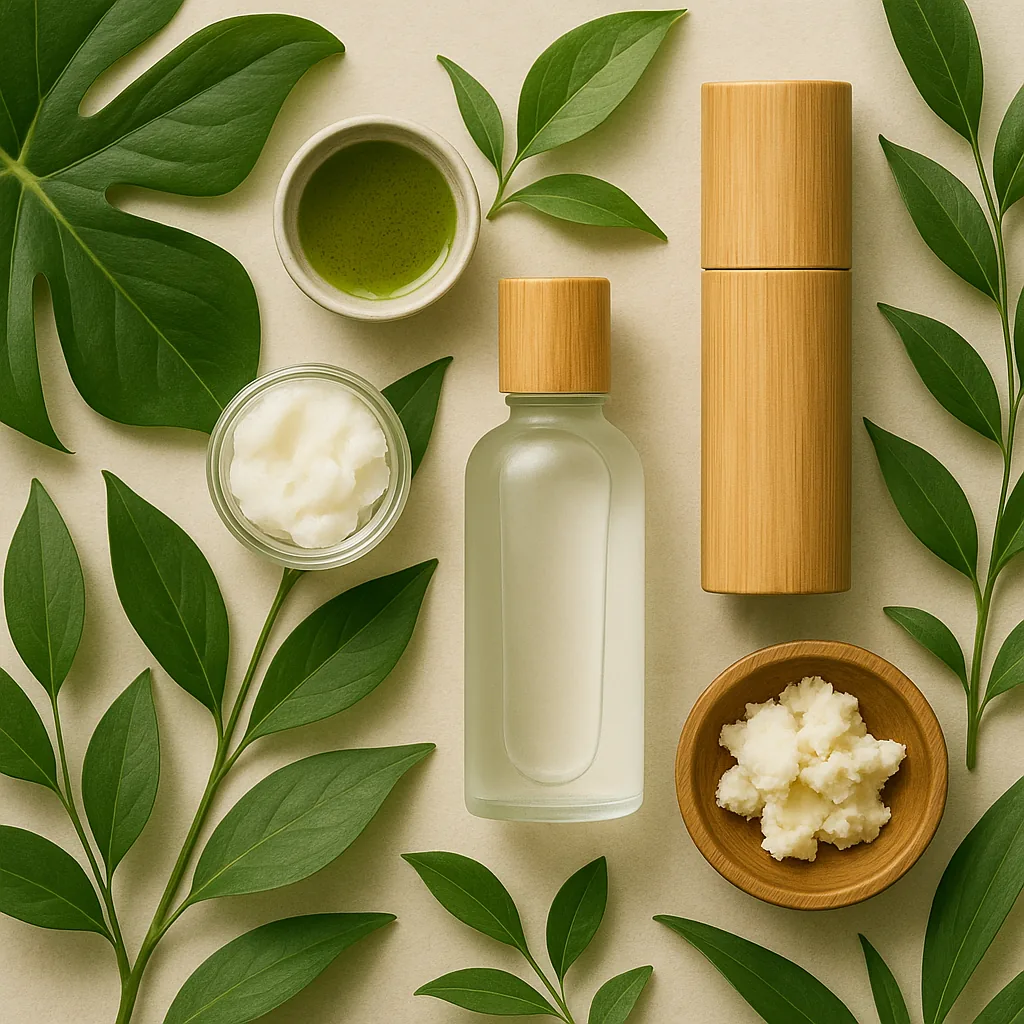
Sea moss is increasingly appearing in topical skincare products alongside oral supplements. The basis for skin claims involves:
- Citrulline: Some seaweed species contain citrulline; in the skin, citrulline participates in wound healing pathways
- Vitamins and antioxidants: The antioxidant content of sea moss may protect skin cells from oxidative damage
- Hydration: Sea moss gel is mucilaginous (forms a hydrating film), which may provide barrier support topically
- Collagen support: Some argue the mineral content supports collagen synthesis
There are no published RCTs demonstrating that oral sea moss supplementation improves skin outcomes. Topical sea moss in skincare is an emerging area with in vitro support but no established clinical trial evidence.
Thyroid Support Claims: Complicated
The flip side of the iodine risk is legitimate: people with iodine-deficient hypothyroidism may benefit from adequate iodine intake, and sea moss provides iodine. However:
- Iodine deficiency is uncommon in most Western countries with iodized salt
- The dose from sea moss is unpredictable and can overshoot the therapeutic range
- Hashimoto’s thyroiditis (autoimmune hypothyroidism) is actually worsened by excess iodine in many patients
Sea moss is not a safe, reliable way to support thyroid health without knowing your baseline iodine status and the exact iodine content of your product.
Immune Health: What We Can and Can’t Say
Seaweed polysaccharides, including beta-glucans and fucoidans, have demonstrated immune-modulating activity in vitro and in animal studies:
- Fucoidans have shown antiviral activity against HSV, HPV, and influenza in cell culture and animal models
- Some seaweed polysaccharides activate macrophages and natural killer cells in rodent studies
- Anti-inflammatory effects have been documented in animal inflammation models
Translation to humans: In vitro immune stimulation is extremely common for plant compounds and often does not translate to meaningful clinical immune benefits in healthy humans. The human immune system is highly regulated; “stimulating” it with supplements is not straightforward and can cause harm in people with autoimmune conditions.
No published human RCTs support the claim that sea moss supplementation measurably improves immune function or reduces illness frequency.
What About the “Mucus Clearing” Claim?
A popular claim on TikTok is that sea moss “clears mucus” from the lungs, gut, and body. This is almost entirely folk medicine without scientific basis. Sea moss gel has demulcent properties (it coats mucous membranes), which may soothe irritation—similar to how marshmallow root or slippery elm are used in traditional medicine. This is not the same as “clearing” mucus or treating respiratory conditions.
Sea Moss vs. Other Seaweed Supplements: How It Compares
Sea moss is one of many seaweed-based supplements now on the market. Understanding how it compares helps clarify its actual value proposition:
Spirulina: A blue-green algae (technically a cyanobacterium) with a very different profile—high in protein (~60% by dry weight), B vitamins, and antioxidants like phycocyanin. More studied than sea moss; better evidence for antioxidant and mild anti-inflammatory effects. Sea moss and spirulina are often combined in supplement products.
Chlorella: Another micro-algae; high in protein and chlorophyll, with some evidence for heavy metal binding (used in detox protocols). Different mechanism and nutritional profile from sea moss.
Kelp: Brown algae, extremely high in iodine (even higher than Irish moss in many cases). Used specifically for thyroid support in iodine-deficient populations; not appropriate for daily supplementation without iodine monitoring.
Bladderwrack (Fucus vesiculosus): A brown seaweed high in fucoidan; often combined with sea moss in supplements marketed for thyroid and metabolic health. Contains significant iodine and fucoidans. The combination of sea moss + bladderwrack is common in Caribbean folk medicine traditions.
Sea moss’ unique position: Among common seaweed supplements, sea moss (Chondrus crispus) has the richest traditional use history for demulcent (soothing) properties, modest prebiotic fiber content, and culinary versatility (it forms a gel used as a thickener). It’s not the most nutrient-dense seaweed supplement by any metric, but it has the widest traditional food use history and the most mainstream commercial momentum.
The Sea Moss Gel Trend: Food vs. Supplement
In the Caribbean and Irish traditions, sea moss has been used primarily as food: added to stews, porridges, smoothies, and drinks for its thickening properties and nutritional contribution. Sea moss “gel”—made by soaking and blending dried sea moss—is the traditional preparation.
This food-as-supplement approach is meaningfully different from taking concentrated capsules:
- Gel contains the whole food matrix: fiber, minerals, and structural polysaccharides are intact
- Portions are naturally moderate: 1–2 tablespoons added to a smoothie is a very different dose than 4 capsules of concentrated powder
- Iodine risk is more manageable with gel because the dilute preparation limits overconsumption
When sea moss went viral on TikTok, the marketing shifted from traditional food use to miracle supplement—a transition that amplified both the enthusiasm and the misinformation. The traditional Caribbean and Irish use was modest, integrated into a varied diet, and never claimed to cure diseases.
What Sea Moss Won’t Do
To be direct about the unsupported claims:
- Not proven to enhance libido or sexual performance (no human RCT evidence)
- Not proven to treat cancer (in vitro data for fucoidan compounds; no clinical trials)
- Not proven to “detox” or cleanse organs (no defined mechanism or clinical data)
- Not proven to clear mucus from lungs or gut
- Does not contain 92 minerals in meaningful amounts (marketing claim without scientific basis)
- Not a reliable treatment for hypothyroidism due to variable and potentially excessive iodine content
How to Use Sea Moss Safely (If You Choose To)
If you decide to try sea moss, here’s how to reduce risk and maximize what genuine value it may offer:
Choose your form carefully:
- Whole dried sea moss or gel: Most nutrient-dense; requires you to source from reputable suppliers with iodine content data
- Capsules/powder: More convenient; look for brands that disclose iodine content per serving
- Liquid extracts: Variable; most don’t disclose iodine content
Dosing:
- Traditional use: 1–2 tablespoons of sea moss gel per day
- Supplement capsules: follow label guidance
- Do not exceed doses that push iodine intake past the 1,100 mcg upper limit
Check iodine content: A responsible brand will test and disclose the iodine content per serving. If they don’t, assume the iodine content is unknown and potentially high.
Who should avoid sea moss or consult a doctor first:
- Anyone with thyroid disease (hypo- or hyperthyroidism)
- People taking thyroid medication
- People with IBD
- Pregnant women (iodine upper limits are especially important during pregnancy)
- People on blood thinners (carrageenan and fucoidan have mild anticoagulant properties)
Frequently Asked Questions
Is sea moss actually good for you?
As a whole food ingredient, sea moss is nutritious—it provides minerals, fiber, and some vitamins. As a daily supplement making dramatic health claims, the evidence doesn’t support most of what’s promoted online. The most legitimate benefits are its prebiotic fiber content and mineral contribution (particularly for people with low dietary iodine). The most significant risk is excessive iodine intake.
How much sea moss should I take per day?
Most traditional preparations use 1–4 tablespoons of sea moss gel per day. Because iodine content varies so widely, there’s no safe universal dose recommendation. If the product you’re using has documented iodine content per serving, you can calculate your intake against the 1,100 mcg upper limit. Most people should limit use to a few times per week rather than daily to avoid cumulative iodine excess.
Can sea moss hurt your thyroid?
Yes, it can—particularly at high doses or with daily use. Sea moss contains significant and variable amounts of iodine. Excess iodine can trigger hyperthyroidism, paradoxically worsen hypothyroidism (Wolff-Chaikoff effect), and cause flares in Hashimoto’s autoimmune thyroiditis. Anyone with a thyroid condition should consult their doctor before using sea moss regularly.
What’s the difference between Irish moss and sea moss?
Irish moss typically refers specifically to Chondrus crispus, the North Atlantic red algae. “Sea moss” is a broader term used in Caribbean traditions that often refers to Gracilaria species or other red algae. They’re different species with different nutritional profiles. Most of the traditional folk medicine literature refers to Chondrus crispus; most commercial sea moss products today are Gracilaria or Eucheuma species, which are easier and cheaper to farm.
Is sea moss gel better than capsules?
Neither is clearly superior. Gel made from whole dried sea moss preserves more of the food matrix, including fiber and minerals. Capsules offer convenience and more consistent dosing if the manufacturer tests for iodine content. For people supplementing specifically for fiber/prebiotic benefits, gel from quality whole sea moss may be preferable. For convenience and standardized dosing, capsules from a transparent brand are easier to manage safely.
Can sea moss help with weight loss?
Sea moss contains carrageenan, a soluble fiber that can increase satiety by slowing gastric emptying. In theory, this could support appetite control. However, no RCTs have tested sea moss specifically for weight loss in humans. The fiber content contribution (typically 0.5–2g per serving) is too modest to expect significant independent weight loss effects.
The Bottom Line
Sea moss is a nutritious red algae with a legitimate place in a balanced diet—particularly as a source of prebiotic fiber and minerals. Some of the science surrounding seaweed-derived compounds (fucoidan, carrageenan polysaccharides) is genuinely interesting, though largely at the in vitro and animal model stage.
What it’s not: a miracle supplement that provides 92 essential minerals, clears mucus from your body, reverses disease, or enhances libido. The TikTok claims dramatically exceed what human clinical evidence supports.
The most important and consistently overlooked issue: iodine toxicity. Anyone considering daily sea moss supplementation should know their baseline iodine intake, choose products with documented iodine content per serving, and consult their doctor if they have any thyroid history.
Used intelligently—in moderate amounts, from transparent brands, with awareness of iodine intake—sea moss can be a worthwhile addition to a nutrient-dense diet. Just ignore the hype.
Related Articles
- Longevity Supplements: Complete Guide 2026
- How to Buy Supplements: Third-Party Testing, NSF, USP, and Red Flags
- Skin Supplements That Actually Help Dryness: An Evidence Check
- Best Magnesium Supplements in 2026: Sleep, Cramps, Stress, and Constipation Uses Compared
- Best Supplements for Depression 2026
Sources
- Teas J, Pino S, Critchley A, Braverman LE. Variability of iodine content in common commercially available edible seaweeds. Thyroid. 2004;14(10):836–841. https://pubmed.ncbi.nlm.nih.gov/15588380/
- Marín A, Casas-Arrojo V, Arrojo-Agudo MA, et al. Immunomodulatory, Antioxidant Activity and Cytotoxic Effect of Sulfated Polysaccharides from Chondrus crispus (Stackhouse, 1797). Biomolecules. 2021;11(2):204. https://pubmed.ncbi.nlm.nih.gov/33546204/
- Bedoux G, Hardouin K, Burlot AS, Bourgougnon N. Bioactive Components from Seaweeds: Cosmetic Applications and Future Development. Adv Bot Res. 2014;71:345–378. https://pubmed.ncbi.nlm.nih.gov/25177133/
- Bito T, Okumura E, Fujishima M, Watanabe F. Potential of Chlorella as a Dietary Supplement to Promote Human Health. Nutrients. 2020;12(9):2524. https://pubmed.ncbi.nlm.nih.gov/32825362/
- Hotchkiss AT Jr, Nuñez A, Strahan GD, Ondrus MG, Brown E, Revellame E. Chemical Characterization of Kappaphycus alvarezii (Rhodophyta) Grown in Bioreactors. J Agric Food Chem. 2020;68(37):9856–9867. https://pubmed.ncbi.nlm.nih.gov/31625757/
- Ngo DH, Kim SK. Sulfated polysaccharides as bioactive agents from marine algae. Int J Biol Macromol. 2013;62:70–75. https://pubmed.ncbi.nlm.nih.gov/23969058/
Leave a Reply