Creatine for Women and Seniors: Benefits, Dosing, Safety, and Best Picks
Quick Answer: For most women and seniors, 3-5 grams of creatine monohydrate daily is the best-tested, most affordable strategy for supporting strength, lean mass, and healthy aging goals. It works best when paired with resistance training and adequate protein, and it has a strong safety record in healthy adults.
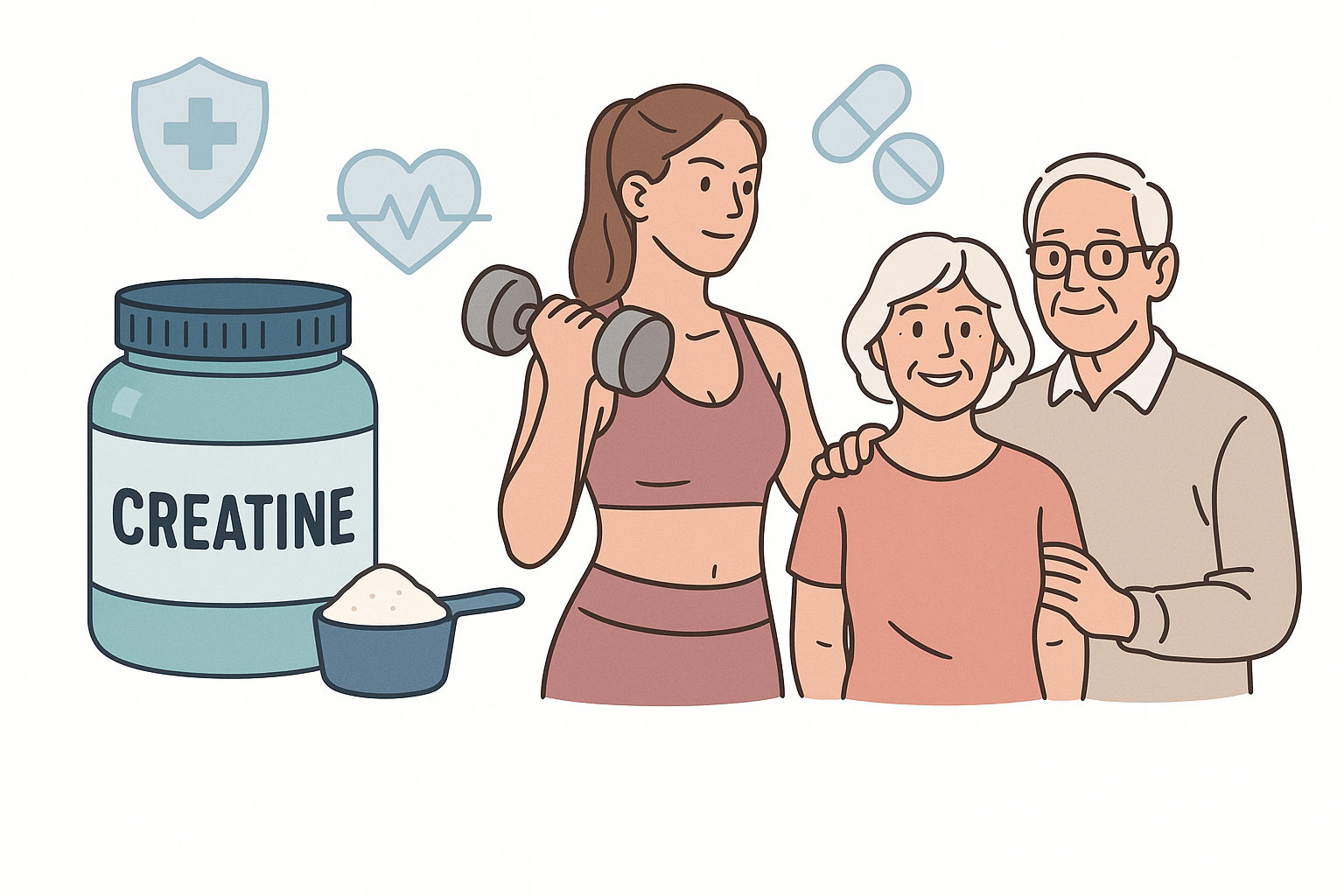
Creatine still gets treated like a bodybuilding supplement, which is a shame, because women and older adults may have the most to gain from it. It is inexpensive, well studied, easy to use, and supported by a large body of sports-nutrition and healthy-aging research.
For women, creatine may support strength, training capacity, and brain energy during life stages where sleep, stress, and hormones create extra strain. For seniors, it can be part of a smart strategy against sarcopenia, frailty, and declining physical function.
Why creatine matters for women and older adults
Creatine helps support lean mass and strength
Creatine works by increasing phosphocreatine stores, which helps regenerate ATP during high-energy demand. In practical terms, that means better performance during resistance training and, over time, better strength and lean-mass outcomes.
Meta-analyses in older adults show that creatine combined with resistance training improves muscle mass and strength more than training alone (Devries & Phillips, PLOS ONE, 2014; Chilibeck et al., Med Sci Sports Exerc, 2017).
Women may be relatively under-supplemented
Women often consume less dietary creatine than men because average meat intake and muscle mass are lower, and several reviews suggest women may benefit from tailored creatine strategies across the lifespan, including during menstruation, pregnancy, postpartum, and menopause (Smith-Ryan et al., Nutrients, 2021).
Brain and functional aging matter too
Creatine is not just for skeletal muscle. The brain also uses it as an energy buffer. Research suggests creatine may support aspects of memory, cognitive performance under stress, and fatigue resistance, although effects vary by population and study design (Avgerinos et al., Exp Gerontol, 2018).
The biggest benefits to know about
1. Better training response
If a woman over 40 or a senior is lifting weights two to four times per week, creatine is one of the highest-value add-ons available. It can help people do slightly more work, recover better between sets, and improve long-term strength gains.
2. Muscle preservation with aging
Age-related muscle loss is one of the biggest drivers of reduced independence later in life. Creatine is not a magic shield, but paired with resistance training and adequate protein, it is one of the most credible supplements for supporting muscle preservation.
3. Possible support for bone and function
Some trials in postmenopausal women and older adults suggest creatine plus resistance training may help preserve or improve measures related to bone and physical function, though results are not perfectly consistent across all studies.
4. Cognitive and mood support
Evidence here is still emerging, but it is interesting enough to take seriously, especially for women in perimenopause or menopause and for older adults under cognitive stress.
Best type of creatine to buy
Stick with creatine monohydrate
This is the form with the most evidence by far. It is effective, affordable, and usually the best answer unless a person has a very specific tolerance issue.
Avoid paying a premium for flashy forms unless there is a clear reason.
Product recommendations
Thorne Creatine for clean-label trust
Momentous Creatine Monohydrate for third-party testing
BulkSupplements Creatine Monohydrate for value
Naked Creatine for a minimalist formula
How much creatine should women and seniors take?
Simple daily dosing
3 to 5 grams daily works for most women and most older adults
A loading phase is optional, not required
Daily consistency matters more than timing
A loading phase of 20 grams per day split into 4 doses for 5 to 7 days can saturate muscles faster, but many people do just fine taking 3 to 5 grams daily from the start.
When to take it
Any time of day is fine. With a meal is often easiest. Post-workout is okay, but the real win is just remembering to take it every day.
Does creatine cause bloating or weight gain?
Sometimes creatine causes a small early increase in body weight, but this is usually intramuscular water, not fat gain. Many women worry it will make them look puffy. In real-world use at 3 to 5 grams per day, that is often overstated. Starting with 3 grams daily is a good way to reduce GI complaints and ease concerns.
Is creatine safe for older adults?
For healthy adults, creatine monohydrate has a strong safety record. The International Society of Sports Nutrition states that creatine is one of the most studied and safest ergogenic aids available when used at recommended doses (Kreider et al., JISSN, 2022).
Important caution
People with known kidney disease, unusual lab findings, or complex medication regimens should talk to their clinician before using creatine. That is not because creatine has been proven harmful in healthy kidneys, but because individualized oversight is wise in medically complex cases.
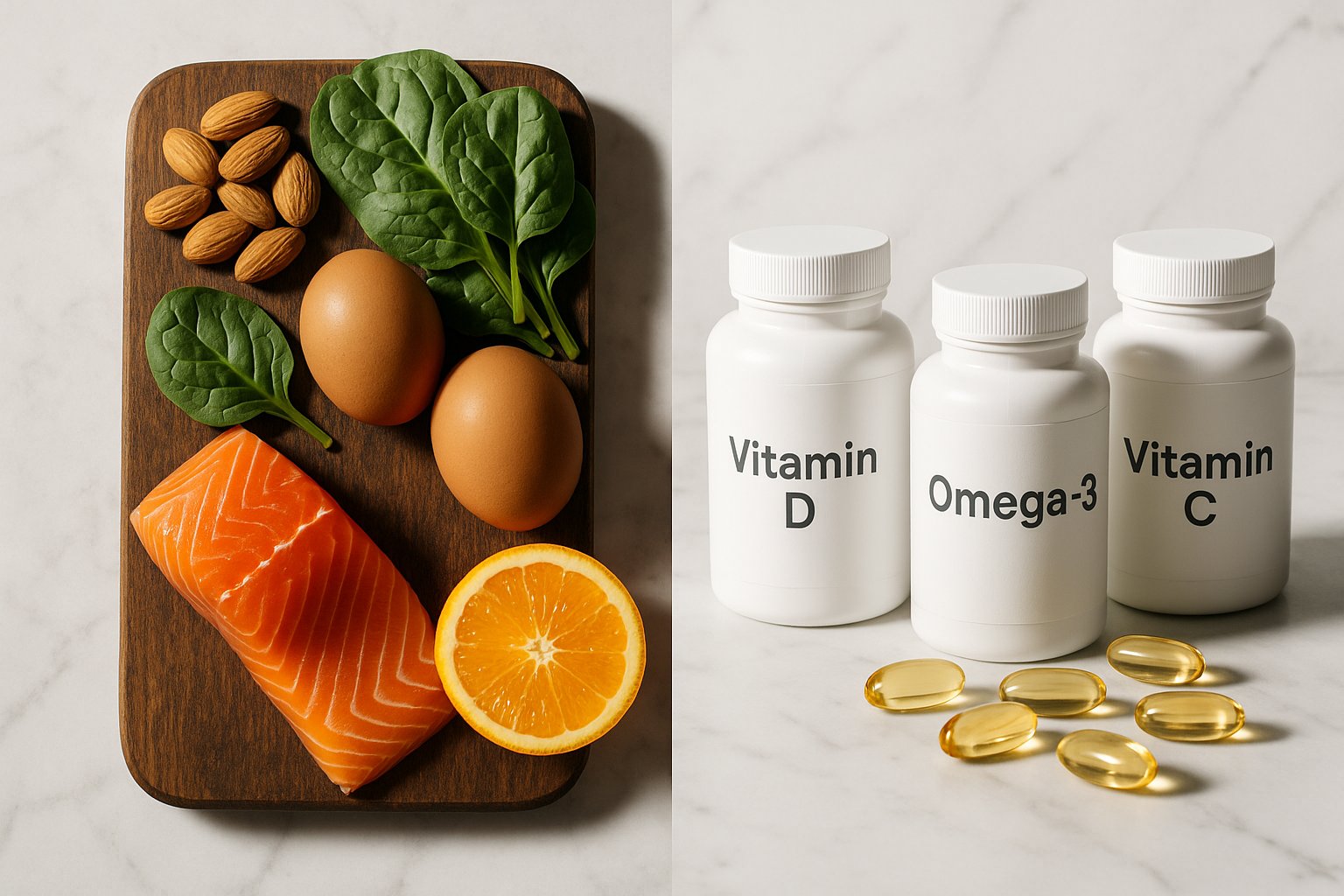
A practical stack for women and seniors
Creatine works even better when the basics are handled.
Smart pairings
Protein powder if total protein intake is low
Vitamin D3 + K2 if levels are low or bone support is a priority
Magnesium glycinate for sleep and muscle comfort
Omega-3s for broader cardiometabolic support
FAQ
What is the best creatine for women over 40?
Plain creatine monohydrate is usually the best choice. It has the strongest research, the best value, and the best safety record.
Should seniors take creatine every day?
Yes, if they are using it, daily intake is the best approach. Creatine works by building and maintaining tissue saturation, so consistency matters.
Does creatine help brain health in older adults?
Possibly. Some studies suggest benefits for memory, mental fatigue, and cognitive performance under stress, but the evidence is not as strong as it is for muscle and strength.
Can women take creatine during menopause?
Many can, and it may be especially useful during menopause because resistance training, protein, and creatine together support muscle, strength, and healthy aging. A clinician should guide use when there are major health issues or medication concerns.
Devries MC, Phillips SM. Creatine supplementation during resistance training in older adults. PLOS ONE. 2014.
Chilibeck PD, et al. Effect of creatine during resistance training on lean tissue mass and muscular strength in older adults: a meta-analysis. Med Sci Sports Exerc. 2017.
Smith-Ryan AE, et al. Creatine supplementation in women’s health: a lifespan perspective. Nutrients. 2021.
Avgerinos KI, et al. Effects of creatine supplementation on cognitive function of healthy individuals: a systematic review. Exp Gerontol. 2018.
Kreider RB, et al. ISSN exercise and sports nutrition review update: creatine supplementation. J Int Soc Sports Nutr. 2022.
This article is for educational purposes only and is not medical advice. Supplements should be discussed with a qualified healthcare professional when medical conditions or prescription drugs are involved.
Key Takeaways
Creatine monohydrate is the best-supported form for women and older adults on both effectiveness and cost.
A simple 3-5 g daily protocol is enough for most people; loading is optional.
The biggest real-world benefits come when creatine is paired with resistance training and adequate protein intake.
Mild early scale increases are usually water in muscle tissue, not fat gain.





Leave a Reply