
Sunscreen Guide 2026: Mineral vs Chemical & SPF Myths
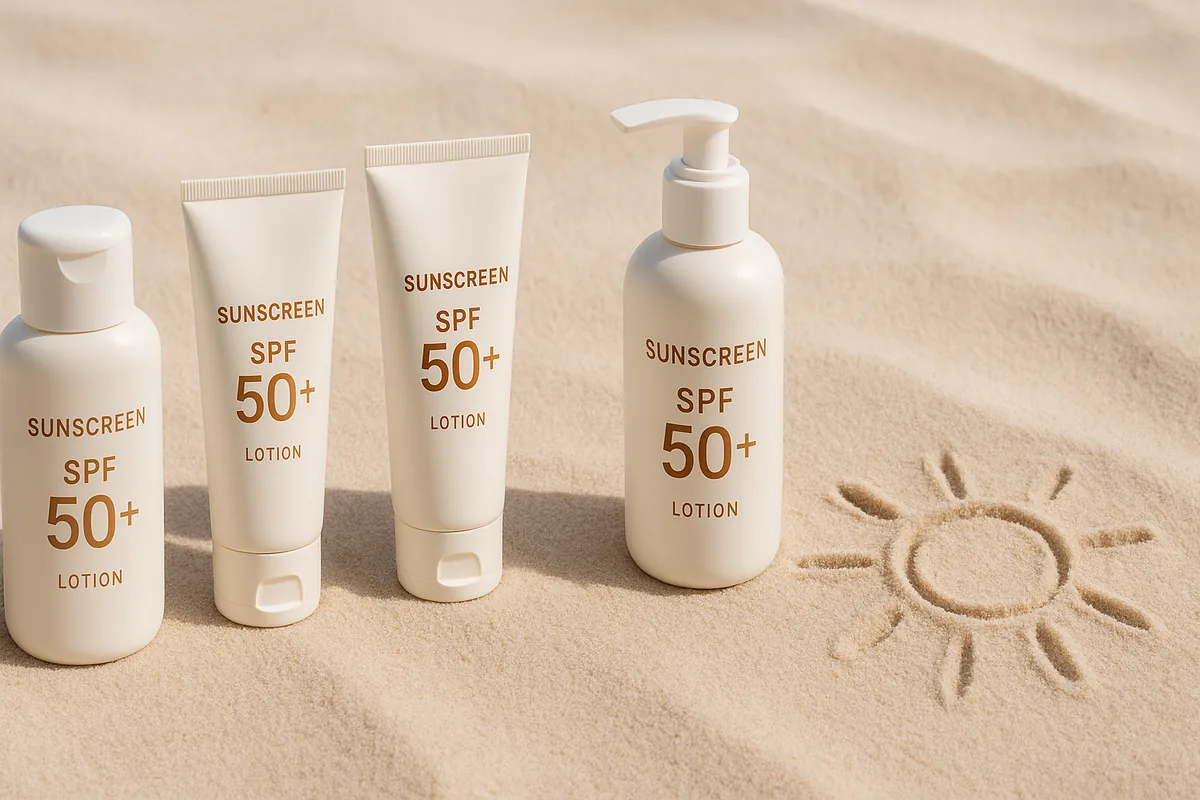
Quick Answer: Wear SPF 30+ (broad spectrum UVA/UVB) every morning year-round – this is the single most effective anti-aging and skin cancer prevention step. Apply 1/4 teaspoon to face/neck. Mineral (zinc oxide/titanium dioxide) sunscreens suit sensitive skin; chemical filters are lighter and more cosmetically elegant.
Sunscreen is the single most evidence-backed skincare product for preventing photoaging, hyperpigmentation, and skin cancer. Yet in 2026, sunscreen is also one of the most debated topics in skincare – from filter safety concerns to the viral “glass skin” SPF formulas from Korea. This guide separates fact from fiction and helps you choose and use sunscreen correctly.
Why Sunscreen Is Non-Negotiable
UV radiation is the leading cause of visible skin aging – responsible for up to 80% of facial aging according to longstanding research. Specifically:
- UVB rays: Short wavelength, penetrate the epidermis, cause sunburn, and directly damage DNA (the primary cause of skin cancer).
- UVA rays: Longer wavelength, penetrate into the dermis, cause photoaging (wrinkles, laxity, pigmentation), and also contribute to skin cancer risk.
A broad-spectrum sunscreen blocks both. Regular use prevents new pigmentation, maintains collagen integrity, and significantly reduces skin cancer risk. It also protects the results of every other skincare active you’re using – retinol, vitamin C, and niacinamide all work better when UV damage isn’t counteracting their effects.
Mineral vs Chemical Sunscreens: The Full Picture
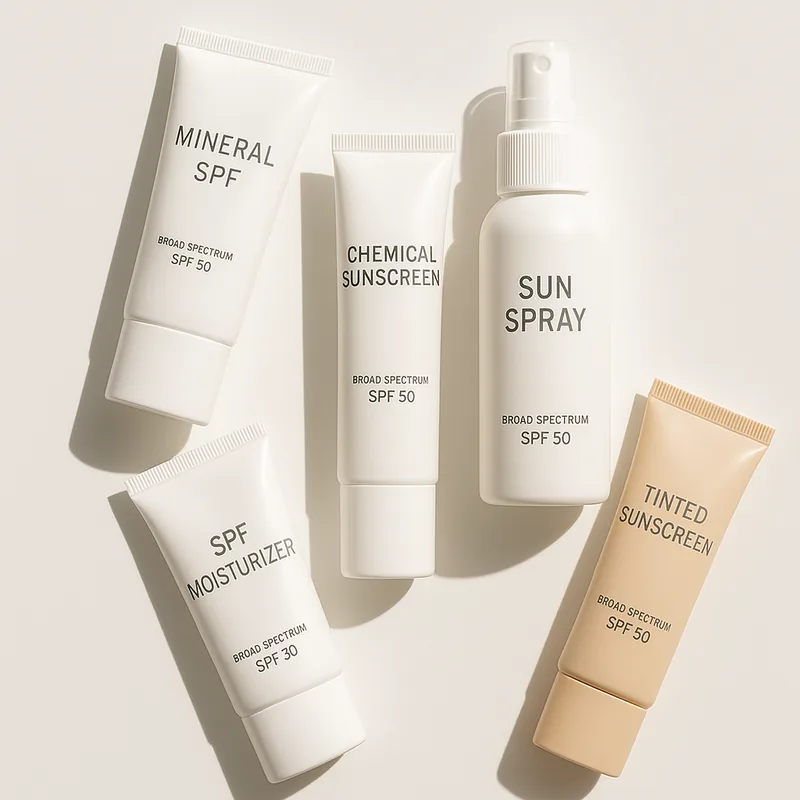
This is one of the most persistent debates in skincare. Here’s the actual breakdown:
Mineral Sunscreens (Physical Filters)
Active ingredients: Zinc oxide, titanium dioxide (or both)
Mechanism: Sit on top of the skin and physically scatter/reflect UV radiation. (Note: newer research shows they also have some UV-absorbing properties – the “purely physical barrier” description is technically incomplete but remains a useful mental model.)
Pros:
- Broad-spectrum by nature (zinc oxide especially covers UVA1 well)
- Stable – don’t degrade in sunlight
- Less likely to cause allergic reactions
- Safe for sensitive skin, rosacea, and reactive skin
- Safe during pregnancy and breastfeeding
- Generally reef-safe (especially zinc oxide-only formulas)
Cons:
- Can leave a white cast, especially at higher concentrations and on darker skin tones (though tinted and micronized formulas have significantly reduced this issue)
- Often thicker texture; can feel heavier or look greasy
- May need more careful blending
Chemical Sunscreens (Organic Filters)
Active ingredients: Avobenzone, octinoxate, octisalate, octocrylene, homosalate, bemotrizinol, bisoctrizole, tinosorb M/S (the last four are widely used in Europe/Asia but not yet FDA-approved in the US)
Mechanism: Absorb UV radiation and convert it to heat energy
Pros:
- Lightweight, often invisible on application
- Wide range of elegant, cosmetically elegant textures
- More commonly compatible with “glass skin” or no-white-cast aesthetics
- Easier to layer under makeup
Cons:
- Some absorb into the bloodstream (FDA requires more safety data; this doesn’t mean they’re dangerous, but the data is incomplete)
- Some (oxybenzone, octinoxate) are restricted in reef-protected areas
- Some people experience contact sensitivity or trigger rosacea flares
- Some chemical filters are less stable; avobenzone degrades in sunlight unless paired with stabilizers like octocrylene or Helioplex technology
Which to Choose?
There is no universally superior option. Choose based on your skin type, concerns, and values:
- Sensitive/reactive skin: Mineral (zinc oxide)
- Darker skin tones: Tinted mineral or well-formulated chemical (white cast is still a real concern with pure mineral)
- Very oily skin: Chemical or hybrid formulas with mattifying ingredients
- Pregnancy: Mineral
- Cosmetics under SPF: Chemical or hybrid (mineral can pill under makeup)
- Highest UV protection preference: Mineral zinc oxide or European chemical filters (tinosorb/bemotrizinol if available)
SPF Myths Debunked
Myth 1: SPF 100 is twice as good as SPF 50
False. SPF 50 blocks approximately 98% of UVB rays. SPF 100 blocks approximately 99%. The difference is minimal in practice. SPF 30 (97% UVB blocked) is adequate for most daily use. Higher SPF primarily buys you more time before reapplication is necessary when applied correctly.
Myth 2: I don’t need sunscreen on cloudy days
False. Up to 80% of UV rays penetrate cloud cover. UVA rays penetrate even more effectively on partly cloudy days due to scattered reflection. Daily use regardless of visible sunshine is the evidence-backed approach.
Myth 3: My moisturizer or makeup with SPF is enough
Mostly false. The SPF protection from products applied in insufficient quantities (the typical amount of moisturizer or foundation applied) provides far less than the labeled SPF. To achieve the stated SPF, you’d need to apply ¼ teaspoon of product to the face alone. This is rarely done with foundation. Use a dedicated SPF product applied in sufficient quantity.
Myth 4: People with darker skin don’t need sunscreen
False. While melanin provides some natural UV protection (equivalent to approximately SPF 13), it doesn’t eliminate the risk of UV-induced skin cancer, photoaging, or hyperpigmentation. Post-inflammatory hyperpigmentation is actually more persistent in darker skin tones, making SPF even more critical.
Choosing the right sunscreen is step one, but consistent habits matter more. See our guide on sunscreen habits for anti-aging.
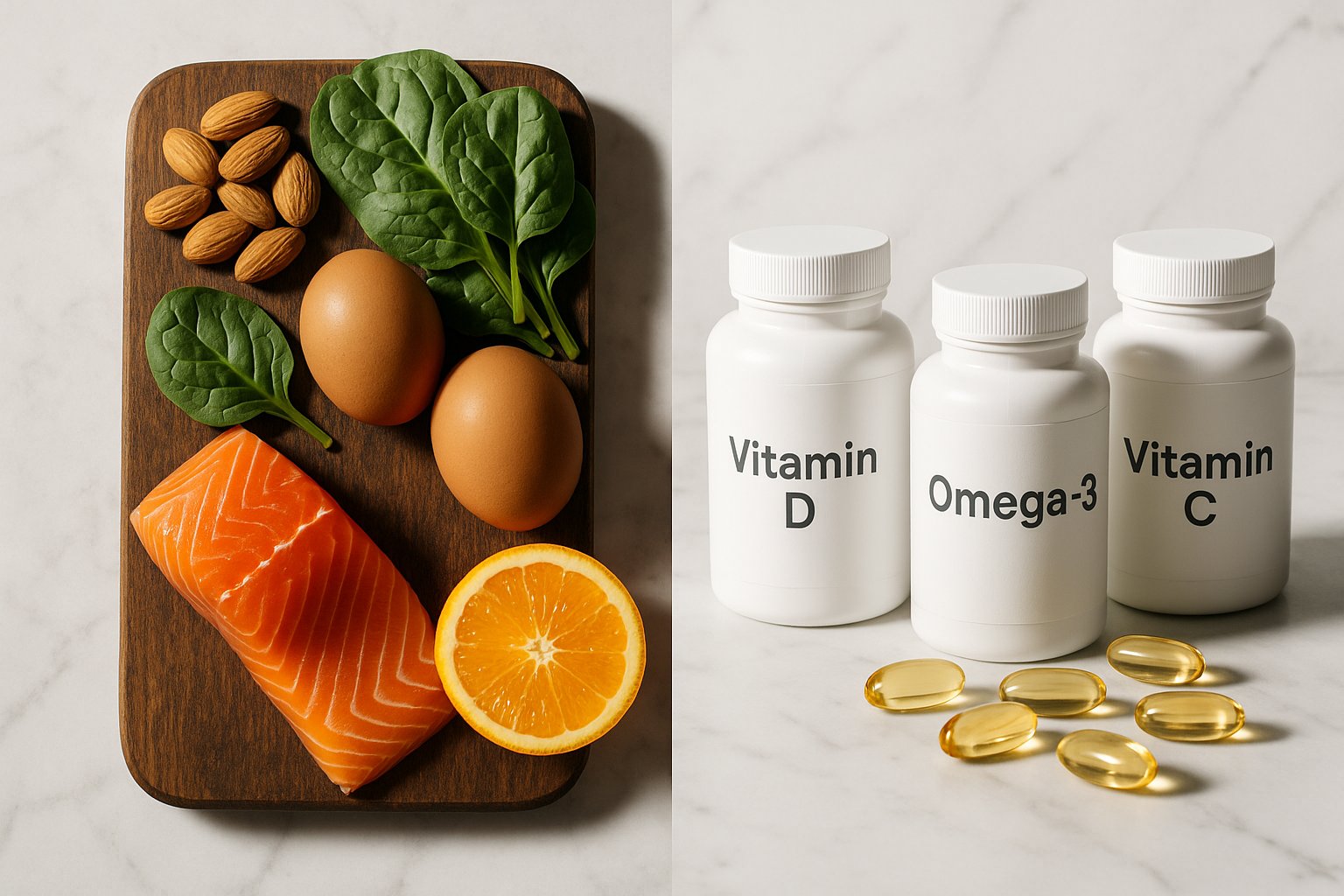
Myth 5: Sunscreen causes vitamin D deficiency
Largely false. Studies show that even consistent sunscreen users don’t become vitamin D deficient, partly because sunscreen is never applied perfectly (missed spots, wear-off, application gaps). If vitamin D is a concern, supplementation is more reliable than sun exposure.
Myth 6: Natural oils (raspberry seed oil, carrot seed oil) can replace sunscreen
False. The SPF claims for these oils are based on flawed early research that has been thoroughly debunked. These oils do not provide meaningful UV protection.
How Much SPF to Apply
The FDA’s test standard for SPF is based on 2 mg/cm² of product applied – which translates to approximately:
- ¼ teaspoon (1.25 mL) for the face alone
- Shot glass full (30-40 mL) for the body
Most people apply 25-50% of the recommended amount. This means that even an SPF 50 product, applied at half the standard amount, provides roughly the protection of SPF 15. Application amount is arguably more important than SPF number.
Reapplication Rules
- Every 2 hours during outdoor activity – UV filters degrade with time and exposure
- After swimming or sweating heavily, even if the product is labeled water-resistant (water resistance lasts 40 or 80 minutes, as labeled)
- Indoors for most people: Reapplication is not necessary if you’re spending minimal time near windows or outdoors. UV through glass primarily involves UVA (which causes aging); if you sit near windows, reapplication or an indoor SPF habit makes sense.
For makeup wearers: Reapplication is the practical challenge. Options include:
- SPF setting sprays (lower protection but convenient)
- SPF powder (pat over makeup – doesn’t smear)
- Full makeup removal and reapplication (most effective; impractical for most situations)
New Filters and 2026 Formulation Trends
European and Asian sunscreen innovations have produced filters that are more photostable, better cosmetically elegant, and broader spectrum than most FDA-approved US filters. In 2026, US consumers widely import Korean and French sunscreens to access:
- Tinosorb S and M (Bemotrizinol/Bisoctrizole): Extremely photostable, broad UVA/UVB coverage
- Mexoryl XL (Drometrizole trisiloxane): Excellent UVA protection, photostable
- Uvinul A Plus (Diethylamino hydroxybenzoyl hexyl benzoate): Strong UVA1 protection
Korean “glass skin” sunscreens – ultra-lightweight, often serum-like, with a dewy or satin finish – have driven significant consumer demand for better sunscreen textures globally. Several US brands have released “skincare-hybrid” SPF products responding to this trend.
Frequently Asked Questions
Do I need to wear sunscreen inside?
For most activities, indoor UV exposure is minimal. UVA does penetrate windows (causing gradual photoaging with prolonged exposure). If you sit near windows for extended periods daily, a light SPF 30 is worth using. Otherwise, indoor daily SPF is primarily about building a habit.
Can I use body sunscreen on my face?
Technically yes, though body sunscreens are often formulated for less sensitive skin and may cause breakouts. In a pinch it works; for daily use, a face-specific formula is better.
How do I avoid the white cast from mineral sunscreen?
Use tinted mineral sunscreens (they hide white cast via iron oxides), look for “micronized” zinc oxide formulas (smaller particles, less white cast), or use a hybrid mineral/chemical formula.
Is sunscreen safe for children?
Mineral sunscreens are recommended for infants and children. Chemical filters are generally considered safe for children over 6 months, though mineral is preferred given the more complete safety profile.
What’s the difference between water-resistant and waterproof sunscreen?
“Waterproof” is no longer an allowed marketing claim by the FDA. “Water-resistant 40 minutes” or “water-resistant 80 minutes” are the only allowed claims, indicating how long the product maintains protection during water activity.
Should I use SPF 30 or SPF 50 daily?
For daily low-to-moderate outdoor exposure, SPF 30 is adequate if applied in the correct amount. For high-intensity sun exposure (beach, outdoor exercise), SPF 50 provides a practical safety buffer for uneven application. The best sunscreen is the one you’ll actually use consistently.
Does eating certain foods provide internal sun protection?
Antioxidant-rich diets have some UV-protective effects at the cellular level, but nothing close to topical SPF. Polypodium leucotomos extract (oral) shows some evidence for supplemental photoprotection – but always in addition to, never instead of, topical SPF.
Key Takeaways
- SPF 30 blocks 97% of UVB; SPF 50 blocks 98% – the difference is small, but reapplication and applying adequate amount matter more than chasing SPF 100.
- Mineral sunscreens (zinc oxide, titanium dioxide) are safer for sensitive skin, children, and reef environments; chemical filters absorb UV and convert to heat.
- Apply 1/4 teaspoon to face and neck – most people apply 25-50% of the required amount, dramatically reducing real-world SPF protection.
- Reapply every 2 hours of sun exposure or immediately after swimming/sweating – SPF does not protect indefinitely.
- UVA causes aging and melanoma; UVB causes sunburns – broad-spectrum protection addresses both; look for UVA stars or PA++++ ratings.
Conclusion
Sunscreen is the most impactful skincare product you can use – and in 2026, there are more excellent options than ever across mineral, chemical, and hybrid categories. Apply enough (¼ teaspoon for the face), reapply every 2 hours during sun exposure, and choose a formula you actually enjoy using. The best sunscreen isn’t the one with the highest number or the most expensive bottle – it’s the one that gets applied consistently, every single day.
Sources
- Green AC, et al. (2011). Reduced melanoma after regular sunscreen use: randomized trial follow-up. J Clin Oncol, 29(3):257-263.
- Hughes MC, et al. (2013). Sunscreen and prevention of skin aging. Ann Intern Med, 158(11):781-790.
- Schneider SL, Lim HW. (2019). Review of environmental effects of oxybenzone and other sunscreen active ingredients. J Am Acad Dermatol, 80(1):266-271.
- Diffey B. (2001). When should sunscreen be reapplied? J Am Acad Dermatol, 45(6):882-885.
- FDA. (2019). Questions and Answers: FDA posts new proposed sunscreen rules. FDA Consumer Update.
Related Articles
- Retinol Guide 2026: Forms, Strengths, Purging, and Routine Building
- Best Vitamin C Serums in 2026: L-Ascorbic Acid vs Derivatives
- Best Skincare for Hyperpigmentation in 2026
- Anti-Pollution Skincare 2026: Antioxidant Serums and Barrier Protection
📚 Part of our How to Build a Skincare Routine hub. Explore all our skincare routine guides.



Leave a Reply