
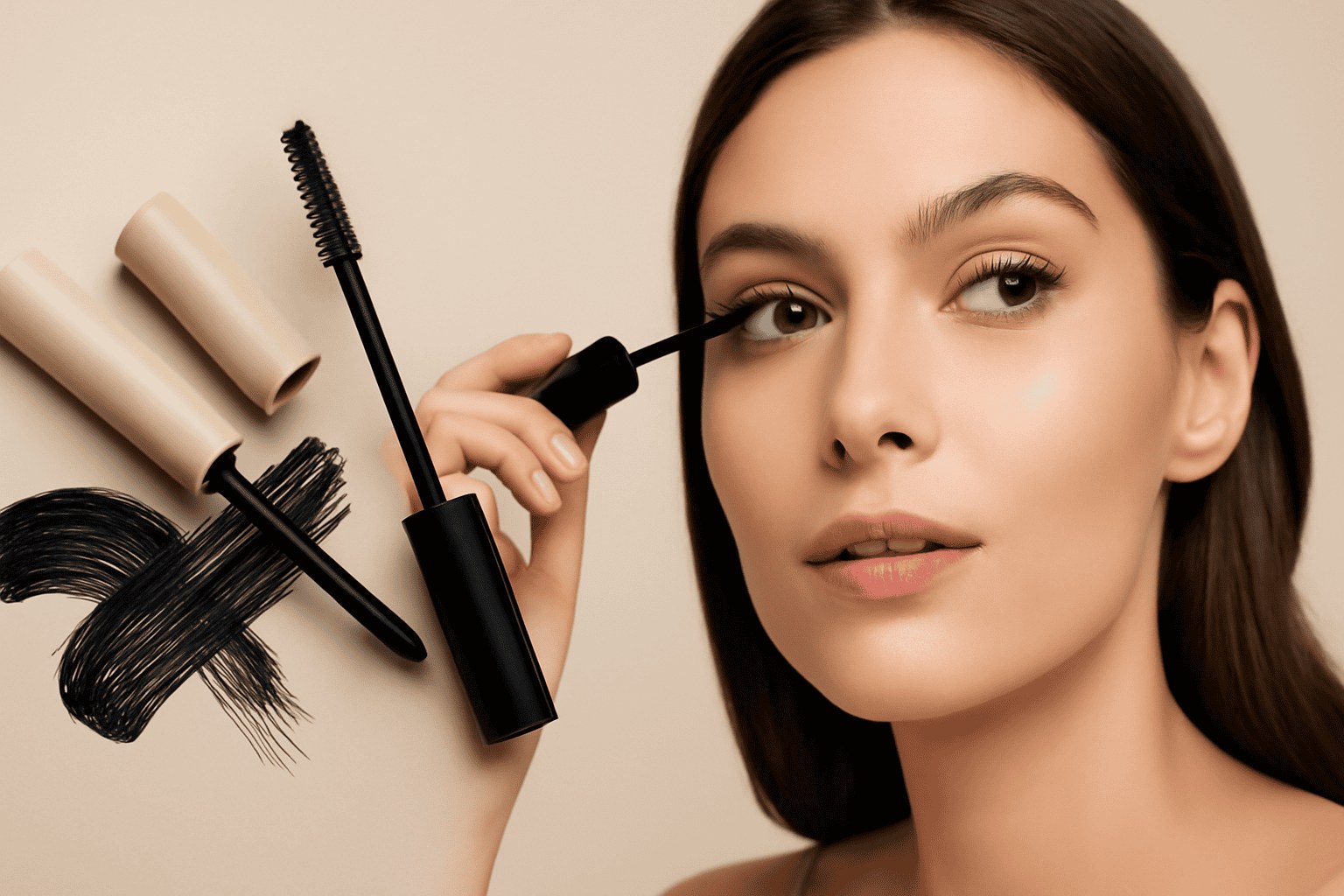
Mascara Guide 2026: Tubing, Waterproof & Best Picks
Quick Answer: Tubing mascaras (which form polymer tubes around each lash) offer the best smudge-proof wear, clean removal, and lash health. Traditional film-forming mascaras offer greater volume and drama. Choose based on your priority: longevity and lash health vs. maximum impact.
Mascara is arguably the single most-purchased beauty product in the world — and for good reason. A few swipes can open up your eyes, define your lashes, and completely transform a look. But with hundreds of formulas, wand shapes, and finishes on shelves today, picking the right mascara can feel overwhelming.
This guide breaks down everything: the real difference between tubing and traditional mascara, how waterproof formulas work (and when to use them), how to match a mascara to your lash type, and which specific picks are worth your money in 2026.
—
Tubing Mascara vs. Traditional Mascara: What’s the Difference?
This is the biggest divide in the mascara world right now, and it matters more than you might think.
Traditional Mascara
Traditional mascaras coat your lashes with pigmented waxes and oils. The formula adheres to your lashes and builds up with each coat, creating volume, length, or curl depending on the wax-to-pigment ratio and the brush design.
Pros:
- Wide variety of formulas and finishes
- Great for bold, dramatic looks
- Usually more affordable
Cons:
- Can smudge and flake throughout the day
- Difficult to remove fully — can require oil-based cleansers
- More likely to cause raccoon-eye effect
Tubing Mascara
Tubing mascaras work on an entirely different principle. Instead of coating your lashes with pigmented film, the formula creates tiny polymer “tubes” around each individual lash. These tubes grip the lash shaft and don’t budge until you flush them off with warm water.
Pros:
- Does not smudge, flake, or transfer
- Removes easily with warm water — no need for makeup remover
- Excellent for people with oily lids or watery eyes
- Eye-doctor friendly for contact lens wearers
Cons:
- Less dramatic buildable volume than traditional formulas
- Some people find the removal technique unintuitive at first
- Fewer options on the market (though that’s changing fast)
Bottom line: If you’ve ever dealt with raccoon eyes or smudging, tubing mascara will likely change your life. If you want maximum drama and don’t mind more intensive removal, traditional formulas give you more range.
—
Understanding Waterproof Mascara
Waterproof mascara uses film-forming polymers (often acrylates or silicone-based) that resist water and humidity. It’s genuinely impressive technology — but it comes with trade-offs.
When Waterproof Makes Sense
- Weddings, funerals, emotional events where tears are likely
- Beach or pool days
- High-humidity climates (think Florida summers)
- Sporting events or workouts
- Very oily lids that break down traditional formulas quickly
When to Skip It
- Daily wear — waterproof formulas require more aggressive removal, which can pull on delicate lash roots and contribute to lash loss over time
- Sensitive eyes — the solvents needed to break down waterproof formulas (often alcohol or oil-based removers) can be irritating
How to Remove Waterproof Mascara Without Losing Lashes
- Use a dedicated eye makeup remover — micellar water or an oil-based remover works best
- Soak a cotton pad and press it gently against your closed eye for 20-30 seconds
- Slide the pad downward — never rub back and forth
- Follow with your regular cleanser
—
Lash Types and the Best Mascara Formulas for Each
Not all lashes are created equal, and neither are mascara formulas. Here’s how to match the product to what you’re working with.
Short Lashes
Goal: Length first, volume second.
Look for mascaras with a thin, tapered brush and a formula that coats from root to tip without clumping. Fiber-infused mascaras — which deposit tiny fibers that adhere to lash tips — can add visible length. Apply two thin coats rather than one heavy one.
Key ingredients to look for: Panthenol (nourishes), fibers, lengthening polymers
Sparse or Thin Lashes
Goal: Volume and fullness.
Look for voluminizing formulas with a thick, densely packed brush. These are loaded with waxes and pigments that fatten up each individual lash. Apply the wand in a zigzag motion from root to tip to ensure each lash is coated.
Pro tip: Apply one coat, let it dry for 30 seconds, then apply a second. This “stacking” technique maximizes volume without clumping.
Straight Lashes
Goal: Curl and lift that hold all day.
Start with a lash curler — always before mascara, never after. Then use a curved brush mascara designed to hold a curl. Some formulas contain curl-hold polymers that help the shape stay put. Waterproof formulas tend to hold a curl better than traditional.
Long But Sparse Lashes
Goal: Define without weighting down.
Use a lengthening or defining formula rather than a voluminizing one. Too much wax will make long, sparse lashes clump together. A defining mascara gives separation and dark color without bulk.
Sensitive Eyes or Contact Lens Wearers
Goal: Clean wear without irritation or smudging around contacts.
Tubing mascaras are ideal. They don’t flake, which means no particles dropping into your eyes. Look for ophthalmologist-tested formulas and avoid mascaras with fragrances or alcohol.
—
Brush Shape Breakdown
The wand matters as much as the formula. Here’s what different brush shapes actually do:
| Brush Type | Best For |
|---|---|
| Thin, tapered | Lengthening, reaching inner/outer corners |
| Thick, fluffy | Volumizing, maximum coverage |
| Curved | Holding curl on straight lashes |
| Ball-tipped (micro) | Lower lashes, precise application |
| Hourglass | Separating and volumizing simultaneously |
| Rubber/silicone bristles | Separation, less clumping |
| Natural fiber bristles | Traditional buildable formula pickup |
—
Best Mascara Picks for 2026
Best Overall Tubing Mascara
Thrive Causemetics Liquid Lash Extensions Mascara — A beloved tubing formula that lengthens beautifully, doesn’t smudge, and slides off with warm water. Fragrance-free and contact-lens friendly.
Best Traditional Volume Mascara
L’Oréal Paris Telescopic Lift — An accessible drugstore hero with a unique flexible brush that delivers impressive volume and lift without flaking.
Best Waterproof Mascara
Lancôme Hypnôse Waterproof — A long-time prestige favorite. Delivers dramatic volume, holds curl in humidity, and is gentler on lashes than most waterproof formulas.
Best for Sensitive Eyes
Neutrogena Healthy Lengths Mascara — Fragrance-free, ophthalmologist-tested, and formulated to resist smudging on sensitive lids.
Best Drugstore Tubing Mascara
e.l.f. Lash ‘N Roll Tubing Mascara — A budget-friendly tubing option that performs well above its price point.
Best for Short Lashes
Too Faced Better Than Sex Lengthening Mascara — The newer lengthening iteration of the cult classic. The thin brush reaches every lash and the formula builds beautifully.
Best Curling Mascara
Benefit Roller Lash — The curved brush paired with the hook-and-roll formula genuinely holds a curl on even the most stubborn straight lashes.
—
How to Apply Mascara Correctly
Getting the most out of even the best mascara comes down to technique:
- Curl your lashes first — always before mascara, or you risk breaking lashes on the curler
- Wipe excess off the wand — too much product on the brush = clumping
- Start at the root — wiggle the wand at the base of your lashes before sweeping upward
- Use a zigzag motion — this coats both sides of the lash and adds separation
- Apply in thin coats — two thin coats beats one thick coat every time
- Don’t forget lower lashes — use the tip of the brush or switch to a smaller wand
- Let each coat dry — 30-60 seconds between coats prevents clumping
—
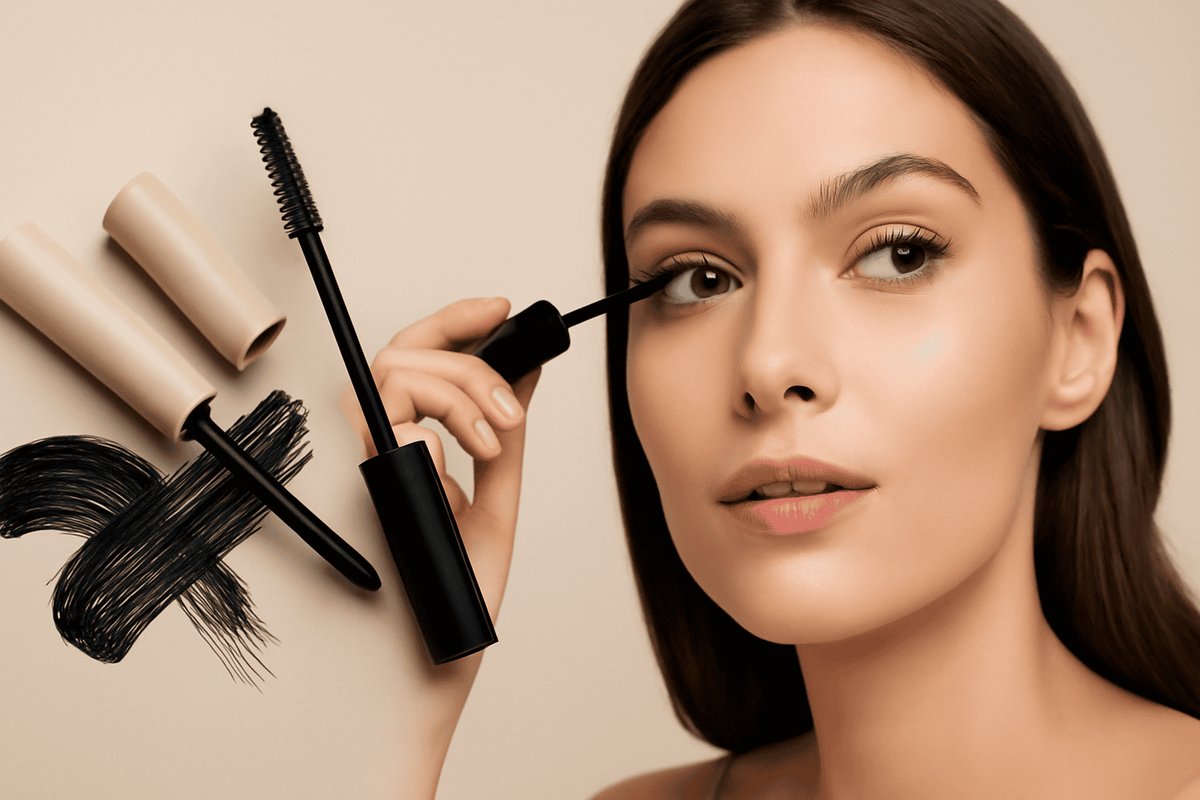
Mascara Application Mistakes to Avoid
- Pumping the wand into the tube — this introduces air and dries out your mascara faster. Instead, swirl the wand inside the tube.
- Applying to the very roots on your waterline — this transfers to contacts and can cause infection
- Using mascara past its expiration — liquid mascara expires in 3 months after opening. Expired mascara harbors bacteria and is a real eye health risk.
- Skipping a lash primer — if your lashes are sparse or short, a clear lash primer underneath mascara can significantly boost results
—
Frequently Asked Questions
Q: How long does mascara last after opening?
A: Most mascaras should be replaced every 3 months after opening. Liquid formulas create an ideal environment for bacteria growth, and expired mascara can cause eye infections.
Q: Can I use mascara with a lash lift?
A: Yes! Mascara works great on lifted lashes. Avoid waterproof formulas though — the aggressive removal can loosen the lift over time.
Q: What’s the best mascara for hooded eyes?
A: Tubing mascaras are ideal for hooded eyes because they don’t transfer to your upper lid. Lengthening formulas also tend to perform better than heavy volumizing ones, which can weigh lashes down and increase the chance of transfer.
Q: Is it okay to layer two different mascaras?
A: Absolutely — this is a pro technique called “cocktailing.” A common approach is to apply a lengthening mascara first, then layer a volumizing formula on top.
Q: Why does my mascara always flake?
A: Flaking usually means the formula is drying out (replace your mascara), you’re applying too many coats, or the formula isn’t compatible with your skin’s oil production. Switching to a tubing mascara typically eliminates flaking entirely.
Q: Can I use regular mascara after a lash lift and tint?
A: Wait at least 24 hours after the treatment before applying any mascara. After that, you can use mascara normally — just opt for oil-free formulas if you want to preserve the tint.
Q: What mascara is safe during pregnancy?
A: Look for mascaras labeled fragrance-free, paraben-free, and ophthalmologist-tested. Many tubing mascaras meet these criteria. When in doubt, consult your OB, but most mainstream mascaras are considered safe during pregnancy.
Key Takeaways
- Tubing mascaras encapsulate each lash in a polymer tube – they remove cleanly with warm water and are ideal for contact lens wearers and sensitive eyes.
- Traditional mascaras use waxes and pigments to coat lashes – they offer more drama and volume but require makeup remover and cause more lash breakage over time.
- Waterproof mascaras use silicone and waxes that resist water but require oil-based removers – daily use weakens lashes over time.
- Fiber mascaras add synthetic or natural fibers to extend lash length – results vary but can irritate sensitive eyes if fibers migrate.
- Apply in Z-shaped wiggling motions from root to tip, building 2-3 coats for volume without clumping.
Conclusion
The mascara world in 2026 is more sophisticated than ever, with tubing technology making smudge-free wear genuinely possible and formulas tailored to every lash type and lifestyle. Whether you’re a minimalist who wants a clean, defined look or a drama lover layering up for maximum impact, there’s a perfect mascara out there.
Mascara tubes are notoriously hard to recycle, which makes sustainable alternatives increasingly important. See our curated picks for sustainable mascara options with eco-friendly packaging and cleaner formulas.
The key takeaways: know your lash type, match your formula to your lifestyle (waterproof vs tubing vs traditional), and never underestimate the power of the right brush shape. A great mascara doesn’t just coat your lashes — it transforms them.
Sources
- Skin moisturizing effects of panthenol-based formulations. Journal of cosmetic science. 2011. PMID: 21982351.
- Efficacy and safety of a panthenol-enriched mask for individuals with distinct impaired skin barrier subtypes. Journal of cosmetic dermatology. 2024. PMID: 38366684.
- Azril, Huang KY, Hobley J, Rouhani M, Liu WL, Jeng YR (2023). Correlation of the degenerative stage of a disc with magnetic resonance imaging, chemical content, and biomechanical properties of the nucleus pulposus. Journal of biomedical materials research. Part A. PMID: 36585891.
- Efficacy and safety of a cream containing panthenol, prebiotics, and probiotic lysate for improving sensitive skin symptoms. Skin research and technology : official journal of International Society for Bioengineering and the Skin (ISBS) International Society for Digital Imaging of Skin (ISDIS) International Society for Skin Imaging (ISSI). 2024. PMID: 38186043.
- Draelos ZK (1991). Eye cosmetics. Dermatologic clinics. PMID: 2022087.



Leave a Reply