Long-Wear Makeup Guide: All-Day Staying Power
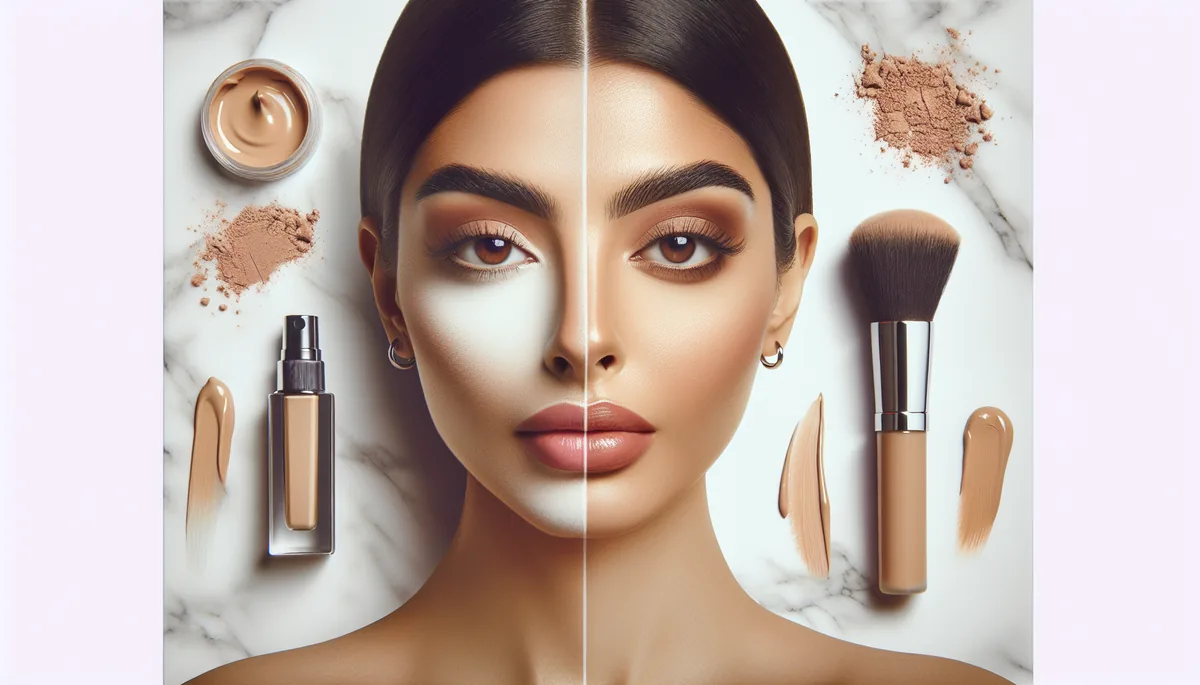
Quick Answer: Long-wear makeup lasts all day when the whole face is built in thin, compatible layers instead of relying on one “24-hour” product. In 2026, the best all-day strategy is lightweight skin prep, targeted primer, thin complexion layers, strategic powder, and a setting spray used to lock the finished face rather than rescue it after it starts breaking apart.
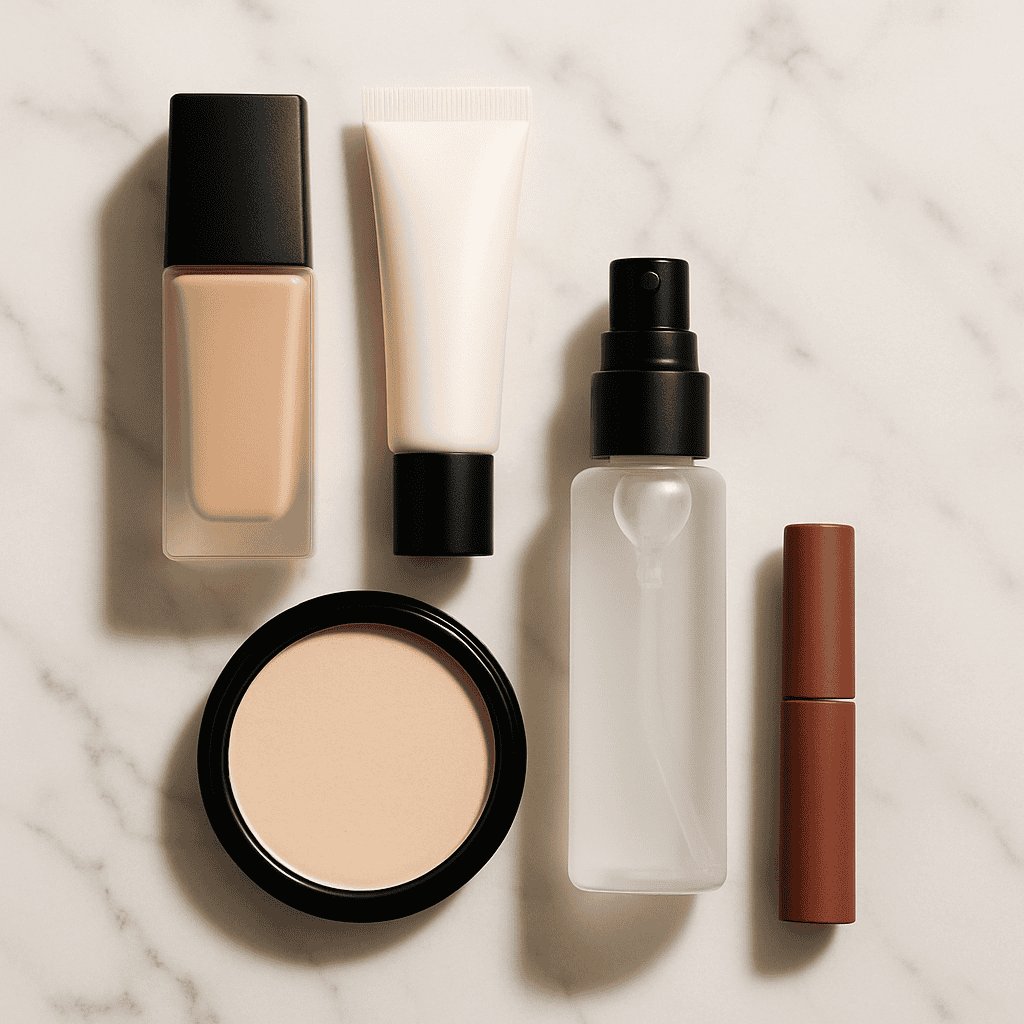
Long-wear makeup is one of the easiest beauty topics to make too narrow. It is not only hot-weather makeup, and it is not only bridal makeup. A true all-day staying-power routine has to work across office days, travel, events, long commutes, oily skin, touch-ups, and normal temperature changes. That broader framework is what this guide covers.
If your main issue is heat and humidity, go straight to our sweat-proof makeup for hot climates guide. If you are getting ready for a ceremony or photography-heavy event, our bridal makeup guide is the better event-specific companion. This article is the universal full-face system underneath those more specialized scenarios.
Why makeup stops lasting
Most makeup fails for one of four reasons: too much skincare under the base, too many creamy layers, incompatible formulas, or no strategy for the areas that break first. The nose, chin, under-eyes, brows, and lip line usually fail before the rest of the face. Long wear is about building around those weak points.
The biggest longevity mistakes
- applying rich skin care right before makeup
- using heavy foundation to solve every texture issue
- mixing formulas that separate each other
- powdering everywhere instead of strategically
- waiting until makeup is already sliding before using setting spray
The long-wear makeup framework
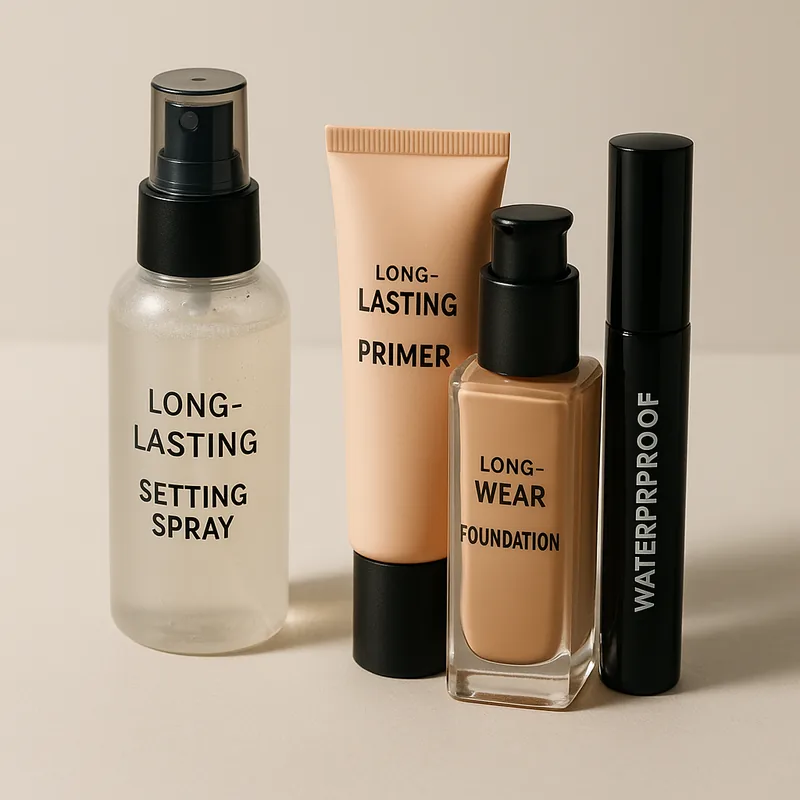
1. Keep skin prep light and settled
Long-wear makeup starts before primer. Hydration matters, but overloaded skin care makes grip worse. A light moisturizer and sunscreen that dries down fully usually outperform a rich dewy routine if you need all-day wear.
2. Prime where the face actually moves
Primer does not need to cover the whole face. Concentrate it on the nose, center forehead, chin, around the mouth, and anywhere texture or oil breaks makeup down fastest. This creates hold without adding unnecessary layers to calmer areas.
3. Use thinner complexion layers
A thin first layer of foundation or skin tint usually lasts longer than one thick coat. Add concealer only where you need extra correction. Long wear comes from controlled layering, not blanket coverage.
4. Set in zones, not everywhere
Powder the areas that crease, shine, or transfer first. Leaving some parts of the face with less powder can keep the finish more skin-like while still improving hold where it matters.
5. Seal the finished face
Setting spray works best at the end of the process, after powder and color are balanced. It helps fuse the layers into one surface and reduce the dusty look that can make a long-wear routine seem heavy.
How to make each part of the face last longer
Base makeup
Choose a complexion formula that matches your skin type and tolerance for coverage. Oily skin usually does better with soft-matte or natural-matte formulas. Dry skin often gets better wear from flexible satin formulas than from ultra-flat mattes that crack over time.
Under-eyes
Too much concealer is a classic long-wear mistake. A thin layer set lightly usually outperforms heavy correction. Once the under-eye looks overloaded, every crease becomes more visible through the day.
Brows
Brows are part of longevity even though people often forget them. A good brow gel or wax keeps the face looking structured longer, especially after complexion products start softening.
Eyes
Eyeshadow primer is one of the highest-return products in a long-wear routine. For liner longevity, formula choice matters too. If eye makeup is your weak point, our best long-wear colorful liners guide goes deeper on that category.
Lips
Long-wear lips usually come from preparation and layering rather than one aggressive liquid lipstick. Lip liner under lipstick improves edge definition and wear. For a deeper breakdown, read our lip liner guide.
Choosing formulas for all-day wear
Soft matte beats heavy matte for most people
The most durable makeup does not always look the driest. Soft matte and natural-matte formulas often outlast full flat mattes because they flex better with skin movement.
Cream plus powder can work if layers stay thin
Cream blush, bronzer, or contour can last well if they are applied lightly and set thoughtfully. The problem is usually excess quantity, not the fact that a product is cream-based.
Transfer resistance matters more than hype language
Terms like “long wear” or “24-hour” are less useful than how a formula behaves on your actual skin. Thin adhesion, flexible film, and smart prep matter more than packaging claims.
Best routine by skin type
Oily skin
Use lighter hydration, targeted primer, thin layers of base, and powder through the T-zone. Blot before touching up. Adding more product on top of active oil usually shortens wear.
Dry skin
Use enough hydration to avoid cracking, but let it absorb fully. Flexible base formulas and a lighter hand with powder usually give better all-day results than trying to force an ultra-matte look.
Combination skin
Treat the face in sections. Prime and powder the oily zones more aggressively while keeping the perimeter more natural.
Touch-up strategy matters too
Blot before you reapply
If makeup is separating, blotting is usually the first fix. Powder on top of oil and sweat can turn a wearable face into visible texture.
Use less product later in the day
Touch-ups should be selective. A little concealer around the nose, a powder compact through the center, or a quick lip refresh will usually do more than rebuilding the whole face.
Carry products that solve the most common failure points
For most people that means powder, lip product, and maybe a small concealer or blotting sheets. Long wear is partly about smart maintenance.
How this differs from hot-weather and bridal makeup
This guide is intentionally broader than climate-specific or event-specific advice. Hot-weather makeup focuses on sweat, humidity, and heat-resistant formulas. Bridal makeup focuses on photography, ceremony timing, tears, and touch-up kits. This article is the foundation layer: the universal structure for getting any full-face routine to last longer in ordinary life.
FAQ
What makes makeup last all day?
Makeup lasts all day when skin prep is light, primer is targeted, complexion products are layered thinly, powder is used strategically, and the finished face is sealed with setting spray instead of overloaded with product.
Is primer or setting spray more important for long wear?
They do different jobs. Primer helps the base grip in the areas that break first, while setting spray helps fuse and lock the finished look. Most people get the best wear when they use both strategically rather than relying on one alone.
Why does my foundation separate by midday?
Foundation usually separates because of excess skincare, too much product, oil breakthrough, or formula mismatch between primer, base, and sunscreen. Thinner layers and better prep usually help more than switching to a heavier foundation.
How do I touch up long-wear makeup without making it cakey?
Blot first, then add only the product needed in the exact area that broke down. Small selective touch-ups usually look much better than reapplying multiple layers across the whole face.
Sources
- Draelos ZD. Cosmetic Dermatology: Products and Procedures. 2nd ed. Wiley-Blackwell; 2015.
- Draelos ZD. The science behind skin care: Cleansers. J Cosmet Dermatol. 2018;17(1):8-14.
- Romanowski P, Schueller R. Beginning Cosmetic Chemistry. 4th ed. Allured Publishing; 2015.
- American Academy of Dermatology. Skin care basics. AAD.org.