Makeup for Skin Conditions: Camouflage Guide
Quick Answer: Makeup for skin conditions requires products specifically formulated or tested for damaged, sensitive, or hyperpigmented skin. Dermablend, KVD Good Apple, and Vichy Dermablend are the most widely recommended brands for full camouflage coverage. Technique — color correction first, then full-coverage foundation, then setting — matters as much as product choice. This guide covers vitiligo, psoriasis, burns, scars, and general camouflage techniques.
Related: Makeup Mistakes That Age Mature Skin — and What to Do Instead
Using Makeup for Skin Conditions: Important Context
Makeup for skin conditions is a personal choice — not a requirement or obligation. Some people with vitiligo, psoriasis, or scars choose to cover when they feel like it. Others prefer to embrace their skin. This guide is for those who want the option to use coverage effectively, not for those who feel they must.
When makeup is used for camouflage purposes:
- It should be chosen to work on compromised skin barriers
- Application must avoid aggravating active flares or irritated skin
- Removal must be thorough to prevent buildup on sensitive areas
- Products should be dermatologist-tested and free of common irritants
Vitiligo: Coverage Principles and Product Guide
What Vitiligo Looks Like
Vitiligo is an autoimmune condition where melanocytes (pigment-producing cells) are destroyed, resulting in patches of depigmented white skin. It can affect any body part — the face, hands, arms, and neck are common. The patches are sharply defined and often symmetrical.
Color Correction for Vitiligo
The challenge with covering vitiligo is that white or pale patches require significant color correction before any foundation can match them to the surrounding skin.
Step 1: Color correction
- On light skin: a peachy or warm-beige corrector over the white patch neutralizes its brightness before coverage.
- On medium-deep skin: a deeper orange or terracotta corrector brings the patch toward the skin’s natural warmth.
- Products: NYX Color Correcting Concealer (Peach), Dermablend Quick-Fix Color Correcting Concealer, Vichy Dermablend Corrective Concealer.
Step 2: Full-coverage foundation matching
Apply a full-coverage foundation that precisely matches the surrounding skin tone. Build in thin layers over the corrected patch.
Step 3: Setting and blending the boundary
The edge between the vitiligo patch and the surrounding skin is the hardest area. Use a small blending brush to feather the foundation at the boundary — don’t leave a harsh edge. Press setting powder into the covered area to seal.
Products Specifically Used in the Vitiligo Community
- Dermablend Leg and Body Makeup ($44): Developed for body coverage; SPF 25; used on vitiligo patches on arms, legs, and neck.
- Vichy Dermablend Corrective Foundation ($37): Clinical-grade coverage tested for skin conditions; 16-hour wear.
- KVD Good Apple Foundation Balm ($42): Full-coverage, skin-condition friendly formula; applied like a balm, stays put.
- Keromask Covering Cream: A specialist covering cream used by dermatologists and recommended for vitiligo and other hypopigmentation conditions.
- Cover FX Custom Cover Drops: High-pigment coverage drops that can be mixed with any foundation to boost coverage on patches.
Tips Specific to Vitiligo
- Test SPF products: Covered areas still need sun protection — UV exposure can worsen vitiligo and the contrast between patches and surrounding skin. Look for foundations with SPF or apply SPF under coverage.
- Seasonal adjustments: Surrounding skin tans in summer while patches stay depigmented, increasing contrast. Shade-match may need adjustment seasonally.
- Self-tanning as an alternative: Some prefer a gradual self-tanner (like Bondi Sands Everyday Gradual Tanning Lotion) to even out skin tone without camouflage makeup.
Psoriasis: Working Around Flares
The Unique Challenges of Psoriasis Makeup
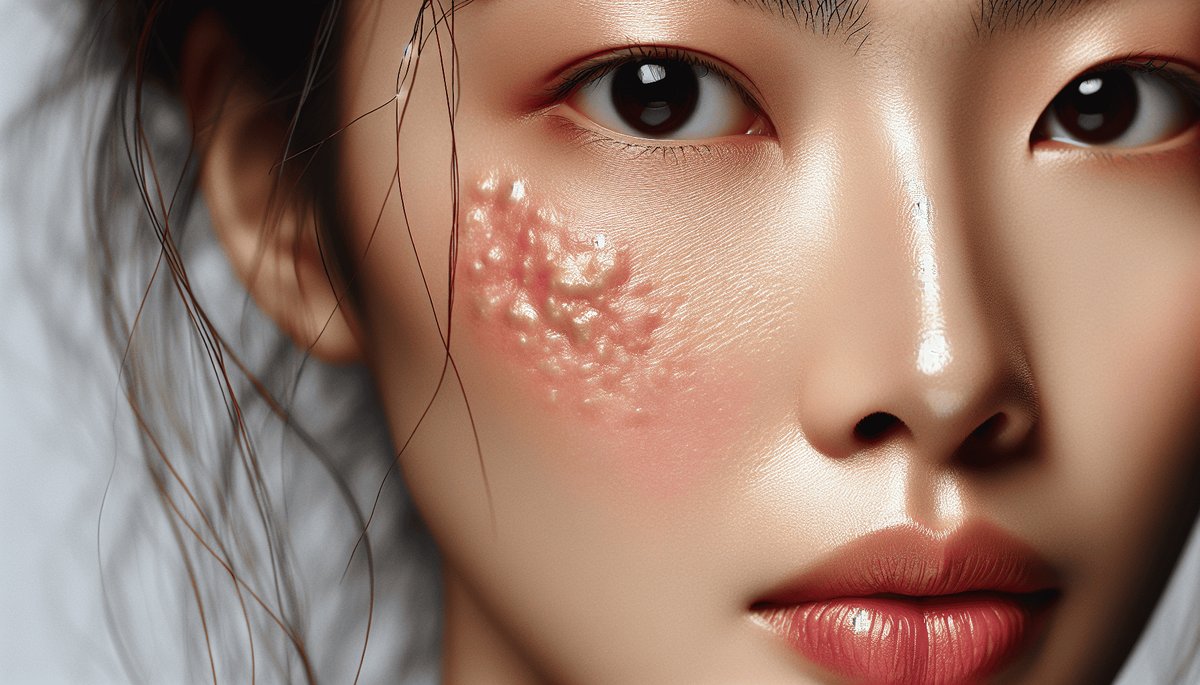
Psoriasis presents as scaly, raised plaques. During a flare, skin is inflamed, sensitive, and often cracked — applying and removing makeup on active plaques can aggravate the condition. Makeup on inactive, post-flare skin is far more straightforward.
The cardinal rule: Never apply foundation or concealer over actively cracked or bleeding plaques. Let a flare resolve before attempting coverage.
Makeup During Remission (Post-Flare)
After a flare, psoriasis-affected areas may be pink, textured, or slightly darker than surrounding skin. This is when coverage is more appropriate.
- Use a hydrating primer on previously affected areas — psoriasis-prone skin is often drier than average.
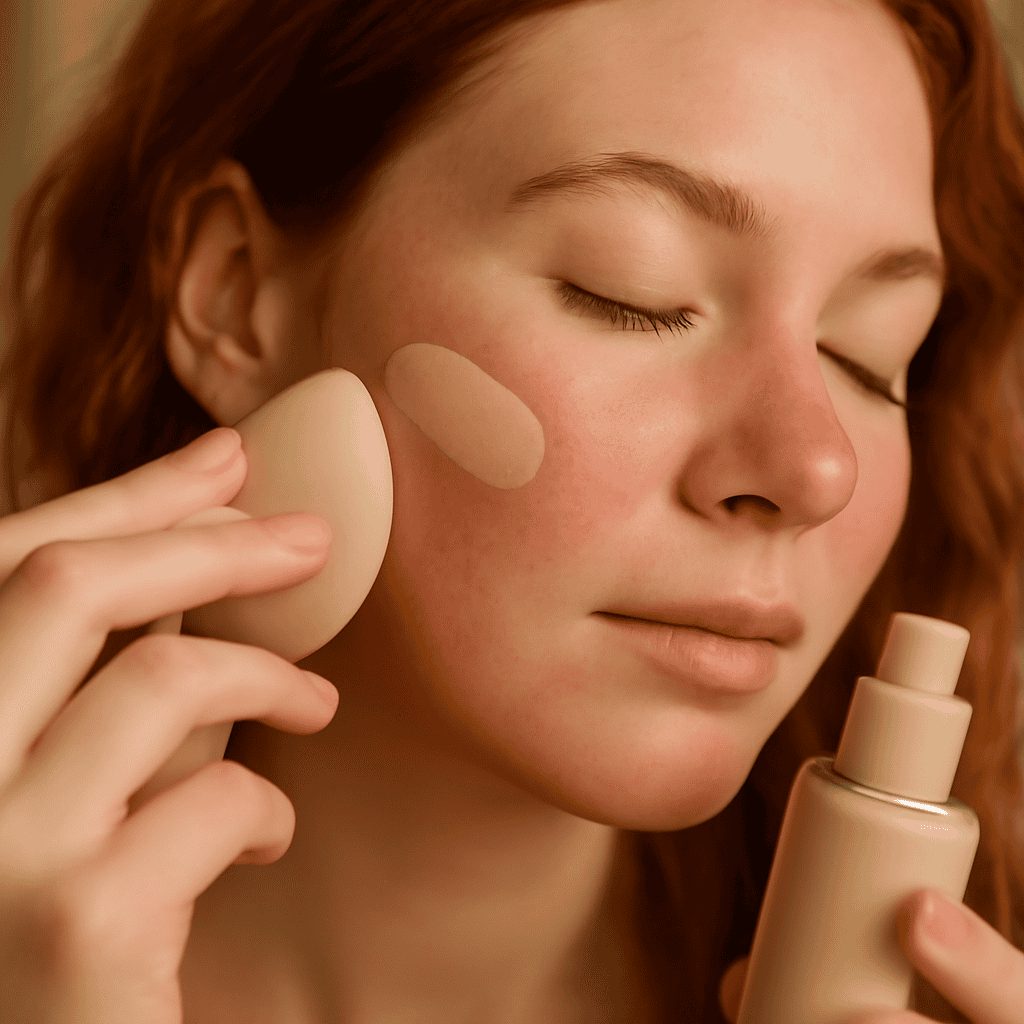
- Apply foundation with a damp sponge using gentle stippling motions. Dragging over psoriasis texture creates a patchy, uneven result.
- Avoid full coverage over textured areas — it emphasizes rather than hides the texture. Instead, aim for color-matching with medium coverage and accept slight texture difference.
- Set with a hydrating setting spray (not powder) over former plaque areas — loose powder on dry, textured skin looks dusty and emphasizes unevenness.
Products Recommended for Psoriasis-Prone Skin
- Avène Couvrance Compact Foundation: Dermatologist recommended for sensitive skin conditions; unscented, hypoallergenic.
- ISDIN Skin Drops Fluid: A fluid foundation specifically noted by dermatologists for psoriasis patients.
- La Roche-Posay Toleriane Teint Fluid Foundation: Fragrance-free, tested for sensitive skin, medium coverage.
- Neutrogena SkinClearing Liquid Makeup: Not specifically for psoriasis but the salicylic acid formula is generally well-tolerated; good for face psoriasis with no active plaques.
Removal Is Critical
Thorough cleansing is especially important for psoriasis-prone skin. Product buildup in scales or within plaques can worsen inflammation. Use a gentle, fragrance-free micellar water followed by a mild non-soap cleanser. Never scrub.
Burns and Scars: Camouflage Coverage
Burn Scar Characteristics
Burn scars vary widely in color and texture:
- Hyperpigmented scars — darker than surrounding skin (common in deeper skin tones)
- Hypopigmented scars — lighter/paler than surrounding skin
- Red/pink scars — often from newer or partially healed burns
- Raised (hypertrophic or keloid) scars — textured, three-dimensional
Coverage for flat or slightly raised burn scars is effective. Coverage for significantly raised scars focuses on color normalization rather than surface leveling.
Camouflage Technique for Burn Scars
Step 1: Skin prep
Healed burn skin is often tight, dry, and sensitive. Apply a fragrance-free, barrier-repairing moisturizer (CeraVe Healing Ointment, Vaseline) and let it absorb fully before makeup application. On healed, dry scar tissue, a primer designed for dry skin (hydrating, not mattifying) improves product adhesion.
Step 2: Color correction
- Pink/red scars: Use a green-tinted corrector over the area, blended with a small flat brush.
- Dark/hyperpigmented scars: Use a peach or orange corrector (depending on skin tone depth).
- Pale/hypopigmented scars: Warm-toned corrector in a shade close to your skin undertone.
Step 3: Full-coverage camouflage foundation
Apply with a small flat brush using pressing motions. Work into scar edges carefully. Multiple thin layers build better than one heavy application.
Step 4: Set and seal
Press (don’t sweep) translucent or skin-toned powder over the area. Waterproof setting spray over the top dramatically extends coverage — especially for body areas that face more friction.
Products Used for Burn and Scar Coverage
- Dermablend Smooth Liquid Camo Foundation ($45): A dermatologist-recommended foundation originally designed for scar coverage; SPF 25.
- Vichy Dermablend 3D Correction ($40): Full coverage with skin-condition tolerance; used by burn survivors and plastic surgery recovery patients.
- Mehron Makeup Tattoo Cover ($15): Originally theatrical makeup; extremely dense pigmentation; popular in the scar-coverage community for its unmatched pigmentation.
- Keromask Covering Cream: Specialist cream used in post-operative care and by dermatologists for scar camouflage.
- RCMA Color Process Foundation: Professional makeup artist standard for body coverage; used in film for burn prosthetics and real-life camouflage.
Body Coverage for Larger Areas
For burn scars covering larger body areas:
- Dermablend Leg and Body Makeup (available in pump format) can cover large areas of arms, legs, and neck.
- Apply with a damp large sponge using stippling motions.
- Set with a light body powder and finish with waterproof setting spray for water-resistant coverage (e.g., swimming or outdoor events).
Other Skin Conditions: General Camouflage Guidance
Rosacea
Covered in depth in our Rosacea-Friendly Makeup guide. Key points: green color corrector under full-coverage foundation, mineral powder to reduce redness, fragrance-free products exclusively.
Port Wine Stains and Vascular Birthmarks
These are typically deeper red-purple pigmentation requiring strong color correction. A deep green or olive corrector applied before full-coverage foundation, set aggressively with powder, and sealed with waterproof spray provides coverage.
Note: Port wine stains often benefit from laser treatment — many people use makeup as a complement to, not replacement for, medical options.
Hyperpigmentation and Melasma
Peach or orange color correctors (depending on depth) under a full-coverage or buildable medium foundation are the standard approach. Regular SPF application is critical for melasma management alongside makeup.
Sensitivity and Safety Considerations
Ingredients to Avoid on Compromised Skin
- Fragrance and essential oils — top irritants for sensitive and condition-prone skin
- High concentrations of alcohol (denat.) — drying on psoriasis and burn scar skin
- Occlusive petroleum-based products over active flares — can trap bacteria
- Micro-exfoliants in primers — cause irritation on sensitive patches
Patch Testing
Always patch test new products on a small non-affected area for 24 hours before applying to condition-affected skin. The inner wrist or jawline work well for patch testing.
Medical Considerations
For fresh scars from burns or surgeries, consult with your dermatologist or care team before introducing makeup to healing areas. Mature, fully healed scars are generally safe for makeup use. Active psoriasis or vitiligo on the face should be discussed with a dermatologist before attempting full coverage routines.
Key Takeaways
- Color correction first — matching foundation without correcting the underlying color difference will always look mismatched.
- Thin layers, pressing technique — particularly on textured or sensitive skin.
- Dermablend and Vichy Dermablend are the most widely validated clinical camouflage brands with dermatologist endorsement.
- Removal is as important as application — especially for psoriasis and sensitive conditions.
- Never apply makeup over active flares — wait for skin to stabilize.
- Coverage for skin conditions is a personal choice — empowering, not obligatory.
Frequently Asked Questions
What is the best makeup brand specifically for skin conditions?
Dermablend, Vichy Dermablend, and KVD Good Apple are the most frequently recommended by dermatologists and the skin condition community. Dermablend was literally developed for burn scar and condition coverage.
Can I use regular foundation for vitiligo coverage?
Regular foundation is unlikely to match the intensity needed to cover depigmented patches without a dedicated color corrector underneath. High-pigment camouflage foundations or those specifically for skin conditions work far better.
Is it safe to put makeup on psoriasis patches?
Only on inactive, healed patches — not on active, inflamed, or cracked plaques. During a flare, keep makeup away from affected areas. After the flare resolves, gentle application is generally fine.
How do I remove camouflage makeup without irritating my skin?
Use an oil-based makeup remover or micellar water first, applied with a soft cloth using gentle pressing motions. Follow with a gentle non-soap cleanser. Avoid scrubbing, especially near scars or previously affected areas.
Are there makeup products tested specifically for burn survivors?
Dermablend has historically worked with burn survivor organizations. The Changing Faces charity in the UK also provides product and technique guidance specifically for burn survivors.
How long does camouflage makeup last on body areas?
With powder setting and waterproof setting spray, full-body camouflage coverage lasts 8–12 hours and can be water-resistant enough for outdoor events. Swimming will dissolve most coverage regardless of products used.
Sources
- Dermablend brand documentation and dermatologist endorsement notes
- American Academy of Dermatology vitiligo and psoriasis management guidelines
- Changing Faces UK camouflage technique guide
- ISDIN dermatological skin foundation clinical notes
- Vichy Dermablend product and efficacy documentation
Related Articles
- Best Fragrance-Free Makeup for Sensitive Skin in 2026
- Best Makeup for Sensitive Skin: A Gentle Routine That Actually Works
- Clean Beauty Makeup Guide: Best Products, Ingredients, and What Matters in 2026
- Best Non-Toxic Makeup in 2026: Practical Guide to Ingredients, Brands, and Products
- Best Makeup and Beauty Tips for Women Over 40 in 2026