

TMG Betaine Benefits: Methylation & Liver Aid
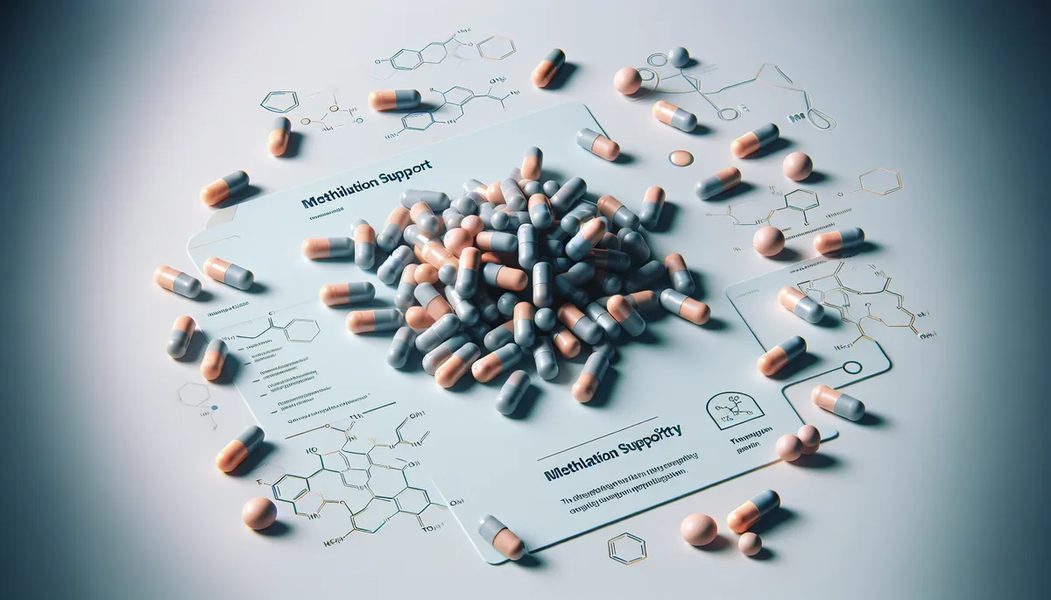
Trimethylglycine (TMG), also called betaine, is a methyl donor that supports the remethylation of homocysteine to methionine. Elevated homocysteine is a cardiovascular and cognitive risk factor; TMG supplementation at 2-6 g/day reliably lowers homocysteine levels, particularly in people with MTHFR polymorphisms impairing folate-dependent remethylation. TMG also supports liver health (reducing fatty liver in some trials) and may modestly enhance exercise performance via osmolyte effects. It is often paired with other methylation support nutrients (methylfolate, methylcobalamin).
- TMG donates methyl groups via the BHMT (betaine-homocysteine methyltransferase) pathway, converting homocysteine to methionine independently of folate or vitamin B12.
- For people with MTHFR gene variants (C677T, A1298C), TMG provides an alternative homocysteine remethylation pathway when the folate-dependent route is impaired.
- Homocysteine-lowering by TMG: a meta-analysis found TMG reduces plasma homocysteine by approximately 1 mmol/L on average; whether this translates to reduced cardiovascular events is not established.
- Non-alcoholic fatty liver disease (NAFLD) trials show betaine (1.5-20 g/day in different studies) reduces liver fat and improves liver enzymes, though evidence is mixed.
- Exercise performance: betaine at 2.5 g/day has shown modest benefits in muscle endurance and power output in some trials, potentially via osmolyte effects that improve cell hydration and reduce fatigue.
TMG betaine, also called trimethylglycine, is one of those supplements that quietly does important work behind the scenes. It is not a flashy stimulant or trendy “biohack,” but it is highly relevant for people interested in healthy methylation, homocysteine balance, liver support, and workout performance.
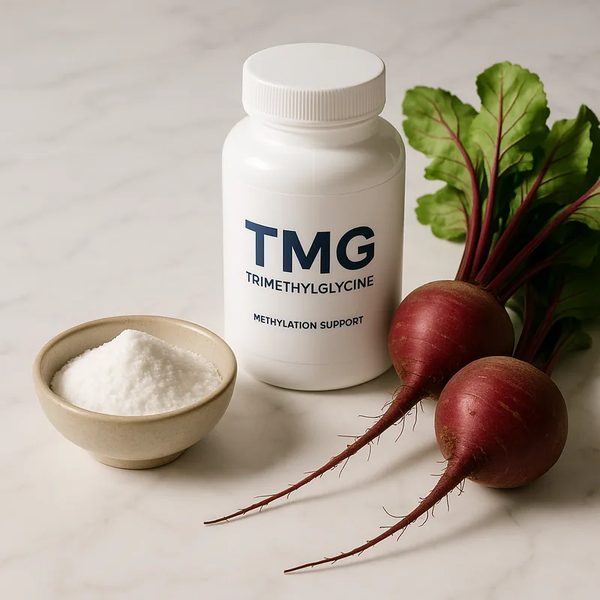
Betaine is found naturally in foods like beets, spinach, quinoa, and wheat bran. In supplement form, it is most often used to donate methyl groups in the conversion of homocysteine to methionine. That matters because elevated homocysteine has been associated with higher cardiovascular and cognitive risk, even though lowering homocysteine does not automatically guarantee better long-term outcomes.
What Is TMG Betaine?
TMG stands for trimethylglycine, a compound made from the nutrient choline. The “tri-methyl” part matters: betaine carries three methyl groups that the body can use in one-carbon metabolism.
Why people take TMG
Most buyers are looking for one or more of these benefits:
- Support for healthy homocysteine metabolism
- Extra methyl donor support alongside folate, B12, or choline
- Mild support for fatty liver risk factors and liver function
- Help with power output or training performance in some sports settings
What the Research Actually Supports
Homocysteine and methylation support
This is the strongest use case for TMG. Betaine helps remethylate homocysteine into methionine through the BHMT pathway. Clinical trials and reviews consistently show that betaine supplementation can lower homocysteine, especially in people with higher baseline levels or inadequate methyl donor intake. A review in Molecules (2023) summarized that doses under about 4 grams per day are often enough to reduce homocysteine meaningfully.
Liver support
Betaine has long been studied for its role as an osmolyte and methyl donor in the liver. Some studies suggest it may support hepatic fat handling and liver enzymes, but this is not an FDA-approved treatment for NAFLD or NASH. Think of the evidence here as promising but not definitive.
Exercise performance
The sports nutrition evidence is mixed. Some trials show small improvements in power output, sprint performance, or body composition; others show no major effect. If you are buying TMG mainly for the gym, I would treat it as a secondary support supplement, not a core ergogenic like creatine.
Best TMG Betaine Supplements in 2026
Best overall: NOW Foods Betaine HCl or Betaine Anhydrous? Choose carefully
This is where buyers get tripped up. Betaine HCl is mainly used for stomach acid support, while betaine anhydrous/TMG is the form used for methylation and homocysteine support. For this topic, you want betaine anhydrous.
Best overall TMG: BulkSupplements Betaine Anhydrous Powder
A simple, cost-effective option with flexible dosing. Powder is ideal because many evidence-based doses land in the gram range.
Best for: people using 1.5 to 3 grams daily and wanting value.
Best capsules: Life Extension TMG
Trusted brand, straightforward labeling, convenient if you do not want powder.
Best for: daily methylation support without measuring scoops.
Best premium pick: Thorne Betaine (if available in TMG/anhydrous format)
Thorne generally earns trust for clean manufacturing and minimalist formulas. If choosing a premium brand, verify the label says trimethylglycine or betaine anhydrous.
Best for: buyers who prioritize brand reputation and testing.
How Much TMG Should You Take?
Most supplement users land in the 500 mg to 3,000 mg daily range.
Practical dosing guide
- 500 to 1,000 mg/day: light methylation support
- 1,500 to 3,000 mg/day: common range for homocysteine support and most research-backed use
- Split dosing: often easier on the stomach at higher amounts
TMG can be taken with or without food, though many people tolerate it better with meals.
Who Should Consider TMG?
TMG may be a smart fit for:
- Adults with elevated homocysteine on lab work
- People already using methylfolate, B12, or choline and wanting broader methyl donor coverage
- Those with low intake of betaine-rich foods
- Some athletes looking for a small performance edge
It may be especially relevant if a clinician has flagged methylation-related lab issues.
Safety, Side Effects, and Cautions
TMG is generally well tolerated, but there are a few things to know.
Possible side effects
- Upset stomach
- Loose stools at higher doses
- Fishy body odor in rare cases
Important caution
Higher-dose betaine has been reported in some studies to raise LDL cholesterol in certain people. That does not mean everyone will see this effect, but if you are using larger doses for months, it is reasonable to recheck lipids.
If you have kidney disease, are pregnant, or are managing a metabolic disorder, talk with a clinician before supplementing.
FAQ
What is TMG betaine good for?
TMG betaine is mainly used to support healthy homocysteine metabolism and methylation. It may also offer secondary support for liver health and, in some cases, exercise performance.
Is TMG the same as betaine HCl?
No. TMG is betaine anhydrous, used mainly for methylation support. Betaine HCl is a different supplement typically used for digestive support and stomach acid.
Does TMG lower homocysteine?
Often yes. This is the best-supported reason to use it. Human studies and reviews show TMG can lower homocysteine, especially when baseline levels are elevated.
Should I take TMG with methylfolate and B12?
Many people do, because they support related methylation pathways. Still, more is not always better, so it is smart to base stacking decisions on symptoms and lab work.
Can TMG help fatty liver?
Possibly, but the evidence is not strong enough to treat it as a stand-alone solution. Diet, weight loss, exercise, and medical care matter far more.
References
- Craig SA. Betaine in human nutrition. Am J Clin Nutr. 2004.
- Schwahn BC, et al. Betaine in human health. Am J Clin Nutr. 2003.
- Detopoulou P, et al. Betaine as a Functional Ingredient: Metabolism, Health-Promoting Attributes, Food Sources, Applications and Analysis Methods. Molecules. 2023.
- Cholewa JM, et al. Effects of betaine on body composition and performance. J Int Soc Sports Nutr. 2013.
This article is for informational purposes only and does not constitute medical advice. Consult your healthcare provider before starting any new supplement regimen.
Related Articles
- Best PQQ Supplements in 2026: Mitochondrial Support, Brain Benefits, and the Reality Behind the Hype
- Best Astaxanthin Supplements in 2026: Eye, Skin, and Recovery Support Without the Hype
- Best Butyrate and Tributyrin Supplements in 2026: What Actually Matters for Gut Barrier Support
- Phosphatidylserine Benefits in 2026: One of the Most Useful Brain Supplements for Stress and Memory
Sources
- Effects of Betaine Intake on Plasma Homocysteine: Review (2005)
- Low Dose Betaine Supplementation Lowers Plasma Homocysteine: Trial (2003)
- Oral Betaine Has Acute and Dose-Dependent Effect on Homocysteine (2005)
- Taurine Deficiency as a Driver of Aging — Science (2023)
- Taurine and Berberine: Nutritional Interventions Targeting Aging and Longevity (2025)

Leave a Reply