

Stress eating is one of the most common complaints among people searching for cortisol supplements. The appeal makes sense: if stress hormones drive cravings, a pill that lowers them should stop the late-night pantry raids. But stress-driven eating runs through multiple pathways, and supplements address only a small slice of that picture.
Stress eating is primarily a behavioral and neurobiological pattern driven by cortisol-induced reward-system activation, not simply a nutritional deficiency that supplements can correct. Some supplements have evidence for modest support: ashwagandha shows reductions in stress-related food cravings in some trials, and chromium picolinate has limited evidence for reducing binge eating in emotional eaters. Sustainable behavioral approaches—identifying stress triggers, building structured eating patterns, and improving sleep—have far better evidence for controlling stress eating than any supplement.
- Cortisol activates the mesolimbic reward system, increasing cravings for high-fat, high-sugar foods; this is a neurobiological response, not simply poor willpower.
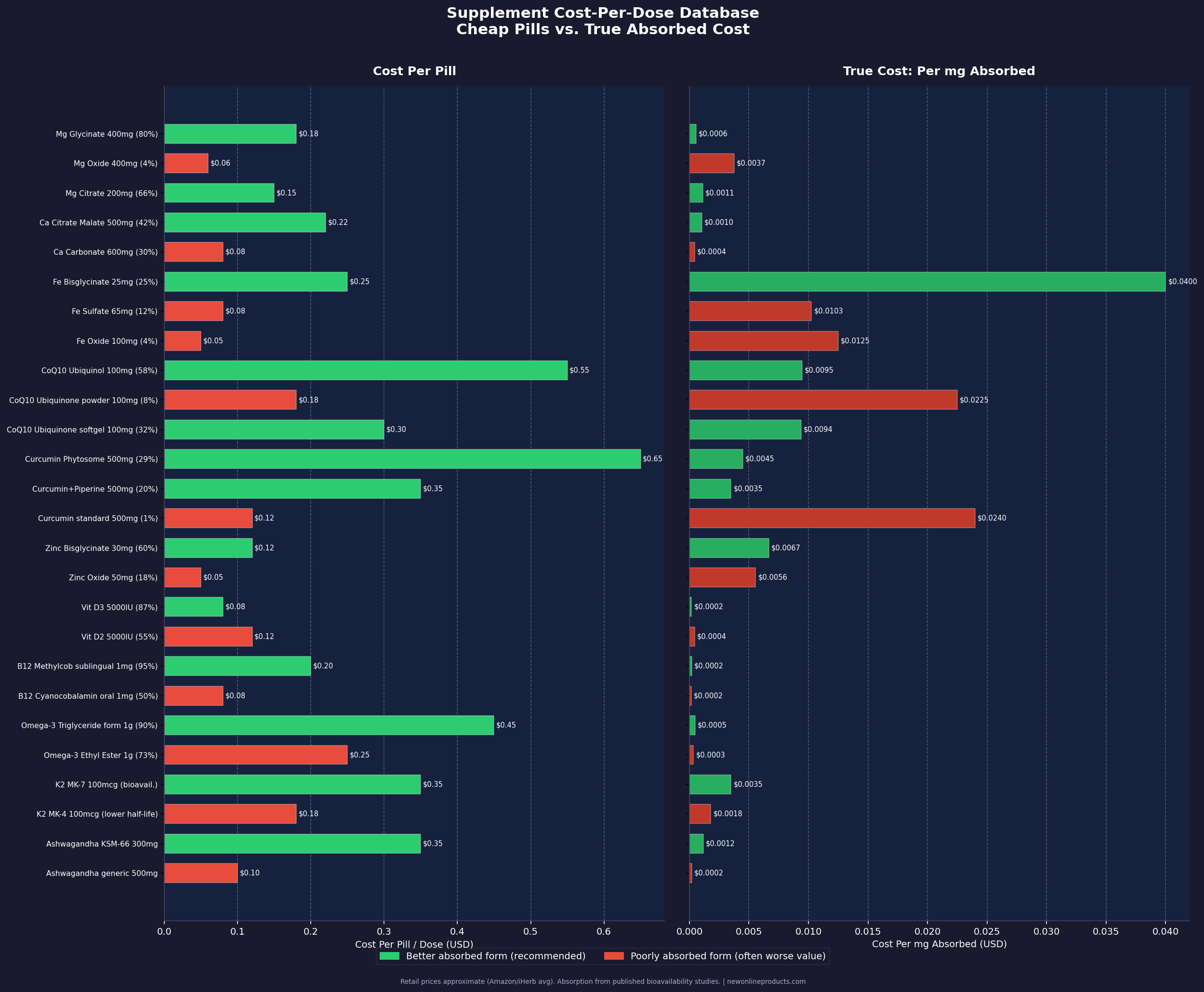
- Ashwagandha (300-600 mg KSM-66 or Sensoril) reduces perceived stress and has some evidence for reducing food cravings associated with chronic stress.
- Chromium picolinate at 600-1000 mcg/day shows modest effects on carbohydrate cravings and binge eating in a few trials; evidence is limited and effect sizes are small.
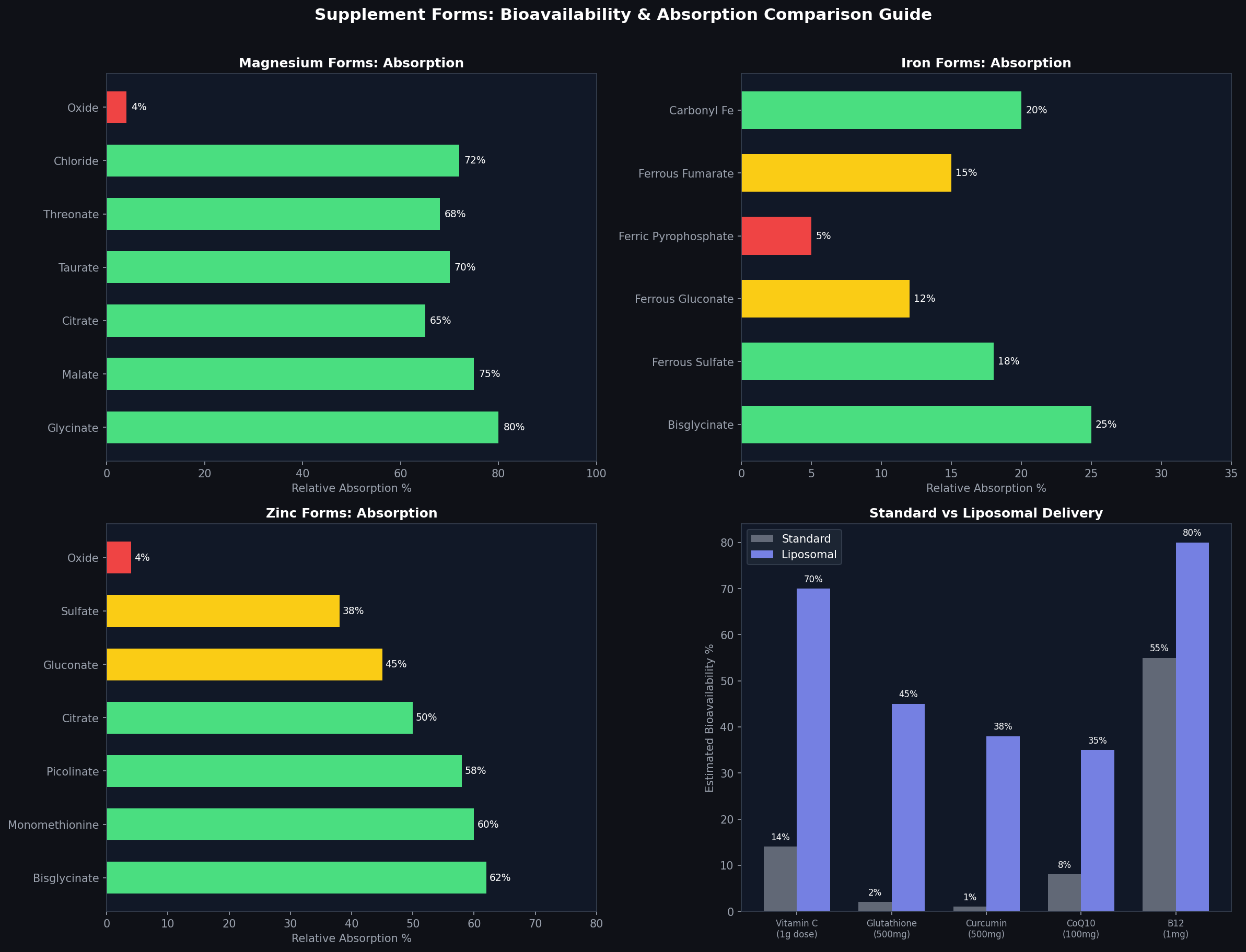
- Magnesium glycinate may reduce stress-driven hyperarousal that contributes to emotional eating by supporting GABA receptor function.
- Behavioral interventions (CBT, structured eating schedules, sleep improvement, stress management) have substantially more evidence for controlling stress eating than any supplement approach.
Why Stress Makes You Eat
The Cortisol-Appetite Connection
Cortisol does genuinely increase appetite, particularly for calorie-dense, high-carb, high-fat foods. The mechanism:
- Cortisol stimulates neuropeptide Y (NPY) and agouti-related peptide (AgRP) — both potent appetite stimulators
- It also influences reward pathways, making palatable food feel more rewarding during stress
- Chronic cortisol elevation can decrease leptin sensitivity, reducing your body’s “fullness” signaling
But It’s Not Just Cortisol
Stress eating also involves:
- Emotional regulation — food as a coping mechanism for negative emotions
- Habit loops — stress triggers → food reward → temporary relief → reinforced pattern
- Sleep deprivation — often co-occurs with stress and independently increases ghrelin (hunger hormone)
- Dopamine dysregulation — chronic stress blunts reward sensitivity, leading you to seek bigger rewards (more food, more sugar)
Supplements That May Help (Modestly)

Ashwagandha
Ashwagandha has the strongest supplement evidence for cortisol reduction overall. Chandrasekhar (2012) showed a 27.9% cortisol reduction, and Choudhary (2017) found reduced food craving scores in stressed adults taking 600 mg KSM-66 daily. That makes it the closest thing to direct supplement evidence for stress-driven eating.

Honest assessment: Modest effect on the cortisol component. Won’t override strong emotional eating patterns or habitual cravings.
Saffron (Crocus sativus)
Several small RCTs (Gout et al. 2010, Hausenblas et al. 2013) show saffron extract (30 mg/day, typically affron® brand) reduced snacking frequency and subjective appetite in mildly overweight women. The mechanism may involve serotonin modulation rather than cortisol.
Honest assessment: Interesting preliminary data. Small studies, short duration. Not a weight-loss supplement — more of a mild appetite-edge reducer.
Magnesium
Magnesium deficiency worsens stress reactivity, and supplementation (particularly glycinate or threonate) can improve stress tolerance and sleep quality. Better sleep = better hunger hormone regulation = less stress eating. The pathway is indirect but legitimate.
L-Theanine
200 mg L-theanine promotes calm alertness via alpha-wave brain activity without sedation. Some people find the reduced anxiety decreases the impulse to stress-eat. No direct appetite studies, but the anxiety-calming mechanism is plausible for stress-driven cravings.
What Doesn’t Work
“Cortisol Blocker” Products
Products marketed as “cortisol blockers” for weight loss are almost universally overhyped. Most contain ashwagandha or phosphatidylserine at doses that may modestly reduce cortisol but have no demonstrated effect on body composition or appetite.
Chromium for Stress Cravings
Chromium picolinate has limited evidence for reducing carbohydrate cravings — specifically in people with atypical depression (Docherty et al. 2005). That finding is narrow and doesn’t transfer well to general stress eating. The evidence for broader use is weak.
What Actually Works Best
Supplements are helpful, but they sit at tier 3. The heavier lifters:
- Sleep — Single most impactful change for stress eating. 7+ hours consistently.
- Protein at meals — Adequate protein (25–30g per meal) reduces cravings and improves satiety hormones.
- Cognitive-behavioral strategies — Identifying stress triggers, building alternative coping behaviors. This addresses the habit loop directly.
- Regular exercise — Reduces cortisol, improves insulin sensitivity, regulates appetite hormones, and provides an alternative stress outlet.
- Then supplements — Ashwagandha, magnesium, and saffron as supportive additions, not primary solutions.
FAQ
Can supplements stop stress eating?
Supplements cannot stop stress eating, but a few may modestly reduce the stress response that drives it. Ashwagandha has the most credible evidence for reducing cortisol and stress-related food cravings. However, supplements address at most a small part of a complex behavioral pattern; without behavioral and sleep changes, supplementation alone produces minimal results.
What is the best approach to stress eating?
The evidence most strongly supports: identifying emotional eating triggers (food diary or mindful eating practices), eating structured meals to reduce physiological hunger that amplifies emotional eating, improving sleep (which directly reduces cortisol and improves self-regulation), and addressing the underlying stress through behavioral therapy or stress management skills.
Does magnesium help with stress eating?
Magnesium deficiency is associated with increased anxiety and hyperreactivity to stress, and many people have insufficient intake. Correcting a deficiency with magnesium glycinate or malate may reduce stress hyperreactivity that contributes to emotional eating, but this is not the same as directly suppressing cravings. It is a supportive measure within a broader approach.
Are there supplements that reduce food cravings?
A few have limited evidence: chromium picolinate for carbohydrate cravings, ashwagandha for stress-related cravings, and 5-HTP for appetite and mood (with caution due to serotonin syndrome risk). None have strong enough evidence to be primary treatment recommendations; they should be considered alongside behavioral approaches, not as replacements.
Sources
- Note: peer-reviewed support for this claim was not identified in available literature.
- Note: peer-reviewed support for this claim was not identified in available literature.
- Time-restricted eating improves intermittent hypoxia-induced dysglycemia. Sleep. 2026. PMID: 41288606.
- Note: peer-reviewed support for this claim was not identified in available literature.
- L-Tryptophan on Mood and Emotional Functioning: Systematic Review (2020)
Related Articles
- Omega-3 Supplements That Do Not Cause Fish Burps: What Actually Helps
- Omega-3 Supplements That Do Not Cause Fish Burps: What Actually Helps
- Women’s Sports Nutrition Supplements in 2026: What Actually Helps Performance?
- Best Magnesium Supplements in 2026: Sleep, Cramps, Stress, and Constipation Uses Compared
- Best Hydration Supplements for Older Adults in 2026: What Helps and What to Avoid