
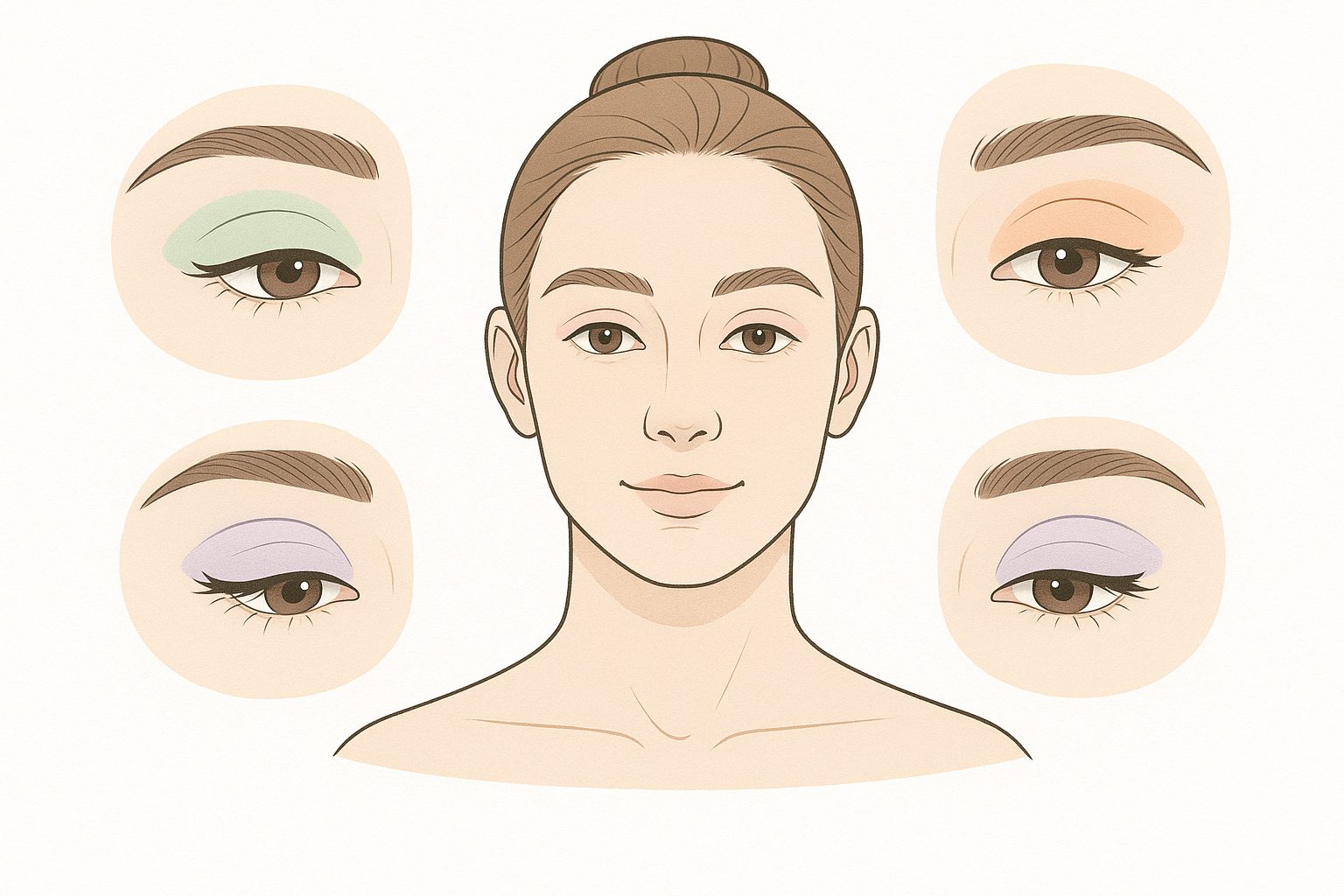
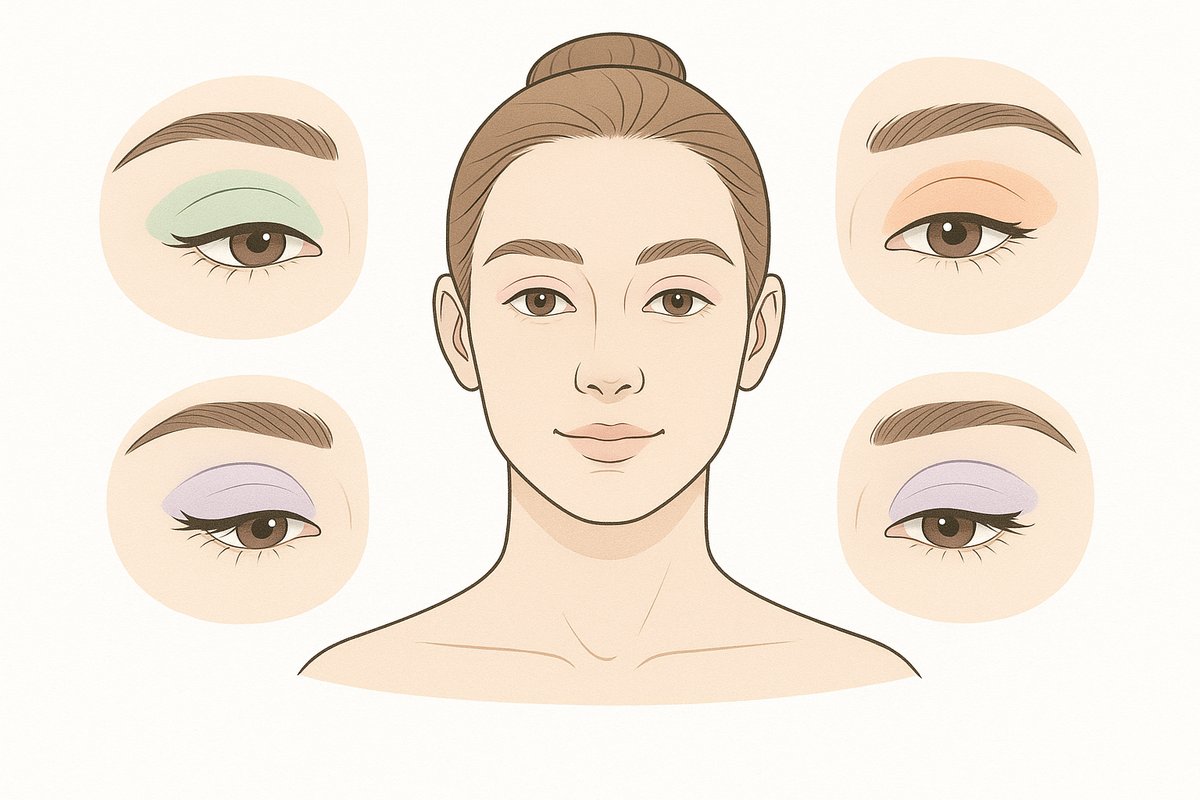
Pastel eyeshadow has a reputation for being pretty in the palette and disappointing on the eyes. Beginners often try soft lavender, mint, baby blue, or pale pink once, then give up when the look turns chalky, uneven, or barely visible. The good news is that pastel eyeshadow is absolutely wearable – it just needs a smarter approach.
Quick Answer
Pastel eyeshadow is one of the most beginner-accessible color categories because mistakes are soft and blendable, the low saturation of pastels means errors are less visible than with deeper colors, and the overall look is forgiving of imprecision in a way that cut creases or intense jewel tones are not. The technical challenge for pastels is achieving visible payoff — pastel pigments are less saturated by design, so applying enough product on an appropriate base is the main skill to develop. The solution is primer and layering rather than trying to force maximum intensity from a single application.
Key Takeaways
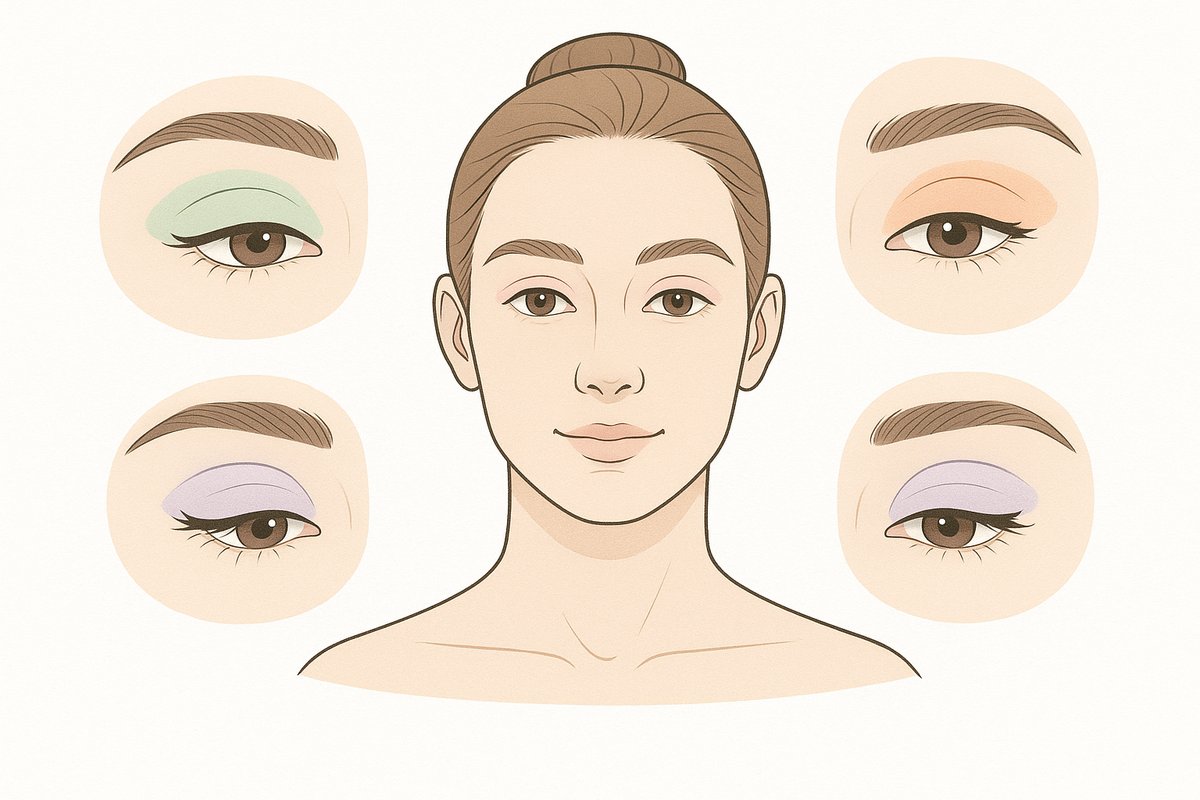
- Pastel shadows require more product and a firmer, more deliberate application technique than deep shades to achieve visible color payoff — use a flat packing brush with a pressing motion rather than the sweeping motion used for blending, building up thin layers until the color reads against your skin tone.
- A white or skin-tone-matching primer underneath dramatically improves pastel shadow visibility — without a light base, the skin’s natural undertone absorbs and muddies soft pastel tones, making them disappear or appear gray. A primer or light-coverage concealer as a base makes pastel colors appear 2-3x more vivid.
- Monochromatic pastel looks (same color family on lid, lower lash line, and inner corner) are easier than multi-color applications for beginners and photograph beautifully — a single pastel coordinated across three eye elements appears intentional and modern without requiring the blending skill of a multi-shade look.
- For beginners, the most fail-safe pastel application involves three shades: the chosen pastel for the lid, a matte white or cream for the brow bone and inner corner highlight, and a slightly deeper matte in the same color family (or a muted taupe) for the outer corner and crease transition — this creates depth without requiring advanced blending.
- Pastel looks read differently in different lighting: they appear softer and more flattering in natural light, while in warm artificial light (indoor incandescent/tungsten) they can appear slightly washed out. This is not a formula problem but a property of pastel pigments; slightly higher application intensity compensates in challenging lighting.
For beginners, pastel looks work best when they are simple, softly blended, and supported by the right base. You do not need six shades or advanced cut-crease skills. In fact, the easiest pastel makeup looks are often the prettiest because they feel light, fresh, and clean.
Why Pastel Eyeshadow Is Great for Beginners
Pastels are a gentle way to explore color without jumping straight into neon or deep jewel tones. They can brighten the face, soften your overall makeup, and give you a more creative look while still feeling approachable.
Pastels feel playful but not overwhelming
A wash of lilac or peach looks colorful, but not loud. That makes pastel shadow a good entry point if you want to move beyond beige and brown.
They pair well with minimal makeup
You can wear pastel eyeshadow with skin tint, mascara, cream blush, and lip balm and still look polished.
They teach good blending habits
Because pastels show texture and patchiness quickly, they push you to use lighter pressure, better primer, and cleaner blending.
The Best Pastel Shades to Start With
Not every pastel is equally easy for a first try. Some shades are more forgiving and flattering than others.
Lavender
Lavender is one of the easiest pastel eyeshadows to wear. It flatters many eye colors and can look soft, fresh, or slightly romantic.
Peach and soft pink
These shades are excellent for beginners because they add color while staying close to natural warmth in the skin.
Mint green
Mint is fun and modern, especially in spring. It works best when paired with neutral crease shading or soft shimmer.
Baby blue
Blue can be beautiful, but it is a little less forgiving. Start with a sheer wash rather than a heavy lid look.
How to Make Pastel Eyeshadow Show Up
The biggest beginner complaint is that pastel shadows disappear. Usually, the fix is not buying more product. It is improving the base.
Use an eye primer
Primer helps pastel shades grip to the lid and stay in place. It also smooths the surface so color goes on more evenly.
Try a light base underneath
A white or light beige base can make pale colors look brighter and more true to pan, especially on medium and deep skin tones.
Pack first, blend second
Press pastel shade onto the lid with a flat brush, then gently blend the edges. If you blend first, soft shades can fade away.
Easy Pastel Eyeshadow Looks for Beginners
You do not need a complicated color story. Start with one of these simple structures.
One-and-done pastel lid
Apply a pastel shade across the lid, blend lightly at the crease, add mascara, and stop there. Lavender, peach, and pink are ideal for this.
Pastel inner-corner pop
Keep the lid neutral and place mint, baby blue, or pale yellow at the inner corner. This gives a colorful effect with almost no risk.
Soft pastel lower lash line
If you are nervous about colorful lids, sweep pastel shadow under the lower lashes with the upper lid kept neutral.
Pastel plus brown crease
Use a light brown crease shade, then add pastel to the lid. This gives shape and makes the look more wearable.
Common Beginner Mistakes
Using too much product
Pastels usually look better in thin layers. Heavy application can look dry or uneven.
Skipping contrast
A little mascara, liner, or crease definition helps soft shades stand out. Otherwise the eyes can look flat.
Choosing formulas with poor payoff
Not all pastel shadows perform well. Look for formulas known for smooth application and buildable pigment.
Ignoring skin tone balance
Very cool pastels can look ashy if there is no warmth elsewhere in the makeup. A peach blush or soft bronzer can help balance the face.
Related Reads
- Ready to go bolder? See our guide to Best Bright Palettes for Spring Makeup in 2026.
- Prep your lids first with the Best Primer for Bold Eye Looks: What to Look For.
- Explore more daring tones in Why Blue and Green Eyeshadow Are Making a Comeback.
- If you have mature skin, check out Colorful Eyeshadow for Mature Eyes: What Actually Works.
FAQ
What is the easiest pastel eyeshadow color for beginners?
Lavender and soft peach are usually the easiest because they are flattering, soft, and less likely to look patchy than pale blue or yellow.
How do I keep pastel eyeshadow from looking chalky?
Use eye primer, apply with a pressing motion, and build in light layers. A slightly tacky base also helps improve smoothness.
Can deeper skin tones wear pastel eyeshadow?
Absolutely. Pastels can look stunning on deep skin, especially when paired with a light base underneath for better contrast and brightness.
Do I need a full pastel palette?
No. Beginners can start with one or two flattering shades or a mixed palette that also includes neutrals for easier blending.
Pastel eyeshadow is easier than it first appears. If you begin with a forgiving shade, use a proper base, and keep the look simple, you can get that airy, fresh color effect without fighting your makeup. For beginners, the goal is not perfection. It is learning how to make soft color work for your features and your routine.
Related Articles
- Dinh N, Bonnefoy N (2024). Schizosaccharomyces pombe as a fundamental model for research on mitochondrial gene expression: Progress, achievements and outlooks. IUBMB life. PMID: 38117001.
- Dinh N, Bonnefoy N (2024). Schizosaccharomyces pombe as a fundamental model for research on mitochondrial gene expression: Progress, achievements and outlooks. IUBMB life. PMID: 38117001.
- Best Cruelty-Free Makeup Brands for 2026
- Best Cruelty-Free Drugstore Makeup
- Cruelty-Free Makeup Guide: How to Verify Claims
Sources
- Facial primer provides immediate and long-term improvements in mild-to-moderate facial hyperpigmentation and fine lines associated with photoaging. Clinical, cosmetic and investigational dermatology. 2015. PMID: 26366102.
- Efficacy and safety of mascara dyeing as an adjunct to Alexandrite and Nd:YAG laser applications for removing thin and white-colored facial and axillary hair. Journal of cosmetic and laser therapy : official publication of the European Society for Laser Dermatology. 2016. PMID: 27762642.
- The survival and growth of microorganisms in mascara during use. American journal of ophthalmology. 1975. PMID: 1119519.
- Best Colored Eyeshadows for Bold Eye Looks 2026
- Best Eyeshadow Sticks for Easy One-Swipe Eye Looks in 2026
Leave a Reply