

Entrepreneurs and knowledge workers do not usually need “more energy” as much as they need better cognition under pressure. The real problems are context switching, decision fatigue, mental overload, poor sleep, and shallow focus.

Knowledge workers need cognitive ergonomics — compounds that support sustained attention, working memory, stress resilience, and decision quality across long work days without degrading sleep or creating dependency. The most applicable evidence-backed stack: caffeine (100-200 mg) + L-theanine (200-400 mg) for primary focus; bacopa monnieri (300 mg daily) for memory consolidation over weeks; rhodiola rosea (200 mg AM) for stress resilience and preventing cortisol-induced cognitive decline under deadline pressure; and lion’s mane mushroom (500-1000 mg) for long-term neuroplasticity. This stack covers acute performance, stress management, and structural brain support — the three pillars of cognitive performance for knowledge-intensive work.
- Knowledge worker cognitive demands differ from athletes’: they require sustained working memory and executive function over 6-10+ hours, social cognition (negotiation, communication), and creative problem-solving — not just reaction time or mechanical output.
- Bacopa monnieri reduces the rate at which working memory degrades under cognitive load (an effect called ‘reduced forgetting rate’ in RCTs) — this is specifically useful for complex multi-step tasks where forgetting mid-task is the productivity bottleneck.
- Rhodiola rosea (200 mg standardized SHR-5 extract, morning) has RCT evidence specifically in physician and night-shift worker populations: it reduces ‘mental fatigue’ under prolonged cognitive demand and maintains decision-making quality under sleep restriction.
- Chronic stress elevates cortisol, which damages the hippocampus and prefrontal cortex over time — adaptogen support (rhodiola, ashwagandha) is not just performance enhancement but neuron-protective under the sustained high-cortisol environment many entrepreneurs operate in.
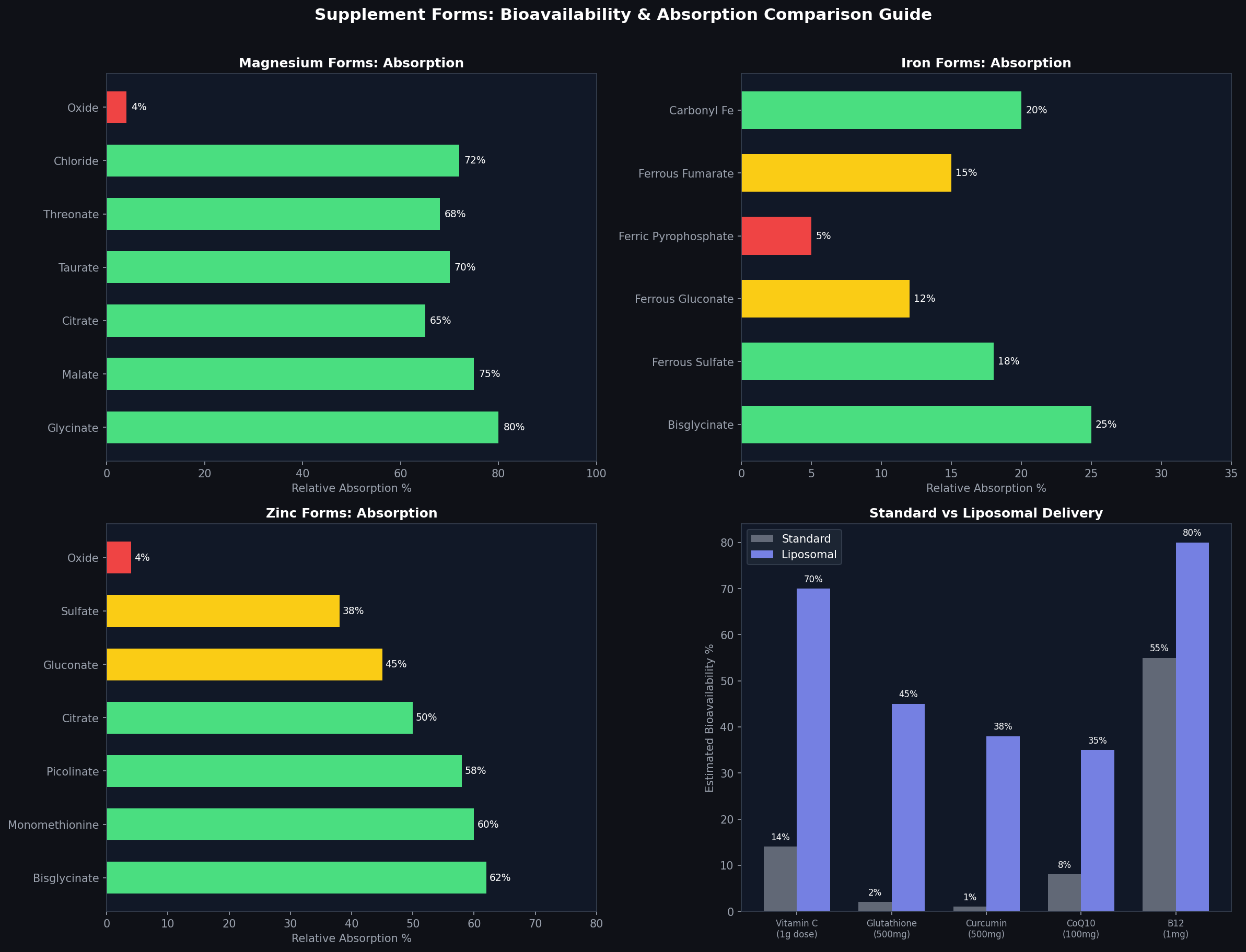
- Magnesium threonate (or glycinate, 200-400 mg evening) is gaining evidence for supporting synaptic plasticity and sleep quality — two factors that compound over weeks to determine knowledge worker cognitive baseline, not just daily nootropic use.
That is why the best nootropics for founders, writers, developers, consultants, and operators are usually the ones that support attention, working memory, calm, or stress tolerance without making you feel cracked out at 4 p.m.
What Entrepreneurs Actually Need From a Nootropic
The ideal supplement for desk-heavy cognitive work should help with sustained attention, cleaner recall, lower stress reactivity, and less mental fatigue.
For most professionals, that means using simple, transparent ingredients rather than giant proprietary “CEO brain” blends.
Best Evidence-Based Nootropics for Cognitive Work

L-Theanine + Caffeine for fast, smooth focus
This is still the most practical productivity stack when you need near-immediate effects. Multiple controlled trials and reviews suggest the combination improves alertness and aspects of attention while smoothing some of caffeine’s rough edges.[1][2]
Why it works for work: better fit for writing, coding, spreadsheet work, and meetings than caffeine alone.
Common starting range: 100-200 mg L-theanine with 50-100 mg caffeine.
Citicoline for clean attention and mental clarity
Citicoline is one of the better-supported choices for knowledge workers who want stimulation-free focus. Human research suggests benefits for attention and memory in both healthy adults and older adults.[3][4]
Why it works for work: useful for long blocks of reading, synthesis, planning, and complex reasoning.
Rhodiola rosea for stress-related fatigue
Founders and operators often are not unfocused because they need dopamine fireworks; they are unfocused because they are tired and stressed. Rhodiola has been studied for stress-related fatigue, with some randomized data showing improvement and reviews suggesting potential benefit, though study quality varies.[5][6]
Why it works for work: good when burnout, overload, and mental tiredness are the real bottlenecks.
Bacopa monnieri for memory and long-game cognition
Bacopa is not a “crush your inbox in 20 minutes” supplement. It is better for people who want improved recall, learning, and calmer cognition over time. A meta-analysis found benefits particularly for attention speed.[7]
Why it works for work: helpful for people doing heavy reading, retention, and information synthesis.
Creatine for sleep-deprived or overloaded brains
Creatine is usually discussed for muscle, but it also plays a role in cellular energy. The cognition data are mixed overall, yet some studies suggest benefit in sleep deprivation or high metabolic stress.[8][9]
Why it works for work: not magic, but a reasonable “support the system” supplement.
Best Fits by Work Style
- Founders and executives: citicoline, rhodiola, and conservative theanine-caffeine
- Developers, analysts, and writers: citicoline, theanine-caffeine, and bacopa
- Creators/marketers: theanine-caffeine and rhodiola
A Simple Workday Stack That Makes Sense
Option 1: Minimalist deep-work stack
- L-theanine 200 mg
- Caffeine 50-100 mg
- Citicoline 250 mg
Option 2: Lower-stim work stack
- Citicoline 250-500 mg
- Rhodiola rosea standardized extract
Option 3: Long-game cognition stack
- Bacopa monnieri standardized extract
- Creatine monohydrate 3-5 g daily
These are intentionally boring. Most professionals do better with 2-3 well-chosen ingredients than with a kitchen-sink stack.
Mistakes Smart People Make With Nootropics
Overstimulating already-stressed brains
If you are anxious, underslept, and overloaded, more stimulant usually means more noise, not better output.
Changing too many variables at once
A new stack, new coffee schedule, and bad sleep at the same time tells you nothing.
Using supplements to excuse bad systems
If your calendar is chaos and your phone owns your attention, no nootropic is going to save your workflow.
FAQ
What is the best nootropic for entrepreneurs?
For most entrepreneurs, citicoline or l-theanine plus caffeine are the best starting points because they match real-world work demands: focus, clarity, and smoother performance.
Are nootropics worth it for knowledge workers?
They can be, but mainly as a small edge on top of sleep, exercise, blood sugar control, and distraction management.
What should burned-out founders try first?
Often rhodiola rosea or l-theanine makes more sense than piling on extra caffeine.
Is Bacopa good for productivity?
Yes, but more for learning and memory over weeks than for an instant work sprint.
References
- Haskell CF, et al. The combined effects of L-theanine and caffeine on cognitive performance and mood. Biological Psychology. 2008.
- Camfield DA, et al. The neurocognitive effects of L-theanine and caffeine: a systematic review and meta-analysis. Nutritional Neuroscience. 2014.
- McGlade E, et al. Improved Attentional Performance Following Citicoline Administration in Healthy Adult Women. Food and Nutrition Sciences. 2012.
- Nakazaki E, et al. Citicoline and Memory Function in Healthy Older Adults: A Randomized, Double-Blind, Placebo-Controlled Clinical Trial. Journal of Nutrition. 2021.
- Olsson EMG, von Schéele B, Panossian AG. Standardized extract of Rhodiola rosea in subjects with stress-related fatigue: randomized placebo-controlled study. Planta Medica. 2009;75(2):105-112.
- Ishaque S, et al. Rhodiola rosea for physical and mental fatigue: a systematic review. BMC Complementary and Alternative Medicine. 2012;12:70.
- Kongkeaw C, et al. Meta-analysis of randomized controlled trials on cognitive effects of Bacopa monnieri extract. Journal of Ethnopharmacology. 2014;151(1):528-535.
- McMorris T, et al. Effect of creatine supplementation and sleep deprivation on cognitive and psychomotor performance. Psychopharmacology. 2006.
- European Food Safety Authority. Creatine and improvement in cognitive function: evaluation of a health claim. EFSA Journal. 2024.
Informational only; not medical advice. Supplements can interact with medications and health conditions, so individualized review matters.
Related Articles
- Best Nootropic Supplements in 2026
- Best Nootropics for Focus Without Caffeine
- Beginner Nootropic Stack Guide
- L-Theanine Stacks for Productivity
- Citicoline vs Alpha-GPC: Which Choline Source Is Better?
Sources
- Systematic reviews on nootropics and cognitive enhancement in healthy adults.
- Hidese S, Ogawa S, Ota M, et al. Effects of L-theanine administration on stress-related symptoms and cognitive functions.
- Clinical research on citicoline for attention and cognitive performance in healthy adults.
- Human studies on tyrosine and cognitive performance under stress.
- Randomized trials on rhodiola, fatigue, and mental performance.
📚 Part of our Best Nootropic Supplements in 2026 hub. Explore all our nootropic and focus guides.