One of the most practical reasons older adults use creatine is to help fight age-related muscle loss, also known as sarcopenia. Muscle decline is not just a cosmetic issue. It affects strength, balance, mobility, recovery from illness, and the ability to stay independent.
Creatine is one of the most evidence-supported supplements specifically for adults 65+. Sarcopenia (age-related muscle loss) is a major contributor to falls, loss of independence, and mortality in older adults – creatine combined with resistance training is the most extensively studied supplement intervention for countering sarcopenia. The evidence base includes multiple systematic reviews and meta-analyses showing creatine + resistance training produces greater muscle mass and strength gains than resistance training alone in older adults. The safety profile in this population is established: 3-5 g/day over periods of 2+ years has been studied without significant adverse events in seniors without serious kidney disease.
- Sarcopenia affects approximately 10% of adults over 60 and up to 30-50% of adults over 80 – loss of muscle mass averages 3-8% per decade after 30 and accelerates after 60; maintaining muscle mass is directly associated with reduced fall risk, improved mobility, and prolonged independence.
- The sarcopenia creatine mechanism: creatine increases intramuscular phosphocreatine stores, improving power output during resistance training sets; this enhanced training stimulus increases the muscle protein synthesis response per session; over time, this translates to greater muscle mass accumulation than training without creatine.
- Satellite cell activation is a proposed mechanism in older muscle: creatine may enhance muscle satellite cell (stem cell) activation and differentiation in response to mechanical loading – older muscle has fewer and less responsive satellite cells; creatine may partially compensate for this reduced regenerative capacity.
- Creatine safety in seniors: multiple long-term studies (including 1-2 year supplementation protocols) in adults 60-80 have found no significant adverse effects on kidney function, liver enzymes, or cardiovascular markers in individuals without pre-existing kidney disease – the nephrotoxicity concern associated with creatine is not supported by trial evidence in healthy individuals.
- Fall prevention application: the combination of muscle preservation, improved neuromuscular function, and potential cognitive benefit from creatine is uniquely relevant for fall prevention – quadriceps strength is the strongest predictor of fall risk, and creatine’s contribution to lower body strength preservation has direct fall-prevention implications.
For seniors, creatine is not magic, but it is one of the better-supported supplements for muscle preservation, especially when paired with resistance training and adequate protein.
Why muscle preservation matters after 60
Aging tends to reduce muscle mass, power, and anabolic responsiveness. In plain language, older adults often lose muscle more easily and gain it more slowly.

That matters because low muscle mass is associated with weakness, slower gait, poorer physical function, and greater frailty risk.
How creatine helps
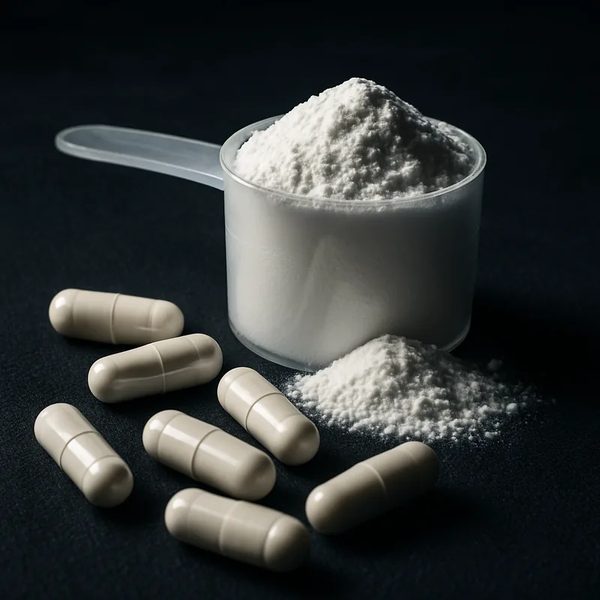
Creatine helps regenerate ATP during short bursts of activity. That may sound abstract, but in practice it can help older adults train a little harder or maintain performance a little better during resistance exercise.
Why that matters long term
Those small improvements in training quality can add up. Meta-analyses show that older adults who combine creatine with resistance training tend to gain more lean tissue and strength than those who train without creatine (Devries & Phillips, PLOS ONE, 2014; Chilibeck et al., Med Sci Sports Exerc, 2017).
Creatine works best with training
It is not a substitute for exercise
This is the biggest point to get right. Creatine alone may offer modest benefits, but the stronger evidence comes when it is combined with a structured resistance-training program.
Even two or three sessions per week using machines, dumbbells, bands, or body weight can make a meaningful difference.
Protein matters too
Creatine is not protein. Older adults also need sufficient dietary protein to preserve and build muscle. In many cases, creatine plus resistance training plus higher-quality protein intake is the most effective combination.
How much should seniors take?
Standard dose
Most older adults can use 3 to 5 grams of creatine monohydrate daily. There is usually no need to complicate it.
Loading phase
A loading phase can saturate muscle stores faster, but it is optional. Many seniors prefer a gentler start at 3 grams daily.
Is creatine safe for seniors?
Creatine monohydrate has one of the strongest safety records in sports nutrition when used at recommended doses. The ISSN notes that it is among the most studied and safest ergogenic aids available in healthy populations (Kreider et al., JISSN, 2022).
When to use extra caution
Older adults with kidney disease, significant lab abnormalities, or complex medication regimens should check with their clinician before starting. That is especially important in medically complex aging adults.
Common concerns
Will creatine cause fat gain?
No. Creatine does not cause fat gain. Some people gain a small amount of water weight, mainly inside muscle tissue.
Does it help balance or function?
Indirectly, it may. If creatine helps support strength and training capacity, it may also support overall function. Some studies in older adults report improvements in performance-related outcomes such as strength and physical capacity.
Best kind of creatine for seniors
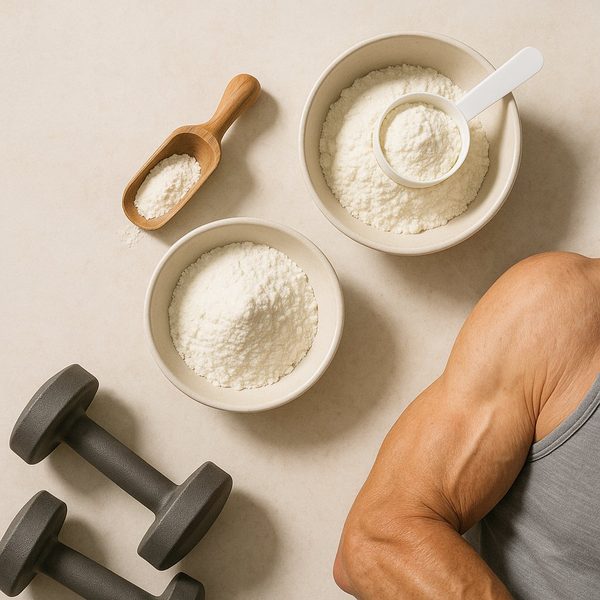
The answer is usually simple: creatine monohydrate powder. It is affordable, effective, and easier to dose accurately than trendy alternatives.
FAQ
Should seniors take creatine every day?
Yes. Daily use helps maintain creatine stores in muscle, which is how the supplement does its work.
What is the best creatine for older adults?
Plain creatine monohydrate is usually the best option because it has the best evidence and value.
Can creatine help prevent muscle loss with aging?
It may help support muscle preservation, especially when combined with resistance training and adequate protein intake.
Is creatine safe for women and men over 65?
Often yes in healthy adults, but medical review is wise for anyone with kidney disease or complicated health conditions.
Related Articles
- Creatine for Bone and Brain Support in Women and Older Adults
- Creatine for Adults Over 50: Benefits and Safety
- Creatine Dosing Guide for Older Adults
- Best Creatine for Women Over 40
- Antonio J, Candow DG, Forbes SC, Gualano B, Jagim AR, Kreider RB, et al (2021). Common questions and misconceptions about creatine supplementation: what does the scientific evidence really show?. Journal of the International Society of Sports Nutrition. PMID: 33557850.
Sources
- Effects of Creatine Monohydrate Supplementation on Muscle, Bone and Brain- Hope or Hype for Older Adults?. Current osteoporosis reports. 2024. PMID: 39509039.
- Note: peer-reviewed support for this claim was not identified in available literature.
- Forbes SC, et al. Effects of creatine supplementation on brain function and health. Nutrients. 2022;14(5):921.
- Creatine for Adults Over 50: Benefits and Safety
- Antonio J, Candow DG, Forbes SC, Gualano B, Jagim AR, Kreider RB, et al (2021). Common questions and misconceptions about creatine supplementation: what does the scientific evidence really show?. Journal of the International Society of Sports Nutrition. PMID: 33557850.
📚 Part of our Best Creatine Supplements in 2026 hub. Explore all our creatine guides.