
Omega-3 supplements are often marketed as “brain food,” and that claim has real scientific logic behind it. DHA is a major structural fat in the brain and retina, while EPA appears to matter more for mood, neuroinflammation, and cellular signaling. The best omega-3 for brain health is usually not the cheapest bottle with the biggest “fish oil” number on the front. It is the formula that gives you meaningful amounts of DHA and EPA, in a well-absorbed form, with low oxidation and strong third-party testing.
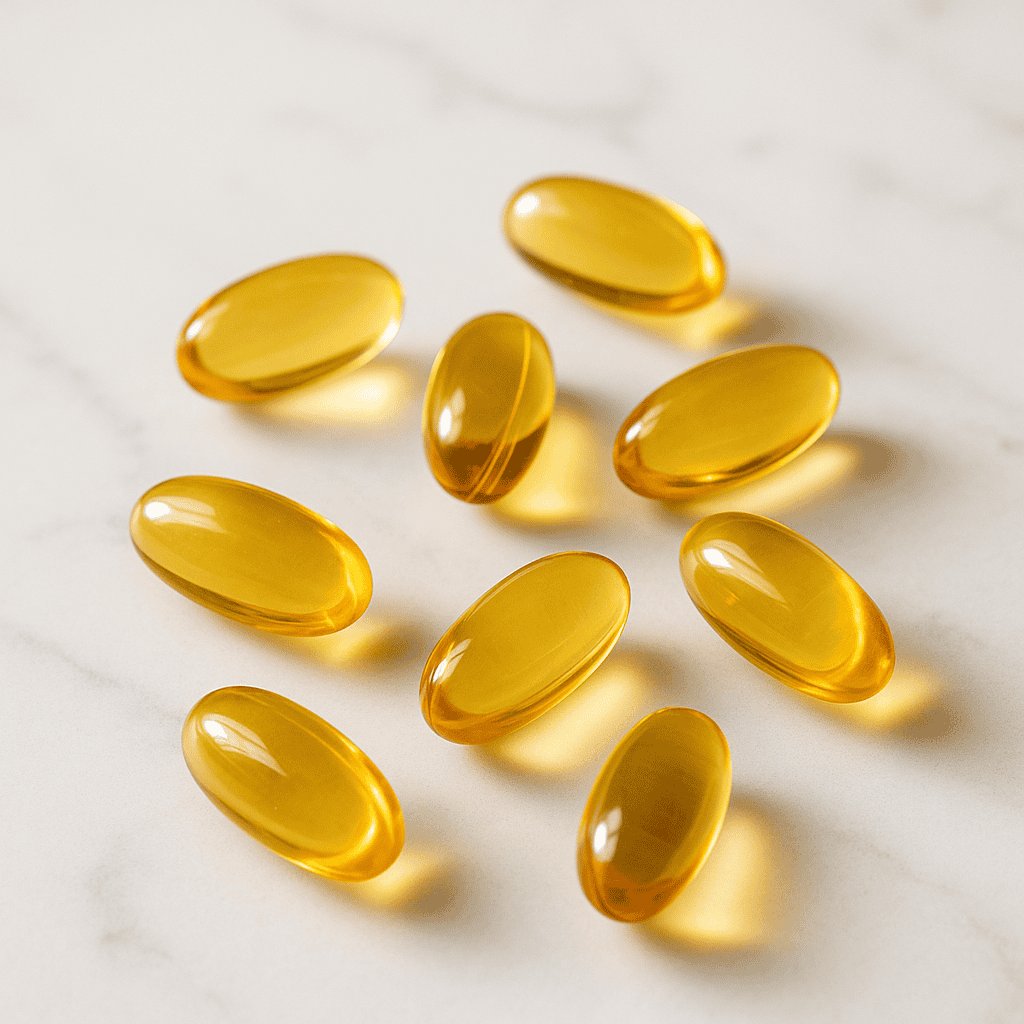
DHA (docosahexaenoic acid) is the structural omega-3 that makes up approximately 8% of brain dry weight — it is essential for neuronal membrane fluidity, synaptic signaling, and anti-neuroinflammatory action. EPA (eicosapentaenoic acid) is the anti-inflammatory omega-3 with stronger evidence for mood disorders, particularly depression. For brain health broadly, combined EPA+DHA supplements are preferred — look for minimum 1000-2000 mg combined EPA+DHA per day, with products listing individual EPA and DHA amounts on the label (not just total fish oil). Triglyceride form (not ethyl ester) offers 30-70% better absorption. Cold-water sourced fish oils with third-party oxidation testing are most reliable.
- DHA comprises approximately 8% of brain dry weight and is a structural component of neuronal phospholipid membranes — adequate DHA supports membrane fluidity, dendritic branching, and synaptogenesis, with low DHA status associated with cognitive decline and depression.
- EPA is the primary anti-neuroinflammatory omega-3 — its conversion to EPA-derived resolvins and protectins reduces microglial activation and neuroinflammation, the underlying mechanism for EPA’s documented antidepressant efficacy (stronger evidence than DHA for MDD).
- A 2016 meta-analysis (Grosso et al.) found omega-3 supplementation significantly reduced depression scores in RCTs, with EPA-dominant formulas (>60% EPA) showing the largest effects — suggesting EPA content is a better predictor of antidepressant benefit than DHA.
- Triglyceride-form omega-3 (natural fish oil, re-esterified TG products) shows 30-70% better absorption than ethyl ester form (the cheapest commercial form) — the difference matters most when taking omega-3s without dietary fat for absorption.
- Oxidized fish oil may actually be pro-inflammatory rather than anti-inflammatory — TOTOX (total oxidation) value below 26 is the standard. Refrigerate fish oil, check the IFOS certification, and discard any oil with a rancid smell.
For most adults focused on cognitive support, a high-quality omega-3 supplement with at least 500 to 1,000 mg of combined EPA+DHA daily, and often a DHA-forward or balanced formula, is the best starting point. The details matter, though.
Why Omega-3s Matter for the Brain
DHA helps build neuronal membranes and supports membrane fluidity, synaptic signaling, and retinal function. EPA is present in lower concentrations in the brain, but it influences inflammatory pathways and may be more relevant for mood support.
Research consistently shows that omega-3 status is associated with brain and nervous system health across the lifespan. DHA is especially important during pregnancy and infancy, but it still matters in adulthood and aging. A review in Nutrients highlighted DHA’s structural role in the central nervous system, while EPA appears more active in immune and inflammatory signaling relevant to mood and cognition.
What the Research Says
Research is mixed but directionally supportive. DHA appears especially relevant for brain structure and cognitive aging, while a 2019 meta-analysis in Translational Psychiatry suggested EPA-rich formulas may be more helpful for depressive symptoms. In practice, the best “brain health” formula often depends on whether your priority is cognition, mood, or both.
What Makes an Omega-3 Good for Brain Health?
1. Prioritize DHA, but do not ignore EPA
If your main goal is general brain structure support, learning, memory, or visual-neural health, look for a formula with at least 250 to 500 mg DHA per serving. If you also care about mood and inflammation, you may want a more balanced blend or one with slightly higher EPA.
A practical range for brain-focused supplementation is:
- DHA: 300 to 800 mg daily
- EPA: 200 to 1,000 mg daily depending on goals
2. Check EPA+DHA, not total fish oil
A “1,000 mg fish oil” softgel may contain only 300 mg of EPA+DHA, so use the EPA and DHA lines on the Supplement Facts panel.
3. Choose a form with decent absorption
Triglyceride and re-esterified triglyceride forms are usually preferred for absorption and tolerance. Ethyl ester products can still work, but quality and meal timing matter more.
4. Look for freshness and purity testing
Oxidized fish oil is a bad deal. Look for IFOS, NSF, USP, or other credible third-party testing. Purity matters for heavy metals, but freshness matters too.
5. Consider algae oil if you want vegan DHA
Algae oil can be an excellent brain-health choice because many products are naturally DHA-rich. Some modern algae formulas now include meaningful EPA as well.
Best Types of Omega-3 for Different Brain Goals
Best for memory and cognitive aging
A DHA-forward fish oil or algae oil is usually the best fit. DHA is the anchor nutrient here.
Best for mood support
An EPA-rich or EPA-dominant formula may be the better pick, based on meta-analyses of depression-related outcomes.
Best for all-around brain support
A balanced EPA+DHA product in triglyceride form often works best for most adults who want one product for brain, eye, and cardiovascular support.
Who May Benefit Most?
You may be more likely to notice value from omega-3 supplementation if you rarely eat fatty fish, follow a low-seafood diet, use a vegan diet and need algae DHA, or want support for mood, focus, or cognitive aging.
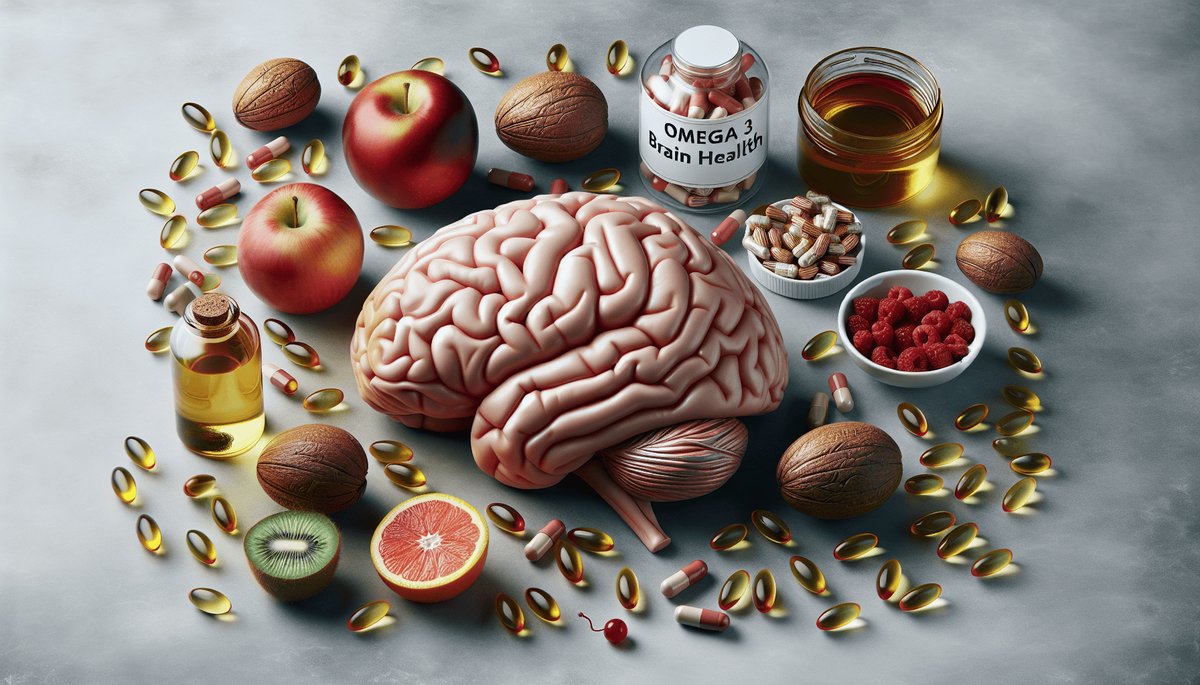
FAQ
Is DHA or EPA better for brain health?
DHA is usually more important for brain structure and neuronal membranes, while EPA may matter more for mood and inflammatory signaling. For many adults, both are useful.
How much omega-3 should I take for brain health?
A practical daily target is 500 to 1,000 mg combined EPA+DHA, with at least 250 to 500 mg DHA. Some people use more under medical guidance.
Is algae oil as good as fish oil for the brain?
Yes, especially for DHA. Algae oil is one of the best vegan options for brain health, and some formulas now include EPA too.
How long does it take to notice benefits?
Blood levels can improve within weeks, but subjective changes in mood, focus, or dry-eye comfort often take 4 to 12 weeks of consistent use.
References
- Dyall SC. Front Aging Neurosci. 2015.
- Mocking RJT, et al. Transl Psychiatry. 2019.
- Yurko-Mauro K, et al. Alzheimers Dement. 2010.
- Swanson D, et al. Adv Nutr. 2012.
The Bottom Line
The best omega-3 for brain health is usually a high-quality, low-oxidation supplement that delivers meaningful DHA with enough EPA to match your goals. If you care most about brain structure and cognitive aging, lean toward DHA. If mood is part of the picture, make sure EPA is not too low. Either way, focus on EPA+DHA content, absorption form, and third-party testing instead of front-label hype.
This article is for informational purposes only and does not constitute medical advice. Consult your healthcare provider before starting any new supplement regimen.
Related Articles
- Complete Guide to Omega-3 Supplements in 2026
- Best Omega-3 Supplements in 2026
- Fish Oil vs Krill Oil vs Algae Oil
- How Much EPA and DHA Do You Need Daily?
- Omega-3 Dosing, Safety, and Drug Interactions
Sources
- Dyall SC. Front Aging Neurosci. 2015.
- Mocking RJT, et al. Transl Psychiatry. 2019.
- Yurko-Mauro K, et al. Alzheimers Dement. 2010.
- Swanson D, et al. Adv Nutr. 2012.
📚 Part of our Complete Guide to Omega-3 Supplements hub. Explore all our omega-3 evidence reviews in one place.



Leave a Reply