
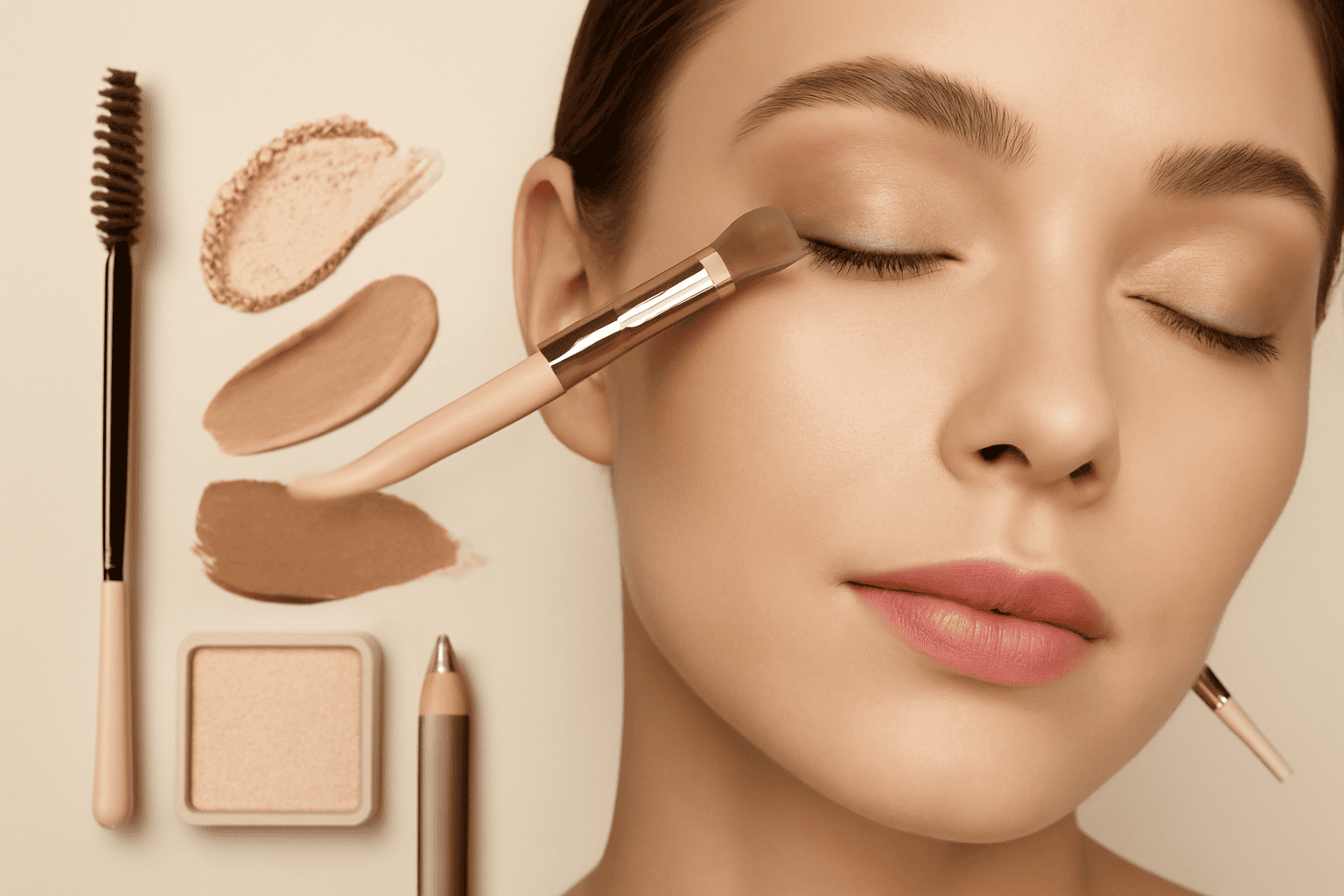
If your eyes sting, water, or turn red after makeup, the best makeup for sensitive eyes is usually simple, fragrance-free, ophthalmologist-tested, and easy to remove. In practice, that means cream or pressed formulas with minimal fallout, tubing or washable mascaras instead of flaky fiber formulas, and eyeliners that stay on the lash line without migrating into the eye.
Sensitive eyes usually do better with boring products than trendy ones. Heavy fragrance, loose glitter, old mascara, and hard-to-remove waterproof formulas are common troublemakers.
Quick Answer: The best makeup for sensitive eyes is fragrance-free, ophthalmologist-tested, and formulated without alcohol, glitter, or coal tar dyes — the most common triggers are fragrance, preservatives, and loose shimmer particles.
What Sensitive Eyes Actually Need
Sensitive eyes are not one single condition. Some people react because of allergies. Others have dry eye, blepharitis, eczema around the lids, or irritation from contact lenses. That is why the safest makeup strategy is to reduce friction, fallout, and potential irritants.

Features worth prioritizing
Look for products described as:
- fragrance-free
- ophthalmologist-tested
- suitable for sensitive eyes
- contact lens friendly when relevant
- easy to remove without aggressive rubbing
Features worth being cautious with
Sensitive eyes often dislike:
- loose glitter and shimmer fallout
- heavy fragrance or essential oils near the eyes
- old or contaminated eye products
- fiber mascaras that shed
- highly stubborn waterproof formulas used every day
Best Makeup Categories for Sensitive Eyes
Mascara
Tubing mascaras and gentle washable mascaras are often the safest starting point because they tend to smear less into the eye area and can come off with warm water or a mild remover. If a mascara flakes during the day, it is probably not your friend.
Eyeliner
Pencil or gel eyeliners can work well if they stay put and do not crumble. The safest placement is usually the upper lash line rather than the inner rim. Tightlining and waterline application can be more irritating for already-sensitive eyes.
Eyeshadow
Pressed shadows are usually better than loose pigments. Satin and matte formulas tend to create less airborne fallout than chunky shimmer or glitter products. Cream shadow sticks can also be useful because they go on quickly and create less dust.
How to Build a Sensitive-Eye Makeup Routine
Step 1: Keep the formula count low
The more products you pile around the eye, the harder it is to identify what is causing irritation. Start with one shadow, one liner, and one mascara instead of a full layered eye look.
Step 2: Avoid lash-root crowding
Applying product too close to the tear film can increase watering and discomfort. Stay just outside the inner lash line when possible.
Step 3: Replace products on time
FDA eye-cosmetic guidance emphasizes contamination risk, especially with mascara. If a product smells odd, dries out, or has been around too long, toss it.
Step 4: Remove gently
Sensitive eyes often suffer as much from removal as from the makeup itself. Use a soft pad, micellar water, or a gentle eye makeup remover and hold it over the lid before wiping. Rubbing is where a lot of irritation starts.
Ingredients and Claims to Think About Carefully
“Hypoallergenic” is helpful but not magic
That label can be useful, but it does not guarantee zero reaction. People still react to otherwise gentle products, so patch testing matters.
“Waterproof” is situational, not automatically better
Waterproof formulas may be useful for weddings or long humid days, but daily use can backfire because removal usually requires more tugging.
Fragrance-free usually beats scented
This is especially true for people with watery, itchy, or allergy-prone eyes. There is rarely a good reason for eye makeup to be scented.
Common Mistakes That Make Sensitive Eyes Worse
Using old eye products
FDA guidance notes that bacteria and fungi can grow in eye cosmetics if they are misused or kept too long. Mascara is the biggest repeat offender.
Sharing makeup
Sharing seems harmless until it is not. Eye products are one of the worst categories to swap.
Choosing drama over comfort
The prettiest formula on social media is not automatically worth the redness. If a product makes your eyes burn, it failed.
Evidence and Expert Guidance
A few practical points in this topic line up with reputable guidance:
- The FDA advises keeping eye cosmetics clean, not sharing them, and replacing mascara regularly because of contamination risk.
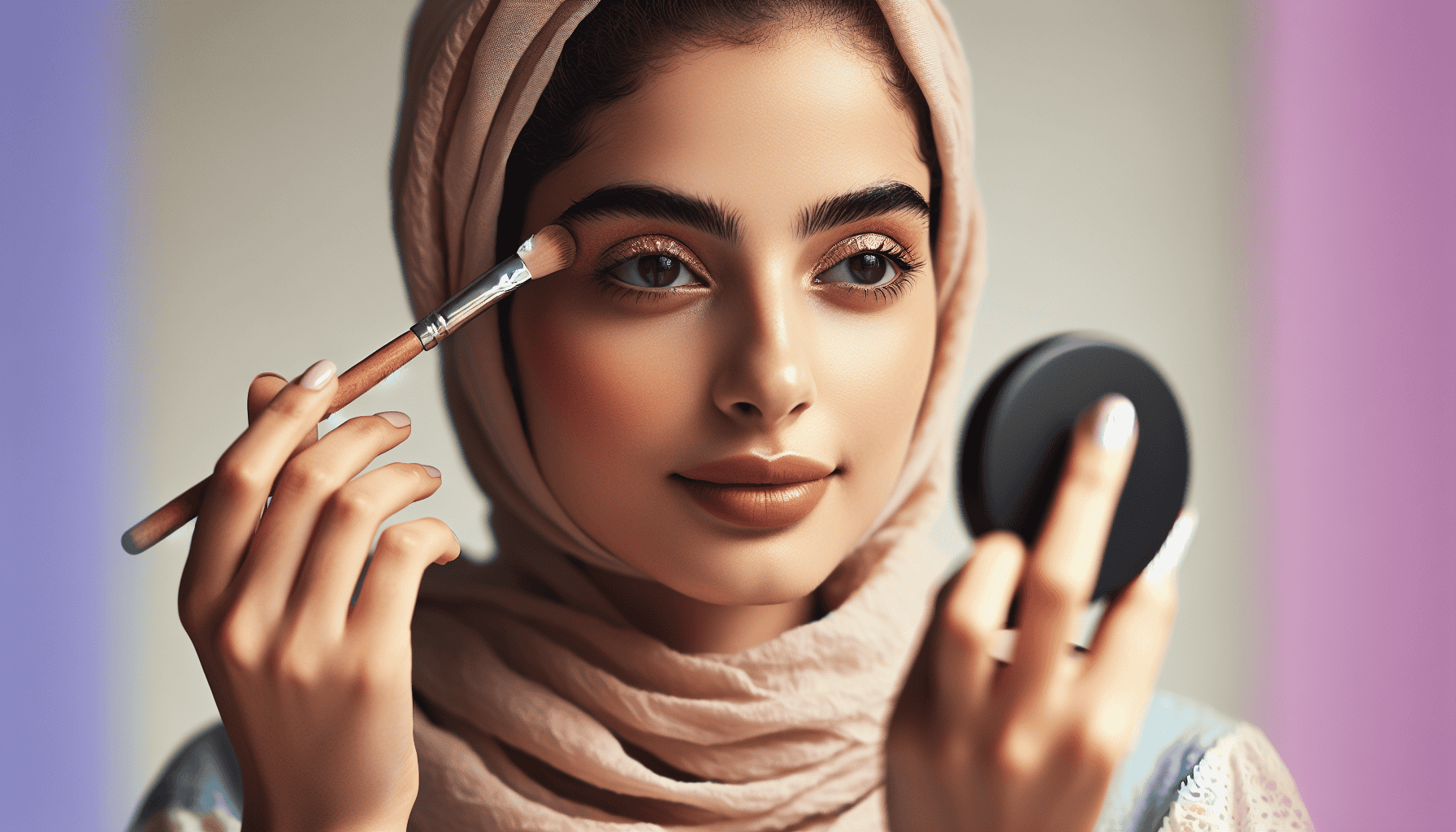
- The American Academy of Ophthalmology advises caution with eye makeup that flakes or gets into the tear film, especially for dry or sensitive eyes.
- Contact-lens guidance from optometry groups also recommends avoiding fiber-heavy mascaras and products that shed particles.
FAQ: Best Makeup for Sensitive Eyes
What is the best type of makeup for sensitive eyes?
Usually fragrance-free, ophthalmologist-tested eye makeup with minimal fallout and easy removal. Pressed shadows, gentle liners, and tubing or washable mascaras are good places to start.
Is waterproof mascara bad for sensitive eyes?
Not always, but it can be harder to remove and may cause more irritation if you need to rub the lashes.
Should sensitive eyes avoid shimmer?
Not necessarily, but chunky glitter and high-fallout shimmer are riskier than smooth pressed satin or cream formulas.
How do I know if makeup is irritating my eyes?
Common clues include stinging, tearing, redness, itching, blurred vision from watering, or discomfort that improves when you stop using the product.
Key Takeaways
- Fragrance-free and ophthalmologist-tested are the most important certifications for sensitive eye makeup.
- Alcohol in eye makeup causes stinging and dries the delicate eyelid skin — choose alcohol-free formulas.
- Loose glitter and large mica particles can physically irritate the ocular surface — choose pressed shimmer instead.
- Coal tar dyes (FD&C, D&C color names) can cause contact sensitization in the eye area with repeated use.
- Preservatives like quaternium-15 and formaldehyde releasers are common irritants in eye products.
- Patch test new eye products on the inner arm before the eyelid to identify reactions before they occur near the eyes.
Common causes of sensitive eye reactions to makeup
Sensitive eyes react to makeup through two distinct pathways: irritant contact dermatitis (direct chemical irritation, typically immediate stinging or burning) and allergic contact dermatitis (immune-mediated sensitization developing after repeated exposure to a specific ingredient, causing delayed redness and itching).
Immediate stinging and watering
This is typically irritant-driven. The most common culprits: alcohol (especially in liquid eyeliners and setting sprays), synthetic fragrance components, menthol or peppermint, and preservatives that release formaldehyde (DMDM hydantoin, imidazolidinyl urea). These cause symptoms within minutes of application.
Delayed reactions: redness, swelling, itching
Delayed reactions appearing hours after application suggest allergic sensitization. Common delayed-reaction allergens in eye makeup: synthetic fragrance components, certain preservatives (methylisothiazolinone), and some dyes. Once sensitization occurs, even tiny amounts of the allergen can trigger a reaction.
Physical irritants: glitter and loose particles
Glitter and loose shimmer cause a physical rather than chemical reaction — mechanically irritating the conjunctival surface. This is particularly noticeable at the inner corner of the eye and along the waterline. Switching to pressed eyeshadow or finely-milled shimmer typically resolves this type of irritation.
How to identify your trigger
When you experience a reaction: stop all new eye products and return to previously tolerated ones. Once the reaction resolves, reintroduce products one at a time, waiting 3-5 days between each. The product that triggers return of symptoms contains your trigger. Compare its ingredient list to products you tolerated — the ingredient(s) present in the reactive product but absent from tolerated products are your candidate triggers.
General principles for sensitive eye makeup
Always choose fragrance-free formulas for eye products. Prioritize ophthalmologist-tested claims. Use pressed powder over loose powder or glitter. Check preservative systems — avoid formaldehyde releasers and methylisothiazolinone. Replace all eye products every 3-6 months. Never sleep in eye makeup — extended contact with the eye area overnight significantly increases irritation risk.
What causes sensitive eye reactions to makeup?
The most common causes are synthetic fragrance (a leading contact sensitizer), alcohol (an irritant), preservatives like formaldehyde releasers, and physical irritants like loose glitter particles. Identifying whether your reaction is immediate (irritant) or delayed (allergic) helps narrow the cause.
Is hypoallergenic eye makeup really better for sensitive eyes?
“Hypoallergenic” is not a regulated term and does not guarantee a product will not cause reactions. Ophthalmologist-tested is a more specific and credible claim for eye product safety because it indicates actual testing near the eye area.
Can I wear eye makeup if I have dry eyes?
Yes, with careful product selection. Avoid products applied to the waterline (these can disrupt the lipid layer of the tear film). Choose fragrance-free, alcohol-free formulas. Use preservative-free eye drops throughout the day if makeup contributes to dryness.
How do I know which ingredient is causing my eye reaction?
Stop all eye products and return to basics. Reintroduce products one at a time with 3-5 days between each. The product that triggers return of symptoms contains your trigger. Compare its ingredient list to products you tolerated to identify the culprit.
Should I see a doctor if I have repeated eye makeup reactions?
Yes — if reactions are severe, persistent, or affect vision, see an ophthalmologist or dermatologist. Repeated reactions can sensitize the eye area further, making future reactions more severe. A patch test by a dermatologist can identify specific allergens precisely.
Related Articles
- Best Makeup for Sensitive Eyes in 2026
- Best Fragrance-Free Makeup for Sensitive Skin in 2026
- Best Cruelty-Free Mascaras for Sensitive Eyes
- Best Fragrance Free Makeup Brands for Sensitive Skin Shoppers
Sources
- FDA: Eye Cosmetic Safety — ingredients, recalls, and allergen guidance.
- American Academy of Ophthalmology: How to Use Cosmetics Safely Around Your Eyes.
- Biebl KA, Warshaw EM. Allergic contact dermatitis to cosmetics. Dermatol Clin. 2006;24(2):215-232.
- Relevant peer-reviewed sources for this topic. Accessed 2026.
📚 Part of our Best Makeup for Sensitive Skin hub. Explore all our sensitive skin makeup guides.

Leave a Reply