
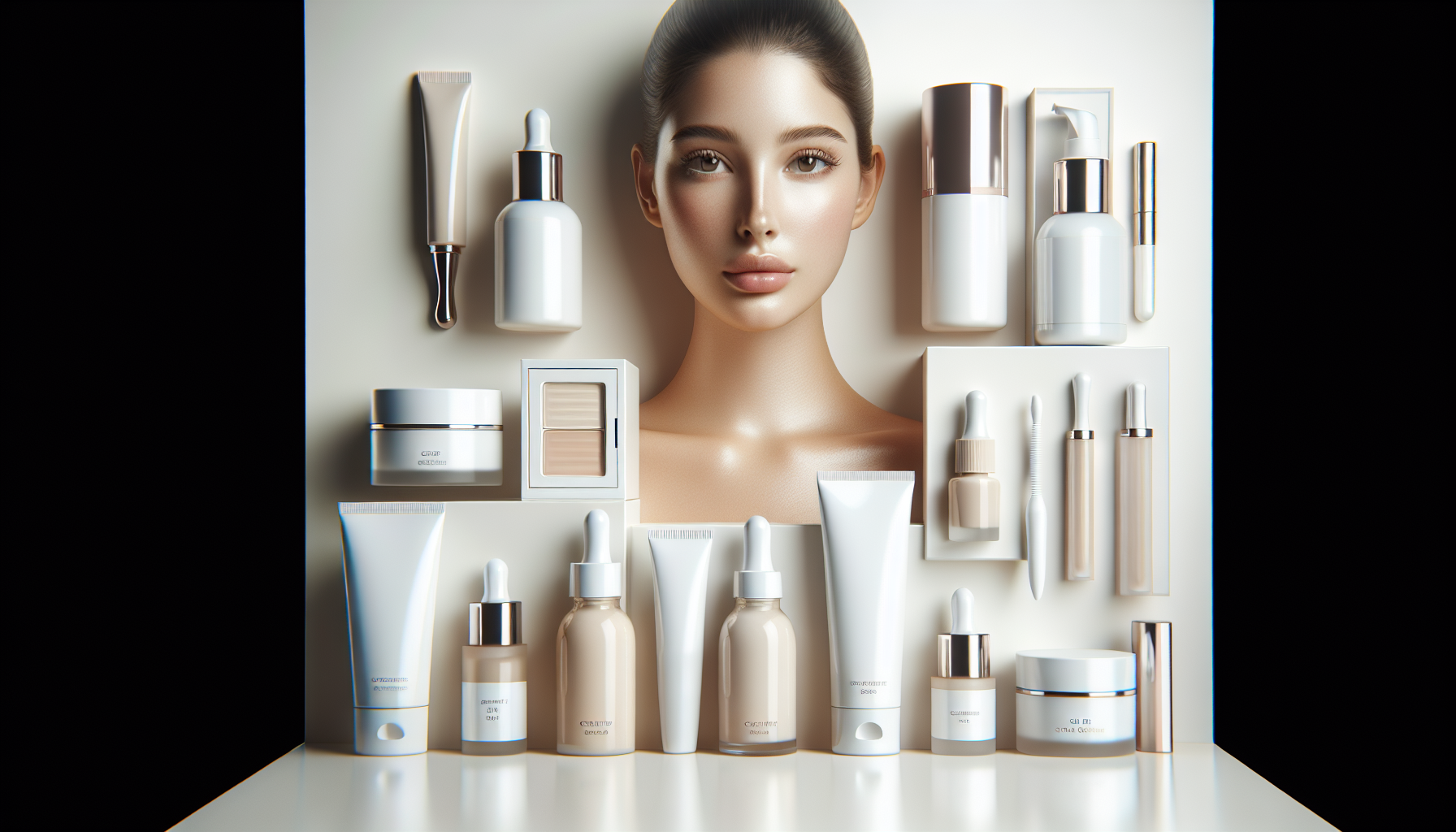
The best acne-safe concealers cover redness and dark marks without turning pimples into a dry, obvious sculpture project. For most breakout-prone skin, the ideal concealer is non-comedogenic, medium-to-full coverage, lightweight enough to avoid cakiness, and flexible enough to sit over both active blemishes and healing marks.

A bad concealer makes acne more visible. A good one disappears into the skin.
Quick Answer: The best acne-safe concealers are oil-free, non-comedogenic formulas — look for products with salicylic acid, zinc, or niacinamide that can treat while they cover.
What Makes a Concealer Acne-Safe?
Non-comedogenic positioning
This is the obvious first filter. It is not perfect, but it is still useful when narrowing the field.
Enough pigment to need only a little
The less product you need to pile on a blemish, the better the final result tends to look.
A finish that matches your skin reality
For very oily skin, a soft matte finish usually behaves best. For skin made flaky by acne treatments, a natural finish may look far smoother.
Best Concealer Types for Acne-Prone Skin
Liquid spot concealer
This is the most versatile option. It can cover redness, blend easily, and sit better over uneven texture than very dense cream pots.
Serum-style concealer
A serum concealer works well if you want more flexibility and less risk of the product cracking over dry areas.
Targeted cream concealer
A thicker cream concealer can be useful for very red inflamed spots, but it works best when used sparingly and only where needed.
How to Conceal Acne Without Making It Look Worse
Let skincare dry down first
Wet sunscreen plus concealer equals sliding, separating, and irritation.
Use a tiny brush or fingertip
Precision is better than flooding the whole area.
Build in thin layers
One thin layer, then another only if needed. Thick blob application almost always looks worse.
Set only the spot
If you powder the entire face heavily, texture often becomes more obvious. Set just the concealed area if necessary.
Best Shades and Color Strategies
Match your surrounding skin, not the pimple
A red blemish tempts people to choose a lighter concealer. That usually backfires.
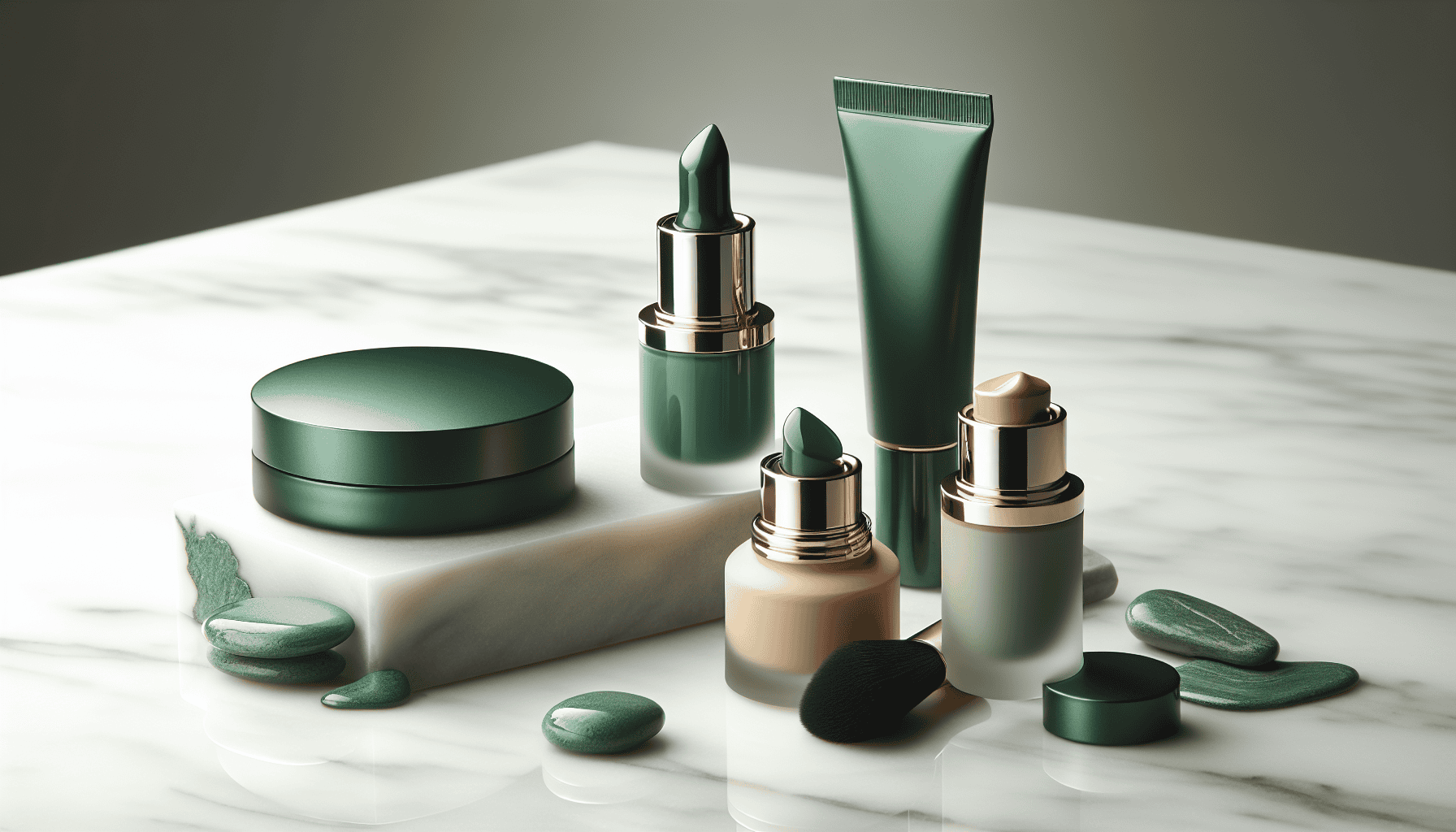
Use green correction sparingly
A tiny amount of green corrector can help very red spots, but too much becomes another blending problem.
Why Texture Matters More Than Coverage Hype
A concealer can be technically full coverage and still look natural if the texture stays thin and flexible. That is why acne-safe concealer shopping should focus less on influencer-level coverage claims and more on whether the formula moves with the skin. Raised blemishes already catch light. A stiff concealer can make that worse, while a thinner one often softens the look more convincingly.
What Acne-Prone Skin Should Avoid in Concealer
Thick greasy pot formulas for all-over use
These can look heavy fast and may feel suffocating.
Fragrance-heavy formulas
Again, acne-prone skin is often also sensitive.
Overpowdering
The obsession with making concealer “bulletproof” often leads to rough texture.
Why Removal Still Matters
AAD guidance makes the big point clearly: makeup is usually fine with acne if you choose it carefully and remove it at the end of the day. Even a good concealer is not acne-safe if it is sleeping on your face.
FAQ: Best Acne-Safe Concealers
What concealer is best for active acne?
A lightweight non-comedogenic liquid or serum concealer with medium-to-full pigment is usually best because it covers without excessive thickness.
Is full-coverage concealer bad for acne-prone skin?
Not automatically. The issue is usually texture and quantity, not just coverage level. Thin layers are the key.
Should acne-prone skin use matte concealer?
Soft matte is often great for oily skin, but very dry or treatment-irritated skin may look better with a natural finish.
How do I cover pimples without clogging pores?
Use a non-comedogenic concealer, apply only where needed, use clean tools, and remove everything fully at night.
Key Takeaways
- Non-comedogenic, oil-free formulas are essential for acne-prone skin to avoid pore blockage.
- Concealers with salicylic acid or niacinamide offer dual function: coverage plus mild active treatment.
- Avoid heavy full-coverage concealers that draw attention to raised acne texture.
- Green or peach color-correcting primer under a light concealer reduces the product needed.
- Patch test new concealers before using near active breakouts.
- Set acne-safe concealer with a minimal amount of translucent powder to prevent sliding.
Leave a Reply