
Benefits of Clove Oil and Clove Supplements in 2026: What the Evidence Actually Shows
Clove (Syzygium aromaticum) is one of the oldest medicinal spices in the world, with documented use across traditional Chinese, Ayurvedic, and Western herbal medicine for centuries. Its primary bioactive compound — eugenol — makes up 70–90% of clove essential oil and drives most of its pharmacological effects.

But “centuries of traditional use” doesn’t automatically mean “clinically proven supplement.” Here’s an honest look at what clove can and can’t do, based on current research.

Eugenol: The Active Compound Behind Most Clove Benefits
Eugenol is a phenylpropanoid that acts as both an antioxidant and an anti-inflammatory agent. It works through several mechanisms:
- Free radical scavenging — eugenol donates hydrogen atoms to neutralize reactive oxygen species (ROS)
- COX-2 and NF-κB modulation — similar to curcumin and other plant polyphenols, eugenol downregulates key inflammatory pathways
- Calcium channel interaction — eugenol modulates calcium signaling, which contributes to its analgesic (pain-relieving) effects
A 2018 study in Molecules confirmed that clove essential oil demonstrated significant anti-inflammatory activity in human dermal fibroblasts, reducing IL-6, IL-8, and PGE2 production (PMC6130734). A 2024 review in Food Science and Nutrition catalogued eugenol’s antimicrobial, neuroprotective, hypolipidemic, and anti-carcinogenic properties across in vitro and animal models.
The caveat: Most clove research is in vitro (cell studies) or animal models. Large-scale human clinical trials are limited.
What Clove Is Reasonably Good For
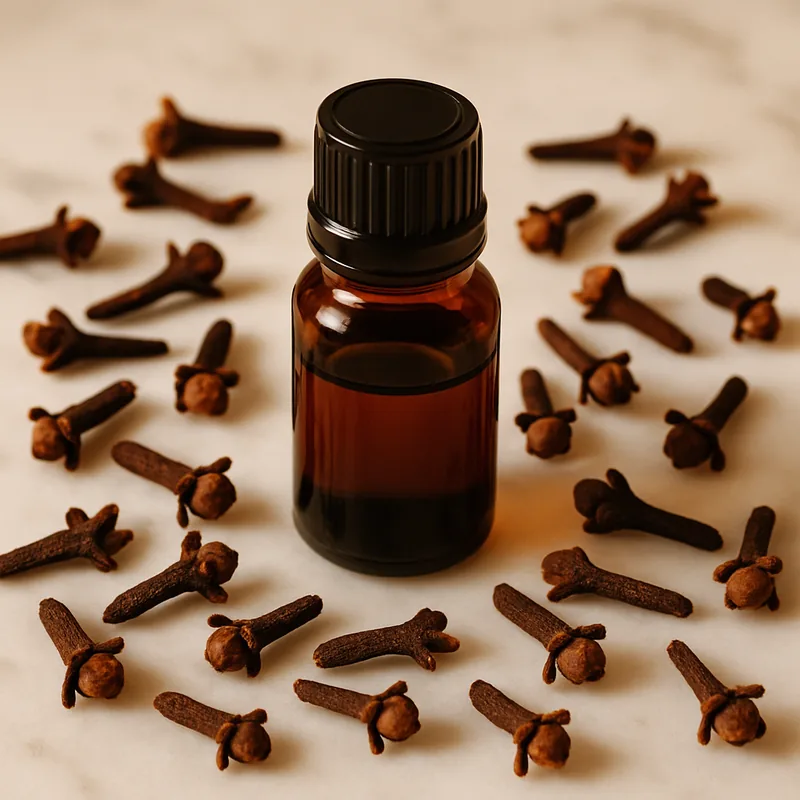
Dental Pain and Oral Health
This is clove’s strongest traditional use — and one with decent clinical backing. Eugenol is an FDA-approved dental analgesic used in temporary fillings and dental cements. Clove oil applied topically to gums provides genuine short-term pain relief for toothaches.
A 2006 study in the Journal of Dentistry found clove gel performed comparably to benzocaine 20% as a topical anesthetic before needle insertion. This is real, practical utility.
Bottom line: Clove oil for dental pain is one of the few herbal remedies with mainstream medical acceptance.
Antioxidant Capacity
Clove consistently ranks among the highest-ORAC (Oxygen Radical Absorbance Capacity) spices, outperforming cinnamon, oregano, and turmeric in standardized antioxidant assays. A 2025 in vitro study in ACS Omega found bis-eugenol (a eugenol derivative) exhibited particularly strong antioxidant and anti-inflammatory effects at concentrations as low as 25 μg/mL.
The honest take: High antioxidant capacity in a test tube doesn’t automatically translate to meaningful systemic antioxidant effects in humans. Bioavailability matters, and eugenol is rapidly metabolized. Adding clove to food likely contributes modestly to your overall antioxidant intake, but it’s not a replacement for eating fruits and vegetables.
Antimicrobial Properties
Eugenol demonstrates broad antimicrobial activity against bacteria (Staphylococcus aureus, E. coli, Candida) and some viruses in laboratory settings. This is why clove oil appears in some natural mouthwashes and surface cleaners.
Clinical relevance: Useful for topical applications (oral rinses, surface disinfection). Not a substitute for antibiotics or antifungal medications for active infections.
What’s Promising but Unproven in Humans
Blood Sugar Regulation
Animal studies suggest eugenol may improve insulin sensitivity and lower fasting blood glucose. A 2019 animal study found clove extract improved glucose tolerance and lipid profiles in diabetic rats. Human data is preliminary at best.
Anti-Cancer Properties
Eugenol induces apoptosis (programmed cell death) in various cancer cell lines in vitro, including breast, colon, and cervical cancer cells. Multiple review papers describe these mechanisms. However, inducing cancer cell death in a petri dish is a very different achievement from treating cancer in a human body.
Be cautious: No clove supplement should be marketed as a cancer treatment. The research is mechanistic and preclinical.
Liver Protection
Some animal studies show hepatoprotective effects of eugenol against chemical-induced liver damage. Not yet validated in human clinical trials.
Clove Supplement Forms
| Form | Common Use | Notes |
|---|---|---|
| Clove essential oil (topical) | Dental pain, aromatherapy | Do not ingest undiluted — can cause liver/kidney damage |
| Clove oil capsules | General supplementation | Standardized eugenol content varies widely |
| Whole/ground cloves | Culinary use | Low eugenol dose but safe and enjoyable |
| Clove extract (standardized) | Anti-inflammatory, antioxidant support | Look for eugenol content on the label |
Safety and Dosage Considerations
- Topical clove oil should be diluted (1–5% in a carrier oil). Undiluted application can cause chemical burns on mucous membranes.
- Oral eugenol in large doses is hepatotoxic. The WHO acceptable daily intake for eugenol is 2.5 mg/kg body weight.
- Drug interactions: Eugenol has mild anticoagulant properties. Use caution with blood thinners (warfarin, aspirin, clopidogrel).
- Pregnancy: Clove oil supplements are generally not recommended during pregnancy due to insufficient safety data. Culinary amounts are fine.
Frequently Asked Questions
Is clove oil safe to swallow?
Small amounts in food are safe. Concentrated clove oil supplements should follow manufacturer dosing guidelines. Never swallow undiluted essential oil — eugenol is toxic in high concentrations and can damage the liver, kidneys, and gastrointestinal tract.
Can clove supplements help with inflammation?
Eugenol has demonstrated anti-inflammatory activity in cell and animal studies by modulating NF-κB and COX-2 pathways. Whether clove supplements provide clinically meaningful anti-inflammatory effects in humans at standard supplement doses remains unconfirmed by large trials.
How does clove compare to turmeric for inflammation?
Turmeric (curcumin) has significantly more human clinical trial data supporting anti-inflammatory benefits. Clove and eugenol work through overlapping but distinct pathways. If your primary goal is anti-inflammatory support with evidence behind it, curcumin has a stronger evidence base. Clove is better validated for dental and oral applications.
Are clove supplements worth taking?
For dental pain relief (topical oil), yes — there’s solid evidence. For general health supplementation, the evidence is mostly preclinical. Adding whole cloves to your diet is safe and may contribute modestly to antioxidant intake, but dedicated clove supplements are not yet supported by robust human trial data for most marketed claims.
This article is for informational purposes only and does not constitute medical advice. Consult a healthcare provider before starting any supplement regimen.
Sources
- Effectiveness of topical clove oil on symptomatic treatment of chronic pruritus. [PMID 28382655]
- Effectiveness of topical clove oil on symptomatic treatment of chronic pruritus. [PMID 28382655]
- Midazolam versus midazolam-promethazine combination for oral sedation in third molar surgery: A randomized split-mouth trial. [PMID 42001488]
- Stacking Guide 2026: What Combines Well, What Conflicts, and Timing Best Longevity Supplements in 2026 GlyNAC (Glycine + NAC): The Glutathione-Boosting Longevity Stack Best Anti-Inflammato [PMID 32185411]



Leave a Reply