
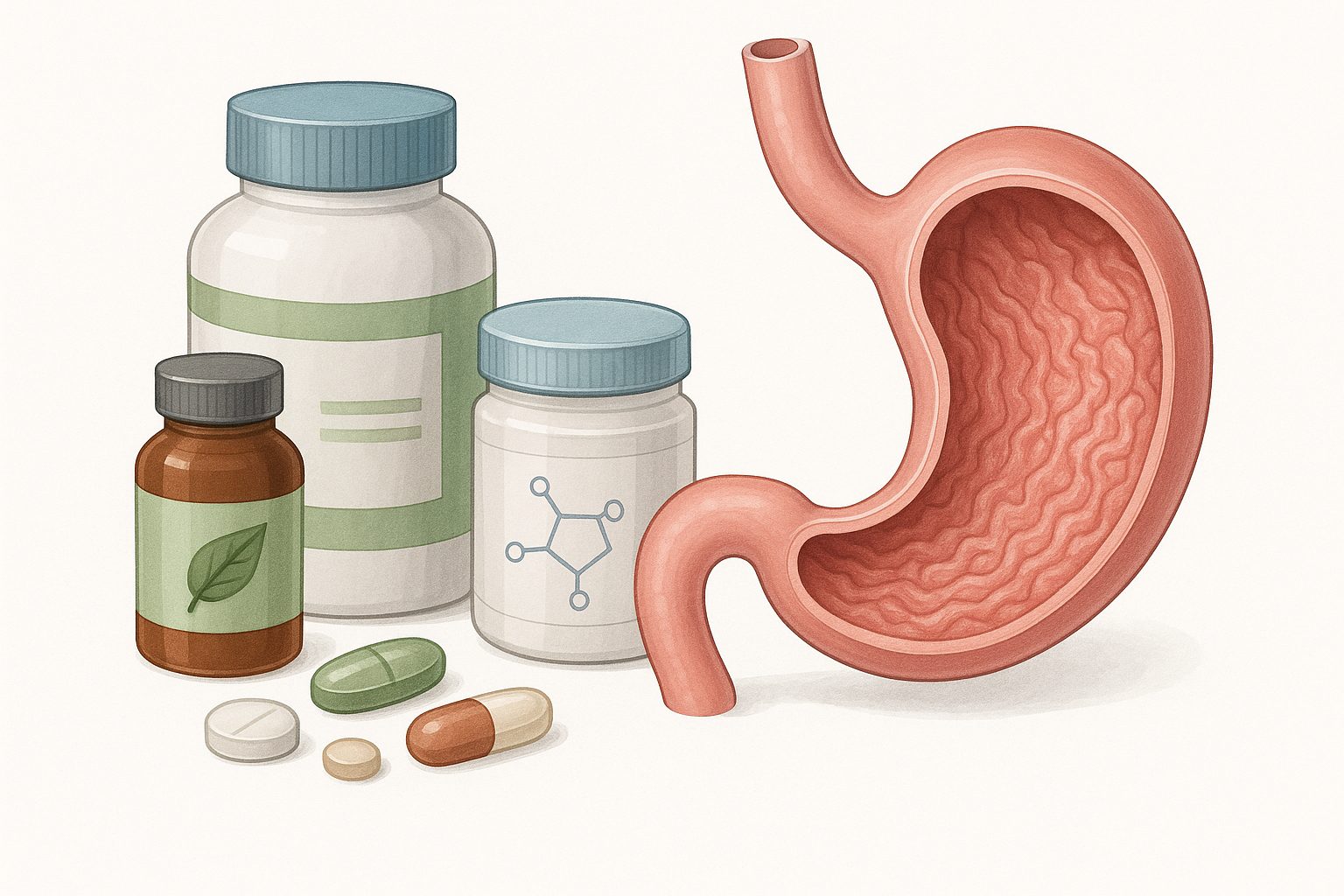
Best Supplements for Stomach Lining Support in 2026: What Actually Works
Your stomach lining is a remarkable structure — a mucus-coated barrier that protects itself from the hydrochloric acid it produces. When that barrier weakens, the result can range from mild discomfort to full-blown ulcers. If you’re looking for supplement support, the honest picture is that a few compounds have real evidence, several are plausible but unproven, and most of the products marketed for “gut healing” have never been tested for this specific purpose.
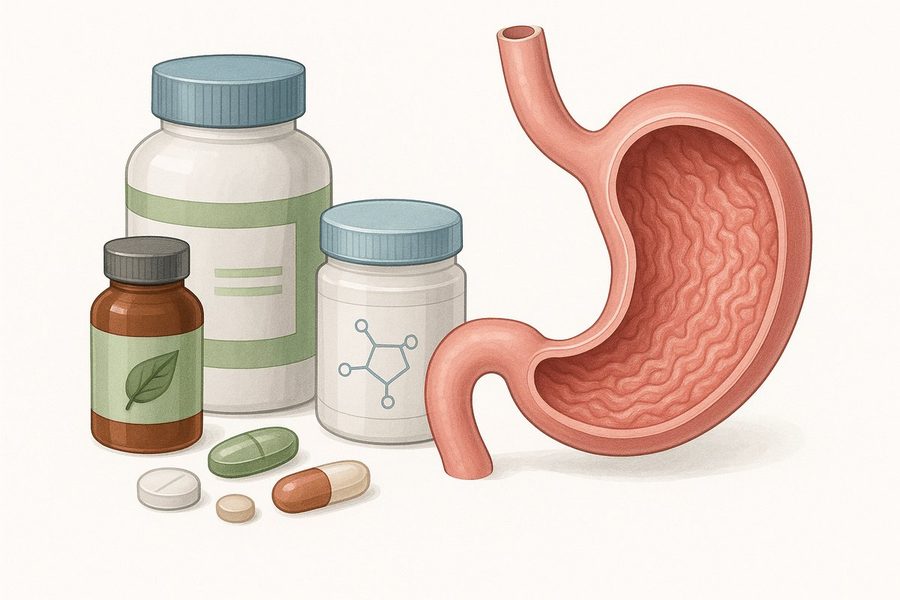
This guide covers what the research actually shows.
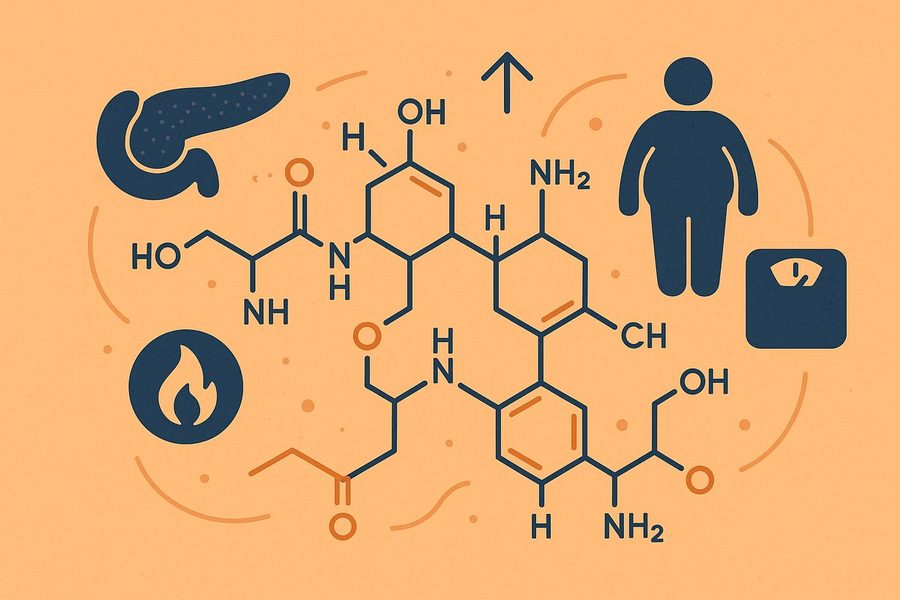
How Your Stomach Lining Protects Itself
The gastric mucosa is a dynamic tissue. Mucus-secreting cells produce a bicarbonate-rich gel layer that neutralizes acid at the surface. Prostaglandins stimulate mucus production and blood flow to the lining. When this system is disrupted — by NSAIDs, chronic stress, H. pylori infection, excessive alcohol, or other factors — the lining becomes vulnerable to acid-related damage.
Understanding this is important because it tells you what a useful supplement would need to do: either protect the mucus layer, reduce inflammation at the mucosal surface, support mucosal cell repair, or some combination.
The Evidence Tiers
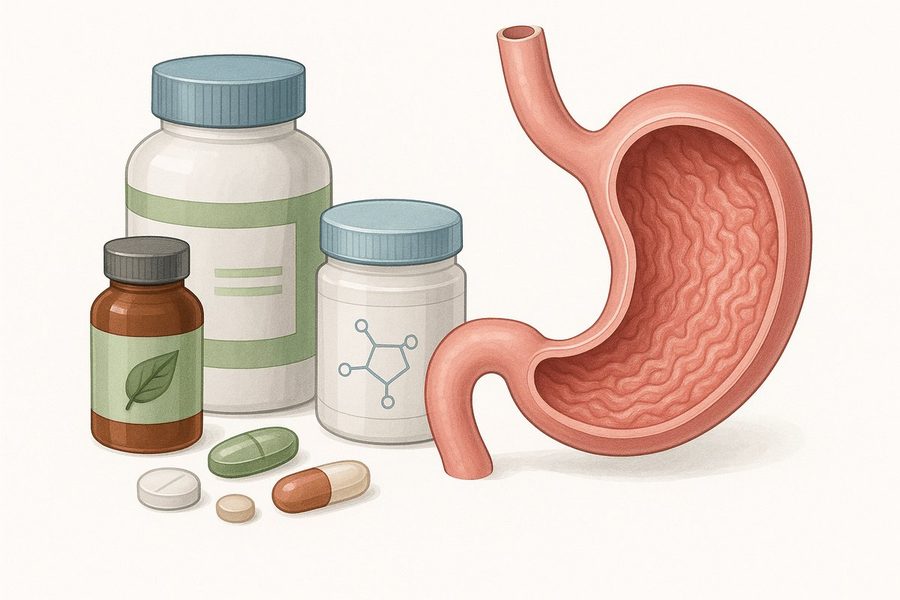
Not all stomach-support supplements are created equal. Here’s an honest breakdown:
Tier 1: Strong Clinical Evidence
Zinc Carnosine (PepZin GI) stands alone at the top. It has multiple human clinical trials, is approved as a gastric ulcer treatment in Japan, and has a well-understood mechanism. [Full article →]
Tier 2: Moderate Evidence (Adjunctive Use)
Probiotics — specifically as an add-on to standard H. pylori treatment — have consistent meta-analysis support for improving eradication rates and reducing antibiotic side effects. They don’t treat ulcers on their own. [Full article →]
Tier 3: Traditional Use, Limited Formal Evidence
Slippery elm bark has centuries of traditional use and a plausible mechanism (mucilage coats and soothes), but no formal clinical trials for gastric ulcers specifically. [Full article →]
Tier 4: Preclinical Promise
Quercetin and bioflavonoids show impressive gastric-protective activity in animal models, but no human ulcer trials exist yet. [Full article →]
What About DGL (Deglycyrrhizinated Licorice)?
DGL deserves a mention because it’s one of the most commonly recommended natural stomach remedies. A few small, older studies from the 1970s–80s showed modest benefit for ulcer healing, and the deglycyrrhizination process removes the compound (glycyrrhizin) that causes the dangerous blood pressure and potassium side effects of whole licorice.
The evidence is real but dated and limited. Most modern gastroenterologists don’t consider the data strong enough to recommend it over proven treatments. It’s unlikely to cause harm at standard doses (380–760 mg before meals), and some people find it soothing. File under “reasonable to try, not well-proven.”
What About L-Glutamine?
L-glutamine is the preferred fuel source for enterocytes (intestinal lining cells), and there’s decent evidence it supports intestinal barrier integrity — particularly in the small intestine. However, most of the glutamine research focuses on the small intestine and lower GI, not the stomach specifically.
One study showed glutamine reduced aspirin-induced gastric permeability, but the evidence base for gastric ulcer healing is thin. It’s a reasonable addition to a gut-support protocol, but don’t expect it to be a primary stomach-lining healer.
When Supplements Are Not Enough
This needs to be said clearly: supplements are not a substitute for medical treatment of active ulcers or H. pylori infection.
See a doctor if you have:
- Burning stomach pain that wakes you at night
- Pain that improves or worsens with eating
- Black or tarry stools (possible GI bleeding — seek care urgently)
- Unintentional weight loss with stomach symptoms
- Symptoms that persist more than 2 weeks despite antacids
H. pylori requires antibiotic eradication therapy. Active ulcers often need proton pump inhibitors (PPIs). Supplements can complement these treatments but should not replace them.
A Practical Stack for Stomach Lining Support
For someone who wants supplement support alongside (not instead of) appropriate medical care:
- Note: peer-reviewed support for this claim was not identified in available literature.
- Chen Z et al. (2026). A Network Meta-Analysis of Pharmacological Treatments for Gastric Mucosal Protection in Artificial Ulcers following Endoscopic Submucosal Dissection of the Stomach. Pharmacology. PMID: 41442424.
- Optional: DGL before meals for symptomatic comfort.
- Optional: L-glutamine (5 g/day) for general gut-barrier support.
Avoid taking zinc carnosine and probiotics at the exact same time — zinc can have antimicrobial effects. Separate by 2+ hours.
The Two-Photo Standard for This Cluster
- Hero image: Clean supplement bottles with warm, calming tones — stomach/digestive health context, no medical imagery
- Support image: Ingredients or lifestyle shot — ginger tea, zinc capsules on a neutral surface, or a calm kitchen scene
Sources
- Vitamins, the gut microbiome and gastrointestinal health in humans. [PMID 34798467]
- Vitamins, the gut microbiome and gastrointestinal health in humans. [PMID 34798467]
- Midazolam versus midazolam-promethazine combination for oral sedation in third molar surgery: A randomized split-mouth trial. [PMID 42001488]
Related Articles
- Zinc Carnosine (PepZin GI): Does It Really Protect Your Stomach?
- Do Probiotics Help With Ulcers? What the Research Actually Shows
- Slippery Elm for Stomach Issues: Traditional Remedy, Limited Science
- Quercetin and Bioflavonoids for Stomach Protection: Promising but Early
This content is for informational purposes only and is not medical advice. If you have or suspect a stomach ulcer, see a healthcare provider. Supplements do not replace prescribed treatments like PPIs or antibiotics for H. pylori.

Leave a Reply