Best L-Tryptophan Supplements for Mood Support in 2026: What the Evidence Actually Shows
Quick Answer: L-tryptophan is the sole dietary precursor to serotonin, and a 2020 systematic review of 11 RCTs found that 0.14–3 g/day improved mood in healthy individuals. The evidence is real but modest — this is not a replacement for therapy or medication in clinical depression.
L-tryptophan occupies an interesting place in the supplement world. It is an essential amino acid — your body genuinely cannot make it — and it sits at the very start of the biochemical chain that produces serotonin. That biological fact is not disputed.
What is debatable is how much supplemental tryptophan actually moves the needle on everyday mood. Here is the honest picture.
What Is L-Tryptophan and Why Does It Matter for Mood?
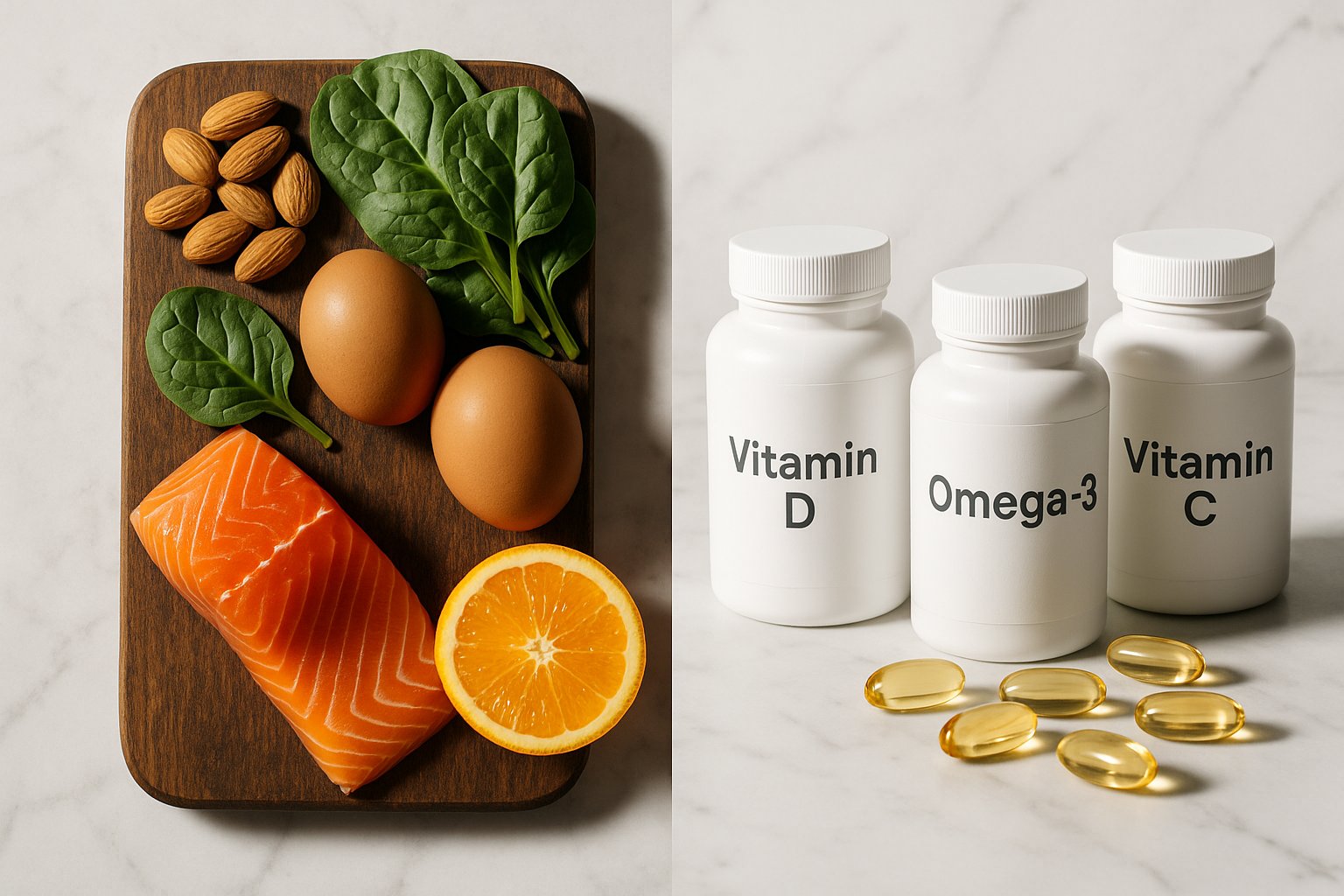
L-tryptophan is one of nine essential amino acids. You get it from protein-rich foods like turkey, eggs, cheese, nuts, and seeds. In your body, it follows a metabolic path:
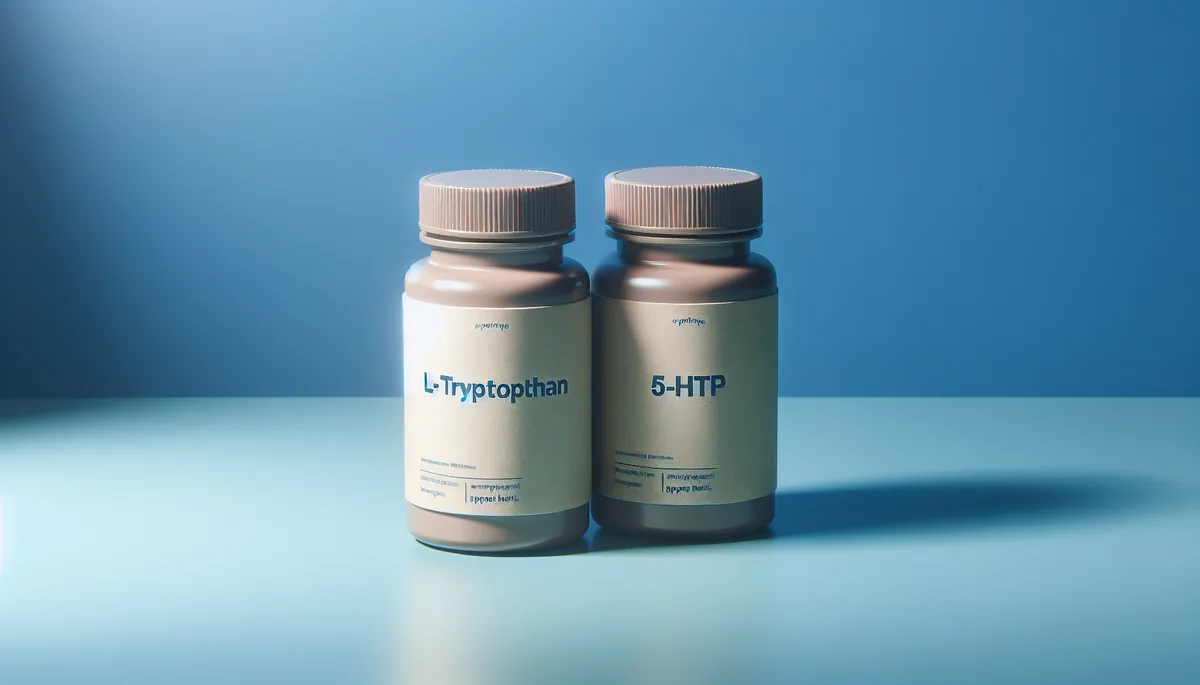
L-tryptophan → 5-HTP → Serotonin → Melatonin
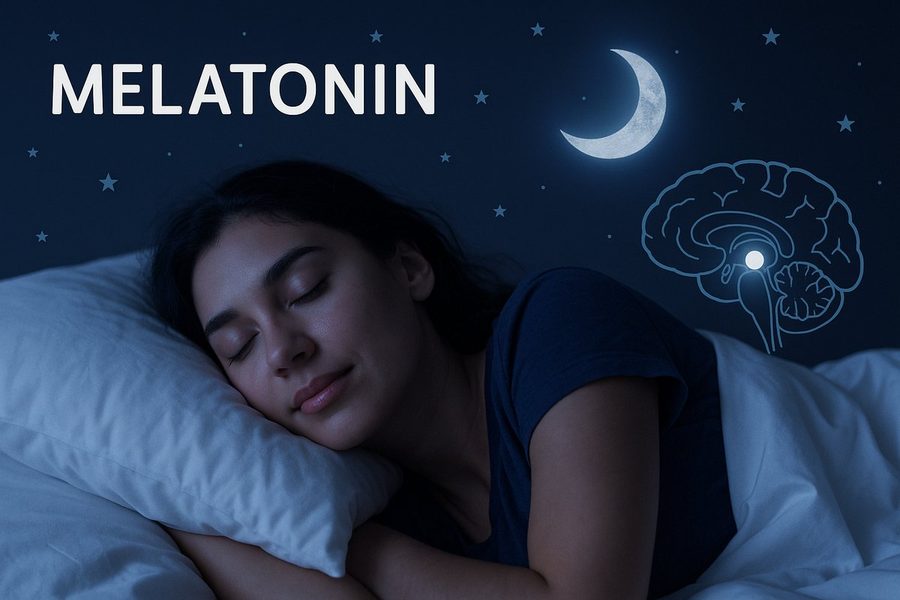
Serotonin is a neurotransmitter involved in mood regulation, emotional processing, and social behavior. Melatonin, made downstream, is involved in sleep-wake cycles. This dual role is why tryptophan shows up in both mood and sleep discussions.
The key thing to understand: tryptophan is the rate-limiting step in serotonin production. Your body can only make as much serotonin as tryptophan allows. That is the core rationale for supplementation.
The most useful overview is a 2020 systematic review by Kikuchi et al. published in the Journal of Dietary Supplements, which analyzed 11 randomized controlled trials of tryptophan supplementation in healthy adults.
Their conclusion: taking 0.14–3 g of tryptophan per day, in addition to normal meals, can be expected to improve mood in healthy individuals.
That is a genuinely positive finding. But context matters:





Leave a Reply