
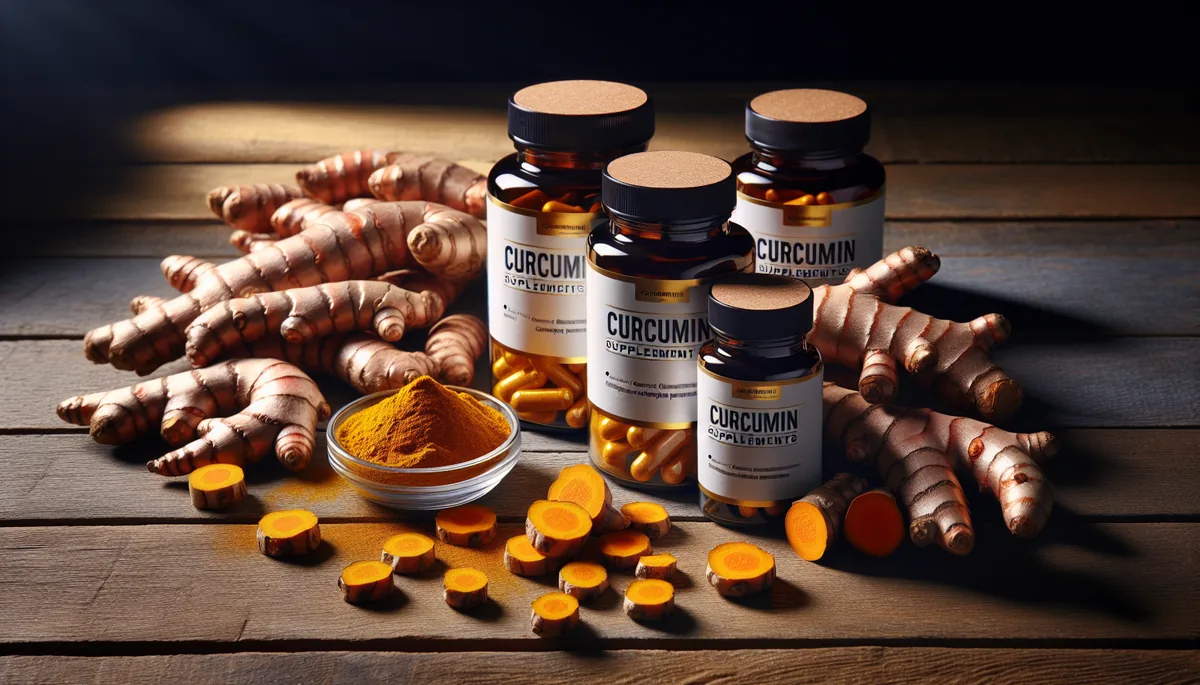
Curcumin is often marketed as a natural anti-inflammatory, and overall it has a good safety profile. Still, “natural” does not mean side-effect free. Most people who run into trouble with curcumin experience mild digestive issues, but there are a few important caution areas involving blood thinning, gallbladder concerns, reflux, and medication interactions, especially with piperine-containing products.
Quick Answer
Curcumin is generally very safe at supplemental doses, but like all bioactive compounds it has a side effect profile that is important to understand. The most common side effects of high-dose curcumin (≥1 g/day) are gastrointestinal: nausea, diarrhea, stomach upset, and increased gastric acid production — these are dose-dependent and most common when taken on an empty stomach. More significant concerns include: anti-platelet activity (relevant for people on blood thinners), piperine interaction with drug-metabolizing enzymes, and rare cases of liver toxicity with very high dose long-term use (>8g/day for extended periods).
Key Takeaways
- GI side effects (nausea, loose stool) are the most common curcumin complaints, affecting approximately 5-10% of users at doses ≥1 g/day. These are largely avoidable by taking curcumin with meals containing fat (which aids absorption while buffering gastric mucosa) and starting with a lower dose.
- Curcumin has measurable anti-platelet activity (inhibiting thromboxane A2 synthesis and ADP-induced platelet aggregation) — at high doses, this creates a theoretical bleeding risk when combined with anticoagulants (warfarin, heparin, clopidogrel, aspirin) or NSAIDs. Surgical patients should discontinue high-dose curcumin 2 weeks before any planned procedure.
- Piperine (BioPerine, added to enhance bioavailability) inhibits cytochrome P450 enzymes CYP3A4 and CYP1A2 — these enzymes metabolize dozens of common medications including statins (atorvastatin, simvastatin), some antidepressants, blood pressure medications, and immunosuppressants. Drug-drug interactions via piperine are clinically significant for polypharmacy patients.
- High-dose curcumin hepatotoxicity is rare but documented — approximately 50 case reports in the literature, mostly at doses >8 g/day over extended periods, or in individuals with underlying liver conditions. Standard supplemental doses (500-2000 mg/day of bioavailable form) have not been associated with liver toxicity in clinical trials. Monitor liver enzymes if taking >3 g/day for extended periods.
- Curcumin at dietary spice levels (as in turmeric seasoning) has no meaningful side effects and is safe for virtually all individuals including pregnant women. The side effect concerns emerge at concentrated supplement doses — context matters significantly when evaluating risk.
If you are considering a turmeric or curcumin supplement, it helps to know which side effects are minor annoyances and which ones deserve more caution.
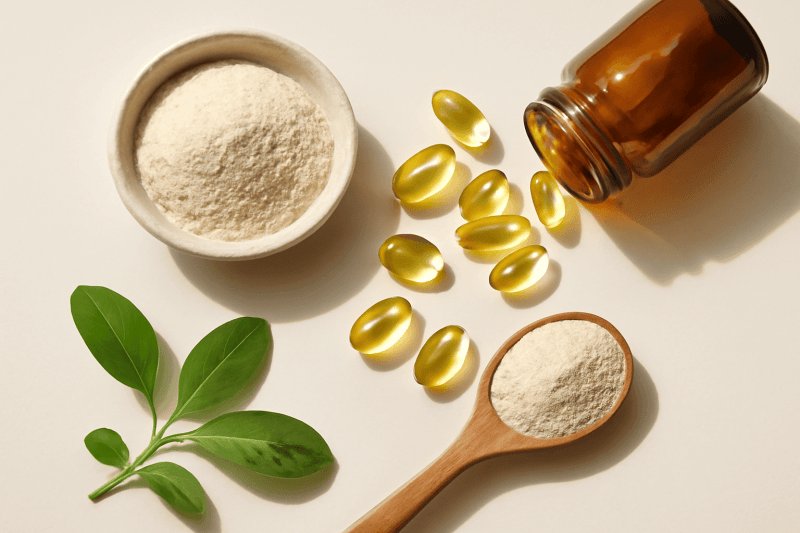
The Most Common Curcumin Side Effects
Digestive upset
This is the most common issue. People may experience:
- Nausea
- Stomach discomfort
- Diarrhea or loose stools
- bloating
- reflux or heartburn
These symptoms are often dose-related. Taking curcumin with food and starting with a lower dose can help.
Headache or mild dizziness
Less common, but occasionally reported. If this happens repeatedly, the product or dose may not be a good fit.
Yellow stool or mild GI changes
Because turmeric pigments are intense, some people notice stool color changes. That alone is not usually concerning.
Side Effects That Matter More
Increased bleeding tendency
Curcumin has mild antiplatelet activity. For many healthy people that is not a practical issue, but it becomes more relevant if you take anticoagulants or antiplatelet drugs such as warfarin, apixaban, rivaroxaban, clopidogrel, or even higher-dose aspirin.
Gallbladder and bile issues
Curcumin may stimulate bile flow. That sounds good in marketing copy, but it can be a problem for people with gallstones, bile duct obstruction, or active gallbladder disease.
Reflux or GERD worsening
Some people tolerate turmeric well in food but get heartburn from concentrated capsules. If you already have reflux, curcumin may not be your best supplement category.
Medication interactions via piperine
This is one of the biggest practical concerns. Piperine, the black pepper extract added to many products, can change how drugs are absorbed or metabolized. The interaction risk is often more important than curcumin itself.
What the Research Says About Safety
Human studies generally show curcumin is well tolerated, even at fairly large doses, but dropouts still occur because of GI symptoms. Reviews such as Hewlings and Kalman in Foods describe curcumin as broadly safe, while also emphasizing bioavailability and interaction issues.
Importantly, not all products are identical. A micellar or phytosomal formula may behave differently from a giant capsule of 95% curcuminoids plus piperine. This is why blanket statements about curcumin side effects can be misleading.
Who Should Be More Careful?
You should use extra caution and consider medical guidance if you:
- Use blood thinners or antiplatelet medication
- Have gallstones or gallbladder disease
- Have significant GERD or chronic digestive sensitivity
- Are pregnant or breastfeeding and considering high-dose supplementation
- Are preparing for surgery
- Use multiple medications metabolized through liver pathways affected by piperine
How to Reduce the Risk of Side Effects
Start low
Do not jump straight into high-dose curcumin unless you have a reason. Many side effects show up when people start too aggressively.
Take it with food
This often improves tolerance, especially for standard extract products.
Choose the right formulation
If piperine interactions are a concern, consider a piperine-free enhanced form such as phytosomal or micellar curcumin.
Respect the label
Do not assume more is better. Curcumin is one of those categories where absorption technology often matters more than raw milligrams.
FAQ
Is curcumin hard on the stomach?
It can be for some people, especially at higher doses or on an empty stomach. GI upset is the most common side effect.
Does curcumin thin the blood?
It has mild antiplatelet effects, so caution is wise if you use blood thinners or are heading into surgery.
Is black pepper extract the reason some people react badly?
Sometimes yes. Piperine may cause irritation or drug-interaction concerns independent of curcumin itself.
Can I just switch to turmeric powder if curcumin bothers me?
Sometimes, but turmeric powder also delivers much less curcumin. Food use and supplement use are not equivalent.
References
- Hewlings SJ, Kalman DS. Curcumin: a review of its effects on human health. Foods. 2017.
- Lao CD, et al. Dose escalation of a curcuminoid formulation in humans. BMC Complement Altern Med. 2006.
- Amalraj A, et al. Biological activities and bioavailability of curcuminoids. J Tradit Complement Med. 2017.
- Daily JW, et al. Systematic review and meta-analysis of turmeric extracts for arthritis symptoms. J Med Food. 2016.
- Shoba G, et al. Influence of piperine on the pharmacokinetics of curcumin. Planta Med. 1998.
The Bottom Line
Curcumin is usually well tolerated, but it is not side-effect free. Digestive upset is the most common issue, while blood-thinner interactions, gallbladder concerns, reflux, and piperine-related drug interactions are the bigger reasons to be careful. If you choose the right formulation and dose for your situation, the risk is often manageable.
This article is for informational purposes only and does not constitute medical advice. Consult your healthcare provider before starting any new supplement regimen.
Related Articles
- Spermidine Side Effects and Dosing: What a Cautious Beginner Should Know
- Ashwagandha Side Effects and Safety: What You Should Know
- Castor Oil Safety and Side Effects: What You Need to Know
Sources
- Lao CD, et al. Dose escalation of a curcuminoid formulation. BMC Complement Altern Med. 2006;6:10.
- Hewlings SJ, Kalman DS. Curcumin: a review of its effects on human health. Foods. 2017;6(10):92.
- Daily JW, et al. Efficacy of turmeric extracts and curcumin for alleviating arthritis symptoms: a systematic review and meta-analysis. J Med Food. 2016;19(8):717-729.



Leave a Reply