
Best Supplements for Shift Workers in 2026: Protect Your Health When Your Schedule Won’t
Shift work doesn’t just disrupt your sleep — it disrupts your entire biology. Circadian misalignment affects hormone production, immune function, gut health, cardiovascular risk, and cancer risk. The World Health Organization classifies shift work involving circadian disruption as a probable carcinogen (Group 2A).

You can’t always change your schedule. But you can strategically supplement to minimize the damage.

Why Shift Workers Need Targeted Supplementation
Circadian Disruption Cascades
When you work against your circadian clock, virtually every system suffers:
- Melatonin suppression — Artificial light at night crushes natural production
- Cortisol dysregulation — Stress hormones peak at wrong times
- Vitamin D deficiency — Sleeping during daylight means less sun exposure
- Gut microbiome disruption — Circadian rhythm affects gut bacteria composition (Voigt et al., PLOS ONE, 2014)
- Metabolic dysfunction — Night shift increases diabetes risk by 40% (Pan et al., PLOS Medicine, 2011)
The Health Statistics Are Alarming
Shift workers face significantly higher rates of:
- Cardiovascular disease (+40%)
- Type 2 diabetes (+40%)
- Certain cancers (breast, prostate)
- Depression and anxiety
- Obesity and metabolic syndrome
- Gastrointestinal disorders
The Shift Worker Supplement Stack

🏆 Priority 1: Strategic Melatonin
Not just “take melatonin to sleep.” Timing and dose matter enormously for shift workers.
- For day sleeping (night shift): 0.5–3mg melatonin 30 minutes before your target sleep time
- For shift rotation: Low-dose (0.3–0.5mg) to reset circadian phase
- Important: Use immediate-release for sleep onset; extended-release for sleep maintenance
- Avoid: High doses (5–10mg) which can cause grogginess and disrupt natural production
Best for: Every shift worker — the foundational circadian support tool
Top Pick: Life Extension Low Dose Melatonin (300mcg) for circadian resetting; Natrol Time Release for sleep maintenance
Priority 2: Vitamin D3 (High Dose)
Shift workers are severely vitamin D deficient at rates far exceeding the general population (Ward et al., Occupational Medicine, 2011). Sleeping during the day eliminates your primary vitamin D source.
- Dose: 4000–5000 IU daily (test blood levels; target 50–70 ng/mL)
- Timing: Take with your largest meal containing fat
- Non-negotiable: This addresses immune function, mood, bone health, and cancer risk
Best for: All shift workers — deficiency is near-universal
Top Pick: Thorne Vitamin D3 5000 IU
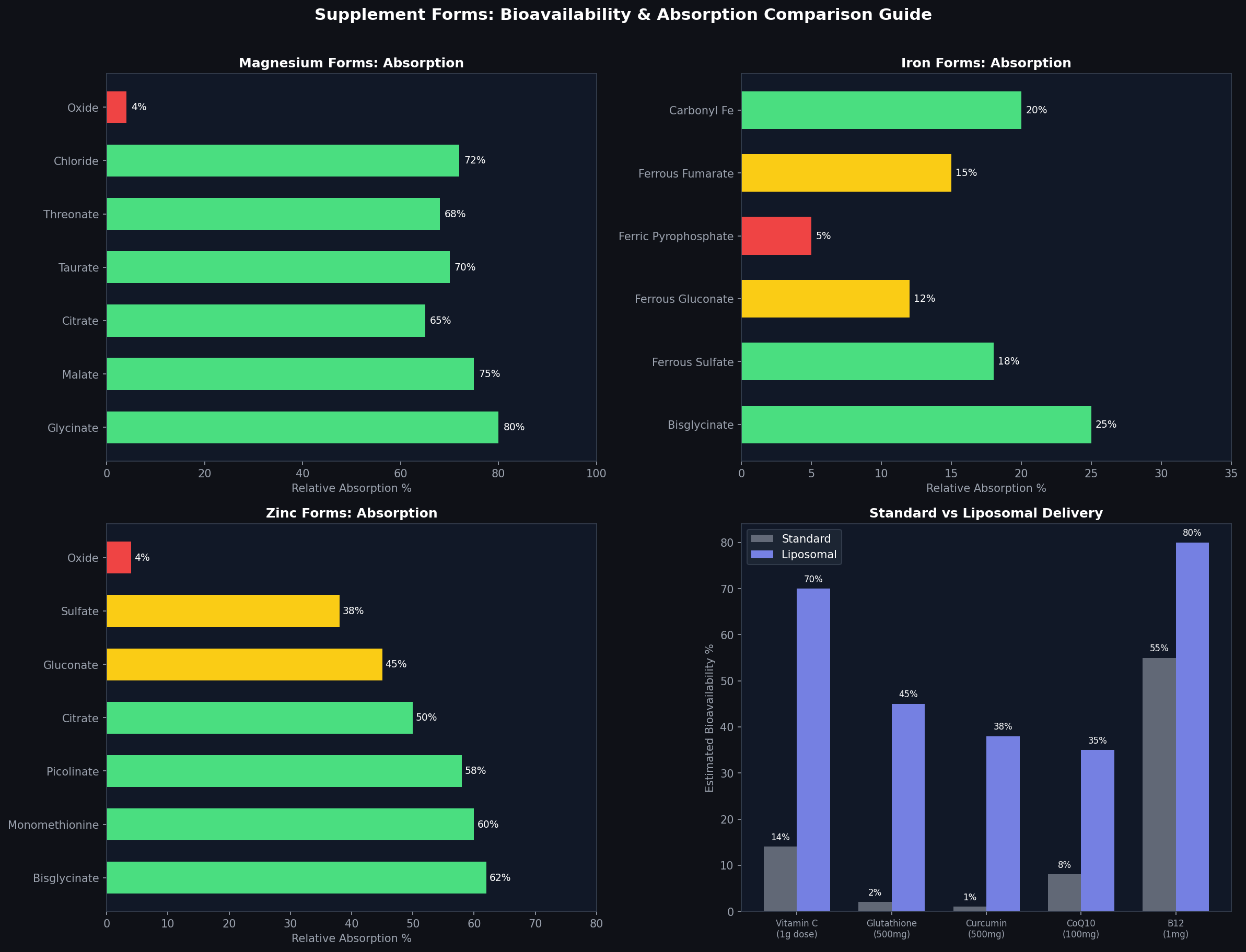
Priority 3: Magnesium Glycinate
Magnesium supports GABA activity for sleep quality, reduces stress response, and improves glucose metabolism — all compromised by shift work.
- Dose: 300–400mg magnesium glycinate
- Timing: 1 hour before sleep (whenever that is)
- Bonus: Reduces muscle cramps common in shift workers
Best for: Sleep quality improvement, stress reduction
Top Pick: Doctor’s Best High Absorption Magnesium
Priority 4: Adaptogen Complex (Ashwagandha + Rhodiola)
Adaptogens help normalize the HPA axis disruption caused by circadian misalignment.
- Ashwagandha (KSM-66): 300mg — Lowers cortisol, improves stress resilience
- Rhodiola rosea: 200mg — Reduces fatigue, improves cognitive function under stress (Darbinyan et al., Phytomedicine, 2000)
- Timing: Before your shift starts
Best for: Managing fatigue and stress during shifts
Priority 5: Probiotic (Circadian-Aware)
Shift work disrupts the gut microbiome’s own circadian rhythm. A multi-strain probiotic supports gut barrier integrity and immune function compromised by irregular eating schedules.
- Dose: 10–50 billion CFU multi-strain formula
- Timing: With your first meal of the day (whenever that is)
Best for: GI issues, immune support
Top Pick: Seed DS-01 Synbiotic
Advanced Additions
B-Complex Vitamins
Stress and circadian disruption increase B vitamin utilization. A methylated B-complex (with methylfolate and methylcobalamin) supports energy metabolism and neurotransmitter production.
Omega-3 Fish Oil
Anti-inflammatory support to counter the increased inflammatory burden of shift work. 2g EPA/DHA daily.
Taurine
Supports cardiovascular health — critical given the elevated heart disease risk in shift workers. 1–3g daily.
N-Acetylcysteine (NAC)
Supports glutathione production to combat the increased oxidative stress of circadian disruption. 600mg 2x daily.
Light Management (The Non-Supplement Essential)
Supplements work best alongside proper light hygiene:
- During night shifts: Bright light exposure (light therapy box) during the first half of your shift
- After night shifts: Blue-blocking glasses for the drive home
- Sleep environment: Complete blackout curtains, 65°F, white noise
- Before sleep: Dim, warm lighting only
Sample Protocols by Shift Type
Fixed Night Shift
Before sleep (morning): Melatonin 1–3mg + Magnesium 400mg With first meal: Vitamin D3 5000 IU + Probiotic + Omega-3 Before shift: Ashwagandha 300mg + Rhodiola 200mg + B-Complex
Rotating Shifts
Core daily (regardless of schedule): Vitamin D3 + Magnesium + Omega-3 Before any sleep period: Melatonin 0.3–1mg (low dose for circadian flexibility) During transition days: Double adaptogen dose for stress management
FAQ
What is the best supplement for night shift workers?
Vitamin D3 and strategic melatonin are the two most critical supplements for night shift workers. Vitamin D addresses the near-universal deficiency from daytime sleeping, while properly timed low-dose melatonin supports circadian adaptation. Magnesium glycinate is the essential third pillar for sleep quality.
Does melatonin help shift workers sleep during the day?
Yes, when used correctly. Low doses (0.5–3mg) taken 30 minutes before your target sleep time help initiate daytime sleep. Avoid high doses (5–10mg) which can cause grogginess. Extended-release formulations help with sleep maintenance during daylight hours.
How can shift workers protect their long-term health?
Beyond supplements, prioritize consistent sleep timing (even on days off), light management (bright light during shifts, blue-blocking after), regular exercise, and a nutrient-dense diet. Vitamin D, omega-3s, and antioxidants (NAC, taurine) address the cardiovascular and cancer risk elevation.
Should shift workers take vitamin D?
Absolutely — it’s arguably the single most important supplement for shift workers. Studies show dramatically higher deficiency rates in night shift workers. Test your levels and supplement with 4000–5000 IU daily, targeting blood levels of 50–70 ng/mL.
Can supplements reduce shift work cancer risk?
While no supplement can eliminate the elevated cancer risk of circadian disruption, vitamin D (maintaining optimal levels), melatonin (antioxidant and oncostatic properties), and omega-3s (anti-inflammatory) address several mechanisms linked to shift work carcinogenesis. The most important intervention remains minimizing circadian disruption through light management.
This article is for informational purposes only and does not constitute medical advice. Consult your healthcare provider before starting any new supplement regimen.
Sources
- Melatonin supplementation and oxidative DNA damage repair capacity among night shift workers: a randomised placebo-controlled trial. [PMID: 39993913]
- Melatonin supplementation and oxidative DNA damage repair capacity among night shift workers: a randomised placebo-controlled trial. [PMID: 39993913]
- Midazolam versus midazolam-promethazine combination for oral sedation in third molar surgery: A randomized split-mouth trial. [PMID: 42001488]
- Stacking Guide 2026: What Combines Well, What Conflicts, and Timing Best Longevity Supplements in 2026 GlyNAC (Glycine + NAC): The Glutathione-Boosting Longevity Stack Best Anti-Inflammato [PMID: 39993913]