
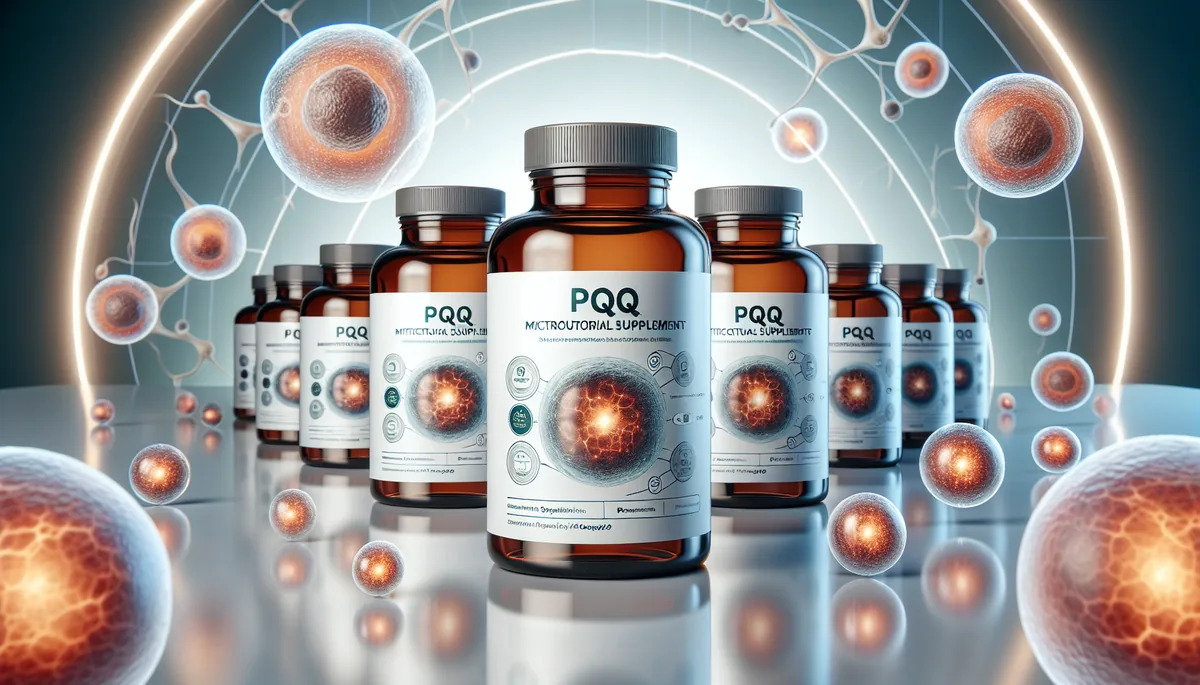
Best PQQ Supplements in 2026: Mitochondrial Support, Brain Benefits, and the Reality Behind the Hype
PQQ supplements sit in that interesting zone between mainstream wellness and hard-core biohacking. They are usually marketed for mitochondrial support, mental energy, brain aging, and fatigue, and unlike many trendy ingredients, PQQ does have a plausible biological rationale.

Still, this is not a category where the human evidence is as deep as the marketing suggests.
If you want the honest take: PQQ is promising, especially for mitochondrial and cognitive support, but it is still an emerging supplement, not a slam-dunk essential. The best candidates are people focused on healthy aging, brain support, or low-stimulation daytime energy rather than people expecting an immediate stimulant effect.
What Is PQQ?
PQQ stands for pyrroloquinoline quinone, a redox-active compound found in small amounts in foods such as kiwi, parsley, green peppers, and fermented soy. In supplement form, it is usually sold as PQQ disodium salt.
PQQ attracts attention because it appears to influence:
- Mitochondrial function and biogenesis signaling
- Oxidative stress balance
- Cellular energy metabolism
- Neuroprotection and possibly BDNF-related pathways
That makes it popular in longevity, nootropic, and “clean energy” stacks.
What the Human Evidence Suggests

Cognitive Support
A 2021 randomized, double-blind, placebo-controlled study in healthy adults found that PQQ disodium salt improved aspects of cognitive function over 12 weeks. More recently, a 2024 randomized controlled trial in older adults with mild cognitive impairment reported that dihydrogen-PQQ increased serum BDNF and explored changes in cognition and brain metabolism.
That does not prove PQQ prevents cognitive decline. But it does make the ingredient more credible than most generic “brain booster” additives.
Fatigue and Mental Energy
Some earlier human trials and reviews suggest PQQ may help with fatigue, sleep quality, and vigor, particularly at around 20 mg daily. The effect is subtle. This is not caffeine, and that is actually part of the appeal.
If PQQ works for you, it usually feels like more resilient daytime energy rather than a jolt.
Mitochondrial Health
This is the mechanism that built PQQ’s reputation. Animal and mechanistic data suggest PQQ may support mitochondrial biogenesis signaling and help protect against oxidative stress. Human evidence is still developing, but that mechanistic logic is why many premium formulations pair PQQ with CoQ10 or ubiquinol.
Who Should Consider PQQ?
Adults Focused on Healthy Aging
PQQ fits naturally into a longevity-style stack because mitochondrial function tends to decline with age.
People Wanting Non-Stimulant Brain Support
If you want something gentler than stimulant-heavy nootropics, PQQ is an interesting candidate.
People Already Using CoQ10
This is one of the best use cases. CoQ10 supports electron transport; PQQ is often paired with it for a broader mitochondrial support angle.
Best PQQ Supplements to Look For
Best Overall: Standalone PQQ using BioPQQ® or another branded, tested form
The most trustworthy products usually use a branded raw material such as BioPQQ®, because the ingredient identity and manufacturing standards are clearer.
Best for: people who want a simple, evidence-aligned PQQ supplement.
Best Mitochondrial Stack: PQQ + CoQ10 or ubiquinol
This is probably the smartest combo if your goal is energy metabolism and healthy aging.
Best for: adults over 40, statin users already considering CoQ10, and people building a mitochondria-focused stack.
Best Budget Option: Clean-label single-ingredient PQQ capsule
A basic 10-20 mg capsule can be enough. This category does not need a kitchen-sink formula.
Best for: cautious first-time users who want to test response without overspending.
How to Choose a Good PQQ Supplement
1. Look for a clear dose
The sweet spot in many products is 10-20 mg daily. Mega-dosing is not necessary.
2. Prefer transparent ingredient sourcing
Branded PQQ ingredients are not mandatory, but they are often a quality signal.
3. Decide whether you want a solo product or a stack
- Solo PQQ: better for testing your response
- PQQ + CoQ10: better for a mitochondria-centered formula
- PQQ + nootropics: useful, but can muddy what is doing what
4. Avoid underdosed “brain blends”
If PQQ is buried in a proprietary blend, move on.
How to Take PQQ
A practical range is 10-20 mg daily, usually in the morning or early afternoon. Some people take it with food; others combine it with CoQ10 or a fat-containing meal.
It makes sense to give PQQ a 4-8 week trial. This is not an instant-gratification supplement.
Side Effects and Cautions
PQQ is generally well tolerated at common supplemental doses, but possible side effects include:
- Headache
- Insomnia if taken too late
- GI discomfort
- Feeling “too switched on” when stacked with stimulants
If you are very sensitive to energizing supplements, start at the low end. Morning use is usually the safest bet.
PQQ vs CoQ10
People often confuse these.
CoQ10
- Better established for heart health and statin-related support
- Central to electron transport and ATP production
PQQ
- More associated with mitochondrial signaling, neuroprotection, and cognitive support
- Weaker evidence base overall, but more interesting in nootropic/longevity circles
If I had to choose just one for a conservative buyer, CoQ10 is the more proven choice. If you already use CoQ10 and want to upgrade your stack, PQQ becomes much more compelling.
FAQ
What is PQQ good for?
PQQ is mainly used for mitochondrial support, healthy aging, mental energy, and cognitive support. The evidence is promising, but still developing.
Does PQQ increase mitochondria?
Mechanistic and animal studies suggest it may support mitochondrial biogenesis signaling. Human trials are not yet strong enough to make dramatic claims, but that is the main scientific rationale behind the supplement.
Is PQQ better with CoQ10?
Often yes. They are commonly paired because they support overlapping but distinct parts of cellular energy metabolism.
How much PQQ should I take daily?
Most people use 10-20 mg per day. More is not necessarily better.
Can PQQ affect sleep?
Yes, in some people. Because it may feel mentally energizing, it is usually better taken earlier in the day.
Internal-Link Suggestions
- Link to:
../coq10/article.md - Link to:
../urolithin-a/article.md - Link to:
../nootropics/article.md - Link to:
../longevity-supplements-nmn-nad-resveratrol.md
Sources
- Nakano M, et al. Journal of Nutritional Science and Vitaminology / related human PQQ work on fatigue, sleep, and autonomic function.
- Impact of a Structured Brain Care Bundle on Severe Germinal Matrix Hemorrhage-Intraventricular Hemorrhage in Very Preterm Neonates: A Retrospective Cohort Study. Pediatric neurology. 2026. PMID: 41855703.
- Itoh Y, et al. Journal of Alzheimer’s Disease / human cognitive-support literature using PQQ disodium salt.
- Journal of Nutrition, Health and Aging / The Journal of Frailty & Aging and related 2024 RCT reporting dihydrogen-PQQ effects on BDNF and mild cognitive impairment.
- PubMed record: Effect of Dietary Pyrroloquinoline Quinone Disodium Salt on Cognitive Function in Healthy Volunteers (2021).
This article is for informational purposes only and does not constitute medical advice. Consult your healthcare provider before starting any new supplement regimen.



Leave a Reply