
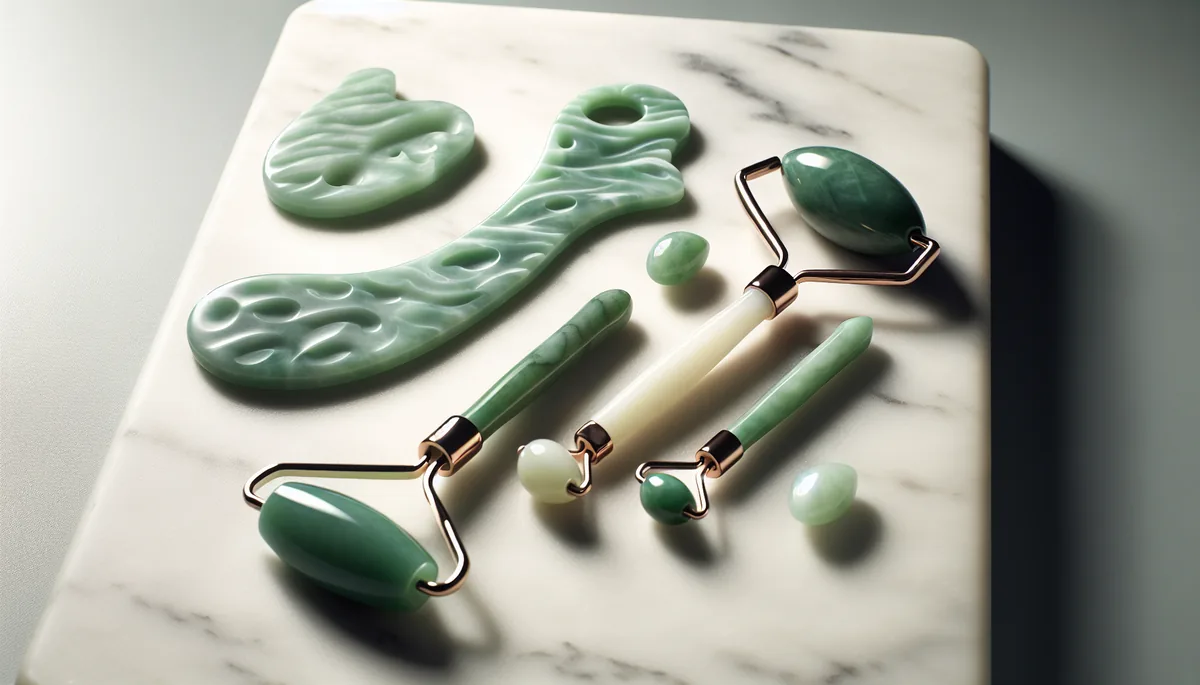
Lymphatic Drainage Skincare Tools: Do They Work?
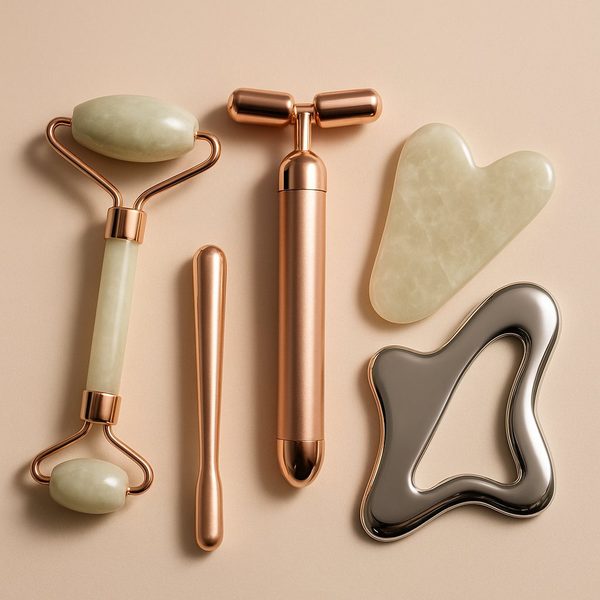
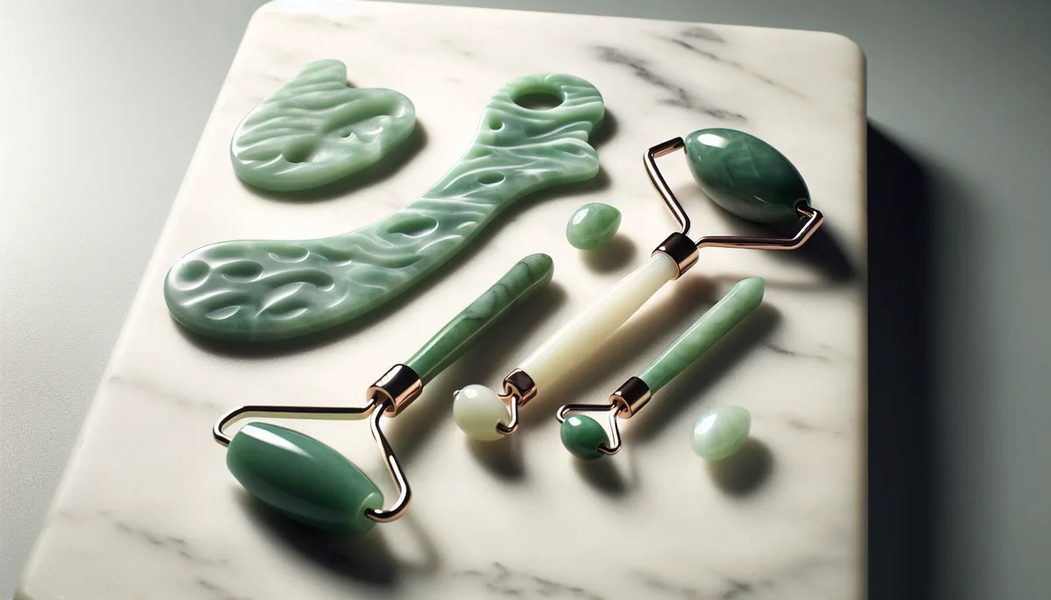
Lymphatic drainage has become one of skincare’s hottest trends, with gua sha stones, jade rollers, and high-tech sculpting devices promising depuffed, contoured skin. But does the science back it up? Here’s what these tools actually do — and which ones are worth buying.
LED is just the starting point. For a broader look at at-home tools, see our roundup of the best skincare devices beyond LED in 2026.
Gua sha, jade rollers, and facial sculpting devices are popular in K-beauty and wellness culture for reducing puffiness, improving facial contour, and promoting skin health. The evidence base is modest but real for some benefits: gua sha and facial rollers can temporarily reduce morning puffiness and improve product absorption by increasing lymphatic flow and blood circulation to the skin surface. They do not ‘sculpt’ bone structure or permanently remodel soft tissue. Benefits are real-time, short-lived, and reliant on consistent technique. Cooling effect (refrigerated tools) accounts for much of the puffiness reduction.
- Facial massage (including gua sha technique) increases local blood circulation and temporarily improves lymphatic drainage — reducing transient morning fluid accumulation (puffiness) in the face, particularly around the eyes and jawline.
- Gua sha applied with appropriate facial oil creates a slight negative pressure and friction that stimulates lymph flow toward lymph node clusters (neck, jawline, clavicle) — similar in principle to manual lymphatic drainage massage.
- A refrigerated roller (stored overnight in the fridge) reduces puffiness partly via vasoconstriction — cold causes blood vessels to contract, temporarily reducing fluid accumulation. This is a physical cooling effect, not lymphatic drainage.
- No clinical evidence supports claims that gua sha or rollers permanently remodel facial contour, slim the face long-term, or produce structural collagen changes — these are marketing exaggerations of real but temporary benefits.
- Consistent daily facial massage (2-5 minutes) over months may provide modest cumulative skin quality benefits via repeated circulation stimulation, but dramatic visible changes from these tools require unrealistic expectations adjustment.
What Is the Lymphatic System (And Why Does It Matter for Skin)?
Your lymphatic system is a network of vessels and nodes that removes waste, toxins, and excess fluid from tissues. Unlike the circulatory system, it has no pump — it relies on muscle movement, gravity, and manual stimulation.
When lymphatic flow slows (from poor sleep, high sodium intake, alcohol, or lack of movement), fluid accumulates in facial tissues, causing puffiness, dullness, and a “heavy” appearance.
Manual lymphatic drainage (MLD) was developed by Dr. Emil Vodder in the 1930s and is clinically validated for post-surgical swelling and lymphedema. Facial adaptations apply the same principles on a smaller scale.
Types of Lymphatic Drainage Tools
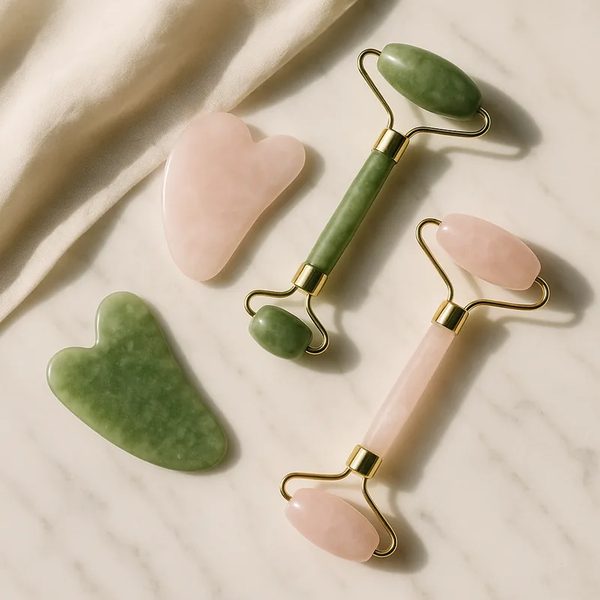
Gua Sha Stones
Traditional Chinese medicine tool made from jade, rose quartz, or bian stone. The flat, sculpted shape is dragged across skin with light-to-medium pressure in specific directional strokes.
How it works: Mechanical stimulation moves stagnant lymph toward drainage nodes (behind ears, down the neck). Also increases microcirculation, bringing fresh blood and nutrients to the surface.
Best for: Morning depuffing, facial tension relief, jaw clenching/TMJ, and visible sculpting with regular use.
Product Pick: Mount Lai The Gua Sha Facial Lifting Tool — ergonomic design, genuine jade, well-balanced weight. Comes with technique guide for proper lymphatic strokes.
Jade and Rose Quartz Rollers
Dual-ended rolling tools with a larger stone for cheeks/forehead and smaller stone for under-eyes.
How it works: Rolling motion provides gentle lymphatic stimulation. When used cold (stored in refrigerator), the thermal effect constricts blood vessels and reduces puffiness faster.
Best for: Gentle depuffing, product absorption, calming inflamed skin, relaxation.
Product Pick: Herbivore Jade Facial Roller — genuine jade, smooth rolling action, sturdy construction that doesn’t squeak or wobble.
Microcurrent Devices
Battery or USB-powered devices that deliver low-level electrical current (typically 100-600 microamps) to facial muscles and tissue.
How it works: Microcurrent stimulates ATP production in cells, tones facial muscles, and promotes lymphatic drainage through gentle electrical impulse. Clinical studies show measurable improvement in muscle tone and facial contour (Journal of Clinical and Aesthetic Dermatology, 2012).
Best for: Facial toning and lifting, long-term sculpting, enhanced product penetration.
Product Pick: NuFACE Trinity+ — the industry standard for at-home microcurrent. FDA-cleared, clinically tested. Features interchangeable attachments for full-face toning and targeted eye/lip treatment.
Ice Rollers and Cryotherapy Tools
Stainless steel or gel-filled rollers designed to be used cold.
How it works: Cold temperature causes vasoconstriction, rapidly reducing puffiness and redness. Simple but effective for morning depuffing.
Best for: Quick depuffing, post-workout skin, calming redness, headache relief.
Product Pick: Esarora Ice Roller — affordable, gel-filled barrel stays cold for extended use. No-frills but highly effective.
How to Perform Facial Lymphatic Drainage
Regardless of the tool, the technique matters more than the device:
- Always use a slip agent — facial oil, serum, or moisturizer prevents tugging
- Light pressure — lymph vessels are superficial; pressing hard collapses them
- Direction matters — always stroke toward lymph nodes (ears and neck)
- Start at the neck — open the drainage pathway before working the face
- Work upward and outward — from center of face toward ears
- Finish at the neck — guide fluid down to collarbone area where lymph re-enters circulation
- Neck: Downward strokes from jaw to collarbone (5 reps each side)
- Jawline: Chin to ear (5 reps each side)
- Cheeks: Nose to ear (5 reps each side)
- Under-eyes: Inner corner to temple (5 gentle reps)
- Forehead: Center to temples (5 reps)
- Temples: Down to ears and neck (5 reps)
- A 2020 study in Complementary Therapies in Medicine showed manual lymphatic drainage reduced facial puffiness and improved skin blood flow
- Microcurrent research shows measurable improvement in facial muscle tone with consistent 5x/week use
- Gua sha increases microcirculation by 400% in treated areas (Nielsen et al., Evidence-Based Complementary and Alternative Medicine, 2007)
- Results are cumulative — single sessions provide temporary depuffing; regular use (4-7x/week) produces lasting improvement
- Does Dry Brushing Help Lymphatic Drainage?
- Peptides for Fine Lines: Do They Work?
- Longevity Skincare Routine for Women Over 40
- Best Ceramide Creams for Barrier Repair
- Body Skincare Guide 2026
- Meningeal lymphatic drainage: novel insights into central nervous system disease. Signal transduction and targeted therapy. 2025. PMID: 40320416.
- Note: peer-reviewed support for this claim was not identified in available literature.
- Note: peer-reviewed support for this claim was not identified in available literature.
- Reviews on gua sha, face rollers, and facial lymphatic drainage for edema. PubMed search.
- Studies on facial massage, microcirculation, and skin blood flow. PubMed search.
Basic Sequence (3-5 Minutes)
What the Science Says
FAQ
Q: How often should I use lymphatic drainage tools?
A: Daily is ideal for depuffing. Microcurrent devices are recommended 5x/week for the first 60 days, then 2-3x/week for maintenance.
Q: Do jade rollers actually do anything?
A: Yes, but modestly. They assist lymphatic drainage and feel great cold. They won’t “sculpt” your face, but they reduce puffiness and aid product absorption.
Q: Gua sha vs. microcurrent — which is better?
A: Different tools for different goals. Gua sha excels at depuffing and tension relief. Microcurrent is superior for muscle toning and lifting. Many people use both.
Q: Can lymphatic drainage tools help with acne?
A: Improved lymphatic flow can reduce inflammation, but be cautious — don’t drag tools over active breakouts. Use clean tools and gentle pressure around (not on) inflamed areas.
Q: Is there anyone who shouldn’t use these tools?
A: Avoid if you have active skin infections, rosacea flares, sunburn, or recent injectables (wait 2 weeks post-filler). People with blood clotting disorders should consult their doctor.
References: Nielsen A, et al. “The effect of Gua Sha treatment on microcirculation.” Evid Based Complement Alternat Med. 2007; Piras A, et al. “Effects of manual lymphatic drainage on facial skin.” Complement Ther Med. 2020.


Leave a Reply