
Best Highlighter for Textured Skin
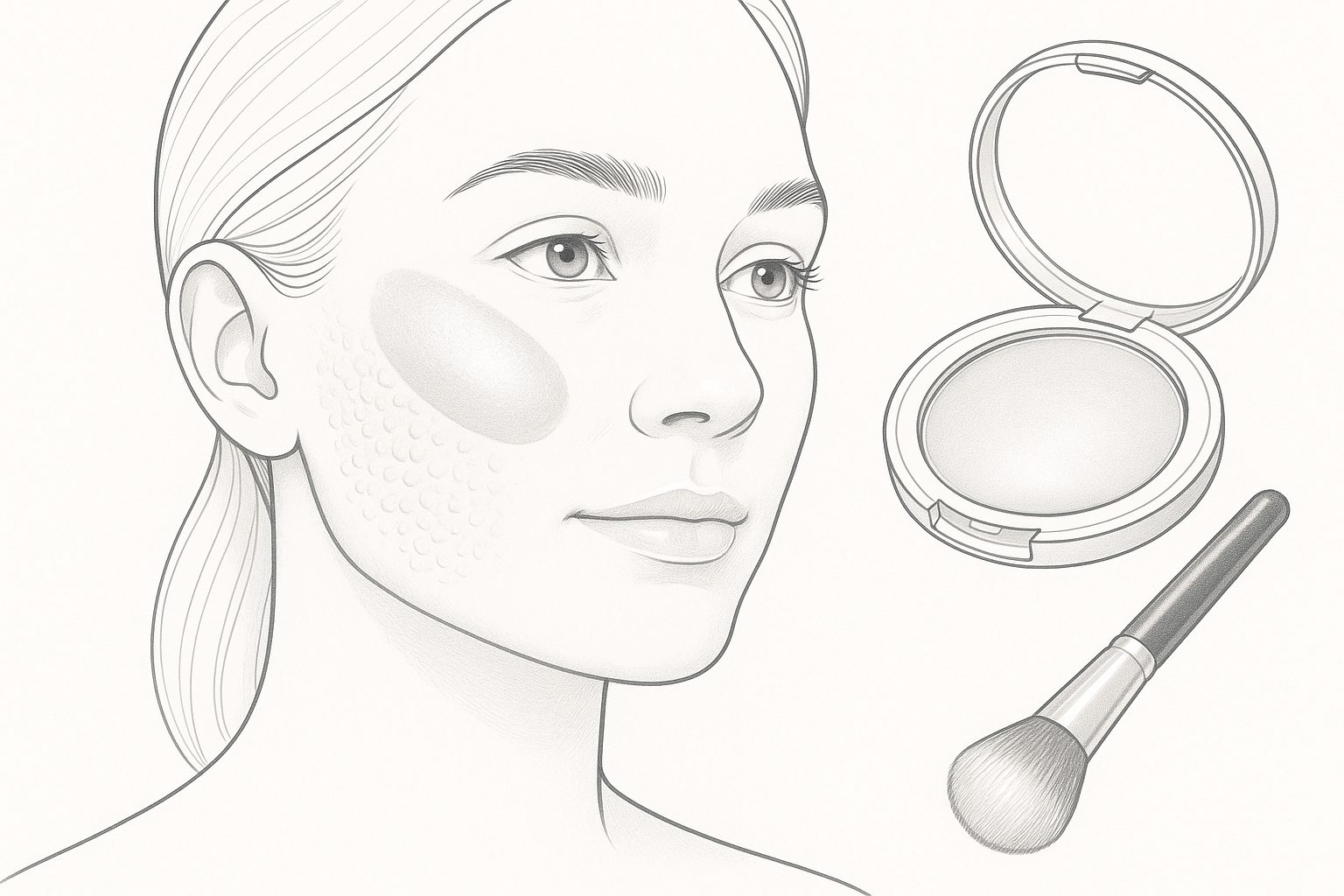
The best highlighter for textured skin adds glow without exaggerating pores, bumps, acne scars, or uneven areas. That is the challenge: highlighter is meant to catch light, but textured skin already catches light in ways you may not want. The right product and placement can still create a luminous look without emphasizing every detail.
Quick Answer
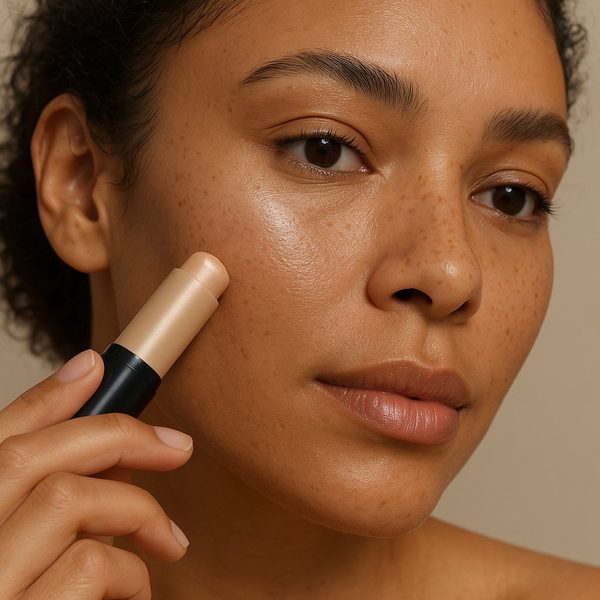
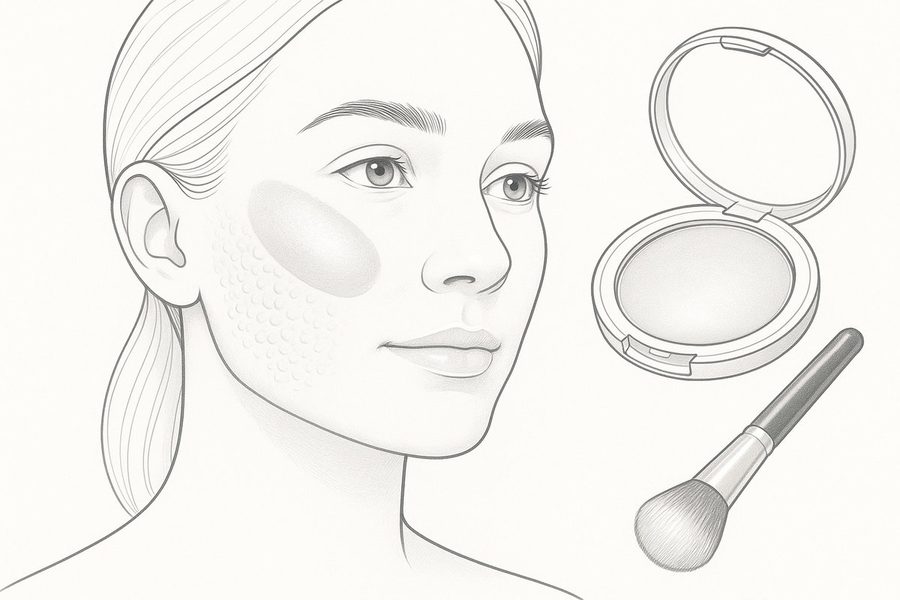
Textured skin presents a specific challenge for highlighter application: the same light-scattering and reflectance properties that create a glow on smooth skin also illuminate texture, making pores, bumps, and rough patches more visible rather than less. The solution is not to avoid highlighter but to choose the right format and application technique: diffuse finishes (finely milled powders, skin-like glow serums) read as natural luminosity; chunky or large-particle glitters emphasize texture. The goal is ‘lit from within’ rather than glitter-on-top.
Key Takeaways
- Large-particle metallic highlighters (with visible glitter or mica flakes > 150 microns) emphasize pore openings and rough texture by sitting in surface irregularities and exaggerating them — switch to finely milled powder highlighters (satin or soft-glow finish) where the particle size is too small to catch on texture.
- Liquid and glow serum highlighters (Charlotte Tilbury Flawless Filter, Rare Beauty Positive Light Silky Serum Highlighter) are the most flattering format for textured skin because they blend into skin rather than sitting on top of it, creating a diffuse radiance rather than a surface reflectance layer that interacts with texture.
- Application placement for textured skin: use a damp beauty sponge rather than a fan brush to apply highlighter — the pressing action deposits product without lifting or disrupting texture, while a brush sweep can visibly drag over textured areas and catch on rough patches.
- Inner corner highlighting is the lowest-risk highlighter application for textured skin: a small amount of a very finely milled highlight applied to the inner corner of the eye and the center of the Cupid’s bow is far from the high-texture zone of the cheeks and nose, allowing a brightening effect without texture emphasis.
- A foundation with luminosity built in is a more skin-friendly glow strategy for highly textured skin than adding topical highlighter: luminous serum foundations (ILIA Super Serum Skin Tint, Rare Beauty Liquid Touch Weightless Foundation in luminous finish) provide an all-over, skin-incorporated glow that highlights without the surface-sitting effect of topical highlighter.
If highlighter has ever made your skin look rougher instead of glowier, the issue is usually not highlighter in general. It is the formula, finish, particle size, or placement.
The right highlighter format can make or break the final look, especially on textured skin. Our comparison covers how liquid and powder highlighters compare for different skin textures and finishes.
What Type of Highlighter Works Best on Textured Skin?
In most cases, smoother and more refined formulas win. The goal is a soft sheen, not a frosty stripe.
Best finishes for textured skin
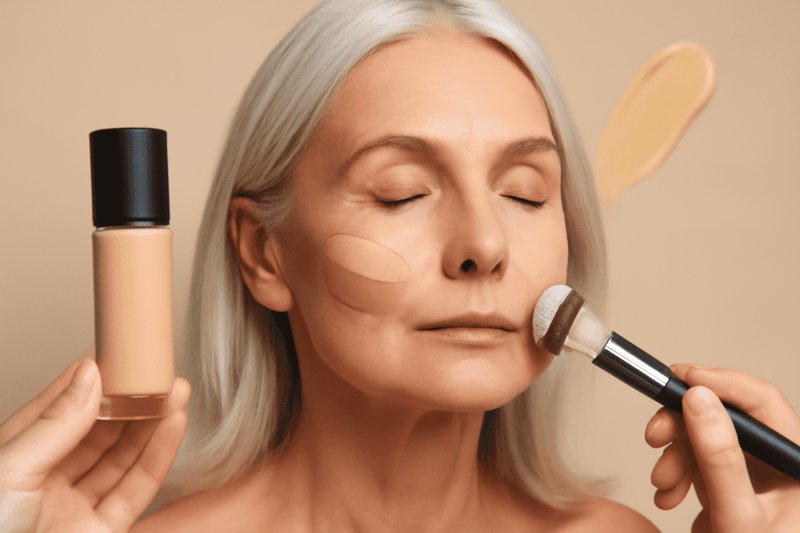
- Satin sheen
- Soft glow
- Creamy luminous finish
- Finely milled powder with no visible glitter
Finishes to be careful with
- Chunky glitter
- Metallic foil shine
- Sparkle-heavy powders
- Dry formulas that sit on top of the skin
A subtle reflective finish usually looks much more flattering than anything intensely shimmering.
Best Formula Types for Textured Skin
Cream highlighters
Cream formulas are often the most forgiving because they melt into the skin and look less powdery. They can create a glow that feels part of the complexion rather than sitting on top of it.
Liquid highlighters
Liquids can also work beautifully, especially when mixed with foundation or applied in small amounts. The best ones create radiance without visible sparkle.
Finely milled powder highlighters
Powder is not automatically bad for textured skin. The key is choosing an ultra-smooth powder with a satin finish instead of a glittery metallic one.
Where to Apply Highlighter If You Have Texture
Placement matters just as much as formula choice.
Best areas to highlight carefully
- Upper cheekbone, slightly higher than the most textured area
- Brow bone in a soft, subtle amount
- Cupid’s bow
- Inner corner, if smooth and minimal
Areas to avoid if texture is prominent
- Center of large pores
- Active breakouts
- Very uneven scarred areas
- Too close to smile lines if product gathers there
A slightly lifted placement usually looks better than applying glow directly over the most uneven spots.
How to Make Highlighter Look Better on Textured Skin
Prep the skin well
Hydrated skin often helps makeup sit more smoothly. If the surface is dehydrated, even good highlighter can look rough.
Keep the base thin
Heavy layers of foundation and powder can make texture more visible. A lighter base often pairs better with subtle highlight.
Use less product
One of the most common mistakes is over-applying. Textured skin usually looks best with a restrained amount of glow.
Tap instead of sweep
Using fingers, a sponge, or a small brush to tap product into place often gives a smoother finish than broad sweeping motions.
Best Highlighter Features to Look For
When shopping for highlighter for textured skin, prioritize:
- No visible glitter chunks
- Skin-like sheen rather than sparkle
- Blendable, forgiving texture
- Buildable formula
- Shades that flatter your complexion without looking icy or chalky
For fair skin, champagne or soft pearl can work well. For medium to deep skin, peach-gold, golden bronze, and warm rose-gold tones often look smoother and more natural.
Common Mistakes With Highlighter on Textured Skin
A metallic stripe across the cheek is rarely the goal. Another mistake is applying highlighter too low on the cheek, where pores are often more visible. Finally, pairing a glittery highlighter with overly mattified skin can make texture stand out even more.
FAQ About Highlighter for Textured Skin
What type of highlighter is best for textured skin?
Cream, liquid, or finely milled powder highlighters with a smooth satin glow are usually the most flattering.
Does highlighter emphasize texture?
It can, especially if the formula is glittery, frosty, or too intense. A refined sheen is much more forgiving.
Is cream or powder highlighter better for textured skin?
Cream is often better, but very smooth powders can also work well.
Where should I avoid highlighter if I have texture?
Avoid placing it directly over enlarged pores, active breakouts, and heavily textured areas.
Final Takeaway
The best highlighter for textured skin creates glow without spotlighting texture. Look for refined finishes, controlled placement, and less obvious shimmer. In most cases, soft sheen beats metallic drama. A little restraint here makes a big difference.
Related Articles
- Best Vegan Concealers for Dry Skin That Look Smooth and Hydrating
- Mature Skin Makeup Guide: Best Foundations, Cream Products, and Age-Flattering Techniques
- Best Cream Blush for Mature Skin: Features That Matter Most
- Best Biotin Supplements in 2026: Hair, Skin, Nails, Metabolism, and What the Evidence Actually Shows
- Best Foods for Glowing Skin: What the Evidence Actually Supports
Sources
- U.S. Food and Drug Administration. Cosmetics labeling guide.
- Environmental Working Group. Skin Deep cosmetic ingredient safety database.
- European Commission. CosIng: cosmetic ingredient database.
- Reviews on cosmetic shimmer/mica ingredients and safety. PubMed search.
- Reviews on aging skin and cosmetic formulation considerations. PubMed search.
📚 Part of our Best Highlighters and Concealers hub. Explore all our highlighting and concealer guides.



Leave a Reply