
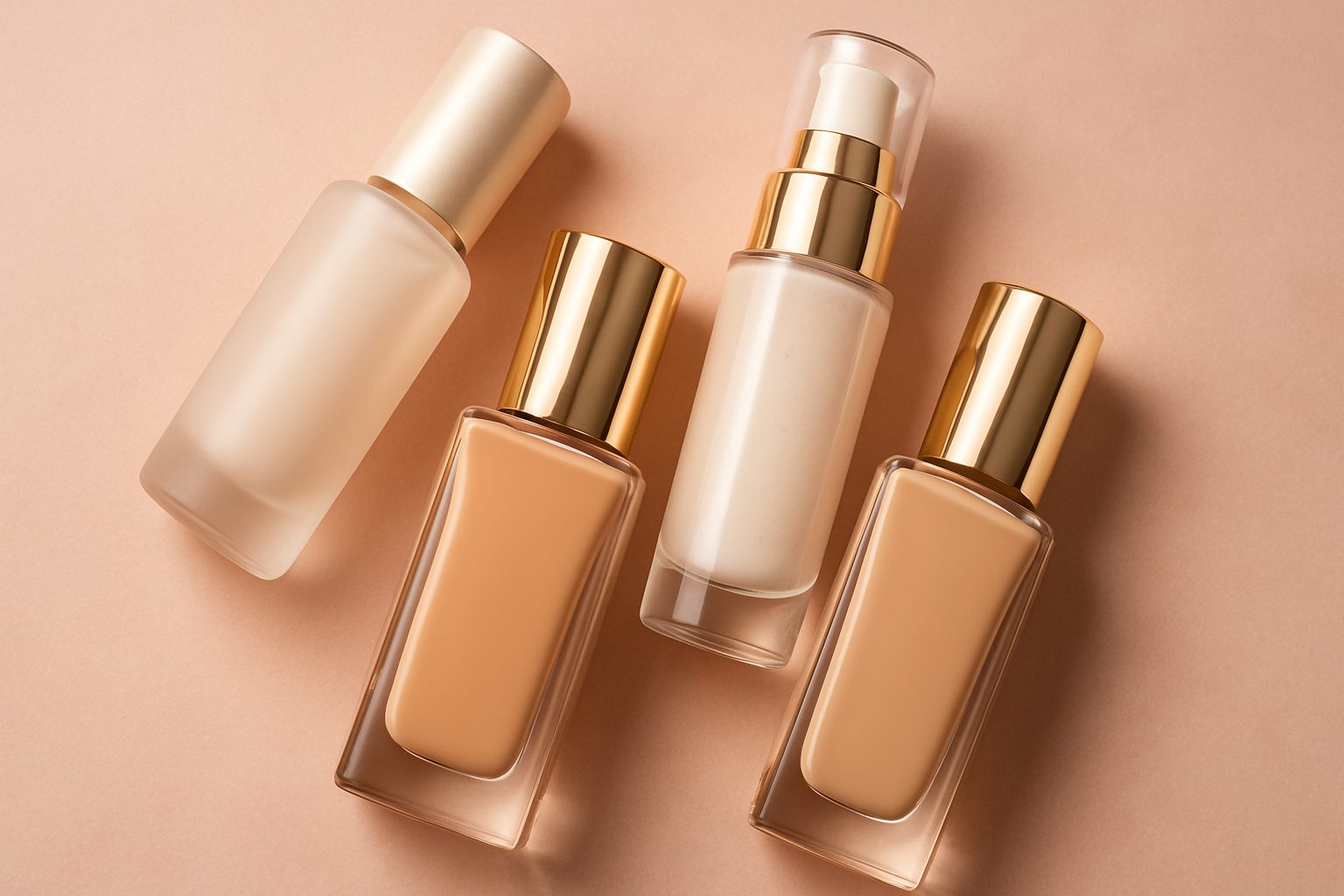
The best collagen foundations and primers appeal to a very specific kind of makeup user: someone who wants coverage and comfort at the same time. This category is not really about miracle anti-aging transformation. It is about formulas that feel smoother, look softer, and help makeup sit more gracefully on skin that is dry, textured, or maturing.
Quick Answer
Collagen as a makeup ingredient in foundations and primers serves as an emollient and skin-feel enhancer rather than a collagen-building agent — collagen molecules are too large to penetrate the skin barrier, so any ‘collagen foundation’ claim of anti-aging biological activity is unsupported. Where collagen-named ingredients contribute meaningfully is in texture: hydrolyzed collagen (collagen peptides in very small fragments) can film-form on the skin surface, improving slip, reducing the appearance of fine lines by temporarily filling them, and contributing to a plumping skin feel. These are real, if cosmetic, benefits.
Key Takeaways
- Hydrolyzed collagen in foundation formulas creates a temporary film on the skin surface that fills fine lines and improves texture appearance — this is a legitimate cosmetic benefit even though it has nothing to do with skin’s actual collagen structure, which cannot be influenced by topical application of collagen molecules.
- Primers marketed as ‘collagen plumping primers’ typically achieve their effect through silicone-based or hyaluronic acid-based films, not collagen itself — the collagen ingredient may be present in small concentrations as a texture agent while the actual plumping effect comes from dimethicone, cyclomethicone, or HA base ingredients.
- For genuine anti-aging skin benefit before makeup application, oral collagen peptides (2.5-10 g/day hydrolyzed Type I collagen) have clinical RCT evidence for improving skin elasticity and hydration — making an oral collagen supplement far more impactful than any collagen-labeled foundation.
- Collagen foundations from Derm-adjacent brands like Dr. Brandt, Perricone MD, and Vichy Dermablend tend to have higher skincare-active concentrations than fashion makeup brands — their formulas more seriously attempt to include effective concentrations of peptides, HA, and skin conditioners rather than using collagen as a pure marketing term.
- What to actually look for in a ‘collagen-benefit’ foundation: check the ingredient list for hydrolyzed collagen or collagen amino acids in the first 10-15 ingredients (indicating meaningful concentration), and look for co-ingredients like hyaluronic acid, niacinamide, and peptides that complement and extend the surface-plumping effect.
That is why collagen-infused makeup keeps showing up in beauty searches. People are tired of base products that look good for 20 minutes and then turn tight, dull, or cakey. A good collagen foundation or primer is usually trying to solve exactly that problem.
What to look for in a collagen foundation
A good collagen foundation should offer more than a trendy ingredient callout.
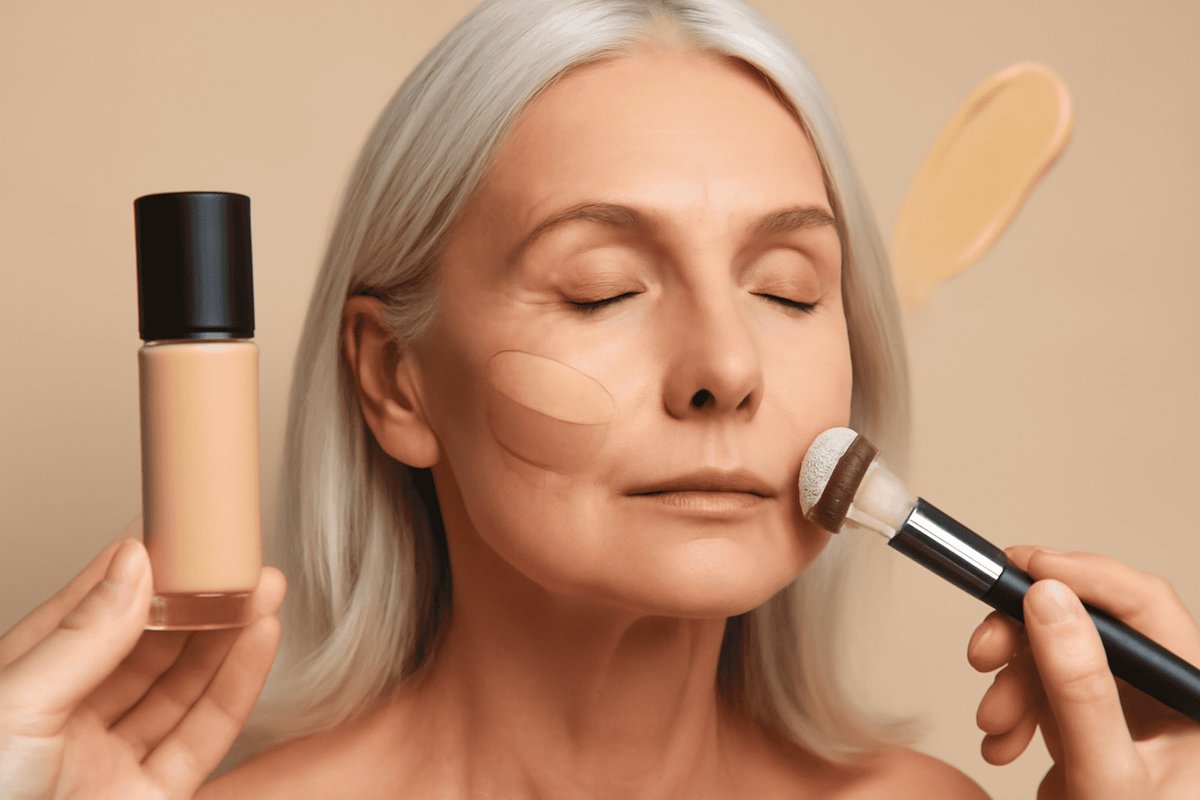
Key features that matter
- Hydrating wear without a greasy finish
- Flexible coverage that moves with the skin
- Minimal clinging to dry patches
- A natural or radiant finish instead of a flat matte one
- Supportive ingredients like hyaluronic acid, glycerin, peptides, or squalane
When these elements are present, collagen-marketed foundations tend to perform best for dry or mature skin.
What to look for in a collagen primer
Collagen primers are most useful when they create a soft, cushioned base under makeup.
The best collagen primers usually:
- Smooth texture without heavy silicone drag
- Add comfort for dry or dehydrated skin
- Help foundation apply more evenly
- Create a flexible glow instead of greasy slip
- Pair well with serum or radiant foundations
For many users, the primer may actually be the better entry point into this trend because it can improve the look of multiple foundations you already own.
Who benefits most from collagen-infused base makeup?
Dry skin types
These formulas are often better than strongly mattifying products that exaggerate flakes and rough texture.
Mature skin
Mature skin often looks best with makeup that bends, reflects light softly, and avoids a powdery finish. Collagen foundations and primers often fit that brief.
Dehydrated combination skin
If your face is oily in some places but tight in others, a collagen primer under a lighter foundation can be a smart compromise.
Best formula styles to prioritize
Rather than chasing specific brand hype, it helps to know which styles usually perform best.
Serum foundations with collagen claims
These are usually lighter, more blendable, and ideal for people who want skincare-makeup crossover products.
Creamy medium-coverage foundations
These work well for people who want more perfected coverage but still need comfort through the day.
Glow primers with collagen plus peptides
This is one of the more interesting sub-trends because it combines immediate radiance with a more credible skincare angle.
Smoothing primers for mature skin
If enlarged pores and fine lines are both concerns, choose formulas that blur gently without a dry matte effect.

Signs a collagen foundation or primer is worth buying
A product in this category is likely worth it if:
- It makes skin look healthier, not just shinier
- It wears evenly for several hours
- It improves the look of texture instead of collecting in it
- It combines collagen with ingredients that actually support hydration and barrier comfort
- It performs well over sunscreen
Signs it may be mostly hype
Be cautious if:
- The packaging promises dramatic lifting or wrinkle reversal
- The formula is heavy and greasy but marketed as nourishing
- The only selling point is collagen with no broader formula story
- It photographs well but breaks apart in normal wear
How to apply collagen primers and foundations for best results
Start with lighter prep
Too many rich layers underneath can cause sliding. Use moisturizer and sunscreen, then let them settle.
Use thin layers
These formulas usually look best when applied in light coats. Build only where needed.
Pair glow with structure
If your collagen foundation is very radiant, balance it with a targeted concealer or a softly set T-zone.
Skip over-powdering
The whole advantage of this category is skin-like flexibility. Too much powder cancels that out.
Final takeaway
The best collagen foundations and primers are less about the collagen itself being magical and more about a formula philosophy: smoother, softer, more forgiving makeup. That makes them especially relevant for dry skin, mature skin, and anyone who wants complexion products that look better the longer they wear.
If you shop for finish, flexibility, and supporting ingredients instead of miracle claims, this trend category actually has some worthwhile products.
FAQ
Are collagen foundations good for mature skin?
Yes, many are. They often offer a more hydrating and forgiving finish than matte or powder-heavy foundations.
Do collagen primers help makeup last longer?
They can, especially if they smooth texture and improve application. Their bigger benefit is often comfort and finish rather than extreme longevity.
Are collagen foundations full coverage?
Some are, but many of the best ones are light to medium coverage with a skin-first finish.
What ingredients should I look for with collagen in makeup?
Look for hyaluronic acid, glycerin, peptides, squalane, niacinamide, and ceramides for a stronger overall formula.
Related Articles
- Foundation With Peptides vs Collagen
- Does Collagen in Makeup Do Anything?
- Anti-Aging Makeup Products That Are Not Gimmicks
- Clean Foundation That Actually Performs
- Best Collagen-Infused Makeup Products
Sources
- Note: peer-reviewed support for this claim was not identified in available literature.
- Collagen supplementation for skin health: a mechanistic systematic review. J Drugs Dermatol. 2020.
- American Academy of Dermatology. Is it okay to wear makeup? AAD.org.
- Foundation With Peptides vs Collagen
- Does Collagen in Makeup Do Anything?


Leave a Reply