Best Supplements to Reduce Cortisol and Belly Fat in 2026: Evidence vs. Hype
Quick Answer: The best-supported cortisol supplements are ashwagandha, magnesium (especially if deficient), omega-3s, and in some cases phosphatidylserine. They can support stress physiology, but they do not directly “melt belly fat.” Lasting body-composition change still depends mostly on sleep, nutrition, activity, and overall stress load.
“Cortisol belly” is a real physiological phenomenon—but the supplement industry has turned it into a marketing machine. Here’s an honest breakdown of which supplements have real evidence for cortisol modulation, what that means for weight, and where the science stops and the sales pitch begins.
The Cortisol–Belly Fat Connection: What’s Actually True
Cortisol promotes visceral fat storage through well-documented mechanisms:
Activates lipoprotein lipase in abdominal adipose tissue, increasing fat uptake
Stimulates appetite and cravings for high-calorie foods
Promotes insulin resistance over time, creating a metabolic feedback loop
Impairs sleep, which independently drives weight gain
This is real endocrinology. The problem is the leap from “high cortisol → belly fat” to “take this supplement → flat stomach.” That leap isn’t supported.
Critical distinction: Clinical hypercortisolism (Cushing’s syndrome) clearly causes central obesity. Normal stress-related cortisol elevation is much more nuanced. Most people searching “cortisol belly” don’t have pathologically high cortisol—they have normal cortisol in a stressful life.
What studies show: Multiple RCTs and 3+ meta-analyses confirm significant serum cortisol reduction (15–28%) at 300–600 mg/day of KSM-66 or Sensoril extracts over 8+ weeks.
Weight connection: One 2024 review found reduced stress-driven food cravings. A 2025 RCT showed modest weight/BMI improvements in stressed overweight adults. Effect sizes are small.
Honest rating: Strong evidence for cortisol reduction. Weak-to-preliminary evidence for direct weight loss. Best as part of broader stress management.
What studies show: 600 mg/day of soy-derived PS reduced exercise-induced cortisol by ~35% and improved testosterone-to-cortisol ratio in a controlled crossover study (Starks et al., 2008). Earlier studies (Monteleone et al.) showed blunted cortisol response to physical stress at 400–800 mg/day.
Weight connection: No direct weight loss studies. Theoretical benefit through cortisol modulation and improved recovery.
Honest rating: Good evidence for blunting exercise-induced cortisol spikes. Limited evidence for resting cortisol or weight outcomes. Doses used in studies (400–800 mg) are higher than most supplements provide.
What studies show: A 2012 systematic review (Panossian & Wikman) confirmed anti-fatigue and stress-protective effects across multiple RCTs. A 2022 PMC review found decreased cortisol awakening response in burnout patients. The SHR-5 standardized extract has the most data.
Weight connection: No direct evidence. May reduce fatigue-driven overeating indirectly.
Honest rating: Good adaptogenic evidence for stress-related fatigue and mental performance. Cortisol data is less robust than ashwagandha—mostly in burnout/fatigue contexts rather than general stress.
4. Magnesium — ⭐ Moderate Evidence (Indirect)
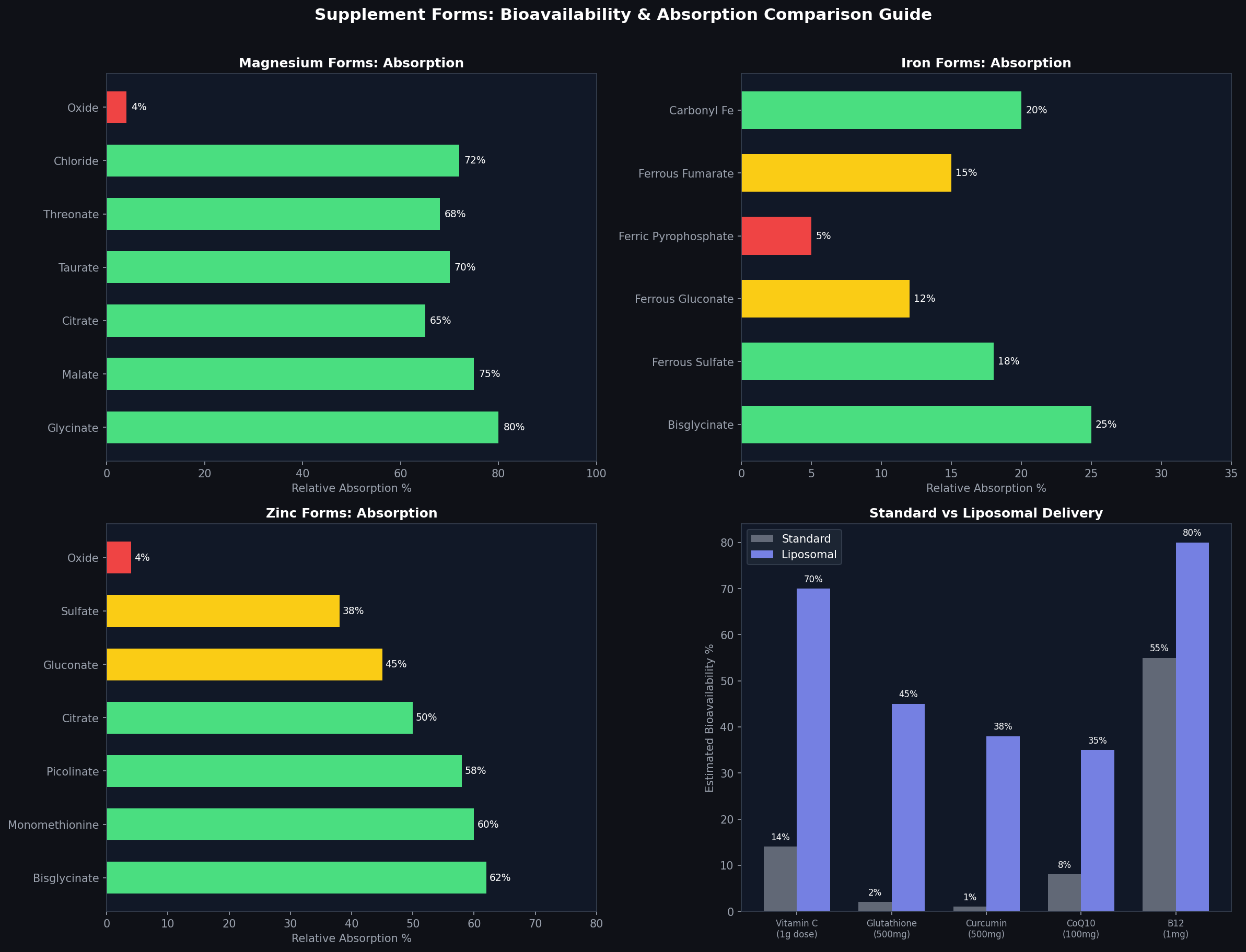
What studies show: Magnesium is a cofactor in HPA-axis regulation. Deficiency (common—~50% of Americans don’t meet RDA) is associated with elevated cortisol and exaggerated stress responses. Supplementation in deficient individuals normalizes the stress response.
Weight connection: Better sleep (magnesium glycinate), improved insulin sensitivity, reduced stress eating. All indirect but meaningful.
Honest rating: Not a “cortisol blocker” but correcting deficiency genuinely helps stress physiology. One of the most underrated and cost-effective interventions.
What studies show: Several RCTs show high-dose omega-3 (2–4 g/day EPA+DHA) blunts cortisol and inflammatory cytokine responses to psychological stress. A 2021 meta-analysis found significant cortisol reduction in stressed populations.
Weight connection: Anti-inflammatory effects may help metabolic health broadly. No direct “belly fat burning” evidence from cortisol modulation specifically.
Honest rating: Good supporting supplement for stress and inflammation. Not a targeted cortisol intervention.
What studies show: 200 mg L-theanine reduced cortisol response to acute stress in some small studies. Promotes alpha brain waves associated with calm alertness.
Weight connection: None directly. May reduce stress-related snacking by promoting calm without sedation.
Honest rating: Promising for acute stress management. Limited cortisol-specific data. Works well as a stack component rather than standalone.
Supplements Marketed for “Cortisol Belly” with Weak or No Evidence
| Supplement | Claim | Reality | |———–|——-|———| | DHEA | “Balances cortisol” | Complex hormonal effects; self-supplementing is risky without medical supervision | | Holy Basil (Tulsi) | “Adaptogenic cortisol control” | Very few human RCTs; animal data mostly | | Relora (Magnolia/Phellodendron) | “Cortisol belly buster” | 2–3 small studies; some cortisol effect but weak methodology | | “Cortisol blocker” blends | “Melt belly fat” | Marketing term, not a pharmacological category | | Vitamin C (high-dose) | “Reduces cortisol post-exercise” | A couple of small studies; effect is minor and context-specific |
The Uncomfortable Truth About Cortisol Supplements and Weight Loss
Here’s what the supplement industry doesn’t want to discuss:
Cortisol is not the main driver of obesity for most people. Caloric surplus, movement patterns, sleep, and metabolic health matter far more.
Reducing cortisol by 20% doesn’t translate to measurable fat loss in most contexts. The metabolic impact is marginal compared to diet and exercise.
The best “cortisol supplement” is often free: consistent sleep, regular movement, stress management techniques, and social connection.
Supplements work best as adjuncts, not replacements. Ashwagandha + good sleep hygiene + regular exercise > ashwagandha alone.
WebMD quotes endocrinologist Rexford Ahima (2025): “There is no proven evidence supporting the use of cortisol blockers as dietary supplements in common forms of obesity.”
When Cortisol Supplements Might Actually Help
You have verified high cortisol (salivary cortisol testing, ideally 4-point)
You’re in a period of chronic, sustained stress (caregiving, shift work, major life disruption)
You’re already doing the basics (sleep, exercise, nutrition) and want an adjunct
Optional for athletes: Phosphatidylserine (400–600 mg) — exercise-induced cortisol
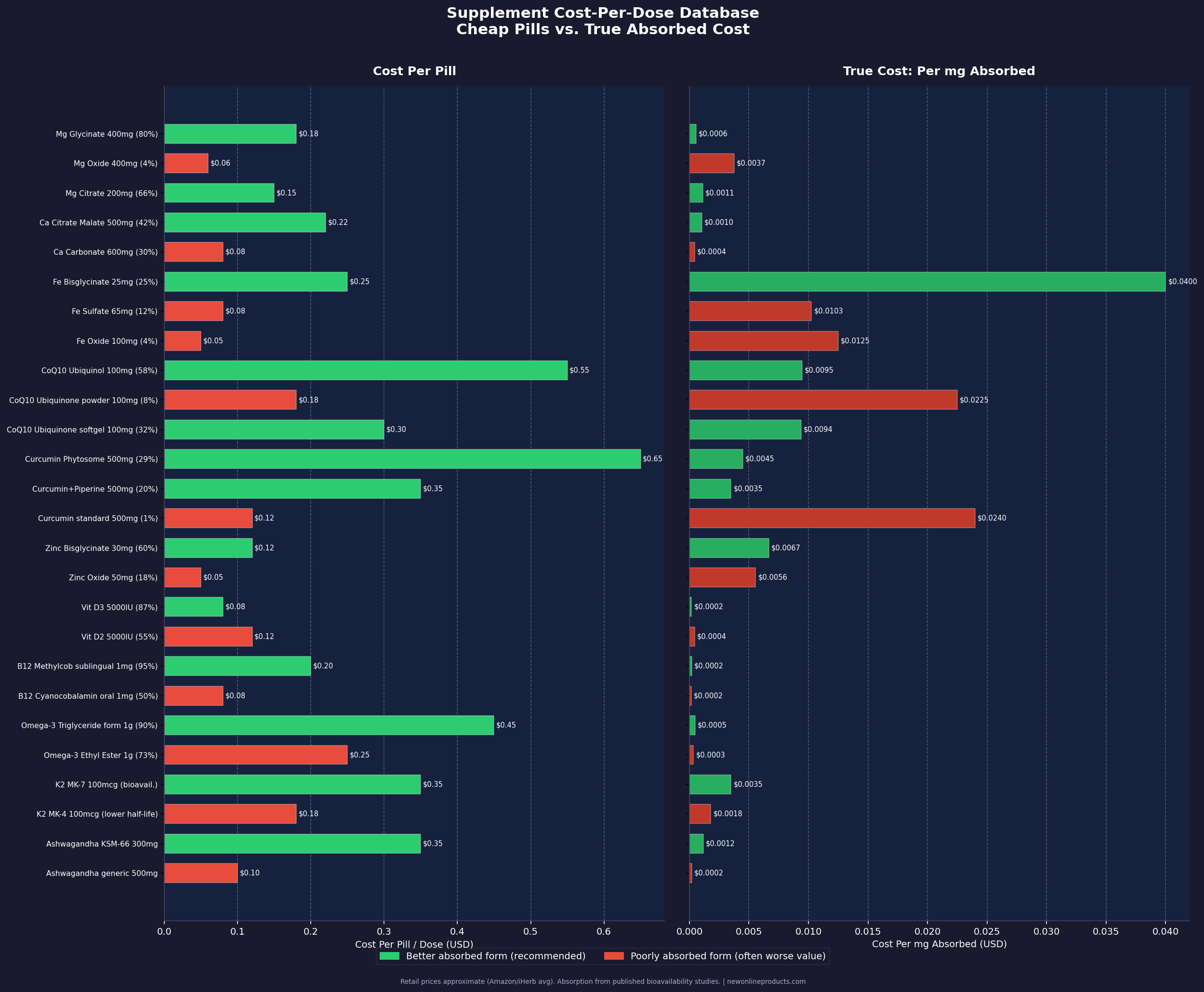
Total cost: ~$40–60/month. Compare to a single “cortisol belly blend” at $60+ with underdosed ingredients.
Key Takeaways
Cortisol can influence abdominal fat patterns, but it is rarely the single cause of weight gain.
Ashwagandha has the strongest direct evidence for lowering cortisol among common supplements.
Magnesium and omega-3s are useful foundational supports, especially when deficiency or high stress is present.
“Cortisol blocker” blends are often underdosed and overmarketed.
Supplements work best as adjuncts to sleep, resistance training, stress management, and nutrition basics.
Frequently Asked Questions
Do “cortisol blocker” supplements work for weight loss?
No supplement has been proven to cause meaningful weight loss through cortisol reduction alone. The term “cortisol blocker” is a marketing label, not a medical category.
How do I know if my cortisol is actually high?
A 4-point salivary cortisol test (morning, noon, evening, bedtime) is the standard. Single blood draws are less useful because cortisol fluctuates throughout the day.
Can I take ashwagandha and rhodiola together?
Yes, they work through different mechanisms and are generally safe to combine. Start one at a time to assess individual tolerance.
What’s more important—supplements or lifestyle for cortisol?
Lifestyle, unequivocally. Sleep, exercise, and stress management techniques have larger and more consistent effects on cortisol than any supplement.