
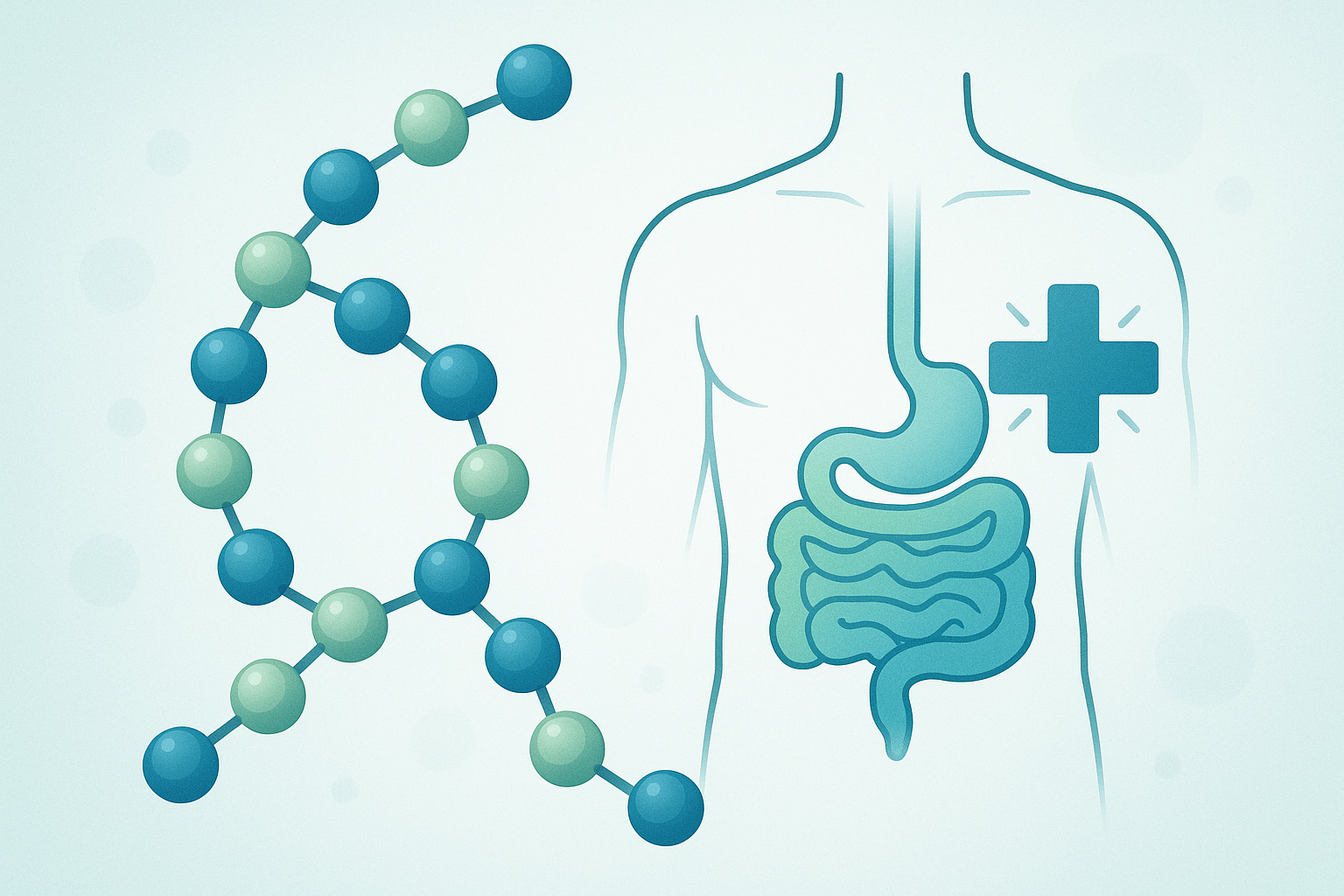
Quick Answer: BPC-157 (Body Protection Compound-157) is a synthetic peptide derived from a protein found in human gastric juice. Animal studies show impressive results for gut healing, tendon repair, and inflammation — but large-scale human clinical trials don’t yet exist. It’s sold as a research chemical, is not FDA-approved, and sits in a regulatory gray area. If you’re considering it, you need to go in with clear eyes about what the science does and doesn’t support.
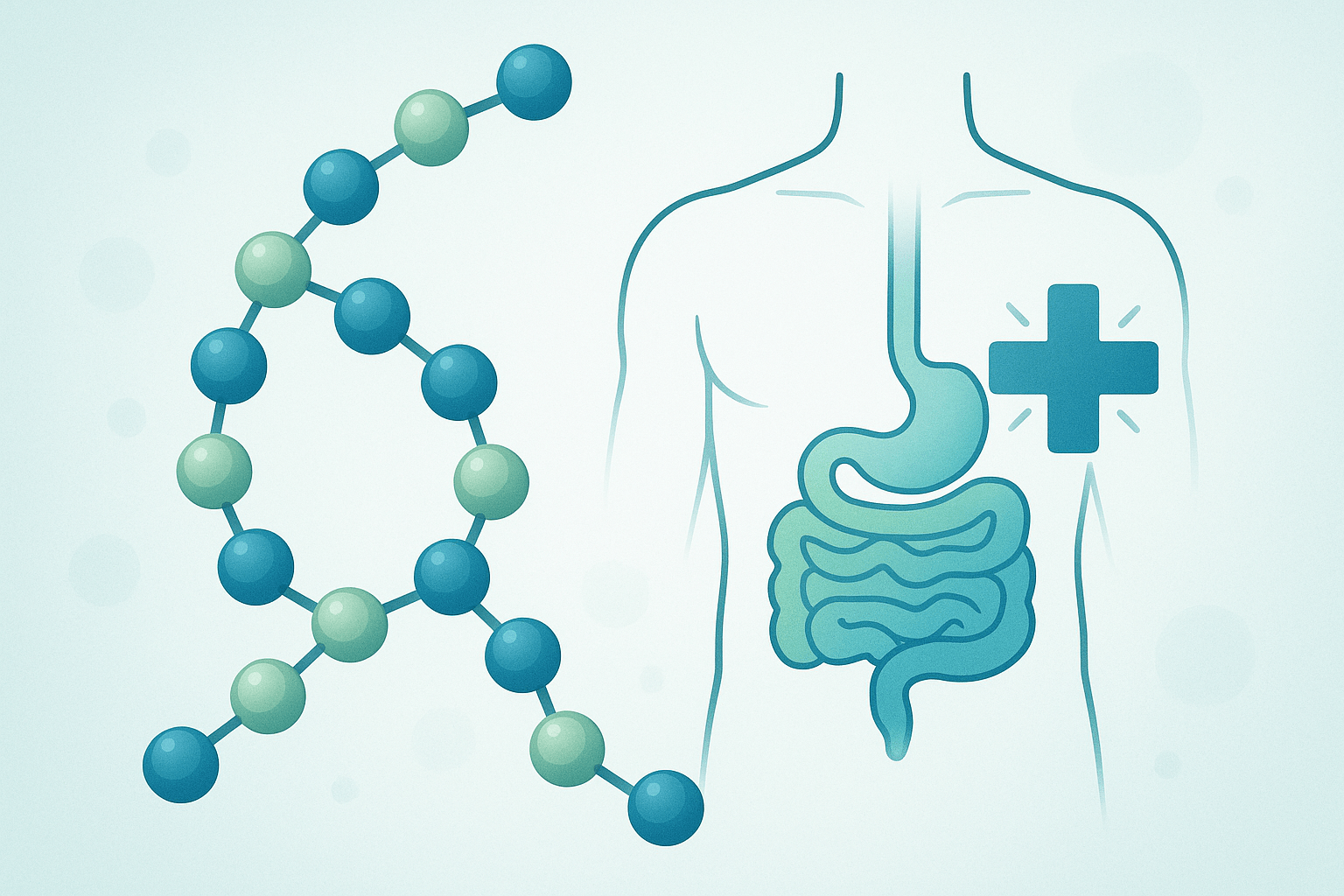
BPC-157 has become one of the more talked-about compounds in biohacking and sports recovery communities — and for reasons that are at least partially grounded in real science. This isn’t your average supplement with cherry-picked studies and marketing fluff. The research behind BPC-157 is genuinely interesting. It’s also mostly done in rats.
That gap between “promising animal data” and “proven human therapy” is exactly where most people get confused. Let’s walk through what we actually know, what we don’t, and what you should understand before deciding if this is something worth your time and attention.
What Is BPC-157?
BPC-157 stands for Body Protection Compound-157. It’s a 15-amino-acid peptide — which is why it’s also called a gastric pentadecapeptide — originally isolated from human gastric juice. Your stomach actually produces a protein from which this peptide sequence is derived, which is part of why researchers have been interested in its apparent safety profile in animal models.
The “157” refers to its position in the parent protein sequence. The full synthetic name is Gly-Glu-Pro-Pro-Pro-Gly-Lys-Pro-Ala-Asp-Asp-Ala-Gly-Leu-Val, and it’s entirely synthetic when produced for research purposes. Unlike many peptides studied in laboratories, BPC-157 is notably stable in both acidic and basic environments — meaning it can theoretically survive the harsh conditions of the digestive tract, which has implications for oral delivery.
Researchers first became interested in it in the 1990s through the work of Dr. Predrag Sikiric and colleagues at the University of Zagreb, Croatia. Much of the foundational research still comes from that group, which is worth noting when evaluating the literature — independent replication is limited.
How Does BPC-157 Work? (Mechanism of Action)
BPC-157 doesn’t work through a single, clean mechanism — it appears to modulate several pathways simultaneously, which may explain both its broad effects in animal models and the difficulty in pinning down exactly what it’s doing.
Key mechanisms identified in research include:
Nitric oxide (NO) system modulation. BPC-157 appears to upregulate the nitric oxide pathway, which plays a central role in blood vessel dilation, wound healing, and tissue repair. Animal studies suggest it can both protect against and reverse the tissue damage caused by NO inhibition.
Growth factor upregulation. Research shows BPC-157 increases expression of growth hormone receptor (GHR) in tendons and ligaments, and appears to interact with the VEGF (vascular endothelial growth factor) pathway — a key driver of angiogenesis (new blood vessel formation). This may explain its accelerated wound healing effects in animal models.
Gut-brain axis activity. BPC-157 appears to have significant effects on serotonin and dopamine systems, possibly through interactions with the vagus nerve and enteric nervous system. This has led to research interest in areas well beyond gut health, including depression and anxiety models in rodents.
Cytoprotective effects. The peptide seems to stabilize cell membranes and protect cells against various stressors — including NSAID-induced damage (more on that below).
Tendon fibroblast proliferation. In vitro and animal studies show BPC-157 stimulates the migration and proliferation of tendon fibroblasts — the cells responsible for tendon tissue repair and regeneration.
None of these mechanisms have been confirmed in human clinical trials. The mechanistic picture comes largely from cell culture studies and rodent models.
What the Research Shows
Gut Healing and GI Protection
This is arguably the area with the strongest (and most consistent) animal evidence. Multiple studies from the Sikiric group and others show BPC-157 can:
- Heal gastric ulcers in rats, including those induced by NSAIDs, ethanol, and stress
- Reduce gut permeability (“leaky gut”) in animal models
- Protect against inflammatory bowel disease markers in rat models
- Counteract the gastric damage caused by aspirin and other NSAIDs
One notable study showed BPC-157 could even reverse the gut damage caused by indomethacin (a potent NSAID) in rats — and do so at relatively low doses. The fact that this peptide is naturally derived from gastric juice makes its cytoprotective effects on gut tissue biologically plausible.
For humans? There are no published, randomized, placebo-controlled trials examining BPC-157 for conditions like IBD, gastric ulcers, or leaky gut. One small human trial was completed in Croatia for inflammatory bowel disease, but results haven’t been published in a peer-reviewed journal accessible in standard databases as of this writing.
Tendon and Ligament Repair
The sports recovery community has seized on this research area hard — and the animal data is legitimately interesting. Studies show:
- Significantly faster healing of surgically transected Achilles tendons in rats
- Improved ligament healing following transection
- Accelerated rotator cuff tendon repair in rodent models
- Bone healing in fracture models
The proposed mechanism — upregulating growth hormone receptors in connective tissue — makes physiological sense. Tendons and ligaments are notoriously slow to heal because of poor blood supply; anything that improves local angiogenesis and fibroblast activity could have real-world value.
But again: no human RCTs. The anecdotal reports from athletes are plentiful, but anecdote isn’t evidence. We genuinely don’t know if these effects translate to humans.
Anti-Inflammatory Effects
BPC-157 consistently reduces inflammatory markers in animal studies — including COX-2 expression, NF-κB activation, and various cytokines. It appears to have a particularly interesting relationship with NSAID toxicity: while NSAIDs can damage the gut, BPC-157 seems to counteract that damage without blunting the anti-inflammatory effects of the NSAIDs themselves.
There’s also rodent research on systemic inflammation, including models of sepsis, where BPC-157 showed protective effects. The anti-inflammatory effects extend to the gut, muscle tissue, and the central nervous system in various models.
Neurological and Brain Effects
This is a newer area of BPC-157 research that’s generating interest. Animal studies suggest possible effects on:
- Dopaminergic and serotonergic systems
- Recovery from traumatic brain injury
- Depression and anxiety-like behaviors in rodent models
- Alcohol withdrawal and addiction models
This is speculative territory even for animal research, and the idea of using BPC-157 for neurological conditions in humans is extremely premature.
The Elephant in the Room: Animal vs. Human Evidence
It’s worth being blunt here: virtually all BPC-157 research is in rodents. A few small human studies exist, but none are large randomized controlled trials published in high-impact peer-reviewed journals.
This matters for a few reasons:
- Rodent physiology differs from human physiology in important ways, especially regarding peptide absorption, metabolism, and tissue distribution.
- Publication bias may mean that negative results from animal studies haven’t been published.
- The majority of research comes from a single research group (Sikiric et al.), which means independent replication is limited.
- Peptides behave differently at human scale — a dose that works in a 300-gram rat doesn’t reliably translate to a 70-kilogram human.
None of this means the research is fraudulent or that BPC-157 doesn’t work in humans. It means we don’t know yet. Anyone selling you certainty on this compound is overselling the evidence.
Oral vs. Injectable Forms
BPC-157 is available in two primary forms:
Injectable (subcutaneous or intramuscular): Most research protocols use injections because it bypasses the digestive system entirely, ensuring the peptide reaches systemic circulation. Injectable BPC-157 is typically sold as a lyophilized (freeze-dried) powder that must be reconstituted with bacteriostatic water.
Oral capsules/tablets: Oral BPC-157 has gained popularity because it’s far more convenient and doesn’t require needles. The argument for oral dosing is that BPC-157 was derived from gastric juice and is acid-stable — so it may survive digestion and exert local gut effects, and possibly even systemic effects.
The honest truth: we don’t have good human pharmacokinetic data for either route. We don’t know how much oral BPC-157 actually reaches circulation in humans, what the bioavailability is, or whether it reaches target tissues (like tendons) in meaningful concentrations. Some researchers believe oral dosing primarily provides gut-level effects, while injectable routes may be needed for systemic effects.
Dosing: What Studies Use
Animal study dosing has typically used:
- Injectable: 1–10 mcg/kg body weight, once or twice daily
- Oral: Higher doses, often 10–100 mcg/kg, given the lower bioavailability
For a 70 kg human, rough human-equivalent dose conversions (using standard interspecies scaling) suggest doses in the range of 200–500 mcg per day for injectable, and potentially higher for oral forms.
Common doses circulated in the biohacking community range from 250–500 mcg/day for injectable and 500 mcg–1 mg/day for oral — but these are community estimates, not clinically validated human doses.
There is no established safe or effective human dose for BPC-157. Any dosing protocol you find online is extrapolated from animal studies or anecdotal community experience, not clinical trial data.
Safety and Side Effects
In animal studies, BPC-157 has shown a remarkably clean safety profile — even at doses far above those used in standard experiments. No significant organ toxicity or adverse effects have been reported in rodent studies.
Reported side effects in human self-experimentation include:
- Nausea (usually mild and transient)
- Dizziness or lightheadedness
- Hot or cold sensations at injection sites
- Fatigue or stimulant-like effects (individual variation)
More significant theoretical concerns:
- Cancer promotion: Because BPC-157 upregulates VEGF and promotes angiogenesis, there’s a theoretical concern that it could accelerate tumor growth in people with existing cancers. This hasn’t been studied. It’s a precaution worth taking seriously.
- Unknown long-term effects: There are no long-term human safety studies. “Safe in rats for 6 months” doesn’t tell us what happens in humans over years.
- Injection risks: Improper preparation or injection technique can introduce infection risk.
People with active cancer, those who are pregnant or breastfeeding, and anyone with significant health conditions should not use BPC-157 without consulting a qualified physician — and even then, they’re operating in uncharted territory.
Legal Status
BPC-157 occupies a notable regulatory gray zone:
- Not FDA-approved for any human therapeutic use
- Not scheduled as a controlled substance in the US (as of this writing)
- Classified as a research chemical — legal to purchase and possess, but not legal to sell “for human consumption”
- Banned by WADA (World Anti-Doping Agency) under the category of peptide hormones and related substances
The FDA issued warning letters to compounding pharmacies that were producing injectable BPC-157 for human use. This effectively ended the practice of licensed compounding pharmacies producing it in the US, though the online research chemical market continues.
Outside the US, regulations vary. It’s legal for research purposes in many countries but not approved as a pharmaceutical anywhere in the world as of 2026.
Bottom line: You can buy it. You can’t legally buy it “for human use.” The supplement/research chemical market exploits this gap.
How to Evaluate Quality and Purity
If you decide to investigate BPC-157 further, product quality is a serious concern. Unlike pharmaceutical-grade drugs, research chemicals have no quality control standards or oversight.
What to look for:
- Certificate of Analysis (COA) from a third-party lab: The vendor should provide testing results from an independent laboratory confirming purity (aim for ≥98%), identity (mass spectrometry or HPLC), and absence of common contaminants. Don’t accept COAs from in-house labs.
- Reputable vendors with established track records: Community forums (like Longecity or Peptide Sciences reviews) can provide signal on consistent quality over time.
- Proper storage conditions: Lyophilized peptides should be stored at -20°C before reconstitution. If a vendor ships powder at room temperature with no cold packaging, that’s a red flag.
- Reasonable pricing: BPC-157 that seems unusually cheap should raise questions about purity and sourcing.
- Transparent sourcing: Where is the raw peptide synthesized? Reputable vendors often use US- or European-based synthesis facilities with GMP (Good Manufacturing Practice) compliance.
Never use a product that lacks a third-party COA. This is non-negotiable for anything you’re considering putting in your body.
Who Might Consider BPC-157 — and Who Should Avoid It
Potentially relevant for (based on animal research, not human trials):
- People with chronic gut issues (IBD, leaky gut, NSAID-related GI damage) who haven’t found adequate relief from conventional approaches and are working with a knowledgeable physician
- Athletes or highly active individuals dealing with stubborn tendon or ligament injuries
- Biohackers with a high risk tolerance who have done thorough research and understand the evidence gap
Should avoid:
- Anyone with a history of cancer or who is at elevated cancer risk
- Pregnant or breastfeeding women
- People on blood thinners or vasodilating medications (due to nitric oxide pathway effects)
- Anyone not prepared to do rigorous due diligence on product quality
- People expecting pharmaceutical-grade certainty about efficacy or safety
If you’re interested in BPC-157 from a medical standpoint, find a physician specializing in peptide therapy or integrative medicine who can review your specific health history. This is not a supplement you casually add to your morning routine.
The Bottom Line
BPC-157 is one of the more scientifically interesting compounds in the research chemical space — the animal evidence for gut healing, tendon repair, and anti-inflammatory effects is real and fairly consistent. The biological mechanisms proposed are plausible and partially understood.
But the human evidence simply isn’t there yet. No large randomized controlled trials. Limited independent replication. No approved medical use anywhere in the world. A theoretical cancer risk that can’t be dismissed.
For most people, evidence-based supplements with solid human trial data will be the better starting point. For those at the frontier of self-experimentation who understand what they’re getting into — realistic expectations, genuine product quality standards, and ideally medical supervision — BPC-157 is at least grounded in more science than most things you’ll find marketed as a “healing peptide.”
Eyes open. Do your homework.
Sources
- Note: peer-reviewed support for this claim was not identified in available literature.
- Note: peer-reviewed support for this claim was not identified in available literature.
- Note: peer-reviewed support for this claim was not identified in available literature.
- Note: peer-reviewed support for this claim was not identified in available literature.
- Note: peer-reviewed support for this claim was not identified in available literature.
Related Articles
- Best Gut Health Supplements in 2026
- Supplement Stacking Guide 2026
- Best Anti-Inflammatory Supplements 2026
- Best Longevity Supplements in 2026
- GlyNAC Longevity Stack
This article is for informational purposes only and does not constitute medical advice. BPC-157 is not FDA-approved and is not intended to diagnose, treat, cure, or prevent any disease. Always consult a qualified healthcare provider before using any research chemical or peptide supplement. The information presented here reflects the state of published research as of 2026 and should not be used as the basis for self-treatment.



Leave a Reply