Quick Answer: Sustainable weight loss depends on fixing metabolism first — not just eating less. The most effective modern strategy combines GLP-1 medications (or natural GLP-1 boosters) with targeted supplement stacks that preserve muscle, stabilize blood sugar, and address the hormonal root causes of fat storage. This guide covers everything from semaglutide and tirzepatide to berberine, peptides, and muscle-sparing protocols.
Key Takeaways
- GLP-1 receptor agonist drugs (Ozempic, Wegovy, Mounjaro) produce 15–22% body weight reduction in clinical trials — but companion stacks are essential to preserve muscle and address nutrient gaps.
- Berberine activates AMPK similarly to metformin, improving insulin sensitivity and supporting weight loss at 500 mg three times daily.
- Muscle-preserving supplements (creatine, leucine-rich protein, HMB) are non-negotiable during caloric restriction — especially on GLP-1 therapy.
- Weight-loss peptides (AOD-9604, 5-Amino-1MQ, CJC-1295/Ipamorelin) offer research-backed mechanisms but require careful sourcing and medical supervision.
- A strategy framework that stacks berberine + fiber + protein optimization outperforms any single-supplement approach.
- Metabolic health is upstream of weight loss — fix insulin resistance first and fat loss often follows.
Why Metabolic Health Comes First

Most people approach weight loss backwards. They reduce calories, white-knuckle hunger, lose weight — then regain it within 18 months. The missing piece is metabolic health: how efficiently your body produces energy, manages blood sugar, and responds to insulin.
When insulin resistance is present, fat cells are locked in storage mode. Your body burns glucose preferentially and resists releasing stored fat. No amount of caloric restriction solves this elegantly if insulin remains chronically elevated.
The modern evidence-based approach works upstream:
- Improve insulin sensitivity
- Optimize appetite hormones (GLP-1, ghrelin, leptin)
- Support muscle mass (the metabolic engine)
- Address underlying contributors (cortisol, thyroid, gut microbiome)
Fix these levers and weight loss becomes the downstream result rather than the exhausting daily battle.
GLP-1 Medications: What They Are and How They Work
GLP-1 (glucagon-like peptide-1) is a natural hormone released in the gut after eating. It signals the pancreas to release insulin, tells the brain you’re full, slows gastric emptying, and reduces appetite.
FDA-approved GLP-1 receptor agonists:
| Drug | Brand | Mechanism | Avg Weight Loss |
|---|---|---|---|
| Semaglutide | Ozempic / Wegovy | GLP-1 agonist | 15–17% body weight |
| Tirzepatide | Mounjaro / Zepbound | GLP-1 + GIP dual agonist | 20–22% body weight |
| Liraglutide | Saxenda | GLP-1 agonist | 8–10% body weight |
Retatrutide — a triple agonist hitting GLP-1, GIP, and glucagon receptors simultaneously — is in Phase 3 trials showing up to 24% weight reduction. It’s not yet approved but represents where the field is heading.
The GLP-1 Drug Tradeoff
These drugs are remarkably effective but come with tradeoffs:
- Muscle loss: 25–40% of weight lost on GLP-1 therapy can be lean mass without proper intervention.
- Nutrient depletion: Reduced appetite means reduced nutrient intake — deficiencies in protein, B12, magnesium, and zinc are common.
- GI side effects: Nausea, constipation, and slowed gastric motility affect most users, especially at dose escalation.
- Rebound on discontinuation: Weight regain occurs rapidly if drugs are stopped without behavioral/metabolic change.
This is precisely why a companion supplement stack matters. See our dedicated guide to GLP-1 companion supplements for Ozempic, Mounjaro, and Wegovy users for the full protocol.
Natural GLP-1 Boosters: Supplements That Support the Same Pathways
Not everyone is on or can access GLP-1 medications. Several supplements activate overlapping mechanisms:
Berberine — The Metformin Mimic
Berberine is an alkaloid found in barberry, goldenseal, and Oregon grape. It activates AMPK (AMP-activated protein kinase) — the same enzyme pathway targeted by metformin — reducing hepatic glucose production and improving insulin signaling.
Clinical evidence:
- Yin et al. (2008, Metabolism) demonstrated significant fasting glucose and HbA1c reductions in a landmark berberine RCT in type 2 diabetic patients. A 2022 systematic review and meta-analysis of randomized trials (PMID: 36467075) found berberine reduced fasting plasma glucose by approximately 0.82 mmol/L (~14.8 mg/dL) and HbA1c by ~0.63% versus placebo.
- A 2020 dose-response meta-analysis found berberine reduced BMI by an average of 0.29 kg/m² in randomized controlled trials — a modest but statistically significant effect (PMID: 32379652).
- Head-to-head studies show roughly comparable glycemic effects to metformin at 500 mg three times daily.
Dosing: 500 mg three times daily with meals. Berberine has poor bioavailability — newer forms like dihydroberberine (DHB) offer 2–5× better absorption at half the dose.
Important: Berberine has real drug interactions. If you’re on metformin, blood pressure medications, or diabetes drugs, get medical clearance. Read our detailed berberine vs. metformin comparison before starting.
Inositol (Myo-Inositol)
Myo-inositol improves insulin receptor signaling and is among the best-studied supplements for PCOS-related insulin resistance. At 2–4 g daily, it reduces fasting insulin, supports ovulatory function, and modestly reduces body weight in insulin-resistant women.
Alpha-Lipoic Acid (ALA)
ALA is a mitochondrial cofactor with insulin-sensitizing effects. 600–1200 mg/day in studies shows modest reductions in fasting glucose and body weight, with strongest effects in metabolically impaired populations.
Apple Cider Vinegar (Acetic Acid)
Acetic acid blunts post-meal glucose spikes by inhibiting alpha-amylase and improving insulin-stimulated glucose uptake. 1–2 tablespoons before carbohydrate-heavy meals reduces glucose area under the curve by 20–35% in controlled studies. ACV gummies deliver less acetic acid than liquid — verify dosing on labels.
Peptides for Weight Loss
Peptide therapies represent the cutting edge of weight management. Several are researched specifically for fat metabolism:
AOD-9604 (Anti-Obesity Drug Fragment)
A modified fragment of human growth hormone (HGH), AOD-9604 was specifically engineered to carry HGH’s fat-burning properties without the growth-promoting or diabetogenic effects. It activates beta-3 adrenergic receptors, stimulating lipolysis (fat breakdown) in adipose tissue.
Research shows AOD-9604 reduces body fat in animal models and early human trials. It’s not FDA-approved for therapeutic use and is currently used in research and compounding contexts.
CJC-1295 / Ipamorelin Stack
This combination amplifies growth hormone (GH) release:
- CJC-1295 is a GHRH (growth hormone-releasing hormone) analog that extends GH pulse duration.
- Ipamorelin is a selective GHRP (growth hormone-releasing peptide) that triggers GH release without spiking cortisol or prolactin.
GH promotes lipolysis, preserves lean mass, and supports fat oxidation — making this stack popular in anti-aging and body composition contexts. Typical research protocols use subcutaneous injections at bedtime.
5-Amino-1MQ
5-Amino-1MQ inhibits NNMT (nicotinamide N-methyltransferase), an enzyme that suppresses NAD+ production and metabolic rate in fat cells. By blocking NNMT, this peptide activates dormant fat cells, raises NAD+ in adipose tissue, and may increase fat cell “browning” (conversion to metabolically active brown adipose tissue).
Early animal research is promising. Human trials are limited. This is a research compound, not a supplement for general consumers.
Important Peptide Caveat
Peptide therapies require medical supervision, proper sourcing from licensed compounding pharmacies, and needle handling training. They are not regulated OTC supplements. The quality of research compounds varies dramatically by source — this is not a DIY category.
Muscle Preservation: The Non-Negotiable Priority
Muscle is metabolic currency. It’s the largest tissue responsible for glucose uptake and accounts for 20–30% of resting metabolic rate. Losing muscle during weight loss is not a minor inconvenience — it creates lasting metabolic damage.
On aggressive caloric restriction (especially GLP-1 therapy), muscle preservation requires active intervention.
Core Muscle-Sparing Stack
1. Protein — The Foundation Target 1.6–2.2 g per kg of body weight daily. This is hard to hit on a GLP-1-suppressed appetite. High-quality protein powders (whey isolate, casein for overnight, or plant-based blends) are often necessary. See our protein supplements for Ozempic users guide.
2. Creatine Monohydrate — 5 g/day Creatine is the most evidence-backed supplement for preserving lean mass during caloric restriction. It maintains phosphocreatine stores in muscle, supports training performance, and attenuates muscle atrophy. 5 g daily with no loading phase required. Complete creatine guide here.
3. Leucine / HMB (β-Hydroxy β-Methylbutyrate) Leucine is the branched-chain amino acid most responsible for activating mTOR and muscle protein synthesis. HMB is a leucine metabolite that specifically inhibits muscle protein breakdown (catabolism). At 3 g HMB daily, studies show reduced muscle loss during caloric restriction and in sedentary or older populations.
4. Resistance Training No stack replaces progressive resistance training. Even 2–3 sessions per week signals muscle retention. If you’re on GLP-1 medications and not lifting, you’re paying for a drug that’s eating your muscle.
Metabolic Health Supplement Stack: The Full Framework
Here’s how to layer these interventions strategically. Not everyone needs everything — start with tier 1 and build from there.
Tier 1 — Foundation (Everyone)
| Supplement | Dose | Purpose |
|---|---|---|
| Protein (food + powder) | 1.6–2.2 g/kg/day | Muscle retention, satiety |
| Creatine monohydrate | 5 g/day | Muscle mass, strength |
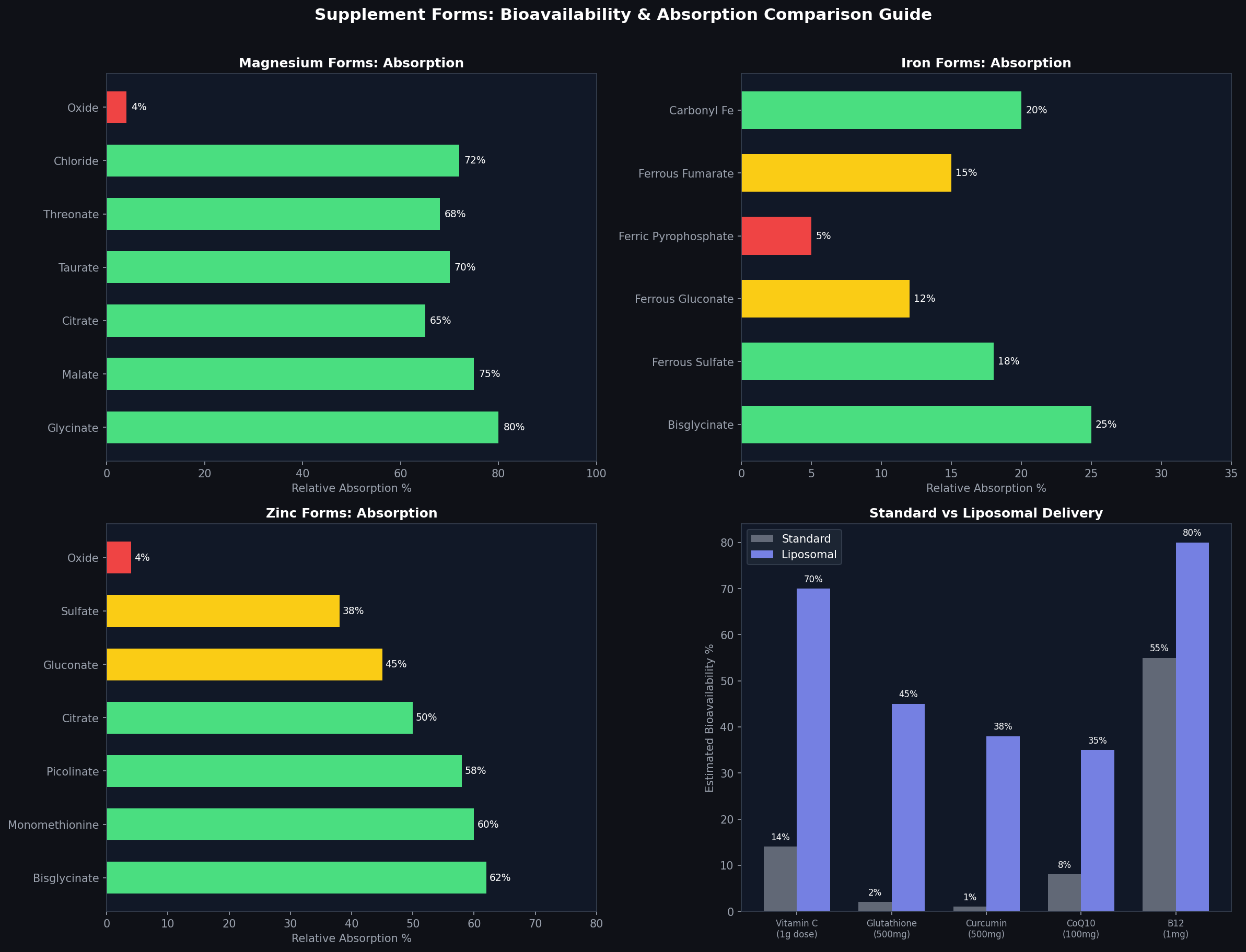
| Magnesium glycinate | 200–400 mg/night | Insulin sensitivity, sleep, cortisol |
| Omega-3 fatty acids | 2–3 g EPA/DHA daily | Inflammation, insulin sensitivity |
Tier 2 — Insulin Resistance Focus
| Supplement | Dose | Purpose |
|---|---|---|
| Berberine or DHB | 500 mg 3× daily (or 200 mg DHB 2×) | AMPK activation, blood sugar |
| Myo-inositol | 2–4 g/day | Insulin receptor sensitivity |
| ALA | 600 mg/day | Mitochondrial function |
| Fiber (psyllium or acacia) | 10–15 g/day | GLP-1 stimulation, microbiome |
Tier 3 — GLP-1 Therapy Companion
| Supplement | Dose | Purpose |
|---|---|---|
| Protein focus (Tier 1 elevated) | 2.0–2.4 g/kg | Counter GLP-1 muscle loss |
| HMB | 3 g/day | Anti-catabolic |
| Electrolytes | Per packet | GI side effects, dehydration |
| B12 (methylcobalamin) | 1000 mcg/day | Appetite suppression depletes B12 |
| Zinc | 15–25 mg/day | Reduced dietary intake |
Tier 4 — Advanced / Supervised
- Peptide therapy (GH secretagogues, AOD-9604) — with prescribing physician
- Berberine + metformin combo — only under physician oversight, monitor for lactic acidosis
- Tirzepatide + semaglutide cycling — never self-prescribed
Strategy Framework: The 4-Phase Protocol
Phase 1 (Weeks 1–4): Metabolic Reset Focus on insulin sensitivity. Introduce berberine, fiber, reduce refined carbs. Establish protein baseline. Add creatine. No aggressive caloric restriction yet.
Phase 2 (Weeks 5–12): Caloric Deficit + Muscle Defense Create a 300–500 kcal/day deficit. Add HMB if on GLP-1 or if muscle loss is a concern. Begin or continue resistance training 3×/week. Optimize sleep (magnesium, consistent timing).
Phase 3 (Weeks 13–24): Body Composition Optimization Maintain lean mass while continuing fat loss. Consider periodic diet breaks (1–2 weeks at maintenance) to reset leptin and cortisol. Evaluate whether GLP-1 therapy is appropriate. Track body composition, not just scale weight.
Phase 4 (Maintenance): Metabolic Defense Taper caloric deficit to maintenance. Keep resistance training. Maintain berberine and magnesium long-term if metabolic markers warrant it. Monitor fasting insulin and HbA1c annually.
Frequently Asked Questions
Q: Is berberine as effective as Ozempic for weight loss? Berberine and semaglutide work through completely different mechanisms. Berberine activates AMPK and modestly reduces BMI (meta-analytic average ~0.29 kg/m² across randomized trials — PMID: 32379652). Semaglutide produces 15–17% body weight reduction. They are not equivalent, but berberine is a legitimate metabolic support tool — especially for people who aren’t candidates for GLP-1 drugs. They can also be combined cautiously under physician supervision.
Q: Will I lose muscle on Ozempic or Wegovy? Yes, without intervention. Studies show 25–40% of weight lost on GLP-1 therapy is lean mass. This is why creatine, high protein intake, HMB, and resistance training are critical — not optional — for anyone on these medications.
Q: What is the best supplement stack for someone not on GLP-1 medications? Start with: berberine 500 mg 3× daily, magnesium glycinate 400 mg at night, creatine monohydrate 5 g daily, omega-3 at 2–3 g EPA/DHA, and high-protein diet (1.6–2 g/kg). Add fiber (psyllium 10 g/day) to stimulate natural GLP-1 release and improve microbiome health.
Q: Are weight-loss peptides safe? Peptides like CJC-1295/Ipamorelin and AOD-9604 have reasonable safety profiles in research contexts, but they require subcutaneous injection, medical supervision, and quality-controlled sourcing from licensed compounding pharmacies. They are not casual supplements. Anyone considering them should work with a physician who specializes in metabolic medicine or anti-aging.
Q: How long does it take berberine to work for weight loss? Most studies showing weight-loss effects run 8–12 weeks. Blood sugar effects often appear within 2–4 weeks. Berberine works best combined with dietary changes, not as a standalone magic pill.
Q: Can I combine berberine with metformin? In principle, both target AMPK but via slightly different mechanisms, and some physicians use them together. However, combination use increases hypoglycemia risk and can cause GI distress. This requires physician oversight — do not self-combine.
Q: What supplements actually help with cortisol-driven belly fat? Cortisol-driven fat storage is real but often overstated in marketing. For genuinely elevated cortisol, the evidence supports: ashwagandha (KSM-66, 600 mg/day), phosphatidylserine (400 mg/day), adequate sleep, and stress management. No supplement overcomes chronically poor sleep or high life stress — those must be addressed directly.
Related Articles
- The Complete Guide to GLP-1 Supplements (Ozempic, Mounjaro, Wegovy)
- Best GLP-1 Companion Supplements: Essential Stacks for GLP-1 Users
- Berberine vs. Metformin: An Honest Comparison
- Berberine and Weight Loss: Separating Hype from Evidence
- Muscle-Preserving Supplements During GLP-1 Weight Loss
- Best Metabolic Health Supplements 2026
- Best Supplements for Insulin Sensitivity
- Creatine Supplements: The Complete Guide
- Retatrutide: The Triple Agonist GLP-1 Guide
- Best Metabolic Stack for Weight Management
Sources
- Wilding, J.P.H. et al. “Once-Weekly Semaglutide in Adults with Overweight or Obesity.” New England Journal of Medicine, 2021.
- Jastreboff, A.M. et al. “Tirzepatide Once Weekly for the Treatment of Obesity.” New England Journal of Medicine, 2022.
- Yin, J. et al. “Efficacy of Berberine in Patients with Type 2 Diabetes.” Metabolism, 2008.
- Pérez-Rubio, K.G. et al. “Effect of berberine administration on metabolic syndrome, insulin sensitivity, and insulin secretion.” Metabolic Syndrome and Related Disorders, 2013.
- Morton, R.W. et al. “A systematic review, meta-analysis and meta-regression of the effect of protein supplementation on resistance training-induced gains in muscle mass and strength.” British Journal of Sports Medicine, 2018.
- Antonio, J. & Ciccone, V. “The effects of pre versus post workout supplementation of creatine monohydrate on body composition and strength.” Journal of the International Society of Sports Nutrition, 2013.
- Wilson, J.M. et al. “The effects of 12 weeks of beta-hydroxy-beta-methylbutyrate free acid supplementation on muscle mass, strength, and power in resistance-trained individuals.” European Journal of Applied Physiology, 2014.
- Kanaley, J.A. et al. “Protein Supplementation during Energy Restriction in Resistance Exercise Training.” Journal of Strength and Conditioning Research, 2017.
- Chevalier, S. et al. “Protein Anabolic Responses to a Fed State Are Blunted by the Reduction of Habitual Protein Intake in Healthy Older Adults.” Journal of Nutrition, 2011.
- Lean, M.E.J. et al. “Tolerability of nausea and vomiting and associations with weight loss in a randomized trial of liraglutide in obese, non-diabetic adults.” International Journal of Obesity, 2014.
Disclaimer: This article is for informational purposes only and does not constitute medical advice. Consult a qualified healthcare provider before starting any new supplement, medication, or weight-loss protocol — especially GLP-1 medications and peptide therapies.
Sources
- PubMed/NIH — Peer-reviewed clinical trials and metabolic research on weight loss interventions
- Examine.com — Evidence-based supplement and nutrition research summaries
- ConsumerLab — Third-party testing and quality verification of supplements and ingredients
- Labdoor — Independent supplement testing and quality ratings
- PubMed Central — Open-access full-text research articles on metabolic health and nutrition