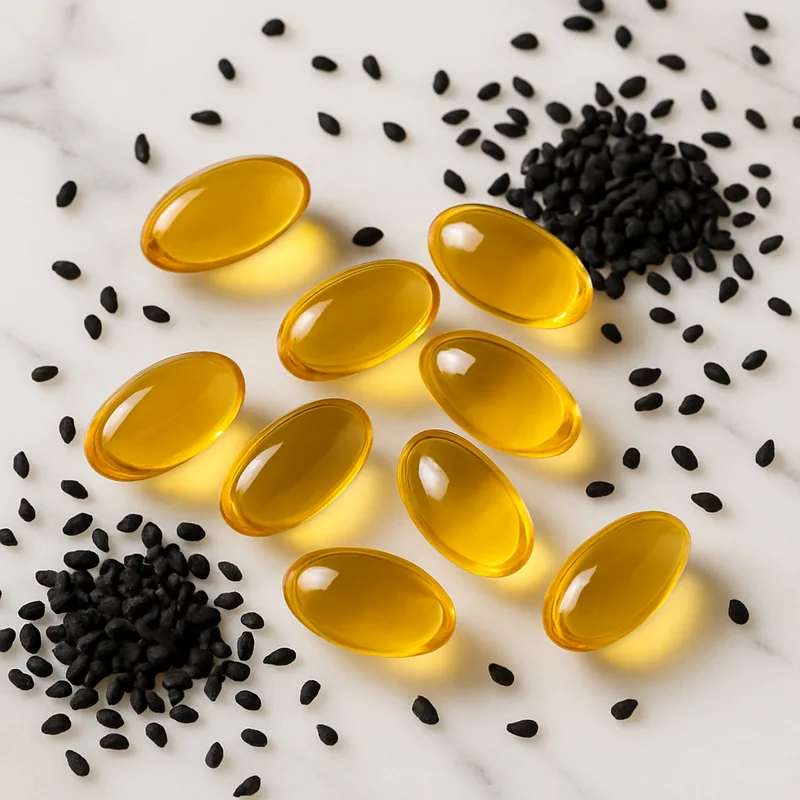
Best Black Seed Oil Capsules in 2026: What Nigella Sativa Can and Cannot Do
Quick Answer
Quick Answer: Black seed oil capsules can offer modest support for metabolic health and inflammatory markers, with many adults using 500-2,000 mg daily from brands that clearly label source quality and thymoquinone-related standardization.
Black seed oil has one of the strongest reputations in traditional medicine and one of the messiest reputations in modern supplement marketing. You will see claims that it can do almost everything. Reality is more grounded: black seed oil appears most useful for metabolic health, inflammatory balance, and general wellness support, but it is not a cure-all.
The plant behind it is Nigella sativa, sometimes called black cumin. The main active compound people care about is thymoquinone, which has antioxidant and anti-inflammatory effects and is thought to drive many of the supplement’s benefits.
What Is Black Seed Oil Good For?
Modern buyers usually choose black seed oil capsules for one or more of these reasons:
Blood sugar and insulin support
Lipid and cardiovascular risk support
Inflammation-related wellness support
General immune support
The evidence is most interesting in people with metabolic syndrome, overweight, insulin resistance, or elevated inflammatory markers.
What the Research Shows
Blood sugar and insulin markers
This is one of the better-supported uses. Reviews of clinical trials suggest black seed supplementation can improve fasting glucose, insulin resistance markers, and HbA1c in some populations, though the magnitude of benefit varies.
Lipids and blood pressure
Several trials and reviews also suggest modest improvements in triglycerides, LDL cholesterol, and blood pressure, especially in people starting with worse baseline numbers.
Inflammatory markers
A 2024 randomized crossover trial in overweight and obese women reported improvements in inflammatory markers such as IL-1β and IL-6, along with some insulin-related measures. That supports the broader idea that black seed oil may be especially useful when low-grade inflammation and metabolic dysfunction travel together.
Best Black Seed Oil Capsules in 2026
Best overall: Amazing Herbs Premium Black Seed Oil Softgels
This brand has strong name recognition in the category and offers an easy capsule format for people who do not want to deal with the taste of liquid oil.
Best for: most first-time black seed oil buyers.
Best premium pick: Triquetra or similar thymoquinone-standardized softgels
If you want a more targeted product, prioritize brands that disclose either thymoquinone content or careful sourcing.
Best for: buyers who care more about standardization than the cheapest bottle.
Best value: Zhou or similar widely available black seed oil capsules
Often a solid middle-ground choice for people who want convenience and acceptable quality without premium pricing.
Best for: long-term everyday use on a budget.
How Much Black Seed Oil Should You Take?
There is no single perfect dose because studies use different forms and strengths. A reasonable supplemental range is often 500 mg to 2,000 mg daily of black seed oil, or the equivalent based on the label.
Practical dosing guide
500 mg/day: cautious starting point
1,000 mg/day: common everyday dose
Higher doses: sometimes used short term, but better guided by a clinician
Take it with food if your stomach is sensitive.
Who Should Consider Black Seed Oil Capsules?
Black seed oil may make the most sense for:
Adults with metabolic health goals
People who want a broader anti-inflammatory support supplement
Those who prefer capsules over strong-tasting liquid oils
People looking for a complementary supplement alongside diet change and exercise
What to Look for in a Good Product
Capsule form and source quality
Capsules solve the taste problem, but quality matters. Look for:
Clear serving size
Seed oil source disclosed
Third-party testing or strong brand reputation
Ideally some standardization around thymoquinone
Skip exaggerated claims
If the label sounds like it can cure everything from infections to cancer, move on. Serious brands do not market it that way.
Safety and Side Effects
Black seed oil is usually tolerated well, but it is not completely risk-free.
Possible side effects
Upset stomach
Nausea
Reflux in some users
Allergic reactions in sensitive individuals
Important cautions
Because black seed oil may affect blood sugar, blood pressure, and clotting, use extra caution if you take diabetes medications, blood pressure medication, or anticoagulants. Surgery patients should stop it ahead of procedures unless their clinician says otherwise.
FAQ
Do black seed oil capsules really work?
They may help, especially for metabolic and inflammatory support. The evidence is not perfect, but it is better than many “immune support” supplements on the market.
What is the main active ingredient in black seed oil?
The best-known compound is thymoquinone, which is thought to provide many of black seed oil’s antioxidant and anti-inflammatory effects.
Are capsules better than liquid black seed oil?
Capsules are mostly better for convenience and taste. Liquid can work too, but many people stay more consistent with softgels.
Can black seed oil help blood sugar?
Possibly. Human studies suggest it may support glucose control and insulin-related markers, especially in people with metabolic issues.
Who should avoid black seed oil?
People on blood thinners, diabetes medication, blood pressure medication, pregnant women, and anyone preparing for surgery should talk with a clinician first.
Tavakkoli A, et al. Review on Clinical Trials of Black Seed (Nigella sativa) and Its Active Constituent, Thymoquinone. J Pharmacopuncture. 2017.
Heshmati J, et al. Nigella sativa and cardiometabolic outcomes: systematic reviews and meta-analyses of clinical trials. Phytother Res. various reviews.
Mahmoodi H, et al. A crossover randomized controlled trial examining the effects of black seed supplementation on inflammatory and insulin parameters in overweight and obese women. BMC Complement Med Ther. 2024.
Ahmad A, et al. A review of therapeutic potential of Nigella sativa. Asian Pac J Trop Biomed. 2013.
Key Takeaways
Black seed oil is most useful for modest metabolic and inflammatory support, not broad cure-all claims.
Most practical dosing lands around 500-2,000 mg daily, usually with food.
Products with sourcing transparency and thymoquinone-focused quality control are safer bets.
Use caution with diabetes, blood pressure, or anticoagulant medications.
Like this:
LikeLoading…
This article is not medical advice. Always consult a physician before taking any supplements.
The Expert
Join Richard as he dives into the health benefits and life changing aspects of natural supplements, treatments, etc.